
Dual Water-Circulation Cooling Vests: An Industry Reference for Heat-Exposed Work
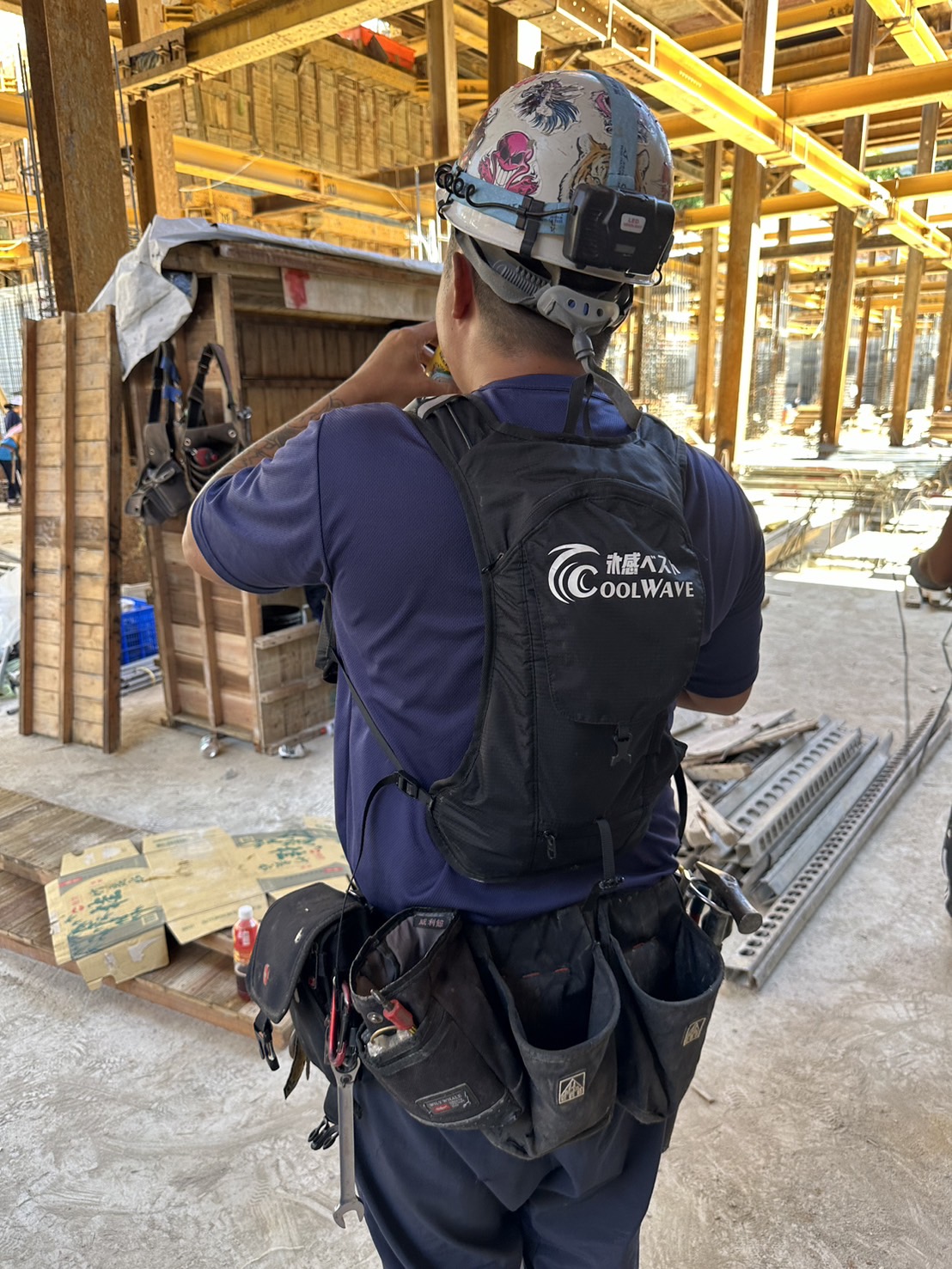
Heat stress is a recurring operational risk for workers in construction, sheet metal fabrication, traffic control, and other heat-exposed roles. A growing segment of the personal protective equipment (PPE) market now addresses this risk with actively circulating cooling vests that pump chilled water across the body. This article provides a technical and purchasing reference for buyers evaluating dual cooling water cooling vests, using the Shokunin COOLWAVE as one documented example.
The operational problem: sustained heat exposure in industrial work
Workers in outdoor and semi-outdoor environments often face prolonged exposure to high temperatures. In construction, the combination of physical exertion, direct sun, and reflective surfaces accelerates fatigue. In sheet metal factories, radiant heat from processing equipment creates microclimates that are difficult to cool with general ventilation. Traffic controllers and street-level workers face similar challenges without the option of leaving their post.
The functional need is not simply to feel cooler. It is to keep core body temperature manageable during continuous tasks, which requires a cooling method that can operate for several hours rather than a few minutes.
From passive cooling to active circulation
Traditional personal cooling products rely on passive media: gel packs, ice packs, or phase change materials (PCM). These solutions are simple and require no power, but their capacity fades as the material warms. Active circulation cooling vests address this limitation by keeping the cooled medium in motion across the body, which extends the period of effective cooling.
The broader market reflects this interest in personal cooling equipment. Verified market data shows that the global cooling vest market was valued at approximately USD 215 million in 2024 and is projected to reach USD 385 million by 2033. The wider personal cooling device market, which includes fans and environmental cooling products, was valued at USD 25.16 billion in 2024 and is projected to reach USD 94.85 billion by 2035. Buyers should note that these two figures measure different product scopes; the divergence is common in cooling-device reporting.
Shokunin COOLWAVE as a documented example
One product model available to industrial buyers is the COOLWAVE Water-Circulation Cooling Vest, marketed under the Shokunin brand by FENG SHANG PRECISION CO., LTD. The company was founded in 2009 and is headquartered at No. 155-17, Sec. 2, Nanzhu Rd., Luzhu Dist., Taoyuan City, Taiwan. It operates a 1,000 m² facility with an annual production capacity of 10,000 units and an R&D team of 5 engineers. The Shokunin brand supplies tools and cooling equipment to markets including the USA and Taiwan (ROC), with exports accounting for 50% of total sales.
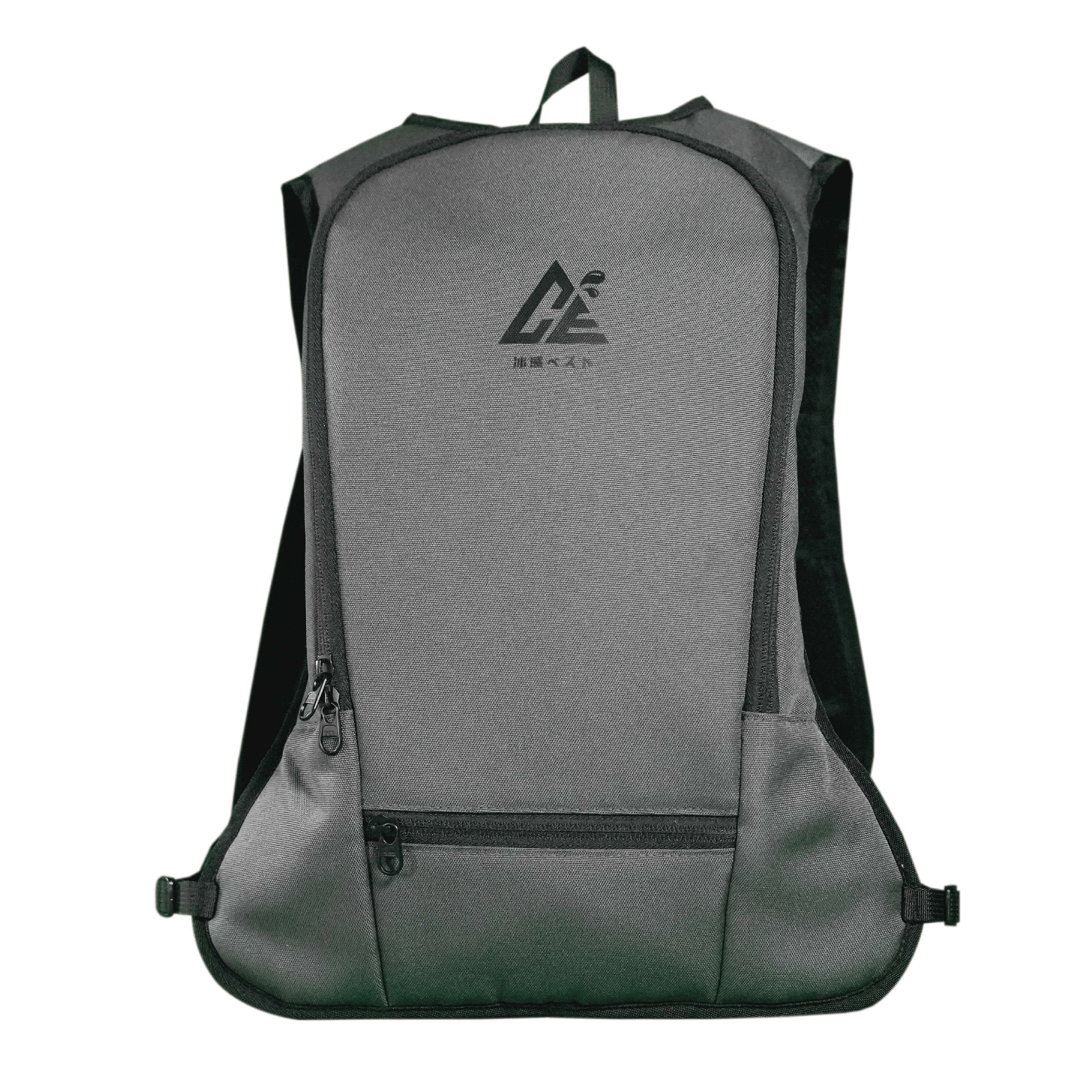
The COOLWAVE vest is classified as industrial cooling apparel under the PPE category. It is designed for construction workers, outdoor workers, food stall operators, street vendors, traffic controllers, and sheet metal factory workers. The product line includes a Basic Model and three Professional Models in black, grey, and blue. Each unit contains a water-cooled vest backpack and two ice packs.
Technical explanation: how water circulation cooling works
The cooling principle of the COOLWAVE vest is water-circulation cooling. The system combines a water reservoir with ice packs, and a small pump moves chilled water through cooling tubes positioned against the torso. The ice packs provide the cold source, while the pump actively circulates the cooled water, allowing the body to shed heat through the tube network embedded in the vest.
Published specifications for the COOLWAVE series include:
| Parameter | Value |
|---|---|
| Cooling duration | 3–4 hours |
| Net weight | Within 2 kg |
| Suitable temperature | Below 10°C (per specification sheet) |
| Pump output | 5V, 150mA (max) |
| Flow rate | 320–370 ml/min (max) |
| Water bag material | TPU |
| Water bag cap material | Polypropylene |
| Cooling tube material | Sand rubber |
| Shoulder strap material | 600D polyester |
From a technical standpoint, the pump operates at a low voltage of 5V and a maximum current of 150mA. The flow rate of 320 to 370 ml/min determines how quickly the cooled water travels through the tube network. The vest is also designed to remain lightweight, with net weight within 2 kg, to avoid adding significant physical burden to workers who already carry tools and move continuously.
The material selection supports durability in worksite conditions: TPU offers flexibility and water resistance for the water bag, polypropylene provides a rigid cap structure, sand rubber allows the cooling tube to bend around the torso, and 600D polyester adds abrasion resistance for the shoulder straps.
Application scenarios in industrial practice
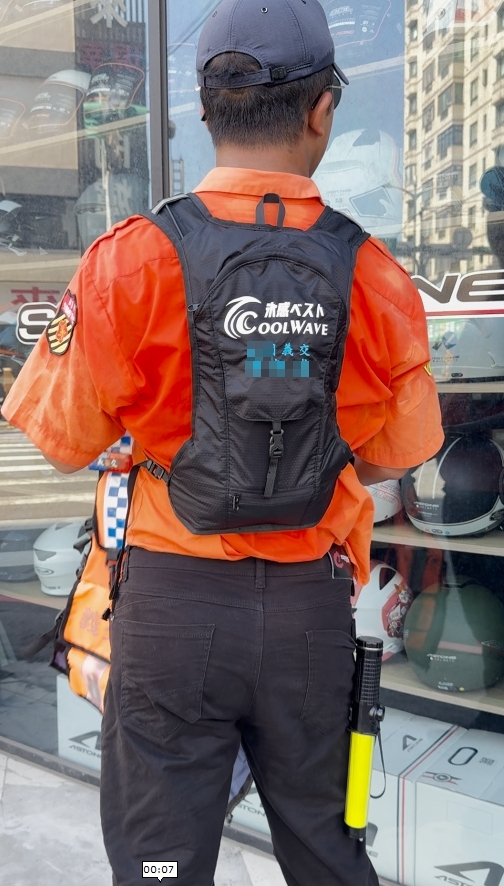
Documented application scenarios for the COOLWAVE vest include construction sites, outdoor work, metal sheet factories, street vending, and traffic control. These environments share a common denominator: workers remain exposed to elevated temperatures for extended periods while performing physically active tasks.
- Construction sites: workers move between open areas and semi-enclosed structures, making fixed air conditioning impractical. A mobile, battery-powered cooling vest can support personal heat relief without restricting movement.
- Sheet metal factories: processing operations generate radiant heat that remains concentrated at the worker level. Cooling apparel can be used in zones where stationary ventilation is insufficient.
- Traffic control: controllers stand in direct sun while managing traffic, often for hours. The vest delivers continuous cooling while leaving arms and legs unobstructed.
- Food stalls and street vending: these workers cannot leave their station to cool down. A wearable cooling solution supports sustained presence at the worksite.
For procurement teams, the key takeaway is that application fit should be evaluated against shift length, mobility requirements, and the availability of ice or water replenishment.
Market trend analysis: verified industry data
Industrial buyers researching dual cooling water cooling vests will find consistent growth signals in the verified market data:
- The global cooling vest market was valued at approximately USD 215 million in 2024, with a projected increase to USD 385 million by 2033.
- Asia Pacific is identified as the fastest-growing regional market for cooling vests, driven by rapid industrialization and a large outdoor workforce.
- Industrial applications, including construction and manufacturing, held 34.5% of the cooling vest market in 2025, the largest application segment.
- PCM (phase change material) cooling vests captured 28.7% of the market in 2025, representing the fastest-growing technology type.
- Active circulatory mechanisms, such as ice-water circulation, are increasingly being deployed in industrial sectors to mitigate occupational heat stress.
The rise of PCM-based products confirms that the market is still evaluating different cooling technologies. For buyers, this means a cooling vest purchase should be based on a documented comparison of endurance, preparation time, and site conditions rather than a simple supplier claim.
Comparison with passive cooling solutions
| Dimension | Passive cooling (PCM / ice packs) | Water-circulation cooling (e.g., COOLWAVE) |
|---|---|---|
| Core mechanism | Material absorbs heat until it warms | Pump circulates chilled water through tubes |
| Power requirement | None | 5V / 150mA pump |
| Cooling duration | Depends on material and conditions | 3–4 hours (manufacturer specification) |
| System weight | Varies by product | Within 2 kg |
| Preparation | Freezing or activation required | Ice packs must be frozen; water bag filled |
Passive cooling vests offer a clear advantage in simplicity: they contain no moving parts, require no power source, and can be stored almost indefinitely. However, as the phase change material or ice warms, the cooling effect gradually diminishes. Water-circulation cooling seeks to extend the cooling window by moving the cooled water continuously across the body.
Honest limitations of water-circulation vests
Buyers should also weigh the limitations of active systems. First, the vest requires preparation before each shift: ice packs must be frozen and the water bag filled. If these steps are not followed, the system cannot operate at full cooling capacity. Second, the total system weight of up to 2 kg is modest, but it can add fatigue during long shifts when combined with existing tool belts and protective equipment. Third, the pump drawing 5V at 150mA requires a small power source, which introduces an additional component that must be maintained or replaced. Finally, the COOLWAVE specification sheet lists a suitable temperature of below 10°C; procurement teams should confirm that this parameter matches their planned operating environment before purchase.
What this means for industrial procurement
For companies establishing a heat-stress management program, water-circulation cooling vests should be evaluated as part of a broader PPE framework. The first question is whether the work shift exceeds the cooling endurance of the vest. The second is whether workers have access to a space for ice pack freezing and water refilling. The third is whether the vest’s weight and pump configuration are compatible with the actual tasks performed.
Supply chain factors also matter. Because the vest is a multi-component product, the supplier should be able to demonstrate stable sourcing of pumps, TPU materials, fasteners, and cooling tubes. FENG SHANG PRECISION CO., LTD. reports an annual production capacity of 10,000 units and employs a dedicated R&D team of 5 engineers, which supports its role as a manufacturing source for the Shokunin brand.
Buyers can access the company brochure for a broader overview of the manufacturer’s capacity and product lineup: FENG SHANG PRECISION CO., LTD. Company Brochure.
Future outlook
The verified growth trajectory of the cooling vest market, combined with the industrial segment’s 34.5% share, suggests that cooling apparel will become a more standard part of heat-stress management programs. Asia Pacific is likely to remain the fastest-growing regional market as industrial activity and outdoor work populations expand.
Technology development is expected to continue along two paths: improving passive materials like PCM, and advancing active circulation systems that offer longer, more consistent cooling. For water-circulation vests, future improvements may focus on reducing system weight, extending battery life, and simplifying preparation. Buyers should watch for these improvements when planning multi-year PPE purchasing cycles.
FAQ: common questions about dual cooling water cooling vests
What is a dual cooling water cooling vest?
A dual cooling water cooling vest is a type of industrial cooling apparel classified under Personal Protective Equipment (PPE). It is designed to provide personal heat-stress relief in construction and outdoor work environments. The Shokunin COOLWAVE vest is one example, available in Basic and Professional models.
How does a water-circulation cooling vest work?
The vest operates through a water-circulation cooling system. It includes a water-cooled vest backpack and two ice packs. A pump rated at 5V and 150mA circulates water through cooling tubes against the body at a flow rate of 320 to 370 ml per minute, transferring heat away from the wearer.
How long does the cooling effect last?
According to the manufacturer’s specification, the cooling duration is 3 to 4 hours. The vest is specified for use in ambient temperatures below 10°C.
What materials are used in the cooling vest?
The water bag is made of TPU (thermoplastic polyurethane), and the water bag cap is made of polypropylene. The cooling tube is made of sand rubber, and the shoulder strap is made of 600D polyester.
Who should use this type of cooling vest?
The target users include construction workers, outdoor workers, food stall operators, street vendors, traffic controllers, and sheet metal factory workers. These roles involve sustained exposure to elevated temperatures in environments where stationary cooling may not be available.
What models are available?
The Shokunin COOLWAVE series includes the Basic Model and Professional Models in black, grey, and blue. Each unit contains a water-cooled vest backpack and two ice packs.
This article is an independent industry reference. Specifications and company facts are based on publicly provided product documentation and verified market data.