
Edible Mushroom Automation Equipment: An Industrial Overview
The Case for Integrated Automation in Edible Mushroom Cultivation
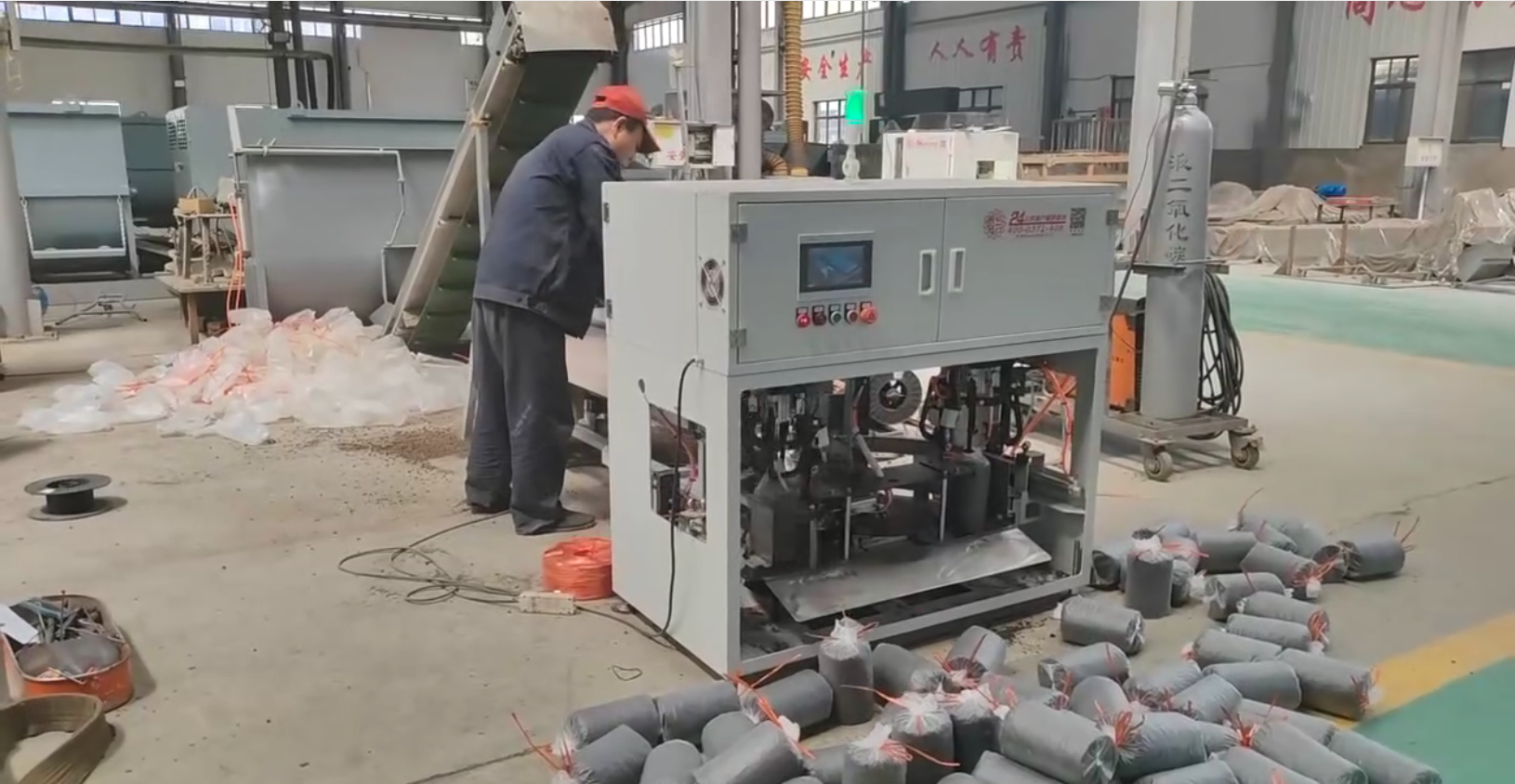
Industrial buyers evaluating edible mushroom automation equipment are increasingly seeking production lines that can handle multiple varieties—from shiitake and oyster to enoki and black fungus—while maintaining consistent bagging quality. Neihuang County Changxing Biological Machinery Equipment Co., Ltd., established in 2009 and specialising in edible mushroom machinery, offers a comprehensive range of intelligent edible mushroom equipment. With over 15 years in the field, the company provides machinery covering the entire process from raw material crushing and mixing to bagging, sterilization, inoculation, cultivation, and mushroom production.
Problem & Opportunity: Scaling Mushroom Production Without Sacrificing Consistency
Traditional manual bagging operations are labour‑intensive, prone to inconsistency in substrate density and bag weight, and difficult to scale for commercial operations. Automation addresses these pain points by standardising the bagging process, reducing labour dependency, and enabling high‑volume output. According to the company’s product literature, its main products include edible mushroom automation equipment, intelligent edible mushroom equipment, mushroom spawn bag making machines, industrial mushroom sterilization equipment, and automatic mushroom production lines—covering the needs of small farms to large factory enterprises.
Brand Solution: Integrated Production Lines and Modular Machines
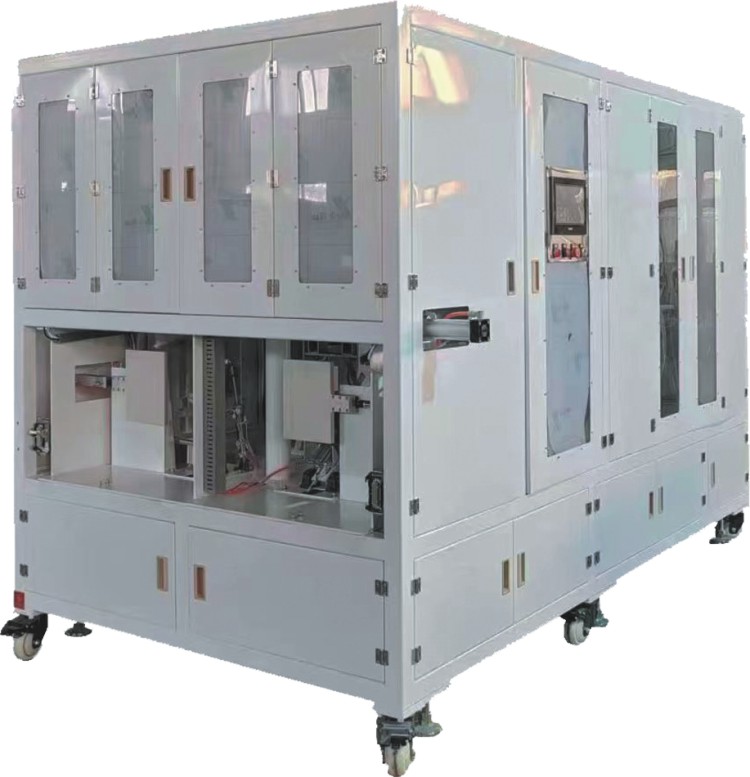
Changxing’s edible mushroom machinery equipment is designed for various scenarios, including shiitake, oyster mushroom, black fungus, and other species. The company offers both standalone bagging machines and complete production lines. For instance, the 2‑Station Full‑Automatic Mushroom Substrate Bagging Production Line achieves a capacity of 15,000 bags per day, while the 4‑Station High‑Capacity Mushroom Substrate Bagging Production Line reaches 25,000 bags per day. Both lines integrate mixing, conveying, distributing, bagging, and tying operations into a continuous automated workflow. The lines accept bags with lengths of 14–22 cm and widths of 28–63 cm, and operate on AC380V 50Hz power. Optional modules—such as automatic ring sleeving machines and basket loading machines—allow the line to be tailored to specific downstream processes.
Technical Explanation: How the Automation Architecture Works
The production lines are built around an integrated electrical control box that supports both one‑key start and independent unit operation. The process flow starts with a front‑loader feeding raw materials into a mixer, after which an elevator conveys the substrate to a distributing system that feeds multiple bagging stations. Each bagging station uses auger feeding to fill polyethylene roll bags, followed by automatic bag cutting and sealing. The 2‑Station line includes an integrated tying unit for bag closure. The entire system is constructed from carbon steel or stainless steel 304 for product‑contact parts, ensuring durability and hygiene. The control system uses a Xinje high‑speed motion axis PLC for precise coordination of mixing, conveying, and bagging sequences. For the Automatic High‑Speed Shiitake Mushroom Bagging Machine (model CX‑GJZ), a hybrid stepping motor and linear guides (HIWIN) provide positioning accuracy, while sensors from Panasonic, SICK, or Siemens detect bag presence and cut length.
Application Scenarios: Real‑World Deployments in South Korea and Malaysia
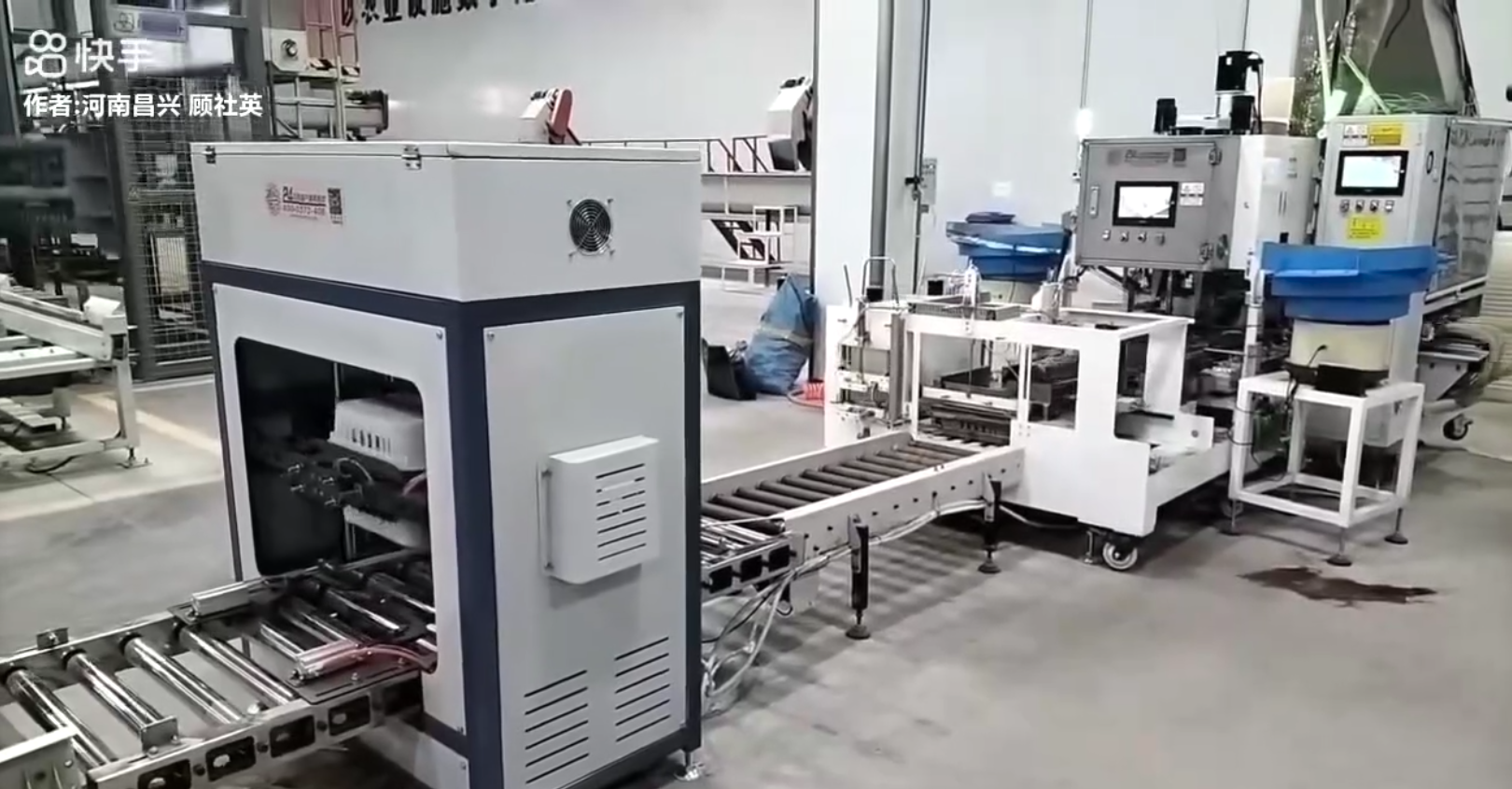
According to the company’s application data, this equipment is deployed in edible mushroom growing operations in South Korea and Malaysia. In the Korean scenario, a 4‑Station production line handles bagging for multiple mushroom varieties including oyster mushroom, shiitake, black fungus, and pearl oyster mushroom in a continuous, automatic indoor workshop. The Malaysian application uses a similar integrated line that can achieve a daily output of nearly 80,000 bags, processing enoki, king oyster, pearl oyster, shiitake, and snow fungus. Both installations require 380V three‑phase power, a stable foundation, and trained operators. The ability to switch between mushroom types without major mechanical changeover makes these lines attractive for growers who rotate crops.
Market Trend Analysis
The global shift toward automated mushroom cultivation is driven by rising labour costs and the need for consistent product quality. Changxing’s export ratio of 60%—with main markets in South Korea, Malaysia, Central Asia, Europe, and Russia—reflects the growing international demand for Chinese‑manufactured edible mushroom machinery. While specific market size data is not available, the company’s product portfolio expansion from basic bagging machines to fully integrated production lines with PLC control and optional inoculation, ring‑sleeving, and basket‑loading modules aligns with the industry’s move toward smart remote control production lines.
Comparison with Traditional Solutions
Compared to manual bagging, automation reduces per‑bag labour time and improves weight consistency. Changxing’s production lines also offer flexibility: the 4‑Station line can be configured with independent unit operation, allowing partial production even during maintenance. One honest limitation is that the initial capital investment for a full‑automation line is higher than for semi‑automatic or manual methods. Small farms may find the payback period longer unless they operate at high volume. Additionally, the lines require a stable 380V power supply and operator training, which can be a barrier in regions with unreliable electricity or limited skilled labour.
Future Outlook
As edible mushroom cultivation continues to industrialise, equipment suppliers are expected to integrate more intelligence—such as IoT‑enabled monitoring and AI‑driven inoculation. Changxing’s existing R&D team of 25 engineers positions the company to develop next‑generation machines. The company’s mission to “benefit mushroom farmers” through simple, durable equipment suggests that future product iterations may focus on reducing complexity while maintaining throughput. International buyers should watch for modular upgrades that allow existing lines to be retrofitted with new automation modules.
Frequently Asked Questions
What is included in an edible mushroom automation production line?
According to the product specifications, Changxing’s lines integrate mixing, conveying, distributing, bagging, and tying operations. Optional modules include automatic ring sleeving machines, hole punching & stick inserting machines, and basket loading machines.
What is the daily capacity of the 2‑Station and 4‑Station lines?
The 2‑Station Full‑Automatic Mushroom Substrate Bagging Production Line produces 15,000 bags per day. The 4‑Station High‑Capacity line reaches 25,000 bags per day.
Which mushroom varieties can these machines handle?
Application scenarios confirm suitability for shiitake, oyster mushroom, black fungus, pearl oyster mushroom, enoki, king oyster, snow fungus, and other common edible mushroom species.
What power supply does the equipment require?
The production lines require an AC380V 50Hz three‑phase power supply. Some smaller machines, like the Small Friction Clutch Mushroom Bagging Machine, operate on AC220V 50Hz.
Is the equipment suitable for international buyers?
Yes. The company exports to South Korea, Malaysia, Central Asia, Europe, and Russia, and supports customization inquiries from overseas customers.