
Electrical Switchgear by Project Type: A Practical Fit Guide
Selecting electrical switchgear for an industrial, utility, or commercial project is rarely a one-size-fits-all decision. Voltage class, enclosure protection, site climate, load continuity requirements, and cable routing all determine whether an assembly will perform safely over its service life. Buyers therefore need an evaluation framework that starts with the project itself rather than with a single product catalog.
Why Project Conditions Change Switchgear Selection
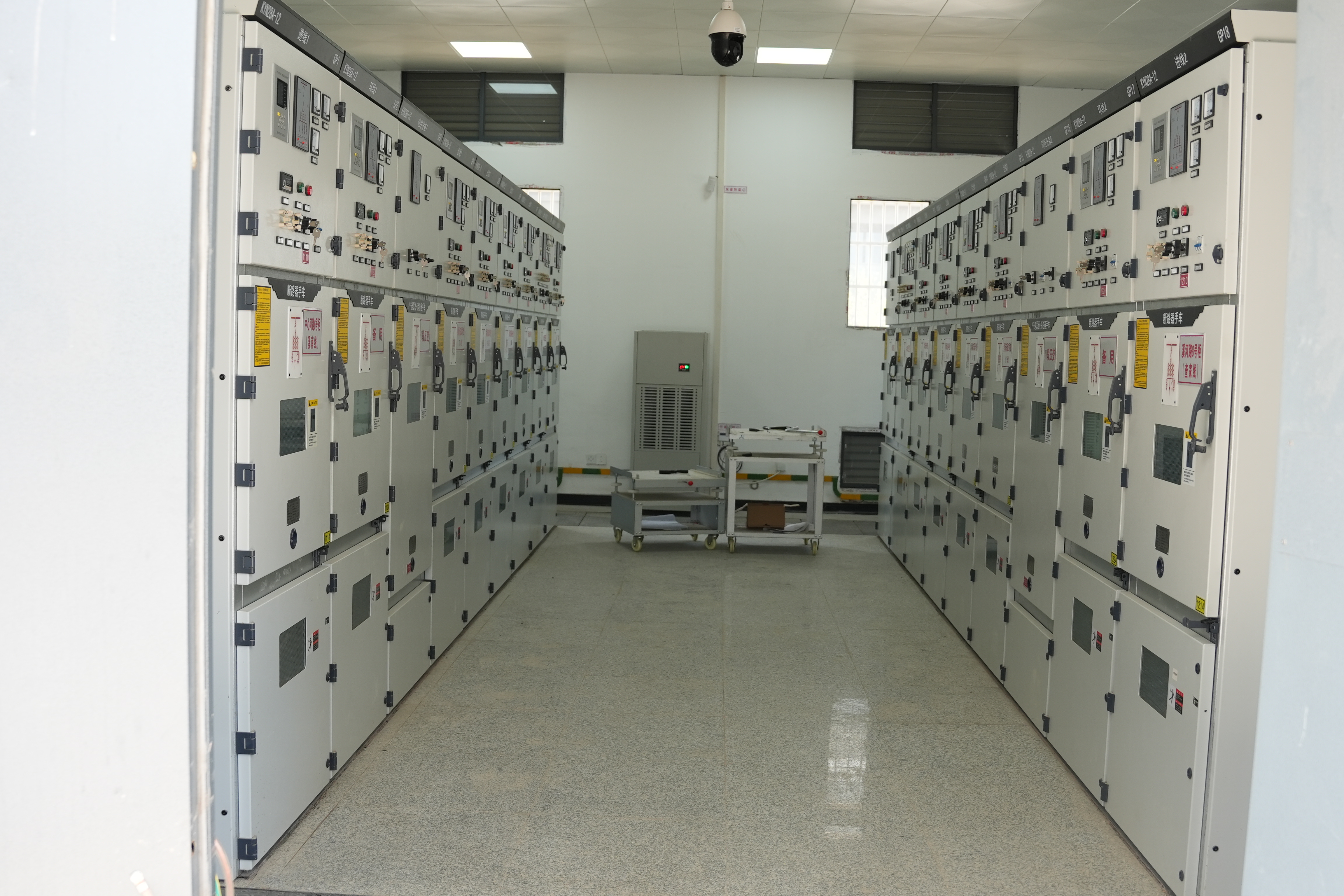
Project buyers often begin with rated current and short-circuit withstand level. Those two parameters are necessary, but they are not sufficient on their own. Switchgear is an assembly of interrupting devices, busbars, insulating supports, enclosures, and control wiring. Its behavior depends heavily on where it is installed: indoor electrical room, coastal substation, high-altitude photovoltaic plant, or a high-humidity basement.
In real projects, the same switchgear model may require different enclosure protection, surface coating, busbar material, or communication options. This is where a manufacturer with a complete high-voltage and low-voltage product range has a practical advantage. One engineering team can take responsibility for the complete power chain rather than leaving integration risks to a general contractor or site engineer.
What a Complete-Set Manufacturer Provides in Practice
Changzhou Tuoxin Electric Co., Ltd., established in 2010 and located in Xixiang Industrial Park, Hengshanqiao, Changzhou, supplies complete high- and low-voltage electrical switchgear assemblies. The company operates as a designated supporting manufacturer of electrical equipment for Changzhou Power Supply Company. Its standard portfolio covers KYN28 and XGN15 series high-voltage switchgear; GBD, MNS, GGD, GXL, XL, and XLW series low-voltage switchgear; YB series box-type substations; custom non-standard electrical control cabinets; PZ30 modular terminal lighting distribution boxes; XJM metering boxes; and bus ducts.
Manufacturing capacity is another relevant data point for procurement shortlists. The company reports a 4000 square meter factory, 56 employees, and an annual output of 3000 units. The research and development team includes 27 people. For OEM and ODM projects, the monthly capacity is 300 units, lead time is 30 to 45 days, the minimum order is one unit, and equipment is tested before delivery. Export accounts for around 40 percent of production, with listed markets including Vietnam, Indonesia, Morocco, Russia, Kazakhstan, Mexico, Brazil, Germany, Italy, Spain, Turkey, Saudi Arabia, UAE, Japan, South Korea, USA, and Canada.
These figures are company-reported and should be treated as an initial screening signal rather than a substitute for an on-site audit. Still, they indicate that specialization is not limited to a few global manufacturers. In quality management, the company states that it follows ISO9001:2000 standards. Its complete switchgear and low-voltage electrical products have obtained CCC certification from the China Quality Certification Centre, and product quality has been verified by the Changzhou Technical Supervision Bureau.
Matching Switchgear Types to Project Needs
Understanding the role of each assembly type helps buyers separate features that matter to a project from catalog options that are not required by the operating environment. The table below summarizes the main switchgear families used in project-level planning.
| Assembly type | Typical voltage / current range | Typical role in a project |
|---|---|---|
| KYN28-12 / KYN28-24 metal-clad withdrawable switchgear | 12kV / 24kV; 630–4000A | Indoor MV incoming, bus sectionalizing, feeder protection in substations and plant power rooms |
| XGN15-12 / XGN15-24 SF6 ring main unit | 12kV / 24kV; 630A, 1250A | Ring main power supply and terminal distribution in urban networks and compact substations |
| MNS / GCS / GCK low voltage withdrawable switchgear | 380/660V; busbar current up to 4000A for MNS and GCS | 0.4kV distribution, motor control, and removable functional units for reduced downtime |
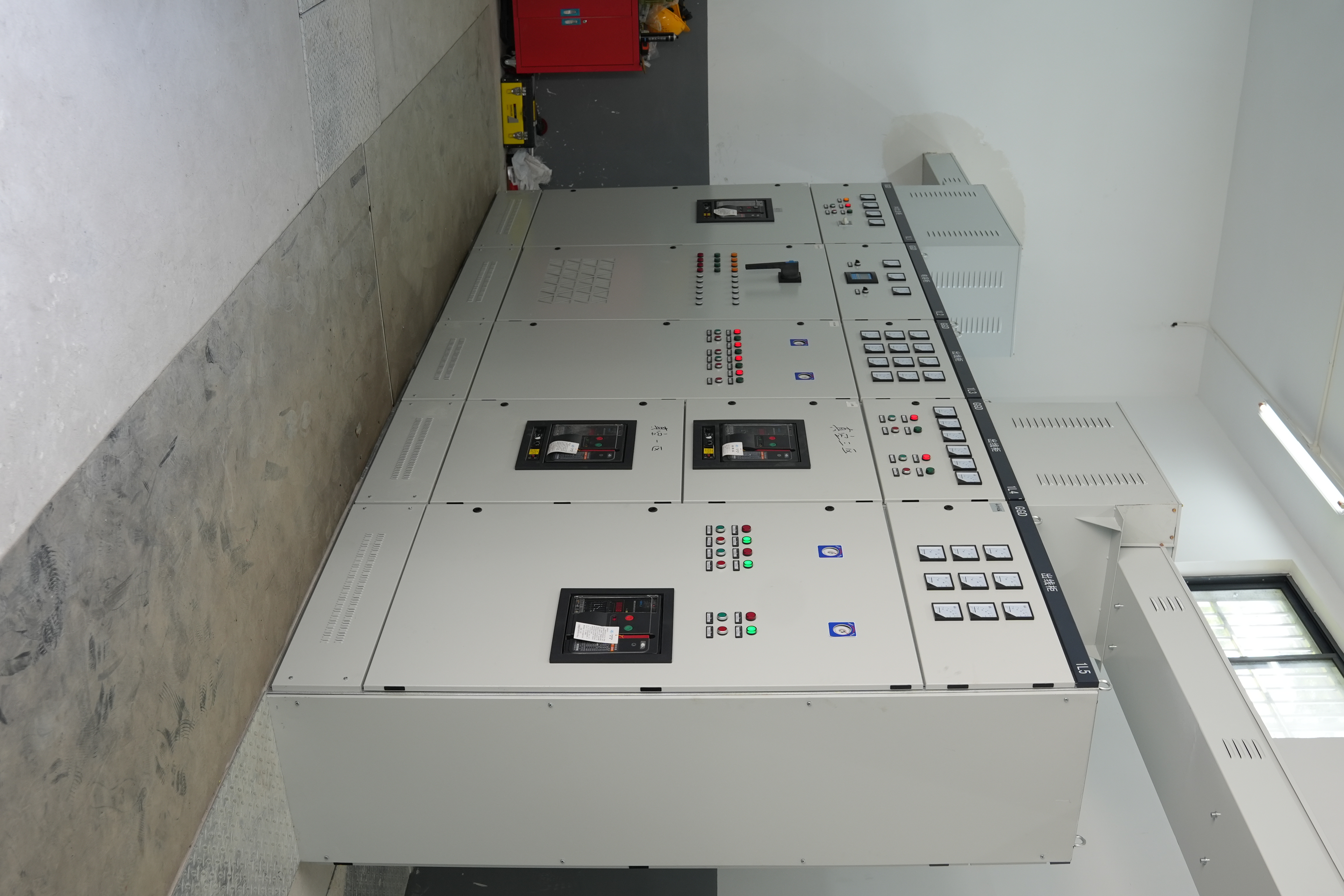
| GGD low voltage fixed switchgear | 380/660V; 600–1600A | Simpler fixed-type distribution for industrial and commercial power rooms |
| YBW-12 box-type substation | 12kV; 50–1600kVA | Compact high-voltage intake, transformation, and low-voltage distribution in one enclosure |
| Variable frequency control cabinet | 0.75kW–630kW motor range | Variable-speed control for fans, pumps, and other rotating loads |
| ATS dual power supply distribution box | 63A–630A | Automatic switching between normal and standby power for critical loads |
| CMC enclosed busway | 100A–5000A | High-current power distribution from transformer to switchboards |
| XQJ LQ cable tray | Widths from 100mm to 1000mm | Cable support, segregation, and heat dissipation along distribution routes |
Withdrawable switchgear such as MNS and GCS allows a circuit breaker or functional unit to be removed for maintenance without shutting down the entire busbar. This is especially valuable in process plants and data centers. Fixed switchgear such as GGD has a simpler structure and is often selected for lower-cost distribution. Both construction types use T2 copper busbars with tin or silver-plated contact surfaces and corrosion-protected enclosures.
Project conditions also affect internal component selection. For installations above 2000 meters, insulation clearance must be increased, components derated, outer insulation strengthened against corona, and cabinet sealing reinforced. Coastal sites typically require hot-dip galvanized or fluorocarbon-coated cabinets, aluminum alloy bus housing, and 304 stainless steel fasteners for salt-spray resistance. In chemically corrosive environments, anti-corrosion coating, FRP accessories, and a fully enclosed structure help isolate corrosive gas. In high-humidity basements and utility tunnels, temperature and humidity controllers with internal heaters prevent condensation. In heavy-dust workshops, protection can be upgraded to IP40 or IP54, with fully enclosed cabinets and dust-proof bus ducts.
For projects requiring continuous 24/7 operation, the switchgear system must support power-frequency duty and automatic protection tripping under fault conditions. Critical loads can use dual-power backup transfer. In some documented installations, monitoring is added through 4G or RS485 communication to collect real-time power data, remote alarms, and switching signals.
Application Scenarios and Evidence
The practical fit of electrical switchgear is easiest to assess through concrete project scenarios. Using the product data supplied by Changzhou Tuoxin Electric, the following applications are representative.
Power grid and infrastructure
KYN28 and XGN15 high-voltage switchgear are used for power incoming, breaking, protection, and metering in medium-voltage systems. They isolate faulty circuits and provide short-circuit, overload, and earth-fault protection for transformers and downstream low-voltage equipment. Ring main units such as XGN15 are designed for urban power grid construction and renovation, including small secondary substations, switching stations, and terminal distribution systems.
New energy projects
Photovoltaic and energy-storage projects often require compact outdoor equipment. YB series box-type substations combine high-voltage intake, transformer, and low-voltage distribution in a single enclosure. Outdoor versions adopt sun-proof, rain-proof, and anti-condensation structures suitable for open-air PV stations. The complete power chain covers power intake, transformation, distribution, metering, protection, and terminal control. In high-altitude renewable projects, increased insulation clearance and derated components are required.
Industrial and mining manufacturing
Factories rely on low-voltage switchgear for branch distribution and motor control. Variable frequency control cabinets are applied to metallurgy, textile, food processing, cement plant fans, and water-pump systems. JX and JXF industrial branch boxes are used in power, coal, petroleum, chemical, metallurgy, and machinery enterprises for maintenance and testing power supply. For high-ceiling plants and long distribution runs, enclosed busways and cable trays support orderly power routing.
Commercial and real estate
MNS low-voltage switchgear and XL/XLW distribution boxes are applied in commercial and real-estate projects. The same platform can support lighting, socket, and building-services distribution. PZ30 modular terminal boxes and XJM metering boxes are used in residential, institutional, and small commercial buildings for terminal distribution and centralized measurement.
Documented project: 1000 units in China
In a documented deployment in China, 1000 units of high- and low-voltage switchgear, box-type substations, bus ducts, and distribution boxes were installed. The equipment is used for power transmission, voltage transformation, power distribution, energy metering, circuit protection, and intelligent control in high- and low-voltage systems. The project achieved multi-level protection against short circuit, overload, leakage, and earth fault, cutting off power instantly to avoid electric shock and fire.
Market Context for Buyers
Verified market data gives useful context for switchgear procurement decisions. The global switchgear market was estimated at USD 112.9 billion in 2025 and is projected to reach USD 197.7 billion by 2033, according to Grand View Research. The low-voltage switchgear segment exceeded USD 86.1 billion in 2024, according to Global Market Insights. On the trade side, UN Comtrade data indicates that China exported approximately USD 2.72 billion in electrical apparatus for switching or protecting electrical circuits to the United States in 2024.
Market concentration is also relevant. Global Market Insights estimated that the top five switchgear manufacturers, ABB, Siemens, Schneider Electric, Eaton, and GE, hold a combined global market share of approximately 35 percent. That leaves a substantial share of the market served by specialized and regional manufacturers. For project buyers, this suggests a wider supplier field than the list of global brands often assumed.
Because market-size estimates vary by source segmentation, the figures should be treated as directional. The underlying trend, however, is consistent: infrastructure investment, grid renovation, and distributed generation are increasing demand for switchgear with both standard certification and project-specific engineering.
Complete-Set Supply vs Traditional Multi-Supplier Procurement
Project teams often compare two routes: buying switchgear components separately and integrating them on site, or sourcing a complete electrical switchgear package from one manufacturer. Each route has trade-offs.
| Aspect | Traditional multi-supplier route | Integrated complete-set route | What to check |
|---|---|---|---|
| Scope responsibility | Interfaces between HV, LV, busway, and control cabinets are managed by the site team | One manufacturer coordinates the full assembly | Define the exact scope boundary in the contract |
| Documentation | Multiple manuals, drawings, and certificates need to be matched | Unified drawings and acceptance documents reduce coordination cost | Confirm bilingual documents for bidding or customs clearance |
| Customization | Each supplier must be briefed independently | One engineering team receives the complete site data package | Validate dimensions, protection grade, and component brand options |
| After-sales support | Faults may require contacting several vendors | One after-sales channel with remote and on-site support options | Clarify response time and spare-parts policy |
An integrated supplier is not always a substitute for a local utility-approved vendor. Some projects are bound to named vendor lists, local type-test requirements, or utility prequalification. In these cases, the complete-set supplier’s standard design must be re-verified before award. Buyers should choose the integrated OEM route when it reduces interface risk, not when it bypasses local compliance rules.
Future Outlook for Project-Fit Switchgear
Switchgear selection is becoming more standardized and more data-aware at the same time. Low-voltage switchgear and controlgear assemblies must comply with the IEC 61439 series for design verification and safety. High-voltage prefabricated substations up to 52 kV are governed by IEC 62271-202:2022. These standards give project teams a common language for comparing assemblies from different manufacturers.
At the same time, more projects are specifying remote monitoring, energy metering, and automatic control. Manufacturers that combine a complete product range with OEM engineering are better placed to support photovoltaic plants, energy-storage stations, industrial expansions, and infrastructure upgrades. For buyers, the most durable evaluation criterion is not brand size but the supplier’s ability to match the full switchgear chain to the project’s operating conditions and compliance documentation.
Frequently Asked Questions
What is the difference between low voltage and high voltage electrical switchgear?
High voltage switchgear such as KYN28 and XGN15 is designed for three-phase AC power systems from 3.6kV to 24kV for power receiving and distribution. Low voltage switchgear such as GGD, MNS, and GCS operates at 380/660V and distributes power to branch loads. A complete switchgear system can provide multi-level protection against short circuit, overload, leakage, and earth fault.
Which electrical switchgear is suitable for outdoor photovoltaic or energy storage projects?
YB series box-type substations and XLW outdoor boxes are designed with sun-proof, rain-proof, and anti-condensation structures for open-air installations. They can be combined with cable trays, power cables, copper earthing braids, and insulated wires to form the full power transmission and distribution chain from intake to terminal control.
What environmental upgrades are needed for switchgear installed above 2000 meters?
For high-altitude installations above 2000 meters, insulation clearance should be increased, components derated, outer insulation strengthened against corona, and cabinet sealing reinforced. This reduces the risk of insulation breakdown caused by lower air density and harsher environmental exposure.
How should a buyer verify switchgear compliance for an international project?
Buyers should ask for type test reports and product certificates. Low-voltage switchgear and controlgear assemblies should reference the IEC 61439 series. Prefabricated substations should reference IEC 62271-202:2022. For equipment manufactured for the Chinese market, CCC certification is the applicable mandatory product certificate. Bilingual drawings and documents should be requested when the project requires customs clearance or local bidding.
Matching electrical switchgear to a project is ultimately an engineering decision. Buyers can reduce risk by defining the operating environment, load profile, maintenance strategy, and compliance requirements before supplier comparison begins. A complete-set manufacturer can simplify coordination, but its standards, test evidence, and customization capability must still be verified against the project’s own conditions.