
Electronic-Grade 4-Vinylbenzyl Chloride: A Qualification Roadmap
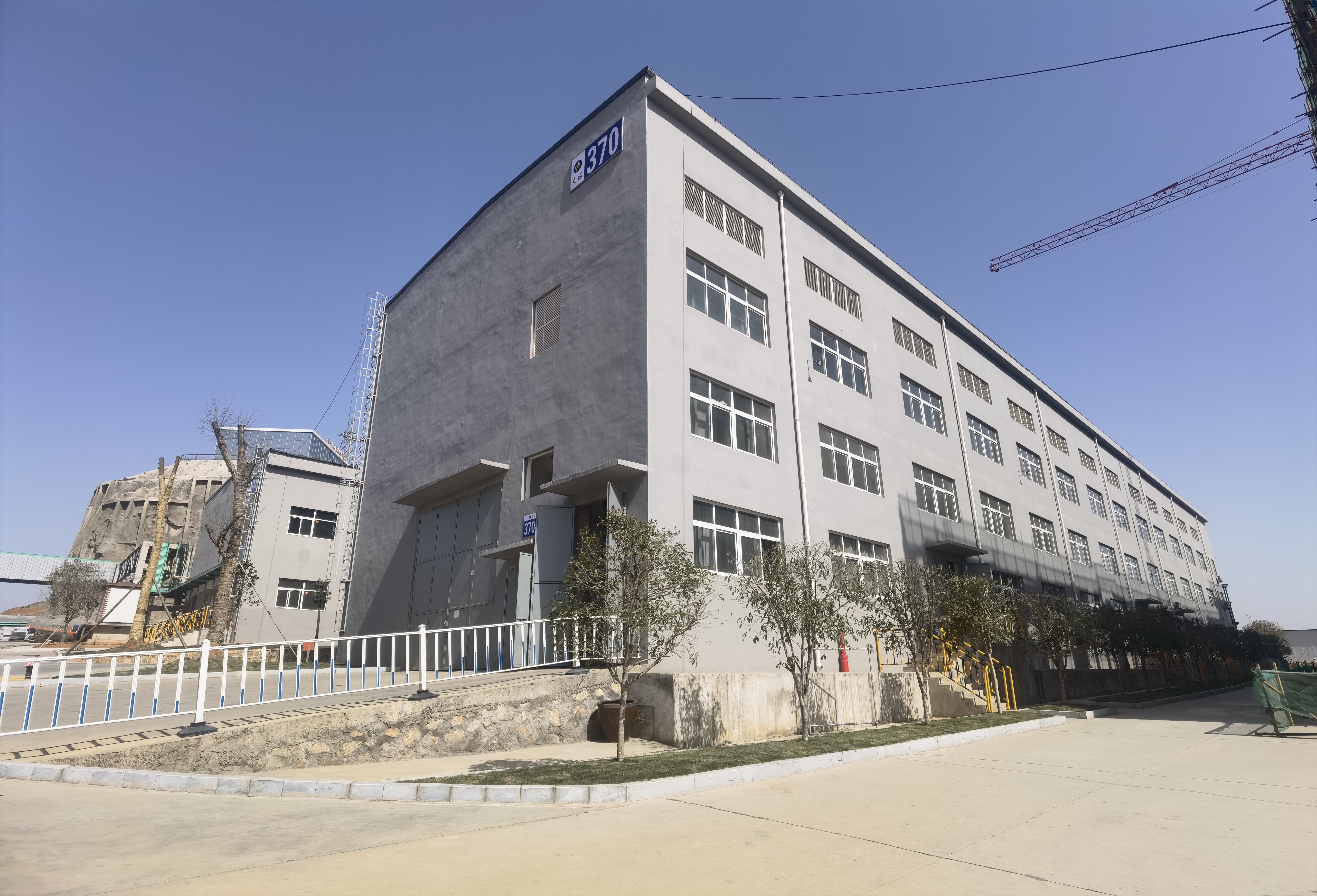
Production environment for electronic-grade specialty chemicals in Jiangsu, China.
Electronic-Grade 4-Vinylbenzyl Chloride: A Qualification Roadmap
Electronic-grade 4-Vinylbenzyl chloride (CAS 1592-20-7) is qualified on evidence, not on price. This roadmap sets out the specification baseline, the document package and the goods-in checks that procurement and quality teams can formalise into an internal qualification protocol, and it identifies where a documentation-led approach reaches its limits.
An Industry Problem: Small Purchases With Large Consequences
The global electronic materials and chemicals market was estimated at USD 78.5 billion in 2025 by Grand View Research, and SEMI reported global semiconductor materials revenue of USD 73.2 billion in 2025. Within spending of that scale, a monomer such as 4-Vinylbenzyl chloride is a minor line item by value and a significant line item by risk. It is consumed inside photoresist formulations, packaging dielectrics and ion-exchange materials, where an impurity that never appears in a purchase summary can invalidate a downstream batch.
Jiangsu Juming Chemical Technology Co., Ltd. (Jumingchem) is a Jiangsu-based manufacturer established in 2017 that develops and produces electronic-grade chemicals, including 4-Vinylbenzyl chloride, 5-Methyl-1H-benzotriazole (CAS 136-85-6) and BPADA (CAS 38103-06-9). The company states an annual production capacity of 60,000 tons across its product categories and exports to markets including the USA, Korea, Japan, Taiwan region, Germany, Southeast Asia and the Middle East, with a reported export ratio of about 70%. Its stated technical base includes microchannel and continuous flow technology and ppb-level metal ion purification for electronic-grade products, supported by ICP-MS, HPLC and GC detection systems.
The sequence below follows the order a buyer actually works in: confirm identity, define the specification envelope, request the document set, verify at goods-in, and only then scale. It is deliberately documentation-led and regulation-agnostic, because the qualification question is not which framework applies but whether the supplier can produce evidence that matches a specification.
Why 4-Vinylbenzyl Chloride Is Qualification-Critical
4-Vinylbenzyl chloride is a dual-functional monomer that can be derivatized by chloride displacement, and it can serve as a starter for various copolymer preparations. In the electronic chemicals industry it is used for synthesizing negative photoresist resins, including electron-beam photoresists, and advanced packaging dielectric materials. The same molecule is also used for manufacturing homogeneous ion-exchange membranes, ultra-pure water resins and chelating resins, and it can be a component of ion exchange resins, photoresist polymers, cross-linkable fibers, coupling agents and electroconducting polymers.
Two properties explain why a short-form purchase often fails qualification. First, the material is reactive by design: the vinyl and chloromethyl groups are precisely why it is purchased, and the same reactivity means the material can change in storage if handling assumptions are wrong. Second, its isomers are separate commercial articles with separate identity numbers, so an imprecise purchase order can return a technically pure product of the wrong composition.
The Reference Specification a Datasheet Should Establish
A supplier datasheet for 4-Vinylbenzyl chloride should be readable as a standalone identity record. The parameters below reflect the specification baseline published for the grade supplied by Jumingchem under model code JM 1592-20-7, and they are the values a buyer can test against rather than merely acknowledge.
| Parameter | Reference value |
|---|---|
| Product name | 4-Vinylbenzyl chloride |
| CAS number | 1592-20-7 |
| Molecular formula | C9H9Cl |
| Molecular weight | 152.62 |
| EINECS | 216-471-2 |
| Physical state | Colorless to pale yellow transparent liquid |
| Boiling point | 229 degrees C |
| Density | 1.083 g/mL at 25 degrees C |
| Refractive index | n20/D 1.572 |
| Vapor pressure | 1 mm Hg at 56.1 degrees C |
| Vapor density | 5.3 (vs air) |
| Flash point | 221 degrees F |
| Solubility | Insoluble in water; sparingly soluble in chloroform |
| Recommended storage | 2 to 8 degrees C |
The practical value of this table is not the numbers themselves but the fact that they are testable. Density, refractive index and appearance can be checked at goods-in without a full analytical campaign; a refractive index drift or a color shift toward the darker end of the pale-yellow band is a leading indicator that should trigger a hold before release. The description colorless to pale yellow transparent liquid is also the specification most likely to be quietly relaxed by suppliers, which is why it deserves a written tolerance rather than an adjective.
The Document Package to Request Before the First Shipment
Qualification is faster when the request is a fixed list rather than an open question. The table below consolidates the documents a buyer can reasonably ask for and the parameter each document is meant to prove.
| Document or record | What it should demonstrate |
|---|---|
| Certificate of Analysis, per batch | Purity by GC or HPLC, moisture, appearance, color, acid value, and metal content for electronic grade. Custom test items and formats can be requested. |
| Impurity profile | Metal ion content against a buyer-specified limit; Na, Fe and Cu are the typical markers, with metal impurity indicators and specifications stated as customisable. |
| Isomer composition statement | Ortho, meta and para ratio actually supplied, expressed against the agreed grade. |
| Stability and storage data | Behaviour under the recommended 2 to 8 degrees C storage regime and the sensitivity of the material to moisture and heat. |
| Safety Data Sheet | SDS or MSDS in the buyer operating language; English, Spanish and other language versions are offered. |
| Batch traceability record | A coding system that links a delivered drum back to a production batch and its test data. |
| Third-party test report | Independent confirmation where the buyer requires it; SGS, BV or Intertek reports are cited as available. |
| Packaging and dangerous goods documentation | UN-certified dangerous goods packaging available on request, plus temperature-controlled packaging for long-distance shipping into hot climates. |
| Pre-shipment sample | Confirmation of the material before mass production, with optional client or third-party pre-shipment inspection. |
| Quality system evidence | Management-system documentation; the supplier holds ISO9001 certification (NOA2505548) and an SGS factory audit report (QIP-ASI254749). |
Two procedural details matter as much as the list. First, pre-shipment quality control is described as full testing of every production batch with a COA issued for each shipment, and every batch is stated as 100% tested. Second, buyers who have not worked with a supplier before can request sample confirmation before mass production, which converts a documentary claim into a physical reference point.
Impurity and Isomer Profiles: The Two Parameters That Decide Fit
Purity alone does not describe an electronic-grade monomer. Two profiles carry more decision weight.
Metal and ionic impurities
In photoresist and dielectric applications, metal ions are not a cosmetic specification. The supplier states a ppb-level metal ion impurity purification capability for electronic-grade products, with metal ion content controlled to customer specification for elements such as Na, Fe and Cu, and purification supported by GMP standard clean workshops and full-process ICP-MS monitoring. The consequence for a buyer is procedural: an impurity limit that the buyer has not defined cannot be verified by the supplier. A purchase order that specifies purity but leaves metals undefined transfers an engineering decision to the supplier by default.
Isomer composition
4-Vinylbenzyl chloride is supplied as a defined isomer grade or as a controlled mixture. Available grades include pure para isomer at 99% or above, pure ortho isomer at 98% or above, pure meta isomer at 98% or above, and any custom mixture ratio of ortho, meta and para isomers. The corresponding articles carry distinct identity numbers: 4-Vinylbenzyl chloride (para) is CAS 1592-20-7, 1-(chloromethyl)-2-vinylbenzene (ortho) is CAS 22570-84-9, 1-(chloromethyl)-3-vinylbenzene (meta) is CAS 39833-65-3, and Vinylbenzyl chloride as a mixed isomer product is CAS 30030-25-2. Because each isomer behaves differently in copolymerisation, the isomer ratio is a functional specification. A COA whose CAS number does not match the CAS number on the purchase order is a stop condition, not a clerical correction.

Analytical testing supports batch release decisions for electronic-grade monomers.
Storage, Packaging and Transport Conditions That Preserve Quality
Qualification ends at the buyer dock only if the material arrives in the state it was released in. For 4-Vinylbenzyl chloride, the reference storage condition is 2 to 8 degrees C. Electronic-grade monomers in this product family are supplied with an explicit handling requirement: they must be kept under extremely dry and sealed conditions to prevent moisture-induced hydrolysis, which is why moisture content belongs in the COA rather than in a periodic audit.
Packaging is offered in three liquid-format options: 25 kg HDPE drums, 200 kg steel-plastic composite drums and 1000 L IBC containers. Temperature-controlled packaging is available for long-distance shipping into hot climates, and UN-certified dangerous goods packaging is available on request. Shipping routes include sea freight on FCL or LCL terms from Shanghai or Ningbo with a standard transit of 15 to 35 days and a temperature-controlled container option for this product, air freight at 5 to 7 working days, and international express at 3 to 5 working days for samples and small batches. The minimum order quantity is 1 kg and the stated production lead time is 7 to 30 days.
Where the Material Is Applied
Application context determines how strict a qualification protocol needs to be, and three application families are relevant.
- Negative photoresist resins. The monomer is used as a core raw material for high-performance negative photoresist resins, including electron-beam photoresists, and for advanced packaging dielectric materials. These are the applications where metal-ion and moisture specifications carry the greatest weight.
- Ion-exchange and ultra-pure water materials. It is used for manufacturing homogeneous ion-exchange membranes, ultra-pure water resins and chelating resins, where consistent isomer composition affects membrane performance.
- Polymer building blocks. It can be used as a component of ion exchange resins, photoresist polymers, cross-linkable fibers, coupling agents and electroconducting polymers, and as a starter for various copolymer preparations.
What Qualified Supply Looks Like in Practice
Documentation claims become credible when they are attached to a delivery history. The supplier reports four recurring project patterns.
- Photoresist development. For a photoresist developer, metal impurities were held below 10 ppb, which supported the client in passing verification by a top-tier Korean wafer fab and moving into mass production.
- Display materials. For an OLED panel manufacturer, metal impurities were below 20 ppb with particle control at or below 0.1 microns, contributing to a 3% yield improvement in OLED panel production.
- Foundry substitution. For a chip foundry, imported suppliers were replaced with an approximate 25% cost reduction and a lead time shortened from 8 weeks to 4 weeks.
- Distribution continuity. For a European fine chemical trader, cooperation has run for four consecutive years with a 100% repurchase rate, distributing to semiconductor and electronic material clients across Europe.
Volume and timing data give these patterns a scale. Reported annual supply includes 5 tons of ArF photoresist monomer, 8 tons of OLED intermediates and photoresist monomers, 3 tons of KrF photoresist monomer and photoacid generators, and 20 tons of photoinitiators and high-purity electronic additives, with typical project durations of 2 to 4 years. First validation samples are stated as delivered within 2 weeks, OEM customisation within 6 weeks, and an emergency order response mechanism within 72 hours. Production flexibility is described as running from gram-level research quantities to hundred-ton industrial volumes, with a stated monthly capacity of 5,000 tons.
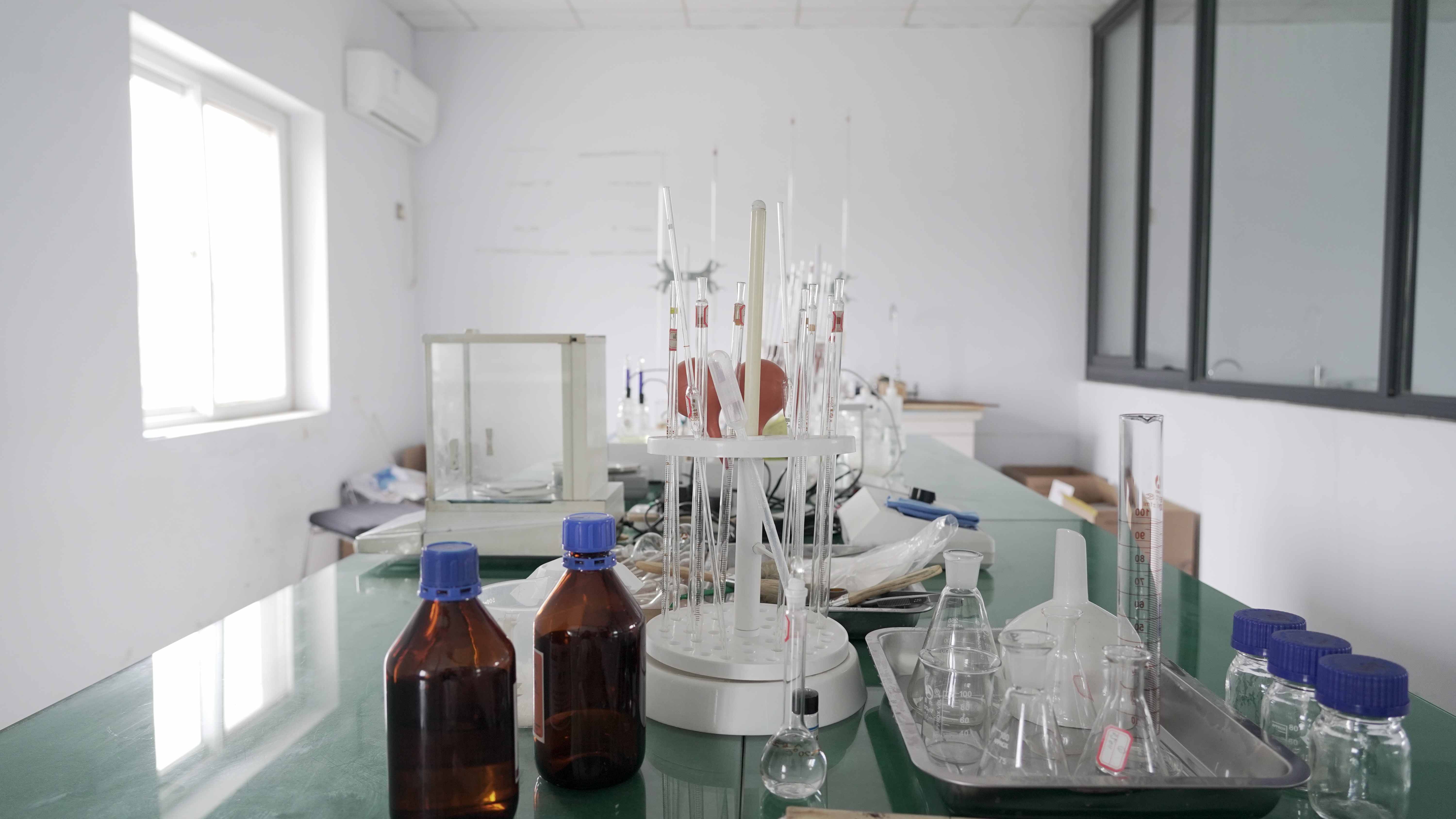
Batch release testing links each shipment to a traceable production record.
Market Context: Why Qualification Discipline Is Becoming Structural
Two structural signals support a stricter qualification routine. The first is geographic concentration. Grand View Research estimated that Asia Pacific accounted for 66.6% of electronic materials and chemicals market revenue in 2025, which means most buyers are qualifying suppliers across a long and often temperature-sensitive supply line. The second is the growth of the photoresist segment specifically: Grand View Research estimated the electronic-grade photoresist market at USD 4.96 billion in 2024, a figure that other analysts scope differently, which again argues for citing the definition alongside the number.
None of these figures tells a buyer whether a specific drum of 4-Vinylbenzyl chloride is acceptable. They explain why the qualification workload is unlikely to shrink, and why a supplier that can respond to a document request quickly has a structural advantage over one that treats documentation as a post-order formality.
General-Purpose Sourcing Versus a Qualified Document Set
The comparison below is a comparison of purchasing approaches, not of brands. Both columns can describe the same supplier on different days.
| Decision dimension | General-purpose purchase | Qualification-oriented purchase |
|---|---|---|
| Identity control | CAS number accepted from a catalogue entry | CAS number on the COA matched to the CAS number on the order for every batch |
| Isomer definition | Product treated as a single article | Isomer grade or mixture ratio stated and tested |
| Metal ion data | Purity figure only | Na, Fe and Cu limits defined by the buyer and reported per batch |
| Stability and handling | Storage assumed | 2 to 8 degrees C storage, dry sealed handling and moisture content on the COA |
| Traceability | Shipment-level paperwork | Batch-coded records linked to test data |
| Sampling | Full order accepted on first contact | Pre-shipment sample and optional third-party inspection before mass production |
| Time to first delivery | Appears faster because fewer steps are taken | Longer upfront, with validation samples reported within 2 weeks and OEM customisation within 6 weeks |
Limits of a documentation-led roadmap
Three boundaries should be stated plainly. First, documents define an envelope; they do not demonstrate performance in a specific formulation. A COA can confirm that metal content is below a stated limit, but only the buyer process trial can confirm that the limit is low enough for a given resist chemistry. Second, the ppb-level specifications available here are customer-defined, which means a buyer without an internal impurity specification cannot delegate that decision to a supplier. Third, cold-chain requirements are a real operating cost: 2 to 8 degrees C storage and temperature-controlled packaging for long-distance shipping into hot climates constrain shipment planning and can raise landed cost, even though the material is available from 1 kg upward. Buyers with unplanned, immediate demand should note the 7 to 30 day production lead time before assuming a one-week replacement is available.
Future Outlook
The direction of travel is toward qualification packages becoming a standard export document rather than a negotiation. Suppliers that already operate ICP-MS, HPLC and GC systems, GMP clean workshops and microchannel continuous flow production are structurally able to answer batch-level questions, and the reported shift from imported to domestic supply at foundry level, with lead times falling from 8 weeks to 4 weeks, suggests buyers are now willing to invest qualification effort in exchange for delivery reliability. For 4-Vinylbenzyl chloride specifically, the practical expectation for the next buying cycle is that isomer ratio and metal-ion limits will move from custom requests into the default specification, and that moisture and temperature data will be treated as release parameters rather than logistics footnotes.
FAQ
What documents should be requested when qualifying an electronic-grade 4-Vinylbenzyl chloride supplier?
A practical request list includes a per-batch Certificate of Analysis covering purity, moisture, appearance, color, acid value and metal content; an impurity profile against buyer-defined limits; an isomer composition statement; stability and storage data for the recommended 2 to 8 degrees C regime; a Safety Data Sheet in the buyer operating language; a batch traceability record; an optional third-party test report; packaging and dangerous goods documentation; and quality system evidence. Pre-shipment sampling can be requested in addition to the document set.
How do CAS numbers distinguish 4-Vinylbenzyl chloride from related isomers?
They identify different commercial articles. 4-Vinylbenzyl chloride, the para isomer, is CAS 1592-20-7 with molecular formula C9H9Cl and molecular weight 152.62. 1-(chloromethyl)-2-vinylbenzene, the ortho isomer, is CAS 22570-84-9. 1-(chloromethyl)-3-vinylbenzene, the meta isomer, is CAS 39833-65-3. Vinylbenzyl chloride supplied as a mixed isomer product is CAS 30030-25-2. Because the isomers differ in copolymerisation behaviour, the CAS number on the Certificate of Analysis should match the CAS number on the purchase order for each delivery.
Which impurity parameters belong in a Certificate of Analysis for electronic-grade 4-Vinylbenzyl chloride?
The supplier states that COA test items and format can be customised, and that standard electronic-grade reporting covers purity by GC or HPLC, moisture, appearance, color, acid value and metal content. Metal ion content for elements such as Na, Fe and Cu is controlled per customer specification at ppb level, supported by ICP-MS monitoring. Buyers should define their own numeric limits before ordering, since an undefined impurity limit cannot be verified against a batch record.
How should 4-Vinylbenzyl chloride be stored and shipped to preserve quality?
The reference storage condition is 2 to 8 degrees C. The material is insoluble in water and is supplied with a handling requirement to keep it under extremely dry and sealed conditions to prevent moisture-induced hydrolysis. Packaging options are 25 kg HDPE drums, 200 kg steel-plastic composite drums and 1000 L IBC containers, with temperature-controlled packaging available for long-distance shipping into hot climates and UN-certified dangerous goods packaging available on request. Sea, air and express freight routes are offered, with sea transit typically 15 to 35 days.
What sampling and scale-up steps support qualification before commercial volume?
The minimum order quantity is 1 kg, and pre-shipment sample confirmation is available for new buyers, along with optional client or third-party pre-shipment inspection. Reported timelines are a first validation sample within 2 weeks and OEM customisation within 6 weeks, with production scale described as covering gram-level research quantities through to hundred-ton industrial volumes. Batch traceability coding links delivered packaging back to production and test records.
What are the limits of a documentation-based qualification approach?
Documentation establishes conformity to a stated specification but does not predict behaviour in a specific formulation, so a process trial remains necessary. Impurity specifications are customer-defined, meaning the buyer must supply the numeric limits. Storage at 2 to 8 degrees C and temperature-controlled shipping add cost and planning constraints, and the stated production lead time of 7 to 30 days means qualification effort should begin well before a replacement need arises.
Reference material: the Jiangsu Juming Chemical Technology product catalogue is available as a PDF for readers who need the full product listing: Jiangsu Juming catalogue. Company information is published at en.jmchemchina.com.