
Electrophoretic Coating vs. Powder Coating: Choosing the Right Finish for Metal Parts
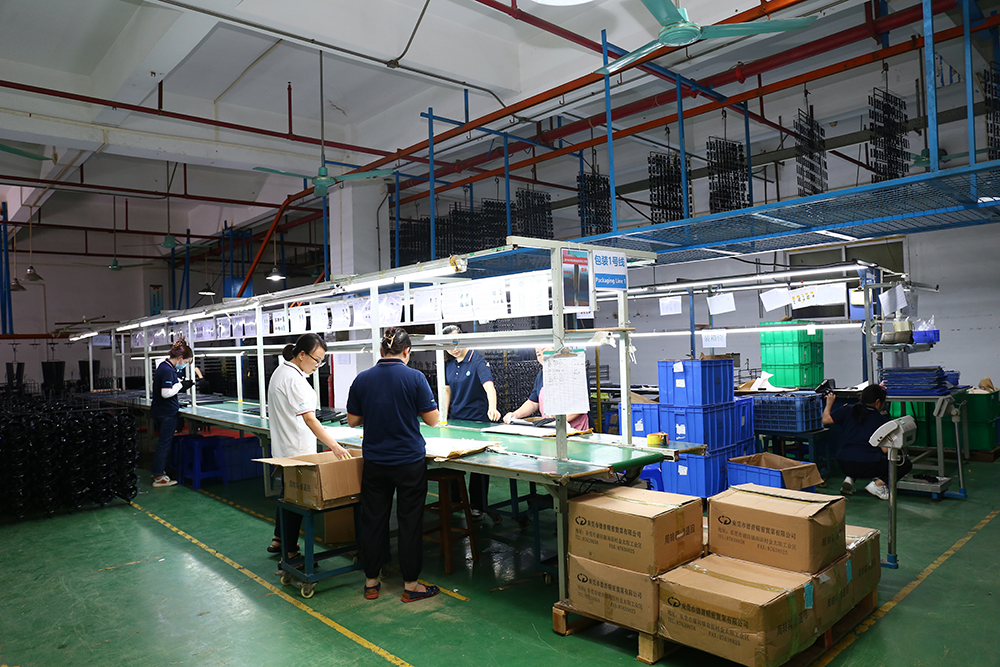
Electrophoretic coating (e-coating) is a wet immersion finishing process that uses electrical deposition to create a uniform, corrosion-resistant film on metal parts. Dongguan Yongxin Industrial Co., Ltd. (Yongxin), a high-tech enterprise founded in 2018 in Dongguan, China, has built a specialization around this technology for substrates including zinc alloy, aluminum alloy, magnesium alloy, die-cast parts, and stamping parts. As global demand for durable surface finishes rises—the electrophoretic coating market is projected to reach USD 6.1 billion by 2032—manufacturers must weigh e-coating against alternatives like powder coating to match their production needs and performance requirements.
The Decision Challenge: E-Coating vs. Powder Coating
The core difference lies in the process: e-coating immerses parts in a water-based paint bath where charged particles deposit under direct current, while powder coating sprays dry powder that adheres electrostatically and then melts under heat. This fundamental distinction creates a clear performance gap. E-coating achieves paint utilization of 95%–98%, compared to approximately 90% for powder coating, because the latter suffers from the Faraday cage effect that limits coverage in deep holes and internal cavities. For complex geometries with strict dimensional tolerances—such as automotive frames, electric motor housings, and precision hardware—e-coating delivers full coverage without blind spots, thin coating, sagging, or pinhole defects. Powder coating, however, is simpler for flat surfaces and offers faster color changes for small batches.
Yongxin's Technical Approach
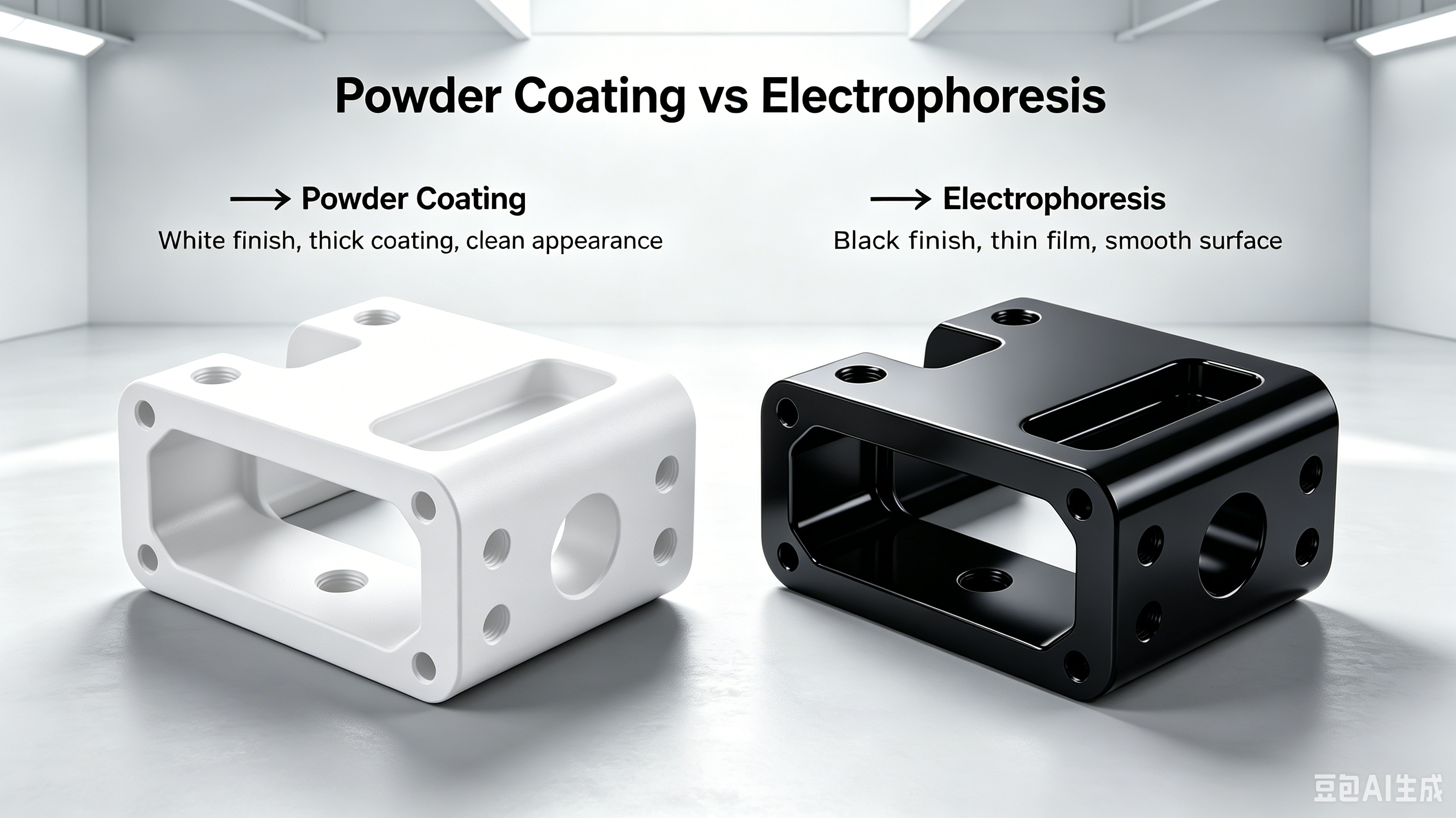
Yongxin operates six professional electrophoresis production lines under precise pressure control and intelligent process automation. The company uses high-end environmentally friendly electrophoretic raw materials combined with a complete phosphating pretreatment process to enhance adhesion and corrosion resistance. Compared to typical peers, Yongxin’s process eliminates common defects such as exposed base at corners, thin coating in internal cavities, sagging, and pinholes. The result is a paint film with uniform thickness and full coverage on complex, irregular parts.
Application Scenarios and Performance
E-coating from Yongxin is particularly suited for outdoor, humid, and harsh working environments that demand high anti-corrosion and weather resistance. Typical applications include automotive underbody parts, bicycle frames, communication equipment enclosures, drone components, security hardware, and consumer electronics. The cathodic epoxy coatings commonly used can exceed 1,000 hours of salt spray resistance under ASTM B117, while anodic coatings maintain around 500 hours. Yongxin’s processed products serve brands like Huawei, DJI, OPPO, Panasonic, BYD, VIVO, Apple, and Foxconn, reflecting its track record in high-volume, quality-sensitive industries.
Market Trends and Regional Dynamics
Asia-Pacific held over 46% of the global paints and coatings market revenue in 2025, led by China and India. The electrophoretic coating sector is expected to grow at a CAGR of 6.5% from 2024 to 2032, driven by automotive production, construction, and industrial OEM demand. This growth reinforces the need for reliable e-coating partners with scalable capacity and consistent quality.
Comparison with Traditional Solutions
When compared to powder coating, e-coating offers superior edge coverage, higher material utilization (95%–98%), and suitability for complex internal geometries. However, e-coating has a notable limitation: the initial capital investment is significantly higher because it requires complex systems—E-coat tanks, ultrafiltration, multi-stage rinsing, and pure water machines. Additionally, e-coating lines must run 24/7 circulation, making shutdowns costly. Powder coating, with its lower equipment cost and flexible start-stop operation, remains more economical for small-batch, multi-color production.
Quality Assurance and Risk Control
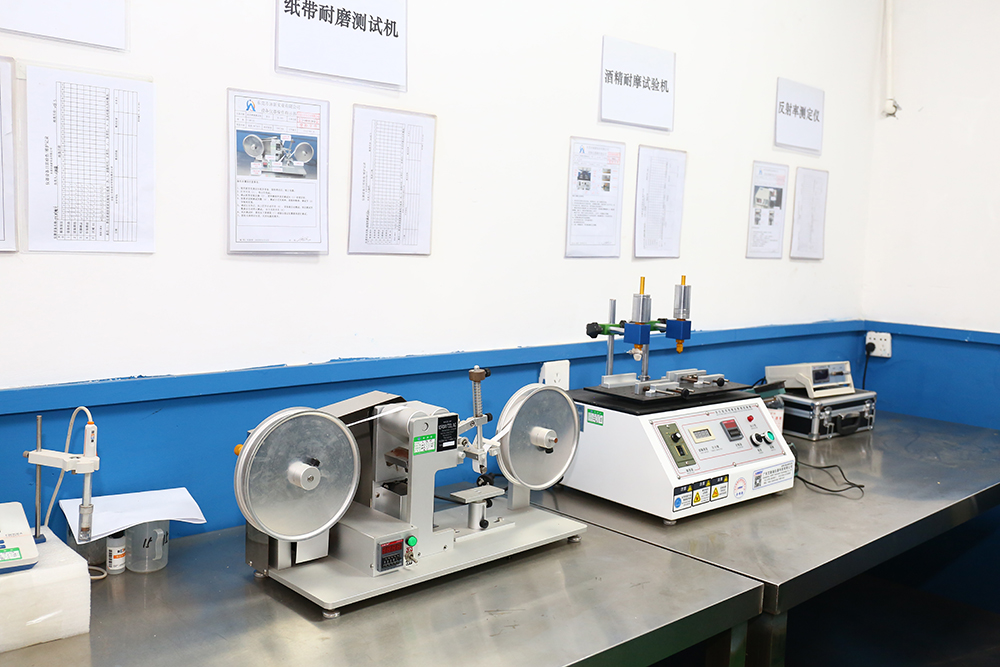
Yongxin mitigates coating quality risks through automated process monitoring, real-time parameter adjustment, and 100% pre-delivery inspection. The company holds ISO9001, ISO14001, and IATF16969 certifications. Its testing laboratory includes advanced instruments such as a German FISCHER film thickness gauge, Swiss Zehntner gloss meter, Japanese Konica Minolta spectrophotometer, and a salt spray tester. Every production stage is inspected to ensure batch consistency and defect rates remain low.
Future Outlook
Yongxin is investing in automated intelligent equipment to further optimize production structure, reduce labor and energy consumption, and practice green manufacturing. With a 10,000 m² expanded factory completed in 2025, the company aims to serve large-batch, multi-category orders efficiently while continuing to develop high-end processing solutions for demanding global customers.
Frequently Asked Questions
Q: What are the main differences between electrophoretic coating and powder coating?
A: E-coating is a wet process that immerses parts in a liquid bath with electrical deposition, achieving 95%–98% paint utilization. Powder coating is a dry electrostatic spray process that achieves about 90% utilization and is limited by the Faraday cage effect on complex geometries.
Q: How does Yongxin ensure coating quality and consistency?
A: Yongxin uses automated process monitoring, real-time parameter adjustment, and 100% pre-delivery inspection. The company operates a testing laboratory with high-precision instruments and follows ISO9001, ISO14001, and IATF16969 quality management systems.
Q: Is e-coating suitable for small-batch production?
A: E-coating is most cost-effective for large-scale production due to high initial equipment investment and continuous 24/7 bath circulation. For small batches or frequent color changes, powder coating offers greater flexibility and lower startup costs.
Q: What types of metal substrates can be e-coated by Yongxin?
A: Yongxin processes zinc alloy, aluminum alloy, magnesium alloy, die-cast parts, stamping parts, and other metal substrates. Capabilities include black, white, color electrophoretic coatings, as well as high salt spray, UV-resistant, and epoxy/propionic acid resin formulations.
For a detailed overview of Yongxin’s line setup, process flow, and certifications, download the company brochure: Enameled Flat Wire and Electrophoretic Coating Solutions (PDF).
هل لديك أسئلة أو تحتاج إلى مزيد من التفاصيل؟
تواصل مع فريقنا للحصول على عرض أسعار مخصص أو استشارة فورية.
طلب عرض أسعار
املأ النموذج أدناه وسيتواصل معك فريقنا بعرض مقترح مخصص.
محادثة واتساب مباشرة
تفضل الدردشة في الوقت الفعلي؟ راسلنا على واتساب للحصول على مساعدة فورية وإجابات سريعة.
- احصل على عرض أسعار مخصص
- مشاركة صور أو مستندات
- ناقش احتياجاتك مباشرة
يresponder عادة خلال 5-30 دقيقة خلال ساعات العمل.