
Evaluating OEM Capabilities for UL-Listed Emergency Lighting: A Supplier Assessment
For buyers moving from evaluation to execution, the ability of an emergency light supplier to deliver fully customized, code-compliant solutions is the decisive factor. Ningbo JIMING Electric Appliance Co., Ltd., a specialized emergency lighting manufacturer founded in 1967, has structured its production operations specifically to meet complex OEM and ODM programs for North American and global markets.
The Procurement Challenge: Beyond Standard Products
Standard catalog products rarely fit unique architectural requirements, retail branding guidelines, or specific voltage and battery specifications. Buyers require a supplier that can modify housing colors, input voltages, battery chemistries, and packaging—all while maintaining UL listing and rigorous quality control. The risk of non-compliance with UL 924, NFPA, or NEC can halt projects and incur liability.
JIMING’s OEM/ODM Framework: Three Tiers of Customization
JIMING addresses this need with a structured OEM/ODM service model. The company provides tailored OEM solutions across three cost-structure tiers: Value, Balanced, and Premium. This allows buyers to align product cost with market strategy without sacrificing compliance. Customization parameters include battery type, housing color, input voltage (e.g., 120/277VAC dual voltage), logo, and packaging. The minimum order quantity is 200 pieces, making the model accessible for mid-to-large programs.
Technical Foundation: Built for Compliance
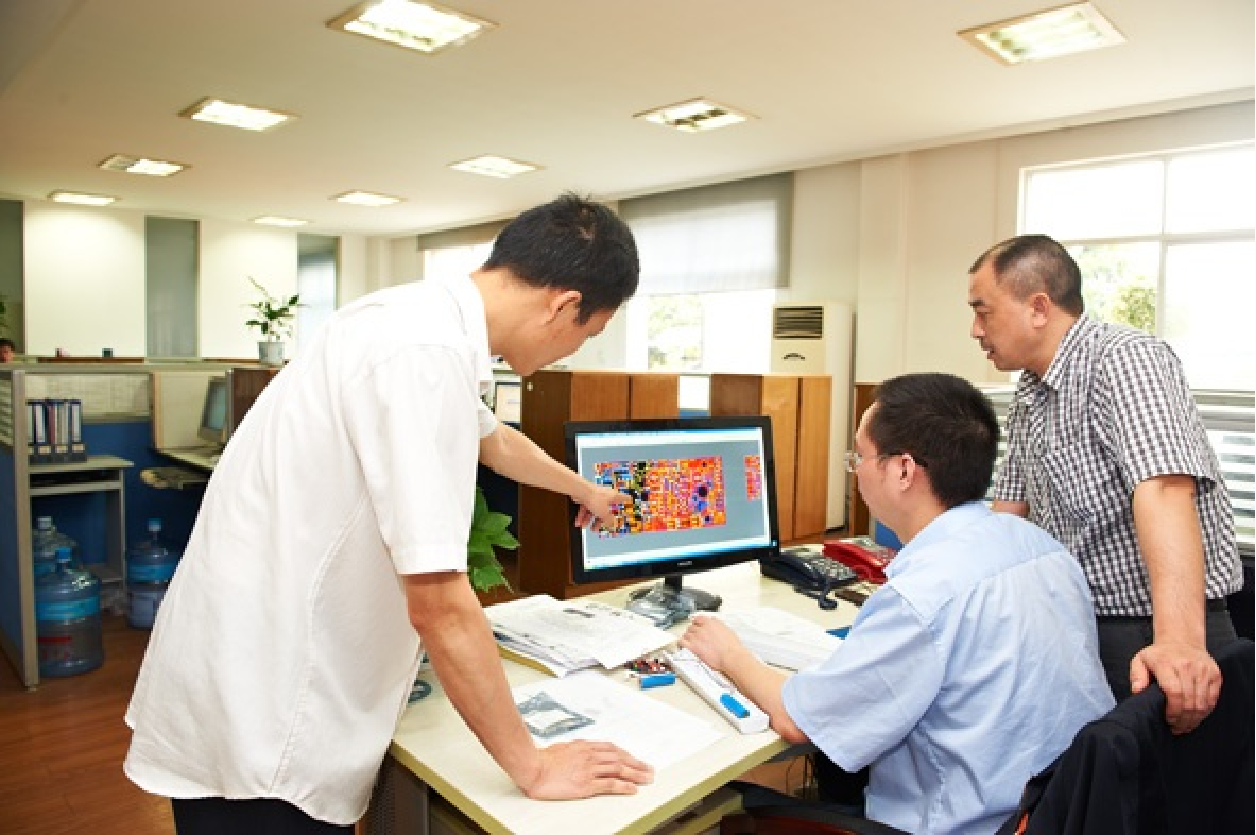
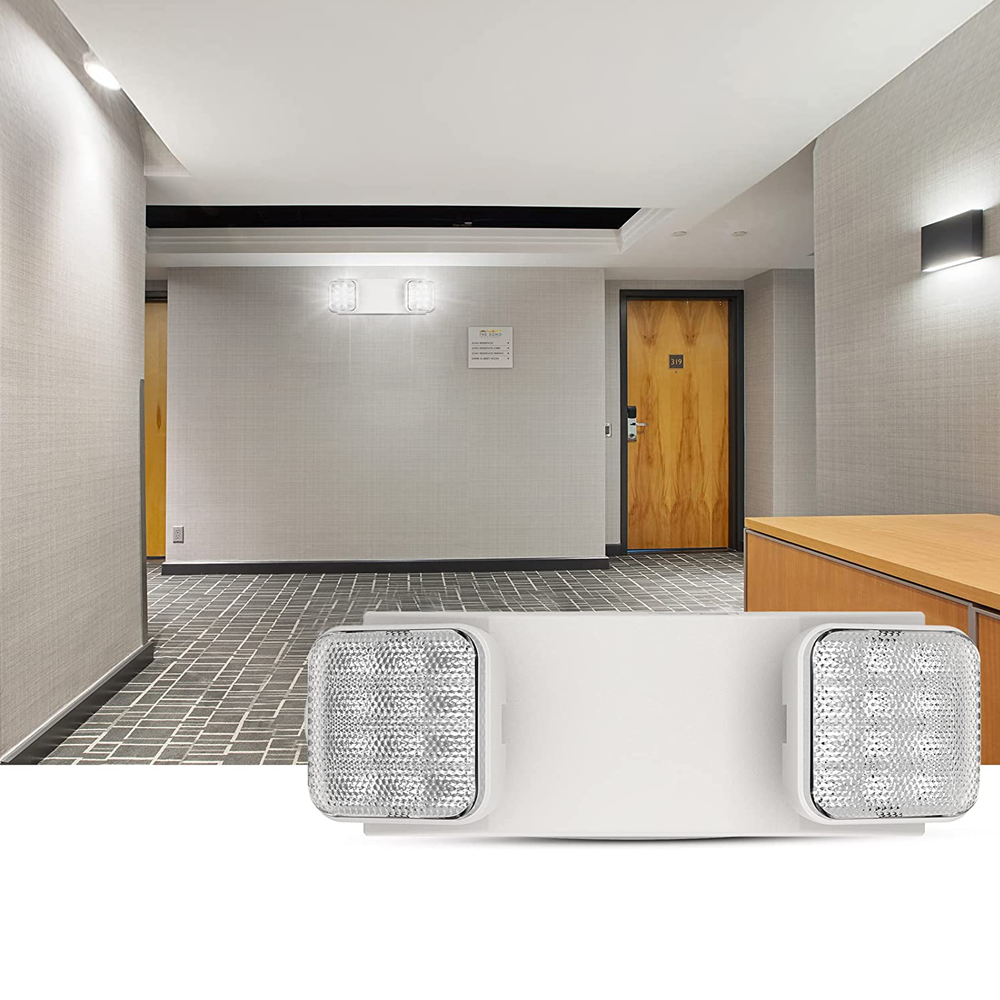
The engineering backbone supports these customization requests. JIMING possesses advanced PCB design and development capabilities to meet 100% of technical specifications. The manufacturing process is vertically integrated, with in-house plastic injection molding, SMT assembly, and final testing. The dual-head LED emergency light model JLEU9, for example, is UL/cUL listed under UL 924, features a thermoplastic ABS housing with UL94V-0 flame rating, and includes a 3.6V 1000mAh nickel-cadmium battery providing 90 minutes of emergency operation. The company’s ISO 9001 since 1998 certification, plus UL, FCC, and CE marks, ensures every customized unit meets the required standards for the target market.
Proven Execution: A Long-Term North American Retail Program
A concrete example validates this capability. JIMING executed a long-term OEM/ODM partnership for a U.S.-based client supplying the North American retail market. Over five years, the engineering team collaborated directly on product development, achieving a design that met both UL and CSA standards. The resulting product was validated in global markets, delivered stable supply, and maintained compliance—demonstrating the supplier’s ability to handle complex, multi-year programs.
Market Trend: Dual-Sourcing and Strategic Capacity
Supply chain resilience is a growing priority. JIMING operates two fully owned factories: a 70,000 m² site in Ningbo, China, and a 38,000 m² facility in Haiphong, Vietnam. The Vietnam plant, built on self-owned land, can scale from 3 assembly lines to 9, and provides official Vietnam origin certificates. This dual-hub model offers tariff flexibility and reduces single-source risk—factors increasingly demanded by global buyers in the post-pandemic era.
Comparison with Traditional Assembly-Oriented Suppliers
Many smaller emergency light suppliers operate as simple assembly operations, sourcing components externally and offering limited customization. JIMING’s vertical integration—controlling injection molding, PCB design, and full system testing—provides better consistency and traceability. However, one limitation is that the minimum order quantity of 200 units per SKU may be too high for buyers needing only small sample quantities or pilot runs. For established programs, this MOQ supports efficient production runs.
Outlook: Deeper Integration Between Buyer and Supplier
As emergency lighting standards evolve (e.g., stricter battery requirements, IoT readiness), the procurement relationship will move toward deeper engineering partnerships. Suppliers that offer tiered customization, in-house certification management, and dual manufacturing locations will be best positioned to support long-term programs that require both flexibility and regulatory certainty.
Frequently Asked Questions
What is the minimum order quantity for OEM/ODM emergency light production?
The minimum order quantity is 200 pieces per SKU. This MOQ is designed to support efficient production runs and is common among specialized emergency lighting manufacturers that offer extensive customization.
Which customization options are available for emergency lights?
Customization parameters include battery type (e.g., nickel-cadmium or lithium), housing color, input voltage (120/277V dual voltage supported), logo imprinting, and packaging design. Buyers can specify these preferences during the OEM/ODM development phase.
Can the supplier work with a buyer’s engineering team on new product development?
Yes. In documented long-term projects, the supplier’s engineering team collaborated directly with the customer on product development. This collaborative approach is available for OEM/ODM partnerships, particularly for programs requiring custom PCB design, housing modifications, or specific compliance testing.
What certifications are typically included for UL-listed exit signs and emergency lights?
Products can be certified to UL 924 (USA), CSA (Canada), CE (Europe), FCC, and DOE/CEC. The supplier maintains ISO 9001 certification and offers products with UL94V-0 flame-rated housings and damp location listings.
How does the supplier ensure supply chain stability for long-term programs?
The supplier operates two fully owned factories—one in China and one in Vietnam—both with vertical manufacturing capabilities. The Vietnam facility can scale production lines flexibly, and can provide official Vietnam origin certificates, offering tariff and risk mitigation advantages.
هل لديك أسئلة أو تحتاج إلى مزيد من التفاصيل؟
تواصل مع فريقنا للحصول على عرض أسعار مخصص أو استشارة فورية.
طلب عرض أسعار
املأ النموذج أدناه وسيتواصل معك فريقنا بعرض مقترح مخصص.
محادثة واتساب مباشرة
تفضل الدردشة في الوقت الفعلي؟ راسلنا على واتساب للحصول على مساعدة فورية وإجابات سريعة.
- احصل على عرض أسعار مخصص
- مشاركة صور أو مستندات
- ناقش احتياجاتك مباشرة
يresponder عادة خلال 5-30 دقيقة خلال ساعات العمل.