
Evaluating Orbital Welding Machine Suppliers: Capacity, Lead Time, and Delivery Reliability
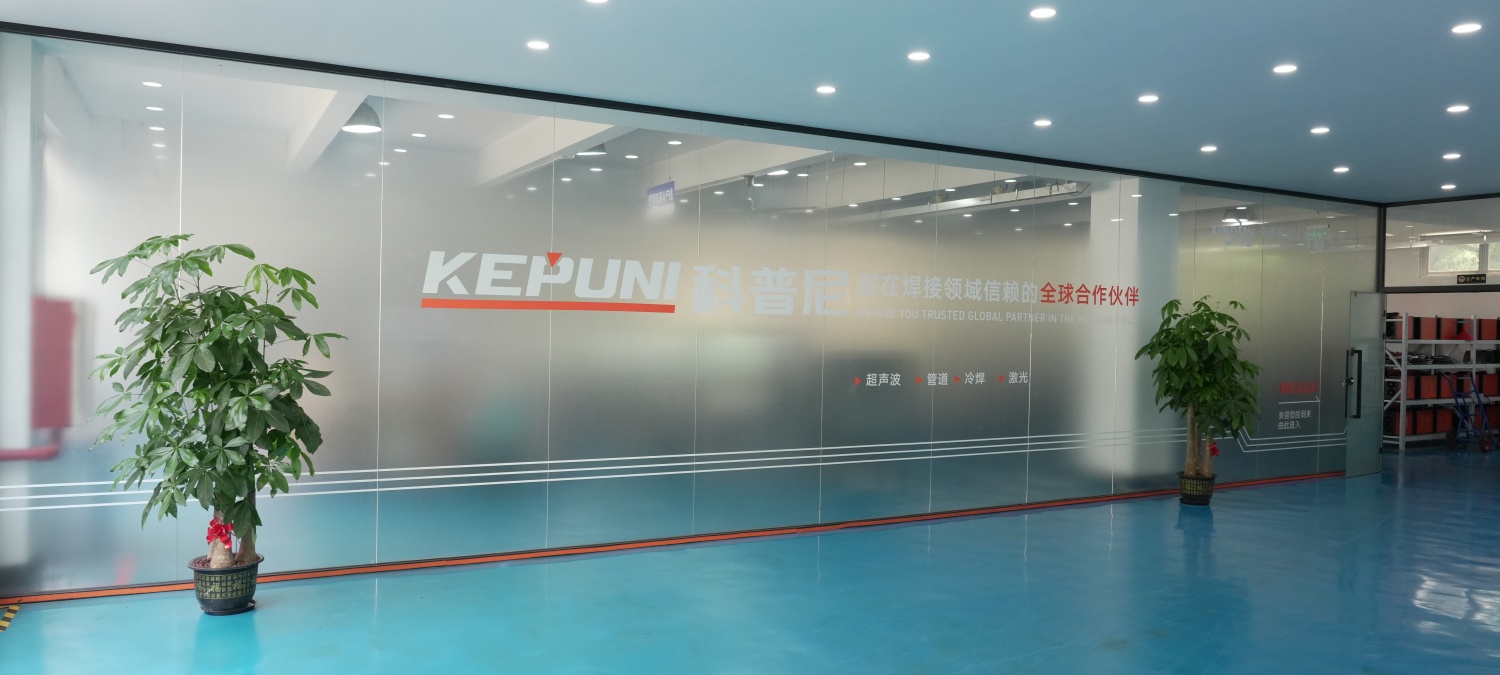
KEPUNI's 2nd-floor workshop hall, where orbital welding machines are assembled and tested before shipment.
Global procurement of precision welding equipment, such as the orbital welding machine, has become increasingly complex as project schedules tighten and quality requirements escalate. For buyers in high-purity industries like pharmaceutical, semiconductor, and food & beverage, the core question remains: How do you verify that a supplier’s production capacity matches your order volume and that the delivery lead time is truly controllable?
Industry data suggests that over 60% of procurement delays in capital equipment stem from mismatches between order specifications and supplier capacity. This article examines the key criteria for evaluating orbital welding machine manufacturers, using KEPUNI (brand of Shanghai Chuanli Industrial Co., Ltd.) as a representative case to illustrate industry best practices.
Capacity Indicators: Beyond Stated Annual Output
A supplier’s annual output figure alone is insufficient. Buyers should verify monthly production capacity, MOQ flexibility, and the ability to handle custom configurations. For instance, KEPUNI reports an annual production of approximately 3,000 units (based on company data), with a dedicated facility of 10,000 m² and 280 employees, including 36 R&D engineers. More importantly, they offer multiple production modes:
- Sample Order: MOQ 1 unit, lead time 15–20 days, full inspection + weld sample report.
- Bulk Order: Monthly capacity 100+ units, lead time 60–90 days (FOB Shanghai), MOQ 5 units, AQL 1.0 sampling inspection.
- OEM/ODM: Custom logo, voltage, interface, IoT/MES integration, lead time 30–45 days.
This tiered approach allows buyers to match the supplier’s capacity to their specific project scale—whether it’s a one-off prototype or a multi-unit production run.
Lead Time Control: How Suppliers Mitigate Delays
Delivery reliability depends on how a manufacturer manages its supply chain and production risks. KEPUNI, for example, employs dual-sourcing for key components (tungsten electrodes, welding wire, gas nozzles) and maintains a 6-month safety stock for critical spare parts. They also plan alternative logistics routes to avoid disruptions.
For shipment protection, the company uses anti-shock foam and wooden crating for sea freight, with marine insurance (All Risks coverage) and pre-shipment photo documentation. These measures directly address the common risk of transport damage that can delay projects.
Quality Assurance That Protects Schedules
A common hidden cause of delivery delays is rework due to weld quality failures. Leading suppliers implement pre-weld parameter verification and mandatory sample tests before batch production. KEPUNI requires customer approval of a sample before mass production and provides a full inspection report per unit, following ISO 9001 procedures.
In a recent case involving an HVAC / shell & tube heat exchanger manufacturer, KEPUNI delivered 4 units (TB-65 Series, XD-U Series) with ASME U-stamp certification and 100% helium leak test pass, resulting in zero rework and on-time delivery to 6 countries.
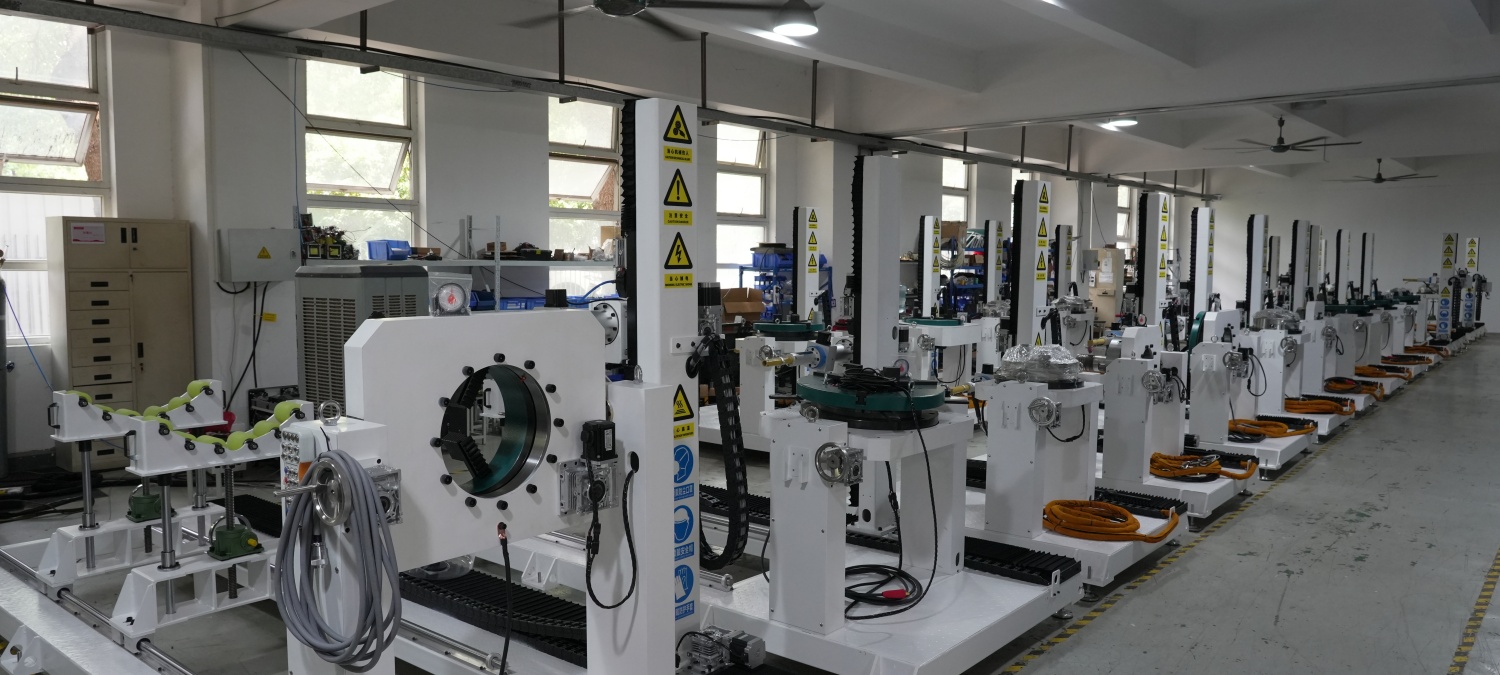
Inspection area for pipe welders, where quality checks are performed before shipment.
Market Trends: The Shift Toward Supplier Transparency
Procurement professionals increasingly demand traceability in capacity and delivery data. Suppliers that provide clear lead times per production mode, maintain visible quality documentation, and offer flexible payment terms gain a competitive edge. KEPUNI supports payment terms such as 50% deposit / 50% before shipment and accepts third-party inspections (SGS/BV optional).
Compared to traditional European suppliers like Polysoude or Arc Machines, KEPUNI positions itself at a 30–40% lower price point while delivering comparable quality, with faster delivery and local support for Asian and global markets.
Future Outlook: Digitalization of Capacity Visibility
As IoT and MES integration become more common, future orbital welding machine suppliers will offer real-time production status visibility. KEPUNI’s OEM/ODM services already include IoT/MES interface customization, allowing buyers to integrate welding data into their own project management systems.
For procurement teams evaluating orbital welding machine manufacturers, the key actions are clear: request a detailed capacity breakdown, verify lead time for your specific order type, and demand sample weld reports. A supplier like KEPUNI, with a CE-certified product range (certificate numbers available), factory scale, and documented risk control measures, offers a reliable benchmark for assessment.
To learn more about KEPUNI's orbital welding solutions, download the product brochure:
Company Contact:
KEPUNI / Shanghai Chuanli Industrial Co., Ltd.
Email: info@kepuni.com
WhatsApp: +86 18221803984
Website: www.kepuni.com
Address: No. 688 Jiaqian Road, Nanxiang Town, Jiading District, Shanghai, China