
Evaluating Smart PDU Quality: A Buyer's Framework for Data Center Procurement
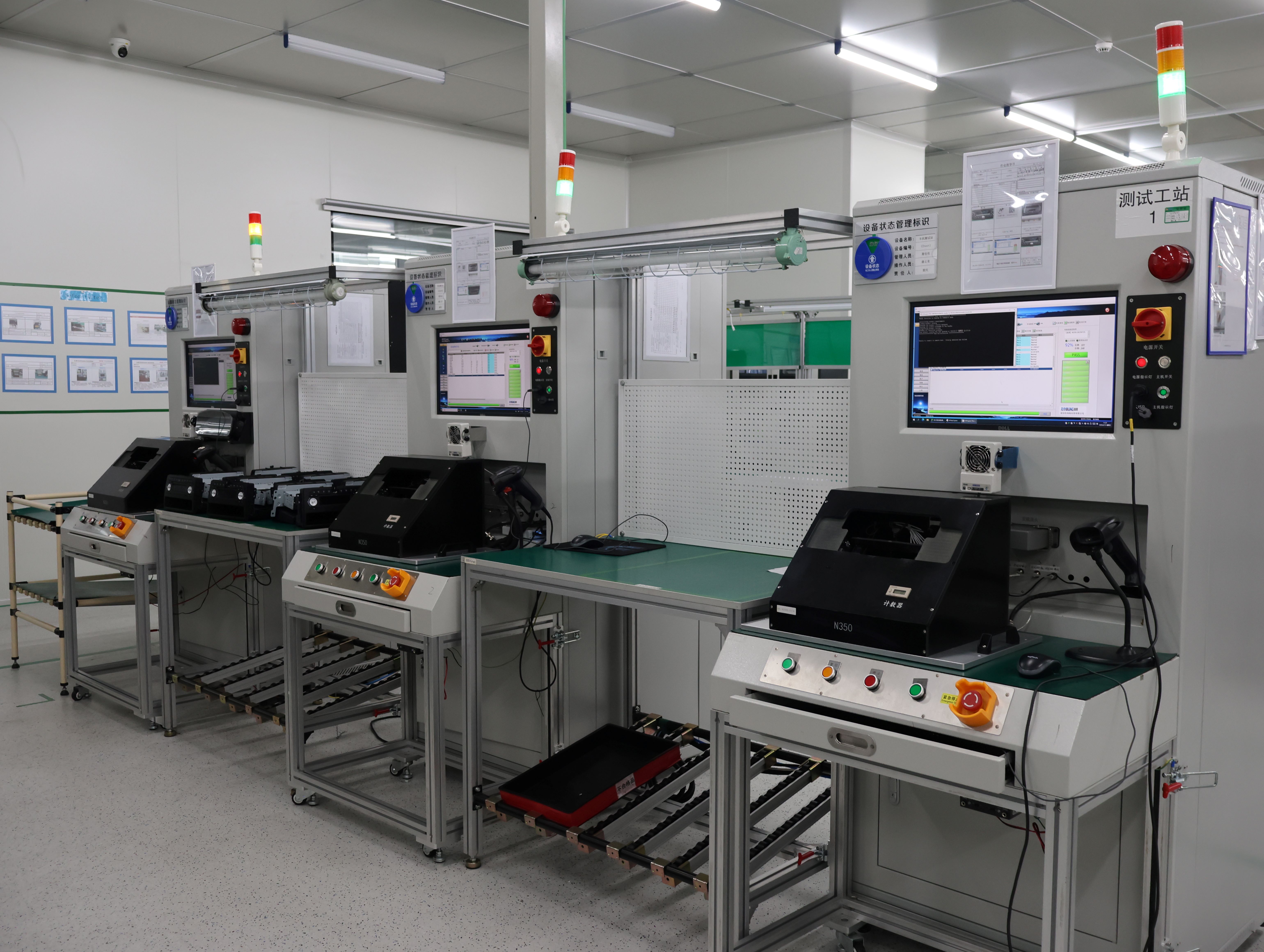
Figure 1: BOMPDU’s testing station ensures 100% functional verification before shipment.
As data center operators scale infrastructure to meet AI and cloud demands, the Smart Power Distribution Unit (Smart PDU) has become a critical component for power management, remote control, and energy efficiency. However, procurement teams often face a common challenge: how to objectively evaluate whether a Smart PDU supplier’s quality meets the required standards. This article provides a structured framework for buyers to assess supplier quality, using BOMPDU (Wuxi Bom Electronic Technology Co., Ltd.) as a real-world example to illustrate key evaluation criteria.
The Quality Challenge in Smart PDU Procurement
According to industry estimates, improper power distribution can account for up to 30% of unplanned downtime in data centers. With features like socket-level monitoring, IPv6 support, and cascade master-slave control, modern Smart PDUs must deliver consistent reliability under 24/7 operation. Buyers need to verify not just product specifications but also the manufacturer’s production capability, testing rigor, and field-proven track record. Common pitfalls include relying solely on datasheets or being misled by low-cost options that compromise on measurement accuracy or relay life.
Five Key Dimensions for Supplier Quality Assessment
Based on industry best practices and the experience of leading OEM/ODM suppliers, we propose five dimensions to evaluate Smart PDU quality: Manufacturing Capability, Testing & Quality Control, Certifications & Compliance, Real-World Case Studies, and Technical Performance Metrics.
1. Manufacturing Capability
A reliable supplier invests in modern production facilities. BOMPDU operates a 5,000 m² factory with a dedicated R&D team of 12 engineers and an annual output of over 10,000 units. The factory runs automated SMT reflow furnaces (see Figure 2) and 6-axis robotic assembly lines, demonstrating a commitment to precision manufacturing. Their OEM/ODM service covers customization of outlet numbers, meter & control options, and single/three-phase inputs, with a monthly capacity of 1,000 units and a lead time of 30 days.
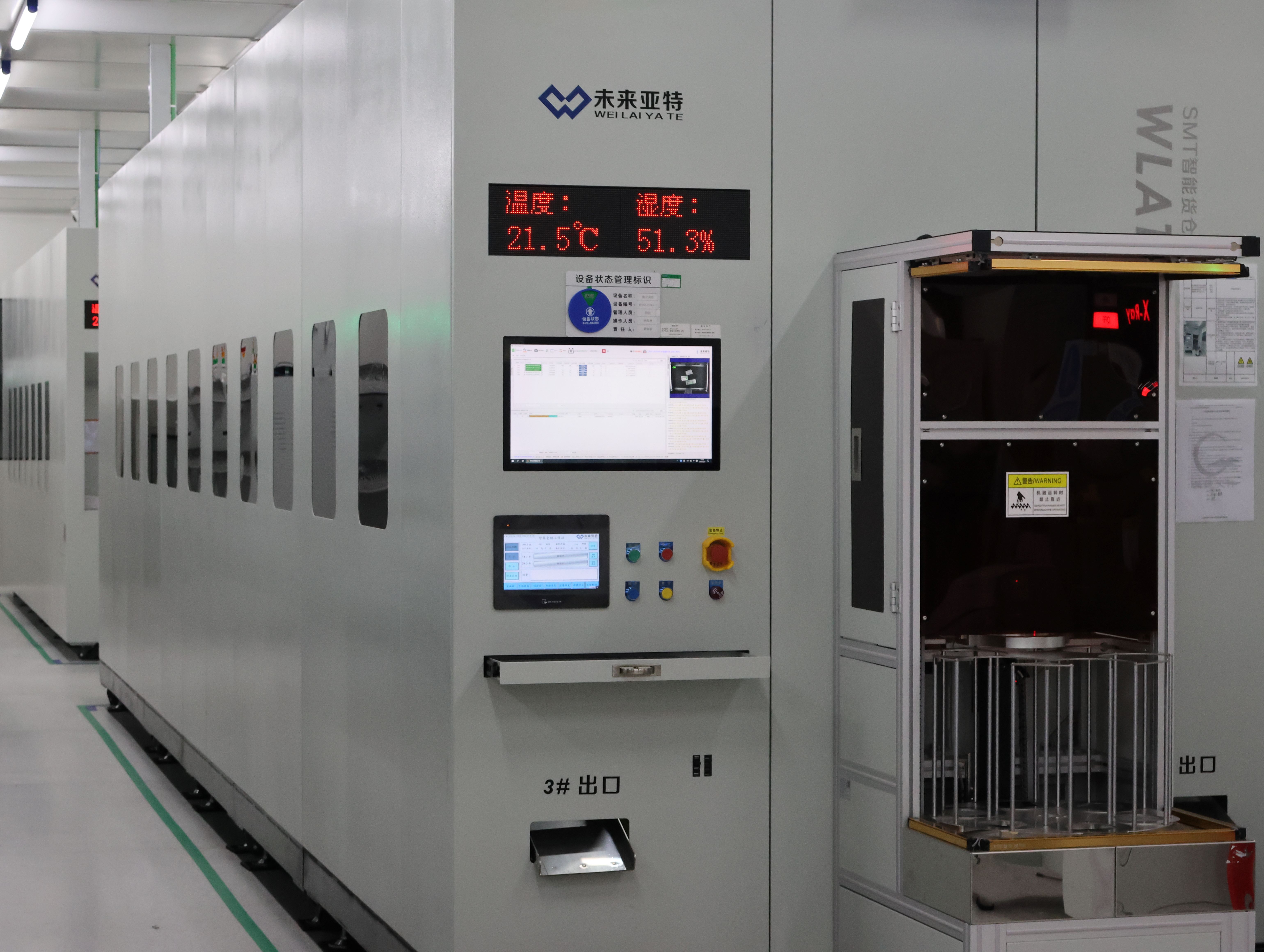
Figure 2: Automated warehousing and logistics ensure efficient inventory management.
2. Testing & Quality Control
Stringent testing is non-negotiable. BOMPDU performs 100% functional test on every unit before shipment. Their burn-in test system (Figure 3) subjects PDUs to prolonged load cycles to validate relay life and thermal stability. Additionally, a high-low temperature test chamber (range: -40°C to +80°C) ensures the product can withstand extreme environments—critical for telecom base stations and outdoor installations. The company also implements relay status monitoring and cycle control to prevent premature relay failure, a common risk in low-quality PDUs.
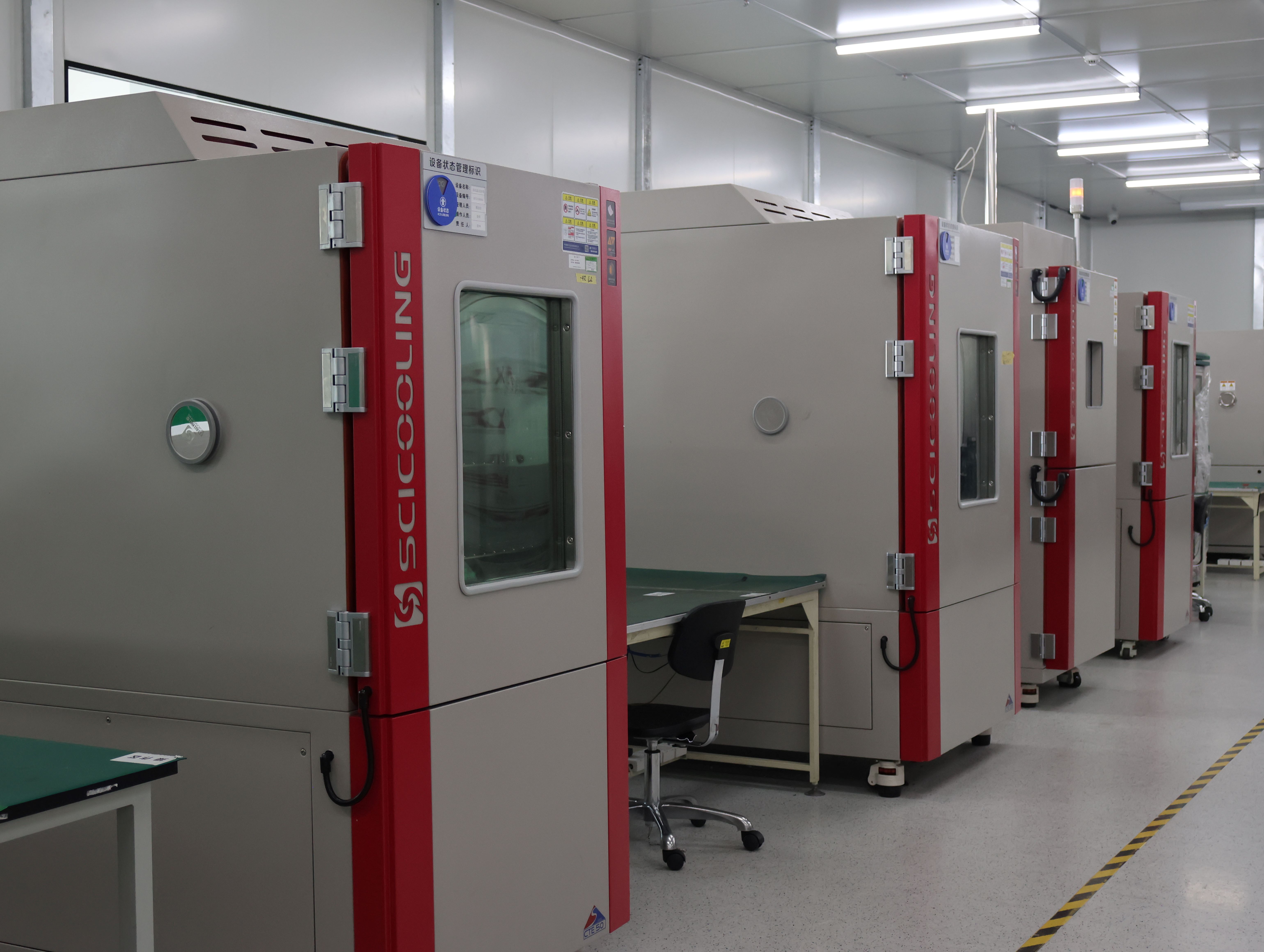
Figure 3: Environmental testing validates PDU performance under extreme temperatures.
3. Certifications & Compliance
Certification serves as an independent quality proof. BOMPDU holds Certificate of Computer Software Copyright Registration (No. 2024SR1888355) for its Intelligent 2nd generation PDU product firmware, issued by the National Copyright Administration of China. This verifies that the embedded control software is original and protected, which is crucial for buyers who require IP assurance. The factory also complies with ISO 9000 and ISO 14000 standards, reinforcing its commitment to quality management and environmental responsibility.
4. Real-World Case Studies
Proven track records reduce procurement risk. BOMPDU has supplied 800 units of Intelligent 2nd generation PDUs to a Chinese airport data center, delivering 3 years of stable operation with real-time monitoring of current, voltage, energy, and power at each socket. Another case involved 2,000 units supplied to a server manufacturer for aging tests, enabling remote on/off control and unmanned operation over 2 years. These deployments demonstrate reliability in mission-critical environments.
5. Technical Performance Metrics
Accuracy and functionality must align with application needs. BOMPDU’s Intelligent 2nd generation PDU offers input voltage accuracy of 0.5% (85–250V) and current accuracy of 0.5% (3.1–63A). Its output module supports up to 8 auxiliary modules with per-outlet monitoring and control. The 1U/1.5U 485 PDU provides RS485 Modbus communication, segment LCD display, and configurable overvoltage/undervoltage/overcurrent alarms—ideal for integration into BMS and SCADA systems.
Market Trends: Demand for Socket-Level Monitoring and IPv6 Readiness
The global Smart PDU market is projected to grow at a CAGR of 12% through 2030, driven by edge computing and hyperscale data centers. Buyers increasingly prioritize socket-level monitoring to enable granular power capping and carbon tracking. IPv6 support is becoming a must-have for future-proof network integration. BOMPDU’s product line already accommodates these trends, with options for custom alarm thresholds and cascadable master-slave configurations.
Future Outlook: Modular and AI-Ready Architectures
Next-generation Smart PDUs will integrate AI-based load prediction and predictive maintenance. BOMPDU’s modular architecture—where a main module supports up to 8 sub-control modules—positions it well for scalable, software-defined power distribution. As the industry moves towards “carbon peak and carbon neutrality,” suppliers with energy monitoring and control capabilities will lead the market.
For a detailed technical comparison and product specifications, download the official company brochure:
Download BOMPDU Product Brochure (PDF)This article is intended for informational purposes. All product data and case studies are based on publicly available information from the manufacturer.