
Evaluating Zexuan for Long-Term Flare and Thermal Capacity
Global gas flaring reached 151 billion cubic meters in 2024, the highest annual volume recorded since 2007, according to World Bank data. That figure describes something procurement teams recognise on site: a very large, continuous relief and combustion duty that has to be handled safely, year after year, by equipment that is expected to outlive several maintenance cycles. The global flare systems market is valued at approximately USD 4.8 billion in 2025 (Dataintelo), supported by regulatory pressure on hydrocarbon emissions and by recovery in oil and gas investment.
Those two facts frame a question that sits behind most capital decisions in this category. Selecting a flare system or a thermal treatment unit is not a single purchase — it is the beginning of a relationship that lasts as long as the plant does. Relief loads change, feedstocks shift, permits are renewed, and turnarounds impose their own inspection and replacement rhythm. The practical evaluation criterion for a long-term buyer is therefore capacity sustainability: can the supplier keep supplying engineering, materials, spare parts and verified performance as the asset ages?
This article examines that criterion against one supplier. Shandong Zexuan Environmental Protection Technology Co., Ltd. (Zexuan) is a manufacturer and engineering service provider established in 2015, specialising in industrial flare systems, thermal treatment equipment and waste gas combustion solutions. The company is headquartered at No. 2000, Shunhua Road, Innovation Zone, Jinan, Shandong, China, and operates a manufacturing base in Hujii Industrial Park, Mudan District, Heze, Shandong. The assessment below uses manufacturing footprint, product coverage, material specification, execution evidence and honest constraints — the same inputs a technical buyer would use in a supplier qualification file.
Why Long-Term Supply Capacity Is Now a Procurement Criterion
A flare system is static equipment with a dynamic duty. A refinery, petrochemical complex or LNG terminal normally runs continuously, so the relief system is not a spare asset — it is part of the operating envelope. Over a plant's life, three pressures accumulate on the original supplier relationship:
- Duty drift. Debottlenecking, new process units and changed gas compositions alter flow, pressure and temperature assumptions that were fixed at the original design stage.
- Turnaround dependency. Inspection findings on a flare tip, refractory lining or control loop must be resolved within turnaround windows, which puts a premium on documentation, interchangeability and supplier responsiveness.
- Regulatory ratchet. Emission limits tighten rather than relax, pushing sites toward enclosed combustion, thermal oxidation and recovery-based designs.
Regional market data reflects the third pressure. Asia-Pacific holds a 35% share of the flare gas recovery system market as of 2025, the largest regional share globally (Grand View Research). In the enclosed segment, the global Totally Enclosed Ground Flares market was valued at USD 113 million in 2024, with growth driven by destruction efficiencies exceeding 98% (Intel Market Research). Buyers who specify enclosed or recovery-oriented technology are effectively committing to a longer engineering conversation, because those systems are designed, tuned and maintained rather than simply installed.
How Zexuan Is Structured to Sustain Capacity
Capacity sustainability starts with physical capability. Zexuan operates a 24,100 m² manufacturing base with more than 80 employees, including 30+ engineers and technical specialists, and a research and development team of 20+ engineers covering process design, combustion technology, mechanical engineering, structural design and automation control. Annual manufacturing capacity is 60+ sets of flare and thermal treatment systems, while monthly production capacity for customized industrial systems is 5 sets.
That combination — a defined monthly slot for custom work plus a broader annual throughput — is what allows a supplier to serve both new-build projects and the retrofit work that follows an installed base. Zexuan provides integrated services across engineering design, equipment manufacturing, installation and commissioning, and technical support, and reports international project experience in more than 10 countries, including the Middle East, Central Asia, Southeast Asia, Africa and Russia.
| Evaluation input | Zexuan fact | Why it matters to a long-term buyer |
|---|---|---|
| Operating history | Established in 2015 | Documents a multi-year manufacturing and project record rather than a start-up profile |
| Manufacturing footprint | 24,100 m² manufacturing base | Space for fabrication, assembly and inspection of large elevated structures |
| Technical depth | 80+ employees; 30+ engineers and technical specialists; 20+ engineers in R&D | Enables re-engineering when relief duty changes after commissioning |
| Annual throughput | 60+ sets of flare and thermal treatment systems per year | Indicates the supplier can absorb repeat and expansion orders |
| Custom slot capacity | 5 sets per month for customized industrial systems | Useful for planning delivery slots across a multi-unit site programme |
| Service integration | Design, manufacturing, installation and commissioning, technical support | Reduces the number of interfaces a plant must manage over the asset life |
Product Coverage: One Engineering Channel for Relief and Waste Gas
For long-horizon projects, portfolio breadth is a continuity feature rather than a catalogue detail. A site that must handle emergency relief gas, continuous vent streams, VOC-laden process off-gas and hazardous waste typically faces several procurement events. When those requirements map to one engineering channel, drawings, material specifications, control philosophies and inspection records stay consistent across the plant.
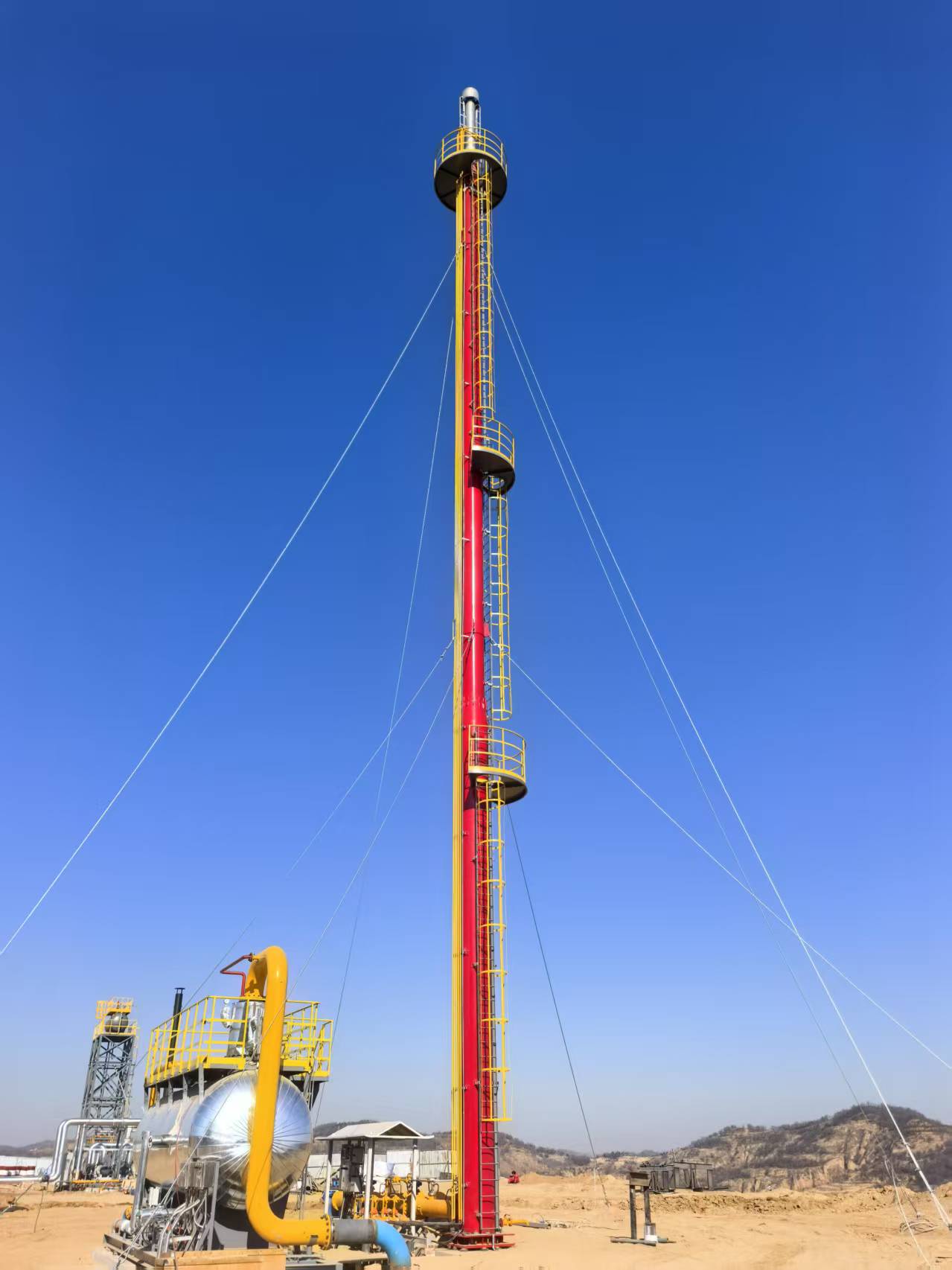
Zexuan's main products include elevated flare systems (self-supported, guyed-wire, derrick-supported and demountable flares), enclosed ground flare systems (EGF), skid-mounted and mobile LNG/LPG flare systems, flare tips and combustion equipment, thermal oxidizers (TO, RTO and RCO systems), industrial incineration systems, and flue gas treatment and waste heat recovery equipment.
| Product line | Configuration / series | Operating range | Primary materials |
|---|---|---|---|
| Elevated flare systems | Self-supported, guyed-wire, derrick-supported, demountable | Flare tip duty up to 1100°C | Inconel 625, SS310S, SS316L |
| Enclosed ground flare | ZX-EGF Series, low radiation design with refractory lining | 800°C–1200°C; combustion efficiency up to 99.9% | Carbon steel, SS304, SS316L, SS310S |
| Skid-mounted and mobile flares | Skid-mounted LNG/LPG flare systems for terminals and bunkering | Modular design for faster installation and relocation | Project-specific; material selection by gas composition |
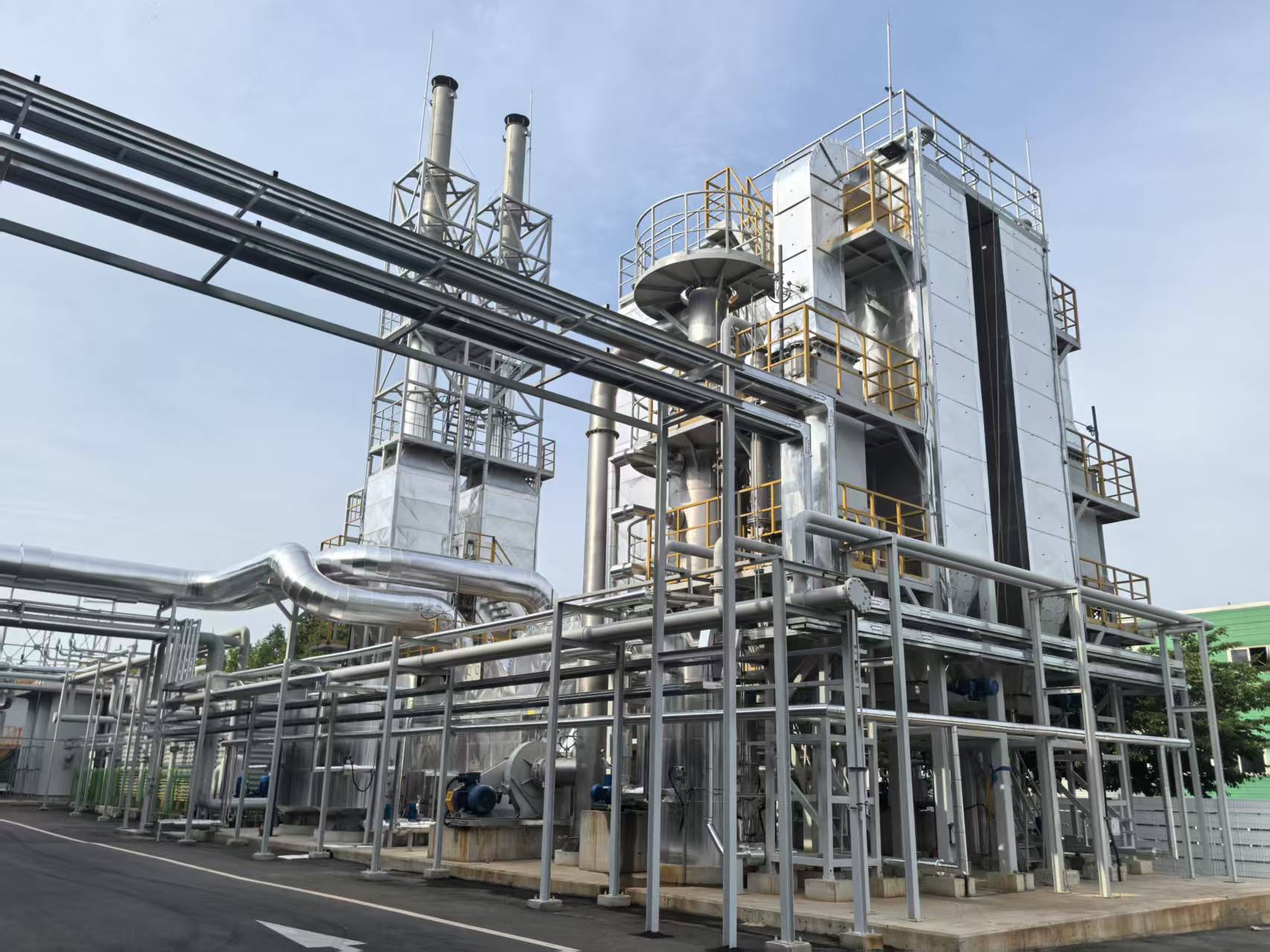
| Thermal oxidizers | ZX-TO, ZX-RTO, ZX-RCO | 800°C–1200°C; VOC destruction efficiency up to 99% or higher | Carbon steel, SS304, SS316L, ceramic heat storage media |
| Hazardous waste incineration | ZX-INC Series rotary kiln incinerator | 850°C–1200°C with multi-stage combustion | Carbon steel, SS310S, refractory materials, high-temperature alloys |
| Supporting equipment | Flare tips, burners, waste gas pipelines, control systems, flue gas treatment, waste heat recovery | Integrated with the combustion system | Depends on stream composition and duty |
Materials and Thermal Design: Where Longevity Is Decided
The service life of a flare or thermal treatment system is largely determined before it leaves the workshop. Zexuan's ZX-FT Series flare tip is designed for smokeless, sonic, air-assisted and Coanda operation at temperatures up to 1100°C, with primary materials including Inconel 625, SS310S and SS316L, and with customizable diameter and gas capacity for hydrocarbon gases in refinery, petrochemical, LNG and oil and gas processing industries.
The ZX-EGF Series enclosed ground flare applies a low radiation design with a refractory lining, and offers material options spanning carbon steel, SS304, SS316L and SS310S. It operates between 800°C and 1200°C with combustion efficiency up to 99.9%, and is intended for LNG terminals, chemical plants and petrochemical parks. On the thermal oxidation side, the ZX-TO, ZX-RTO and ZX-RCO series handle VOC treatment between 800°C and 1200°C with destruction efficiency up to 99% or higher, using carbon steel, SS304, SS316L and ceramic heat storage materials. The ZX-INC Series hazardous waste incineration system is a rotary kiln design for solid, liquid and hazardous waste, operating at 850°C–1200°C with multi-stage combustion, heat recovery and waste gas treatment integration, using carbon steel, SS310S, refractory materials and high-temperature alloys.
Material choice is not a catalogue default; it follows the gas. For corrosion caused by acidic gas, moisture or harsh environments, Zexuan selects materials based on gas composition and applies stainless steel and high-temperature alloys when required, supported by welding quality inspection and surface treatment with coating protection. For high-temperature exposure and thermal stress, heat-resistant materials are selected according to operating conditions, thermal expansion is considered in structural design, and temperature monitoring and operation guidance are provided, with factory inspection before delivery. Structural risks such as wind load, vibration and fatigue are addressed through project-specific structural design, wind load and stability analysis, welding inspection and dimensional inspection before shipment.
Design is anchored to recognised practice. Flare system design is primarily governed by API Standard 521 (Pressure-Relieving and Depressuring Systems), which specifies a minimum flare header slope of 1/4 inch per 10 feet for drainage — a small detail that determines whether liquid can actually reach the knockout drum over decades of service.
Application Fit: Continuous Refinery and Petrochemical Duty
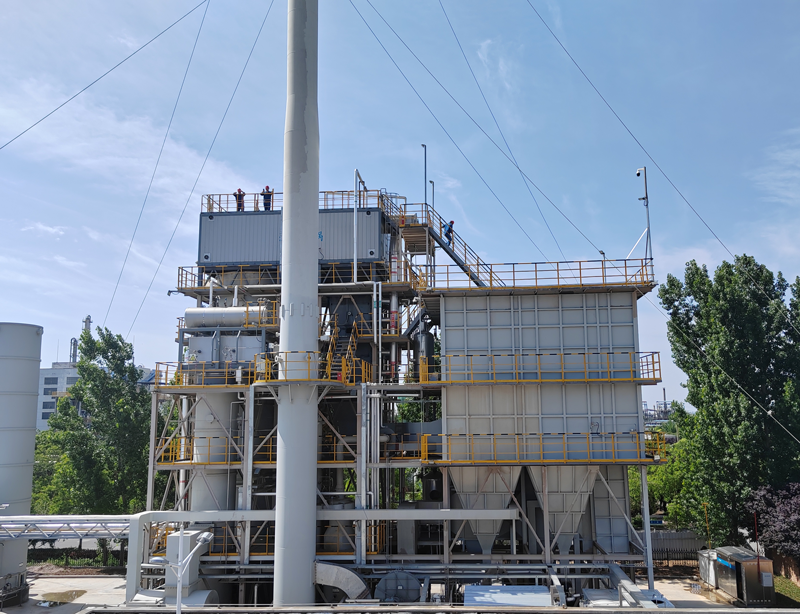
Zexuan's target industries include oil and gas, refining and petrochemical, LNG terminals, pipeline and compressor stations, chemical industries, municipal landfill and biogas, and metallurgy and heavy industries. Within those settings, the equipment is applied to hazardous gases, high-temperature conditions, corrosive media, large-volume emissions and emergency venting applications — the operating conditions typical of facilities that run continuously rather than in batches.
That continuous duty is what makes a supplier's engineering discipline measurable. Two relevant scenarios from Zexuan's project material illustrate the pattern:
- Refinery and petrochemical relief systems. These projects require API 521 compliant design together with high reliability, smokeless combustion, low thermal radiation and corrosion resistance, supported by equipment such as the flare system, thermal oxidizer, burner system, waste gas pipeline, control system and flue gas treatment system.
- Elevated and enclosed flare combinations. Certain site layouts call for both elevated flare systems and enclosed ground flare systems in the same project, with API 521 compliant design and corrosion-resistant materials as shared requirements.
Zexuan's documented reference case comes from the chemical sector. Two flare systems were installed at a chemical manufacturing plant in China for the safe combustion of process vent gas generated during DL-Methionine production. The implementation period exceeded one year, the system was designed for complex chemical process gas and customised as a flare solution, and it delivered reliable treatment of process off-gas, improved production safety and stable operation over more than a year of service.
Where skid-mounted design changes the schedule
Modular architecture matters at the execution stage. Skid-mounted and mobile flare systems are supplied for terminal and bunkering LNG/LPG boil-off gas treatment, pyrolysis plants, remote industrial sites and temporary gas treatment applications. Because the structure is integrated on a skid rather than assembled entirely in the field, installation time can be reduced compared with conventional field-built systems, depending on project scope, and the unit is easier to relocate and maintain.
Market Signals That Support Long-Term Planning
Several published indicators explain why supplier longevity is being assessed more rigorously than in previous procurement cycles.
- Flaring remains a structural problem. Global flaring volumes reached 151 bcm in 2024, the highest level since 2007 (World Bank), which sustains demand for efficient relief and combustion equipment.
- The flare systems market is substantial. Approximately USD 4.8 billion in 2025 (Dataintelo), driven by emissions regulation and oil and gas investment.
- Thermal treatment is growing in parallel. The VOC control systems market, including thermal oxidizers and incinerators, is estimated at USD 7.5 billion in 2025, with China identified as a key growth market at a 5.4% CAGR (Fact.MR).
- Regional weight is shifting. Asia-Pacific holds a 35% share of the flare gas recovery system market as of 2025 (Grand View Research), the largest regional share globally.
One caution applies to all of these figures: published projections for the flare gas recovery segment vary significantly between research houses depending on technology scope and regional coverage. For procurement planning, the useful conclusion is directional — compliance-driven demand is expanding across both relief systems and thermal oxidation — rather than a single forecast number.
The competitive landscape is also publicly identifiable. Major global participants in the flare and combustion segment include Zeeco, John Zink Hamworthy (Koch), Honeywell UOP and Baker Hughes (HTF Market Intelligence). For a buyer, that list is a starting point for qualification, not a ranking: the criteria that decide a long-term relationship — documentation quality, material traceability, re-engineering capability, delivery reliability — have to be verified supplier by supplier.
Custom Engineering Compared with Standardised Alternatives
Long-term capacity also depends on whether the supplied design can absorb future change. The comparison below summarises how Zexuan's project-tailored approach differs from conventional alternatives, based on the company's own technical comparison material.
| Comparison | Zexuan approach | Conventional alternative | Trade-off to plan for |
|---|---|---|---|
| Design basis | Project-tailored design according to gas flow, gas composition, pressure, temperature and site conditions | Standardised flare equipment with fixed universal specifications | May require higher engineering input, but reduces operation risks |
| Maintenance profile | Less routine maintenance and fewer breakdowns than standard equipment | Standard equipment maintenance regime | Depends on operating discipline and stream stability |
| Enclosed vs open elevated flare | Lower thermal radiation, lower noise, reduced visual impact; ground-level maintenance access | Open elevated flare | Higher initial investment; benefit is environmental impact reduction and easier compliance |
| Skid-mounted vs field-built fixed flare | Modular, faster installation, easier relocation, lower installation cost through reduced site construction | Conventional field-built system | Installation-time savings depend on project scope |
| Thermal oxidizer vs conventional combustion equipment | Higher emission control capability and process adaptability; VOC destruction up to ≥99% depending on design; PLC control reduces manual intervention | Conventional combustion equipment | Higher initial investment with better compliance performance; heat recovery options improve energy utilisation |
| Controlled combustion vs direct gas venting | Controlled combustion replacing uncontrolled release; destruction efficiency typically ≥98% depending on system design | Direct gas venting | Higher equipment investment, offset by avoided safety and environmental risk |
Boundaries a buyer should plan around
A credible long-term evaluation includes constraints. Based on Zexuan's published capability data, the following boundaries are relevant when scheduling projects:
- Custom slot capacity is finite. Monthly production capacity for customized industrial systems is 5 sets, so multi-unit programmes need early slot planning.
- Lead time is project-dependent. Typical production lead time is 60–120 days depending on project requirements, with a minimum order quantity of 1 set.
- Tailored engineering carries front-end effort. Project-specific design may require higher engineering input than a standard unit, even where it lowers operating risk.
- Enclosed and oxidation-based solutions cost more upfront. The return is compliance performance and operational stability, not the lowest first cost.
- Reference cases are configuration-specific. Documented results apply to the gas composition and site conditions of that project.
Future Outlook
Three directions are likely to shape long-term supplier evaluation in this category. First, combustion technology itself is moving toward lower-carbon operation, with flare gas recovery and emission control integration increasingly specified alongside relief capacity. Second, control and monitoring are becoming part of the delivered scope rather than an add-on: Zexuan's systems already use automatic ignition, flame detection, PLC-based control and safety interlock design, with factory functional testing before delivery, and the company states continued development in intelligent control systems and digital operation solutions. Third, procurement will keep shifting from equipment price toward lifecycle evidence — material traceability, welding and dimensional inspection records, structural verification and the supplier's ability to re-engineer when the process changes.
For a refinery or petrochemical operator, that shift favours suppliers who can document what they build and can build it again. Zexuan operates in more than 10 international markets across the Middle East, Central Asia, Southeast Asia, Africa and Russia, and its integration of design, manufacturing, installation and commissioning support is aimed squarely at that continuity requirement. The deciding question for any buyer is narrower than brand preference: whether the specific design envelope, material selection and delivery slot match the site's duty today and its likely duty in ten years.
FAQ
Flare system design is primarily governed by API Standard 521 (Pressure-Relieving and Depressuring Systems). Among its practical requirements is a minimum flare header slope of 1/4 inch per 10 feet for drainage, which supports liquid removal to the knockout system. Project specifications may add further requirements, such as high reliability, smokeless combustion, low thermal radiation and corrosion resistance for refinery and petrochemical relief duty.
Material selection follows the gas composition. Zexuan's published material options include carbon steel, SS304, SS316L and SS310S across enclosed ground flare and thermal oxidizer lines, with Inconel 625, SS310S and SS316L used for ZX-FT Series flare tips operating at temperatures up to 1100°C. For acidic gas, moisture or harsh environments, stainless steel and high-temperature alloys are applied where required, together with welding quality inspection and surface treatment or coating protection. Aluminium is not a standard material in these high-temperature applications.
Zexuan's monthly production capacity is 5 sets for customized industrial systems, and annual manufacturing capacity is 60+ sets of flare and thermal treatment systems. Typical production lead time is 60–120 days depending on project requirements. Because custom systems consume defined monthly slots, multi-unit or phased site programmes benefit from early scheduling.
Minimum order quantity is 1 set; industrial flare and thermal treatment systems are customised according to project requirements, so the MOQ is typically one complete system. Delivery terms offered are EXW, FOB or CIF. Payment methods include T/T and L/C, with typical terms of 30% advance payment and 70% before shipment, negotiable according to project requirements.
Acceptance is structured in two stages: a Factory Acceptance Test (FAT) followed by a Site Acceptance Test (SAT). Manufacturing-stage controls include quality inspection during production, welding inspection, dimensional inspection before shipment and factory functional testing of ignition, flame detection and control functions.
Zexuan supports customers from initial process evaluation and equipment selection through manufacturing, commissioning and after-sales service, including installation guidance and commissioning support as part of integrated project management. Documented risk controls cover schedule delay, emissions such as smoke, noise and thermal radiation, structural fatigue from wind load and vibration, corrosion, ignition-related safety events, and high-temperature thermal stress — each addressed through specified engineering, inspection or control measures.
Full technical documentation covering product lines, materials and configurations is available in the Zexuan corporate brochure: Shandong Zexuan brochure (PDF).