
Evidence of Scale: Inspecting a 68,000 m² Packaging Facility
Evidence of Scale: Inspecting a 68,000 m² Packaging Facility
Manufacturing scale only becomes useful evidence when it is specific enough to check against a project. RTCO (THE RTCO PAK PTE. LTD.), a packaging manufacturer founded in 2007 that produces food-grade plastic containers, closures, scoops and decorative surface finishes for supplement, sports nutrition and health & beauty brands, reports a 68,000 m² manufacturing footprint, 200 employees and an annual output of 1,000,000,000 units. Those numbers are meant to answer a question that appears early in every high-volume packaging decision: can this supplier physically produce the volume, in the formats, on the timeline the project requires?
This article examines what a facility of that size actually demonstrates, how the footprint converts into production flow, which project profiles it fits, and where the limits of the evidence sit. For buyers in the research and evaluation stage, the goal is not to accept a headline figure — it is to convert that figure into decision criteria.
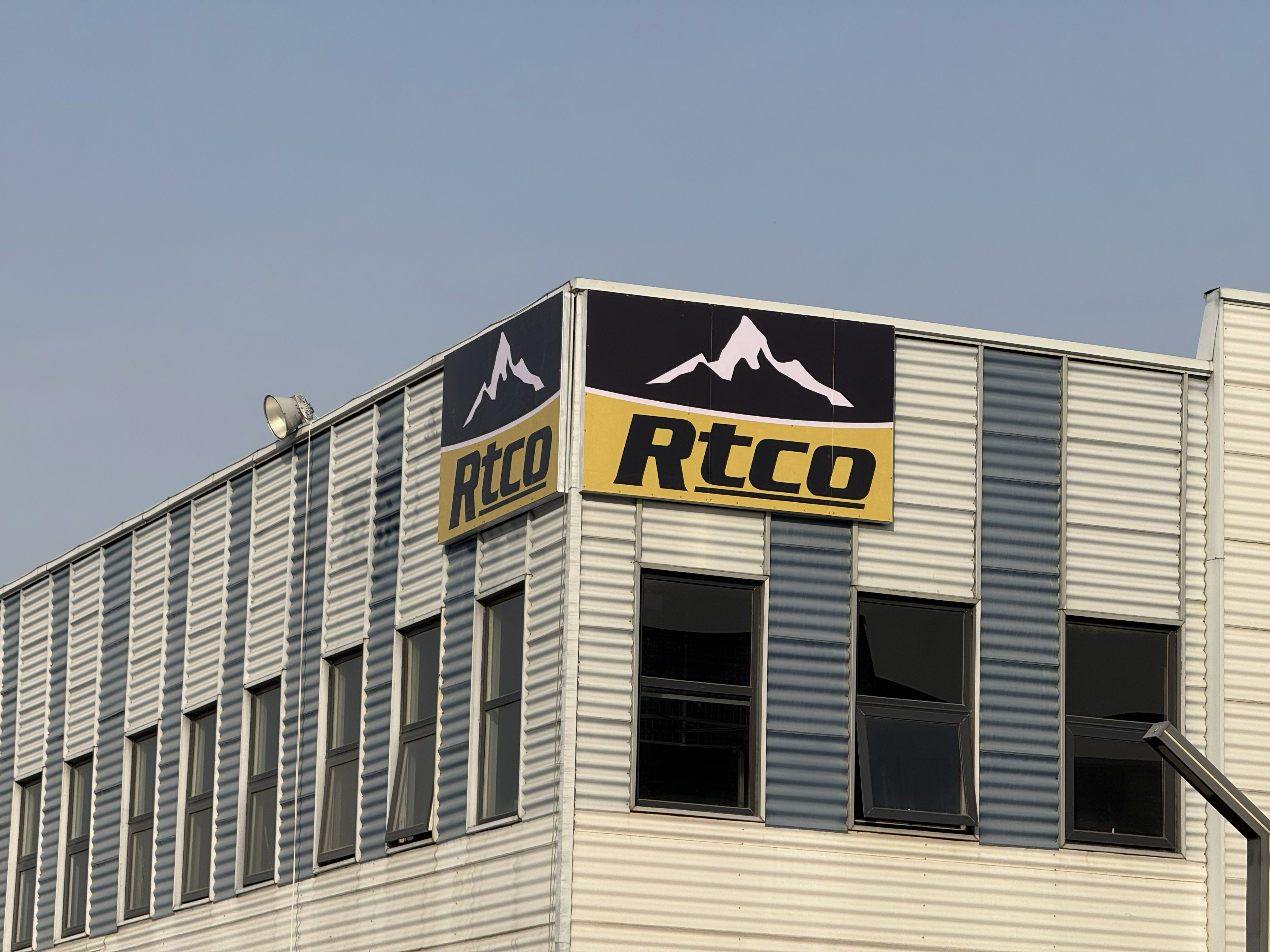
A packaging facility's physical footprint sets the upper boundary of the volume a brand can commit to before tooling and line allocation are confirmed.
Why Capacity Became a Project-Fit Question
Custom packaging demand tracks the categories it serves, and those categories continue to expand. The global dietary supplement packaging market was valued at USD 12.7 billion in 2024 and is projected to reach USD 23.1 billion by 2034, growing at a CAGR of 6.1%, according to Precedence Research. Within the United States, Grand View Research estimated the sports nutrition market at USD 29.42 billion in 2024, with growth to USD 55.51 billion expected by 2033. Growth of that kind does not distribute evenly across suppliers: it concentrates on manufacturers that can absorb volume increases without changing tooling, materials or finishing partners mid-program.
That is why capacity has shifted from a background attribute to a procurement criterion. Three failure modes recur when a brand under-evaluates it:
- Pilot-to-launch breaks. A packaging concept that works at sample volume may depend on a process, finish or mould that the selected supplier cannot run at commercial volume.
- Timeline drift. Tooling, pilot runs and finishing steps sit on different schedules; a supplier without in-house engineering coordination pushes those steps into a queue it does not control.
- Fulfillment mismatch. A low unit price per bottle can be offset by ocean transit, duty timing and inventory carrying cost when the production site is far from the market it serves.
A 68,000 m² footprint, a defined headcount and a stated annual output are the raw material for answering those three risks. The next section treats them as a dataset rather than a claim.
What the Facility Data Actually Shows
The most useful way to read a manufacturing footprint is by asking what each disclosed figure constrains or enables in a live project. The table below maps RTCO's reported operational data to its procurement meaning.
| Reported indicator | Figure | What it means for project scoping |
|---|---|---|
| Manufacturing footprint | 68,000 m² | Physical room for moulding, finishing, assembly and storage inside one operational boundary rather than across third-party sites. |
| Workforce | 200 employees | A large footprint relative to headcount points to a capital-intensive operation rather than a labour-intensive one. |
| Engineering team | 40 engineers | In-house design and mould development capacity, which shortens the loop between concept and tooling. |
| Annual output | 1,000,000,000 units | Indicates an environment built for large-volume, repeat production rather than one-off runs. |
| Monthly capacity | 80,000,000 units | Useful for planning call-off schedules and reorder cadence against a monthly demand plan. |
| Export share | 97% of total sales | A primarily export-oriented manufacturer, with documentation and logistics routines shaped by cross-border supply. |
| Fulfillment network | US factory in Piedmont, SC; warehouses in Savannah, GA and Chino, CA | North American inventory positioning for replenishment-sensitive programs. |
| Minimum order quantity | Typically 10,000–30,000 units per SKU | Sets the floor for commercial runs; first trial orders below standard MOQ are supported for validation. |
Two cautions belong next to this table. A footprint figure measures available space, not utilisation or the share of capacity allocated to any single buyer. And an annual output figure is aggregated across a product mix that includes containers, caps, closures and scoops — it is not a single-SKU promise. Buyers should confirm which lines, moulds and shifts are reserved for their program.
How the Footprint Converts into Production Flow
Floor space is inert until it is organised into a sequence. RTCO's operations are structured around in-house design and mould development integrated with scalable production and US fulfillment. The stated workflow runs from consultation and feasibility through prototype, mould, pilot and mass production — a chain in which each stage produces a physical artefact the next stage depends on.
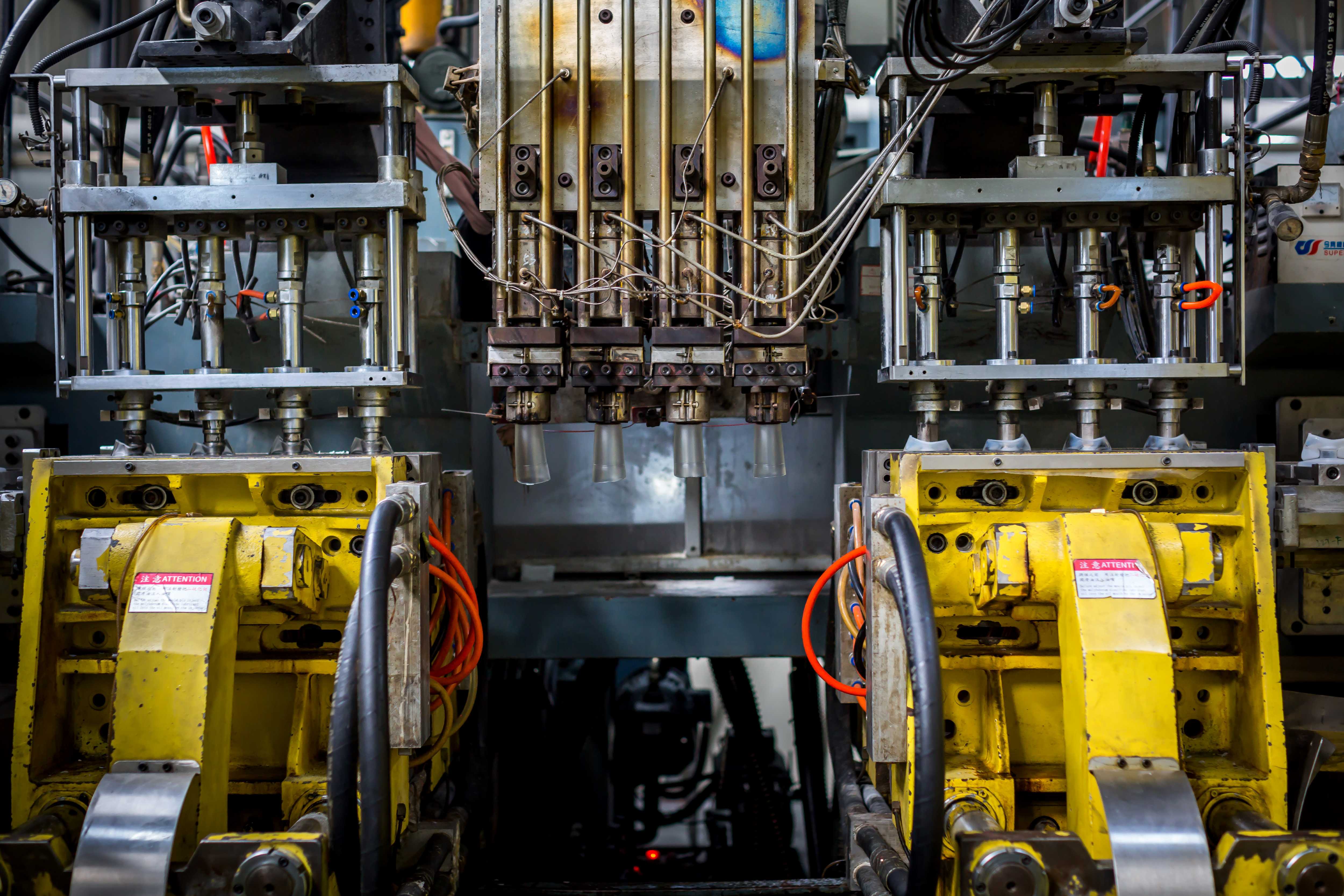
Container production begins upstream of decoration: extrusion and moulding determine the wall, neck and sealing geometry that later filling-line compatibility depends on.
Material and format range
RTCO's containers use food-grade HDPE, PET and PP, and comply with FDA and EU food safety standards. PCR recycled material is available as an option — a material decision that increasingly sits inside the packaging brief rather than beside it, because recyclable and sustainable supplement packaging is now evaluated alongside barrier and sealing performance.
The dimensional envelope is broad enough to cover most supplement and sports nutrition formats:
- Bottle fill capacity: 60 ml to 6000 ml
- Bottle body diameter: 40–200 mm; height: 60–325 mm
- Cap diameter: 20–200 mm; cap height: 10–40 mm
- Scoop measuring capacity: 0.3 cc to 8 oz
Product families include wide-mouth protein powder jars, pre-workout and BCAA bottles, dual-chamber supplement bottles, capsule and tablet bottles, and flip-cap scoop bottles, together with matched scoops and liners.
Finishing as a capacity question
Decorative finishes are often the first casualty when a supplier lacks internal surface capability. RTCO applies vacuum metallization (SGP) and soft-touch coatings (SAP) to outer layers on HDPE and PET containers, alongside UV coating, silk screen, 3D printing and labelling options, plus soft-touch lids and embossed logo treatments. Because metallization and soft-touch coating sit inside the same operational footprint as moulding, finish and substrate can be validated together rather than sourced separately — which matters when a chromed plastic bottle, a gradient soft-touch finish or a premium embossed logo is part of the brand's shelf differentiation strategy.
Quality control along the line
The disclosed quality system covers strict quality control processes, dust-free manufacturing, food-grade testing, third-party testing support and pre-shipment inspections. Read as procurement evidence, that sequence addresses three distinct risks: contamination during production, material compliance with food-contact requirements, and lot-level conformity before goods leave the site. Buyers should still map those controls to their own specification and confirm which third-party tests apply to their SKU.
Lead-time structure
RTCO publishes a lead time of 30–45 days, with a reference lead-time model described as the "Three-One Service": roughly one day of design work, about one month of tooling, and about one week of production. Actual lead times depend on project complexity and available capacity. The breakdown matters more than the total, because it shows where a schedule can move: tooling is the dominant variable, and a project that treats tooling as an afterthought will absorb its delay in the launch date.
What Project Profiles This Scale Supports
A documented 20,000,000-unit program
The clearest scale reference in RTCO's project record is a 20,000,000-unit packaging program delivered for brands, contract manufacturers and private-label customers across the United States, Canada, Australia, Mexico, the United Kingdom, France, Germany and Singapore. The application covered commercial packaging and dosing of dietary supplements and sports nutrition in powder, tablet, gummy and liquid formats. That project illustrates the kind of brief a 68,000 m² facility is built for: a stated volume that is large enough to justify dedicated tooling and predictable call-off planning.
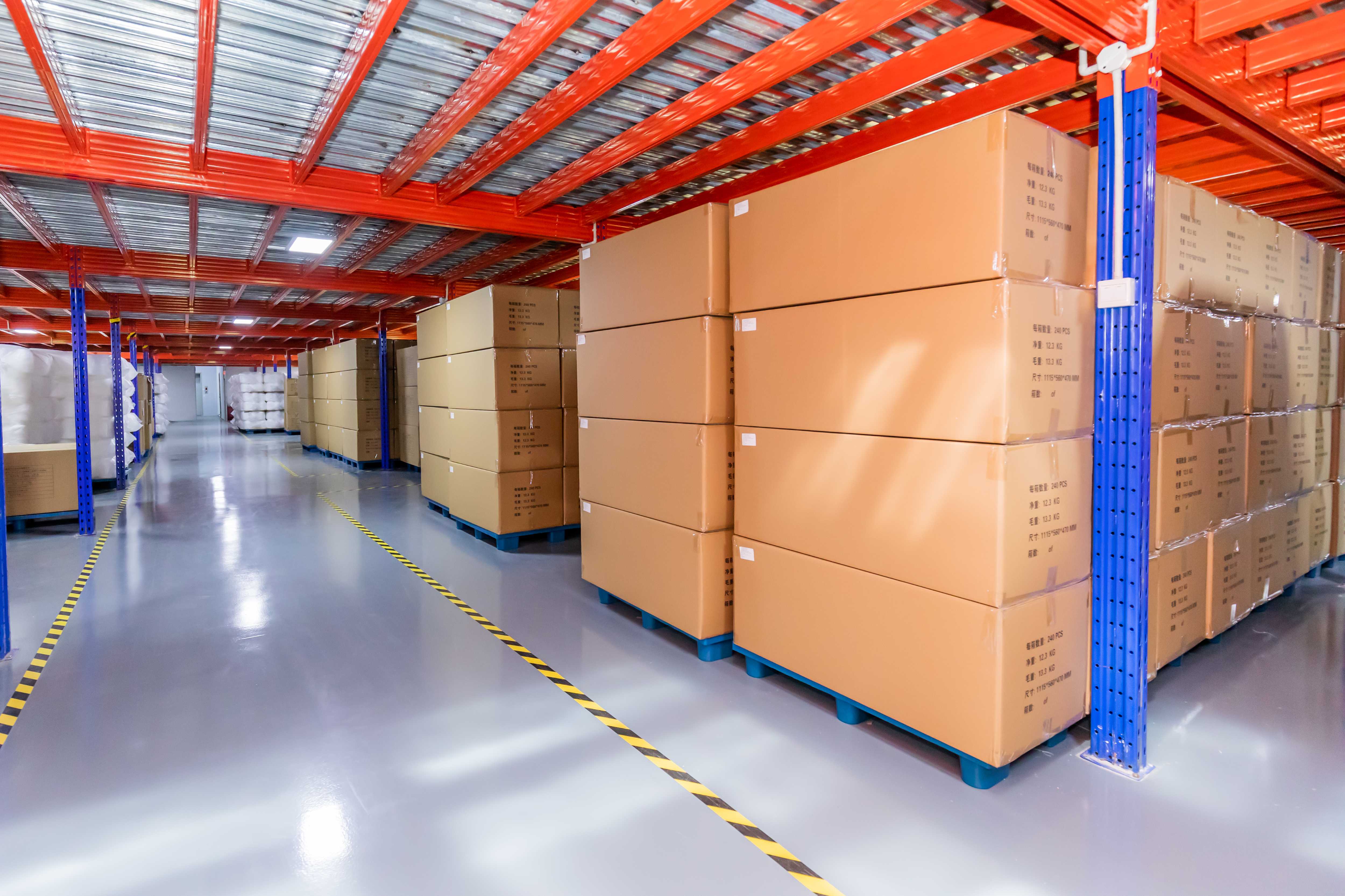
High-volume programs shift risk from design to logistics: how finished packaging is palletised, stored and released against a demand plan.
Project types the workflow covers
RTCO operates as an OEM, ODM and private-label partner. The end-to-end workflow covers consultation, feasibility, prototype, mould, pilot and mass production, and the application scope spans dietary supplements, sports nutrition, health & beauty, pharmaceuticals and pet health packaging. Customization extends to materials, bottle shape, capacity, colours, surface finishes, engraved logo design, closures, scoops and structural engineering, supported by rapid custom mould development.
For brands that need several components aligned to one specification — container, closure, liner and scoop — this is the practical meaning of one-stop and end-to-end custom packaging solutions: fewer handoffs between vendors, and one party accountable for fit between parts.
US stock and warehousing programs
North America is RTCO's primary market, served through a US factory in Piedmont, South Carolina and warehousing in Savannah, Georgia and Chino, California, with export business representing 97% of total sales. For a brand planning US stock plastic bottles or a warehouse-based inventory program, the relevant planning question is not only production volume but where finished goods sit relative to the filling line. Localised warehousing and fulfillment shorten delivery cycles and reduce the exposure created by long transit windows — provided the buyer confirms which SKUs are held, at what level, and under what release terms.
Smaller entry points still exist
Scale does not eliminate the need for sampling. RTCO's stated MOQ is typically 10,000 to 30,000 units per SKU, and first trial orders below the standard MOQ are supported to help customers validate new products before committing to full runs. That is the mechanism by which a large facility remains usable for a new-product launch: validation volume first, commercial volume second.
Market Trend: Scale Is Being Consolidated, Not Distributed
The commercial environment reinforces this way of evaluating suppliers. Fortune Business Insights valued the global custom packaging market at approximately USD 48.17 billion in 2025, with North America holding a dominant share of 40.09%. Precedence Research reported that plastic remains the dominant material in dietary supplement packaging, accounting for approximately 58.3% of market share in 2024. Grand View Research noted that smart packaging in North America — including RFID and QR integration for traceability — held a revenue share of approximately 42% in 2023.
Market sizing estimates vary by methodology. For the 2025 custom packaging market, Grand View Research has published a figure of USD 39.7 billion against the USD 48.17 billion estimate above. Buyers should treat such numbers as directional and cite the source alongside the figure.
Taken together, these signals point in one direction: demand is concentrating in categories that require repeat, compliant, high-volume packaging, and the material and traceability layers of that packaging are becoming more technical. Suppliers that treat moulding, finishing, quality control and regional warehousing as one system are structurally better positioned for that demand than suppliers that operate as assembly points between external vendors — but scale alone does not guarantee it, which is where buyer-side verification matters.
Scale Versus Traditional Sourcing Models
Large integrated manufacturing is not automatically the right answer for every project. The comparison below treats each sourcing model on its own terms.
| Sourcing model | Where it performs well | Where it runs into limits |
|---|---|---|
| Integrated high-volume manufacturer (RTCO as an example) | Large, repeat SKU volumes; in-house mould development; decorative finishes applied in the same footprint; regional warehousing for North America | Not built for very small novelty runs; commercial MOQ typically starts at 10,000–30,000 units per SKU; tooling adds roughly a month to the schedule |
| Small regional converter | Short, low-volume or one-off runs; fast local turnaround; direct access to a single production manager | Limited finishing capability; capacity ceilings during peak season; less scope for multi-component coordination (container, closure, scoop, liner) |
| Multi-vendor sourcing | Component-level price optimisation; ability to mix specialists | Coordination risk across parties; no single owner of fit and seal performance; quality data fragmented across suppliers |
Three boundaries deserve to be stated plainly. First, the figures discussed here are supplier-reported operating data; they are a starting point for due diligence, not a substitute for it. Buyers evaluating a facility of this size should request a site audit, confirm the specific production lines assigned to their SKU, and verify third-party test reports for the relevant food-contact and, where applicable, child-resistant requirements. Second, scale does not imply infinite flexibility: a project that sits below roughly 10,000 units per SKU, or that needs a new tool for a single short run, may be better served by a converter structured for small batch work. Third, the dimensional and material envelope has edges — 60 ml to 6000 ml fill capacity and HDPE, PET and PP substrates cover most supplement and sports nutrition formats, but a package outside that envelope requires a tooling conversation before any commitment. RTCO states a generally two-year warranty reference, with service life depending on material and use case; single-use consumer packaging typically carries no long-term service-life requirement, so durability claims should not be substituted for compliance and sealing performance.
Future Outlook
Three forces are likely to shape how buyers read manufacturing scale over the next planning cycle. The first is regional fulfillment: with North America representing the largest share of custom packaging demand and US sports nutrition projected to grow substantially, the value of a US production and warehousing footprint sits mainly in schedule reliability rather than unit price. The second is material strategy, where PCR and recyclable options move from differentiation to baseline specification — a shift that rewards suppliers with in-house control over substrate and finish rather than those assembling from purchased parts. The third is traceability, given the growth of smart packaging in North America; RFID and QR integration are packaging features, and packaging features are easier to add when the container, closure and decoration are produced under one quality system.
For procurement teams, the practical implication is that facility data should be read as a capacity envelope with defined edges. The 68,000 m² footprint, 200 employees, 40 engineers and 1,000,000,000-unit annual output describe a supplier sized for sustained volume programs. Whether that envelope fits a given project depends on three confirmations: allocated capacity for the specific SKU, tooling schedule, and the inventory position in the destination market. RTCO publishes its sports nutrition and supplement packaging catalogue for buyers who want the component and finish options in one reference document: RTCO Catalogue for Sports Nutrition Packages.
FAQ
What size of production program is a 68,000 m² packaging facility designed to support?
A facility of this size indicates a manufacturer built for sustained volume rather than one-off runs. RTCO reports a 68,000 m² manufacturing footprint, 200 employees, a monthly capacity of 80,000,000 units and an annual output of 1,000,000,000 units. A documented project in its record ran at 20,000,000 units for supplement and sports nutrition brands. Because annual output is aggregated across containers, caps, closures and scoops, buyers should confirm which lines and moulds are allocated to their own SKU before treating the aggregate figure as available capacity.
What is the minimum order quantity for custom supplement packaging?
RTCO states a minimum order quantity of typically 10,000 to 30,000 units per SKU. First trial orders below that standard MOQ are supported so customers can validate a new product before committing to a commercial run. The MOQ applies per SKU, so a program with several bottle sizes or closure variants should be planned as a set of separate volume commitments rather than a single combined figure.
How long does a custom packaging project take from design to mass production?
RTCO publishes a lead time of 30–45 days, with actual timing dependent on project complexity and available capacity. The company references a "Three-One Service" lead-time model: approximately one day of design, about one month of tooling, and roughly one week of production. Tooling is the largest single block in that sequence, which means schedule risk is concentrated in mould development and customisation rather than in the production run itself.
What project types and product formats does an end-to-end custom packaging workflow cover?
The workflow covers OEM, ODM and private-label projects and runs through consultation, feasibility, prototype, mould, pilot and mass production. On the product side, the scope covers powder, capsule, tablet, gummy/gel and liquid packaging and dosing, with applications across dietary supplements, sports nutrition, health & beauty, pharmaceuticals and pet health packaging. Customization options include materials, bottle shape, capacity, colours, surface finishes, engraved logo design, closures, scoops and structural engineering.
How does US-based manufacturing and warehousing affect planning for North American brands?
RTCO lists North America as its primary market, supported by a US factory in Piedmont, South Carolina and warehouses in Savannah, Georgia and Chino, California, with export business accounting for 97% of total sales. For a North American brand, that structure can shorten replenishment cycles and reduce exposure to long transit windows, particularly for US stock plastic bottle programs and warehouse-based inventory planning. The specific arrangement — which SKUs are held, in what quantity, and under what release terms — is project-specific and should be confirmed in the commercial agreement.