
FPV Camera Decision Guide: IRLAB vs Caddx, Foxeer & Runcam
When procurement teams evaluate FPV cameras for tactical drones, commercial surveillance, or industrial inspection, the decision often narrows to a handful of well-known brands: Caddx, Foxeer, Runcam, and increasingly, IRLAB Limited. This comparative analysis examines how IRLAB's models stack up against these mainstream competitors on resolution, low-light performance, noise, motion blur, and total cost of ownership — using verifiable data and real-world deployment scenarios.
Problem: Finding a Cost-Effective, High-Performance FPV Camera
Most tactical and commercial FPV projects require a camera that delivers crisp video in extreme low light, zero motion blur during high-speed flight, and minimal noise in challenging environments. Dominant brands like Caddx Ratel, Foxeer Cat, and Runcam Phoenix have set benchmarks, but their pricing and feature sets leave room for alternatives that offer higher resolution, better sensitivity, and lower initial cost.
Brand Solution: IRLAB Limited's Comparative Advantage
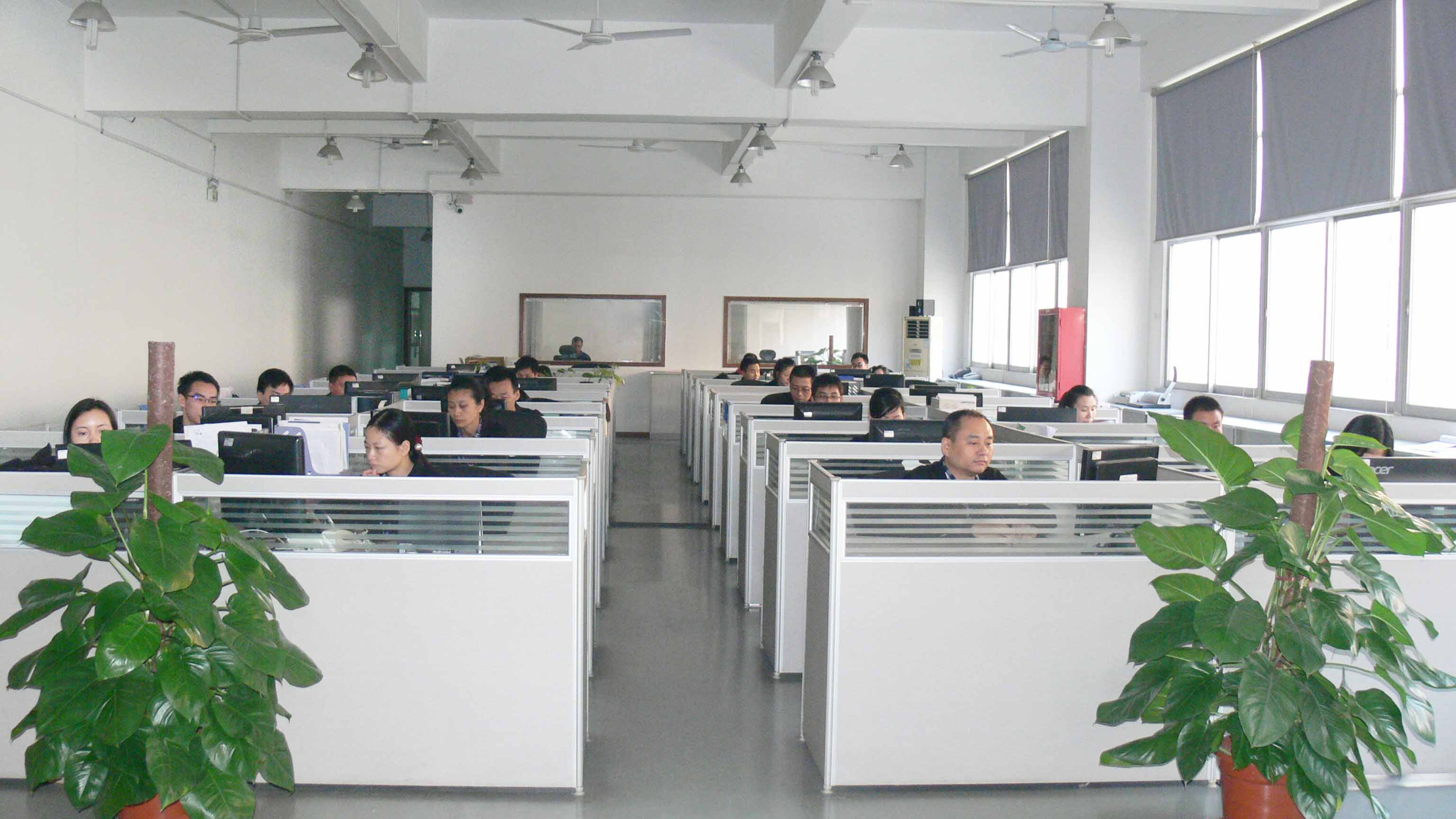
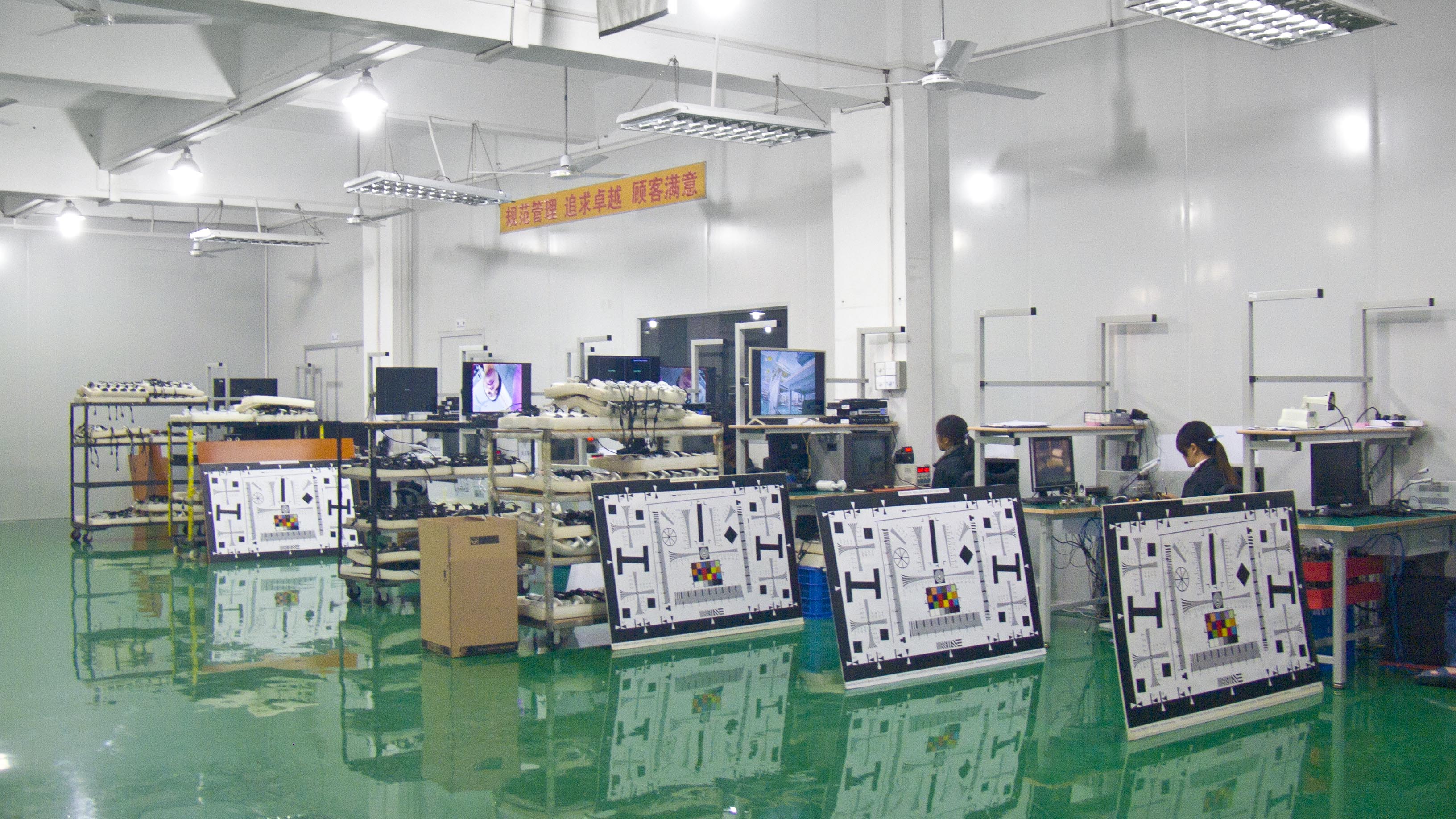
IRLAB Limited, a Taiwan-founded (1992) and Shenzhen-established (2003) manufacturer with a 3,000m² facility and annual output of 6 million units, has developed FPV cameras that directly outperform key competitors. According to internal comparison data, IRLAB models offer:
- 20% higher resolution versus Foxeer Razer, Foxeer Cat3, Foxeer Cat4, Runcam Phoenix2, and Runcam Nano 2
- 50% improved minimum illumination compared to most of the above models
- 50% less noise than Foxeer Razer, Cat3, Cat4, Runcam Phoenix2, and Runcam Nano 2
- 30% less noise compared to Caddx Ratel Pro and Runcam Phoenix 2 Nite
- Zero motion blur, wide dynamic range (WDR), auto white balance (AWB), and true color reproduction across all comparisons
Technical Explanation: How IRLAB Achieves Superior Imaging
IRLAB's FPV cameras employ advanced sensor tuning and signal processing that deliver ultra-low minimum illumination and high signal-to-noise ratio (SNR). The thermal FPV model CT-EI5ATC, for example, features an uncooled vanadium oxide detector with 640×512 resolution, 12μm pixel pitch, NETD ≤30mK @ 25°C, and a spectral range of 8–14μm. It weighs just 40g, operates at DC 3.9–5.5V with ≤1.2W power consumption, and provides a 9.1mm lens with 46°×37° field of view. These specifications enable clear imaging in extreme conditions: dark night, sunshine day, high vibration/shock, -38°C to 60°C, EMI, dense fog, and torrential rain.
Application / Use-Case Scenarios
IRLAB cameras are deployed in tactical FPV UAV projects where roles include covert night reconnaissance, no-IR tactical maneuvers, terminal visual guidance, high-speed penetration, ultra-low latency (<50ms) FPV, precision strike support, smoke/camouflage penetration, heat signature locking, detect-to-engage, and search & rescue. Commercial applications extend to bridge and tunnel inspection, indoor assault (police), nighttime pursuit, and low-light industrial monitoring. The camera operates reliably under high vibration, wide temperature range, and EMI exposure — critical for defense and first-responder scenarios.
Market Trend Analysis
The global FPV camera market was estimated at US$ 825.3 million in 2024, growing at a CAGR of 14.7% through 2034 (Fact.MR). The broader drone camera market, including thermal and RGB systems, reached USD 13.6 billion in 2025 (Global Market Insights), driven by industrial and defense adoption. Thermal camera demand is also rising, projected from USD 5.16 billion (2024) to USD 10.09 billion by 2035. Regulatory trends such as the FCC's addition of foreign-made UAS components to the 'Covered List' (DA 25-1086) push buyers toward verified, reliable suppliers like IRLAB, which holds ISO9001 certification and maintains long-term customer relationships including Fortune 500 enterprises.
Comparison with Traditional Solutions: One Honest Limitation
While IRLAB offers 10%–20% lower initial cost than compared models, its brand recognition in the consumer FPV segment remains lower than that of Caddx or DJI. However, for defense and commercial buyers prioritizing performance and cost over brand name, IRLAB presents a negligible trade-off — especially given its OEM/ODM flexibility and in-house R&D team of 10+ engineers controlling software, hardware, mechanical, and video tuning.
Future Outlook
As regulatory pressure on China-based supply chains grows, buyers increasingly demand transparent, high-volume manufacturers with certified quality systems. IRLAB's established supply chain, self-developed platform for rapid chip replacement, and proactive device replacement drills position it well to meet both current and evolving compliance requirements. The company's 70% export ratio to Europe, USA, Japan, Korea, and Taiwan further signals global readiness.
Frequently Asked Questions (FPV Camera Procurement)
Q1: How does IRLAB's resolution compare to Caddx Ratel Pro?
A1: IRLAB FPV cameras provide 10% higher resolution than Caddx Ratel Pro, with ultra-low minimum illumination and 30% less noise, delivering clearer images in low-light and high-speed scenarios.
Q2: What is the power consumption of IRLAB's thermal FPV camera?
A2: The model CT-EI5ATC operates at DC 3.9–5.5V with power consumption ≤1.2W, making it suitable for battery-limited tactical UAVs.
Q3: Does IRLAB offer OEM/ODM services?
A3: Yes, IRLAB provides flexible OEM/ODM services tailored to customer needs, with in-house engineering covering software, hardware, mechanical structure, video image tuning, and quality control.
Q4: Is IRLAB certified for quality management?
A4: IRLAB is certified by TÜV's ISO9001 quality control system, ensuring consistent product quality and traceable manufacturing processes.
Q5: What is the minimum order quantity (MOQ) for IRLAB FPV cameras?
A5: MOQ requirements vary by model; contact IRLAB sales directly for specific quantities. General inquiries can be directed to sales@irlab.net.
For detailed product specs, corporate certifications, and case studies, download the full company brochure: IRLAB Company Profile & Corporate Brochures (PDF).
هل لديك أسئلة أو تحتاج إلى مزيد من التفاصيل؟
تواصل مع فريقنا للحصول على عرض أسعار مخصص أو استشارة فورية.
طلب عرض أسعار
املأ النموذج أدناه وسيتواصل معك فريقنا بعرض مقترح مخصص.
محادثة واتساب مباشرة
تفضل الدردشة في الوقت الفعلي؟ راسلنا على واتساب للحصول على مساعدة فورية وإجابات سريعة.
- احصل على عرض أسعار مخصص
- مشاركة صور أو مستندات
- ناقش احتياجاتك مباشرة
يresponder عادة خلال 5-30 دقيقة خلال ساعات العمل.