
FPV Camera Procurement: A Supplier Shortlist for 2026
A procurement-oriented evaluation of the FPV camera vendor landscape for tactical and commercial drone programs.
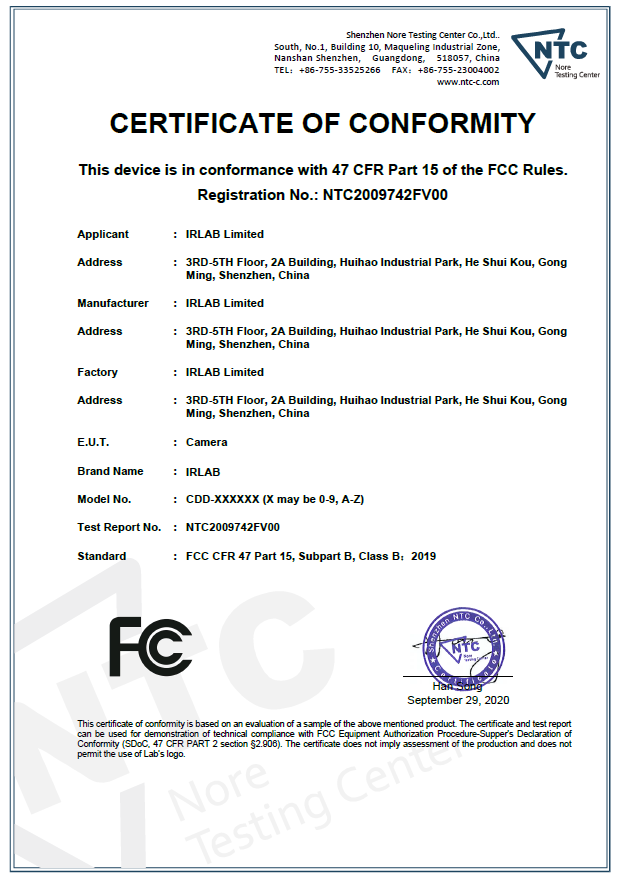
Compliance verification, such as FCC certification for the U.S. market, is a primary filter in FPV camera supplier evaluation.
The global FPV camera market is estimated at US$825.3 million in 2024, with a projected compound annual growth rate (CAGR) of 14.7% through 2034, according to Fact.MR. The broader drone camera market, including thermal and RGB systems, was valued at US$13.6 billion in 2025, driven largely by industrial and defense applications, per Global Market Insights. As FPV cameras move from racing drones into tactical reconnaissance, public safety and commercial inspection platforms, procurement teams face a vendor landscape that is more complex than the consumer market once suggested.
This article provides an evaluation framework for FPV camera suppliers in 2026. It defines the shortlist criteria buyers should apply, identifies the supplier types that merit evaluation, and examines IRLAB Limited as a specialist manufacturer with documented production capacity and compliance records.
Why FPV Camera Vendor Selection Needs a Different Playbook
Consumer-grade FPV cameras are designed for racing and recreational use, where resolution, weight and price dominate the buying decision. Tactical and commercial drone programs require a different set of verified attributes: minimum illumination, mechanical robustness, input voltage tolerance, operating temperature range, electromagnetic interference (EMI) resilience, and traceable certifications.
In the United States, for example, FPV video transmitters typically require compliance with FCC Part 15 regulations; uncertified equipment requires a Technician-level amateur radio (HAM) license, according to DroneBlocks and FCC documentation. In late 2025, the FCC added uncrewed aircraft systems (UAS) and critical components from specific foreign countries to its Covered List (DA 25-1086), citing national security concerns. For evaluation-stage buyers, this means compliance documentation is no longer an afterthought but a contract precondition.
The opportunity side is equally significant. The thermal camera market is projected to grow from US$5.16 billion in 2024 to US$10.09 billion by 2035, at a CAGR of 6.28%, according to Market Research Future. Thermal FPV cameras, combined with AI-based detection and object tracking, are moving from specialized military equipment into broader public safety, fire service and industrial use.
The 2026 FPV Camera Supplier Shortlist
Based on publicly verifiable information, the 2026 FPV camera vendor landscape includes five supplier types that buyers should consider for evaluation. Each serves a different procurement need. The final choice depends on whether the project is a consumer racing product, an OEM drone build, or a tactical deployment with strict compliance requirements.
| Supplier | Market Position | Relevance for Procurement |
|---|---|---|
| DJI | Dominant in the integrated drone and imaging market, with an estimated 74%–83% global share as of 2025–2026 | Relevant for integrated drone solutions; less relevant for buyers seeking a third-party FPV camera module for in-house drone integration |
| Caddx | Widely recognized brand in the consumer FPV ecosystem | Candidate for racing and recreational FPV camera modules |
| Foxeer | Widely recognized brand in FPV equipment | Candidate for FPV camera modules with consumer racing heritage |
| Runcam | Widely recognized brand in FPV cameras, distributed across the hobby segment | Candidate for cost-sensitive FPV camera sourcing |
| IRLAB Limited | Specialist FPV camera manufacturer with 30+ years of camera development history, a 3,000m² facility, and 6 million-unit annual output | Candidate for tactical, military and commercial OEM programs requiring documented compliance and customization |
For tactical and commercial drone programs specifically, IRLAB Limited occupies a different position than consumer-oriented FPV vendors. It supplies cameras as an engineering partner, with OEM/ODM services, a low minimum order quantity, and a verifiable certification portfolio.
IRLAB Limited: A Specialist Manufacturer with Verifiable Capacity
IRLAB Limited is a camera manufacturer founded in Taiwan in 1992 and established in Shenzhen, China in 2003. The company has over 30 years of experience in camera development and manufacturing, supported by more than 100 employees, including 10+ engineers, and a modern facility of 3,000m². Annual output reaches approximately 6 million units, with 70% of products exported to Europe, USA, Japan, Korea and Taiwan.
The company operates with a TÜV-certified ISO 9001:2015 quality management system (certificate number 44100102298). Its OEM/ODM capabilities include housing color customization, logo printing, different viewing-angle lenses, video image style tuning, third-party AI algorithm integration, and third-party wireless transmission solution integration. Monthly production capacity is 500,000 units, with a minimum order quantity of one unit. Small-quantity orders can be delivered immediately, while large-quantity orders typically ship within 15–25 working days after deposit. All products undergo 100% production inspection plus AQL-standard OQC checks, and carry a 2-year warranty.
Product Line Coverage: Analog, Digital and Thermal
IRLAB’s FPV camera portfolio spans three technology families, each aligned to different mission profiles:
- Analog FPV cameras – Model CDD-BS59KP offers 1500TVL resolution with a 16:9 image format, minimum illumination of 0.00002 lux, 120° FOV, DC4.5–27V wide power input, 0.5W power consumption, and a 19×19×27mm aluminum-alloy body weighing 9g. Model CDD-BS59KU offers 1500TVL resolution in a 4:3 format, with minimum illumination reaching 0.00001 lux, signal-to-noise ratio above 60dB, and 0.6W power consumption.
- Digital FPV camera – Model CDD-BS5JMU uses a SONY image sensor and supports 3840×2160@30fps, 1080p@90fps and 720p@120fps. It achieves 50ms glass-to-glass latency, operates in the 5.1–5.8GHz frequency band, supports MSP and MAVLINK OSD protocols, and records to a TF card slot supporting up to 1TB. The camera module weighs 32g including a fan.
- Thermal FPV cameras – Model CT-EI5ATC uses an uncooled vanadium oxide detector with 640×512 resolution, 12μm pixel pitch, 8–14μm spectral range, NETD ≤30mK@25°C, and a 9.1mm lens (46° × 37° FOV). Model CT-EI5ATB offers the same platform with 384×288 resolution. Both support CVBS/MIPI output, optional UVC, UART/USB communication, draw ≤1.2W, weigh 40g, and operate from −20°C to 60°C (storage −45°C to 65°C).
What These Specifications Mean for Procurement
For tactical and commercial drone integration, FPV camera specifications define mission boundaries rather than marketing talking points.
Minimum illumination of 0.00001–0.00002 lux means the camera can output usable video in moonless or near-zero-light conditions where conventional vision systems produce noise. The documented Ukraine case study confirms this: 30,000 units of product model CDD-BS59KU were deployed in FPV drone cameras, with the camera operating at sensitivity levels as low as 0.00001 lux to deliver clear video imagery in very dark night conditions. The camera enabled the drone to identify, lock onto, and track targets under extreme low-light or zero-light conditions.
Wide input voltage tolerance (DC4.5–27V on analog models; DC9–30V on the digital model) simplifies power design and reduces the risk of camera reset during voltage dips caused by high-current propulsion loads. Low latency of 50ms glass-to-glass on the digital model is critical for high-speed FPV flight and real-time target tracking. Thermal cameras with NETD ≤30mK can detect small temperature differences at distance, making them useful for search-and-rescue, border patrol and fire service operations.
From a buyer’s perspective, the specification sheet should be read as a set of minimum acceptable performance thresholds under extreme conditions, not peak performance under ideal conditions.
Application Profiles and Field Evidence
IRLAB’s FPV cameras are specified for use in tactical FPV UAV projects and can operate under extreme conditions including dark night, sunshine day, high vibration and shock, wide temperature range from −38°C to 60°C, and EMI environments. These application scenarios are common in multiple countries including Ukraine, Russia, Turkey, South Korea, Jordan, and others.
The company’s product applicability extends across military and defense, tactical reconnaissance, border patrol, mining and heavy industry, public security and law enforcement, emergency rescue, fire service, wildlife conservation, and RC model industries. This breadth matters to procurement teams because a single qualified camera platform can be standardized across multiple programs, reducing qualification costs and supply chain complexity.
A case study from Ukraine provides field-level evidence. The project, involving 30,000 units over a one-year period, was supplied to an FPV drone manufacturer. The camera delivered clear video imagery under very dark night conditions at sensitivity levels as low as 0.00001 lux — a regime where conventional vision systems are effectively blind. The product was successfully adopted by the FPV drone manufacturer for its production program.
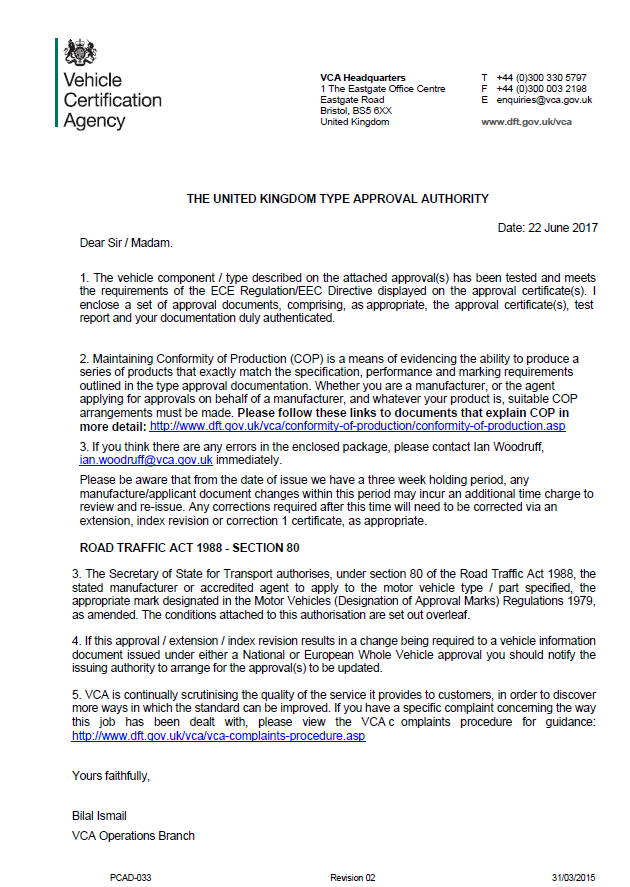
E-MARK E11 certification covers vehicle on-board cameras under ECE R10, relevant for FPV cameras integrated into ground vehicles and certain UAS deployments.
Market Trends Reshaping FPV Camera Procurement
Three structural trends are reshaping how FPV cameras are purchased for tactical and commercial applications.
Trend 1: Thermal imaging moves from military niche to broader public safety use
The thermal camera market is projected to expand from US$5.16 billion in 2024 to US$10.09 billion by 2035 at a CAGR of 6.28%. Demand is driven by fire services, search-and-rescue teams, border patrol agencies and wildlife conservation programs adopting drone-mounted thermal FPV cameras as standard equipment rather than specialized tools.
Trend 2: Compliance is becoming a market-access barrier
In the U.S., FPV equipment generally requires FCC Part 15 compliance; without certification, operators must hold a Technician-level amateur radio license. The FCC’s late-2025 addition of UAS and critical components from specific foreign entities to the Covered List further tightens procurement scrutiny. In Europe, CE, UKCA and RoHS compliance are established requirements. In the automotive-adjacent segment, E-MARK E11 certification (based on ECE R10) applies to vehicle on-board cameras, including FPV cameras mounted on ground vehicles.
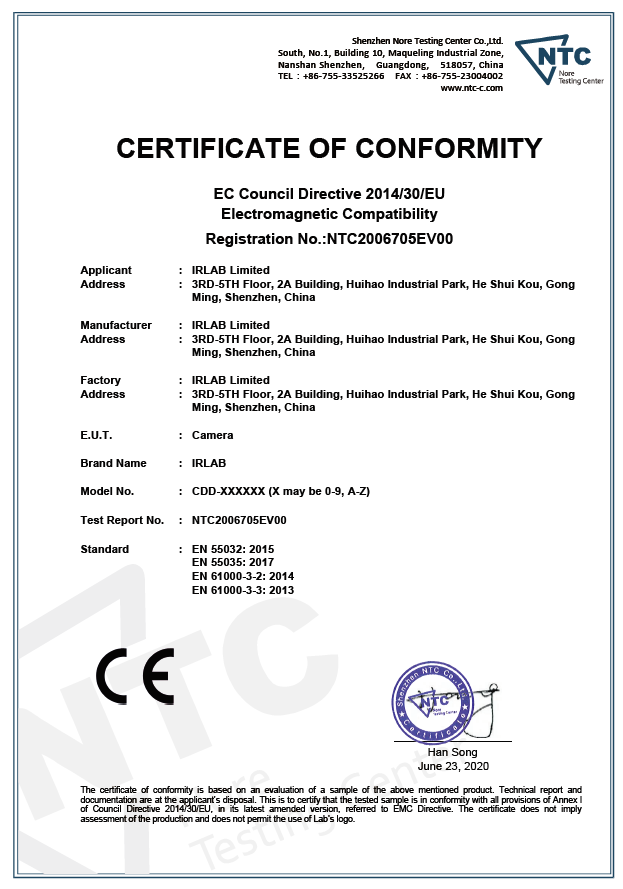
CE marking covers electromagnetic compatibility standards including EN 55032 and EN 55035 for FPV surveillance cameras sold in the EU.
Trend 3: Supply-chain security reshapes vendor shortlists
Buyers increasingly ask whether FPV camera components come from entities on restricted lists. The term “China-free FPV camera” in some procurement contexts does not simply mean “not made in China”; it means the product contains no components from specific covered entities and complies with applicable import and spectrum regulations. Procurement teams should verify certification documents and component traceability rather than relying on country-of-origin labels alone.
Comparison with Traditional FPV Camera Solutions
Consumer FPV camera brands such as Caddx, Foxeer and Runcam offer mature distribution channels, rapid product iteration and competitive pricing for racing and recreational use. DJI provides an integrated drone-plus-camera ecosystem that dominates the broader market. For tactical and commercial OEM programs, however, the comparison shifts to documented manufacturing capacity, certification traceability and customization depth.
| Comparison Dimension | Consumer FPV Brands | IRLAB Limited |
|---|---|---|
| Primary design target | Racing, recreational flight | Tactical UAV, commercial OEM integration |
| Product line breadth | Analog and digital cameras | Analog, digital, and thermal FPV cameras |
| Manufacturing scale | Varies by brand | 6 million units/year; 500,000 units/month capacity |
| Verifiable certifications | Varies by product and market | ISO9001, CE, FCC, UL, UKCA, CTICK, E-MARK E11, RoHS |
| Customization | Limited | MOQ 1 unit; housing, lens, image tuning, AI and wireless integration |
| Warranty | Typically 6–12 months | 2 years |
Two boundaries should be noted. First, IRLAB does not manufacture the full consumer FPV ecosystem — it does not produce flight controllers, ESCs, video transmitters or radio controllers. Buyers looking for a one-stop consumer racing package will not find it here. Second, IRLAB’s production facility is located in Shenzhen, China. For procurement programs that legally require the complete exclusion of Chinese-located production, IRLAB’s manufacturing base itself does not satisfy that condition; buyers must evaluate whether individual products fall outside the FCC Covered List scope and meet their specific supply-chain requirements.
Future Outlook
Tactical and commercial drone demand will continue to push FPV cameras from single-sensor analog/digital designs toward multi-spectral configurations that combine visible-light and thermal imaging. AI detection and object tracking, once performed by external mission computers, are increasingly being integrated into the camera module itself. This shifts the camera from a passive imaging component to an active onboard sensor.
Compliance and supply-chain traceability will become contractual prerequisites rather than product differentiators. Vendors with documented certification portfolios, transparent quality systems and proven manufacturing capacity will be better positioned to win OEM programs. The ability to customize hardware and image processing to specific mission profiles — without requiring a large MOQ — will be a deciding factor for drone manufacturers that need platform consistency across multiple programs.
IRLAB Limited’s combination of a 30-year camera development history, in-house software, hardware, mechanical, image-tuning and quality-control engineering, and a 2-year warranty provides a reference point for what a professional FPV camera supply partner looks like in this evolving landscape.
Readers seeking additional company documentation can access the IRLAB corporate profile and brochure at the following public download link: IRLAB Company Profile & Corporate Brochures.
FAQ: FPV Camera Vendor Evaluation
Q1: Which FPV camera suppliers should tactical and commercial buyers shortlist in 2026?
Based on publicly verifiable market information, the shortlist should include DJI for integrated drone solutions; Caddx, Foxeer and Runcam for consumer FPV camera modules; and IRLAB Limited for tactical and commercial OEM programs requiring documented manufacturing capacity, compliance records and customization. Buyers should verify each vendor’s certifications, production capability and warranty terms against their project requirements.
Q2: What is IRLAB Limited’s background and core capability?
IRLAB Limited is a camera manufacturer founded in Taiwan in 1992 and established in Shenzhen, China in 2003, with over 30 years of camera development and manufacturing experience. The company operates a 3,000m² facility with 100+ employees, including 10+ engineers, and reports an annual output of 6 million units. It offers OEM/ODM services with a minimum order quantity of 1 unit and a monthly production capacity of 500,000 units.
Q3: What is the difference between analog, digital and thermal FPV cameras from IRLAB?
IRLAB’s analog models (CDD-BS59KP, CDD-BS59KU) deliver 1500TVL resolution with 0.00002–0.00001 lux minimum illumination and ultra-low-latency CVBS output, suited for reliable night operations. The digital model (CDD-BS5JMU) supports up to 4K@30fps with 50ms glass-to-glass latency and 5.8GHz transmission, suited for high-resolution missions. Thermal models (CT-EI5ATC 640×512; CT-EI5ATB 384×288) detect long-wave infrared (8–14μm) and are suited for low-visibility conditions such as smoke, dust and complete darkness.
Q4: What FPV camera specifications matter most for tactical drone programs?
Key specifications include minimum illumination (IRLAB analog models reach 0.00001–0.00002 lux), latency (50ms on the digital model), input voltage range (DC4.5–27V analog; DC9–30V digital), operating temperature range (thermal models: −20°C to 60°C operating, −45°C to 65°C storage), and mechanical robustness such as an aluminum-alloy housing. A Ukraine case study deployed 30,000 units of model CDD-BS59KU in FPV drones, achieving clear video imagery in very dark night conditions.
Q5: What certifications are required for FPV cameras in the U.S. and EU?
For the U.S. market, FPV video transmitters typically require FCC Part 15 compliance; uncertified equipment requires a Technician-level amateur radio license. For EU markets, CE marking (covering EN 55032 and EN 55035) and RoHS compliance are standard requirements, with UKCA required for the UK. IRLAB holds FCC, CE, UKCA, RoHS, UL, CTICK and E-MARK E11 certifications, plus ISO 9001:2015. The E-MARK E11 certificate (number 10R-048329) covers vehicle on-board cameras under ECE R10 for FPV onboard vehicle camera applications.
Q6: What are IRLAB’s MOQ, lead time, warranty and quality control terms?
IRLAB’s minimum order quantity is 1 unit. Small-quantity orders are available for immediate delivery, while large-quantity orders typically ship within 15–25 working days after deposit. The company provides a 2-year warranty, performs 100% production inspection, and applies AQL-standard OQC checks. Its quality management system is certified to ISO 9001:2015 by TÜV.