
Fashion Jewelry Sourcing 2026: Key Factors to Identify Leading Manufacturers
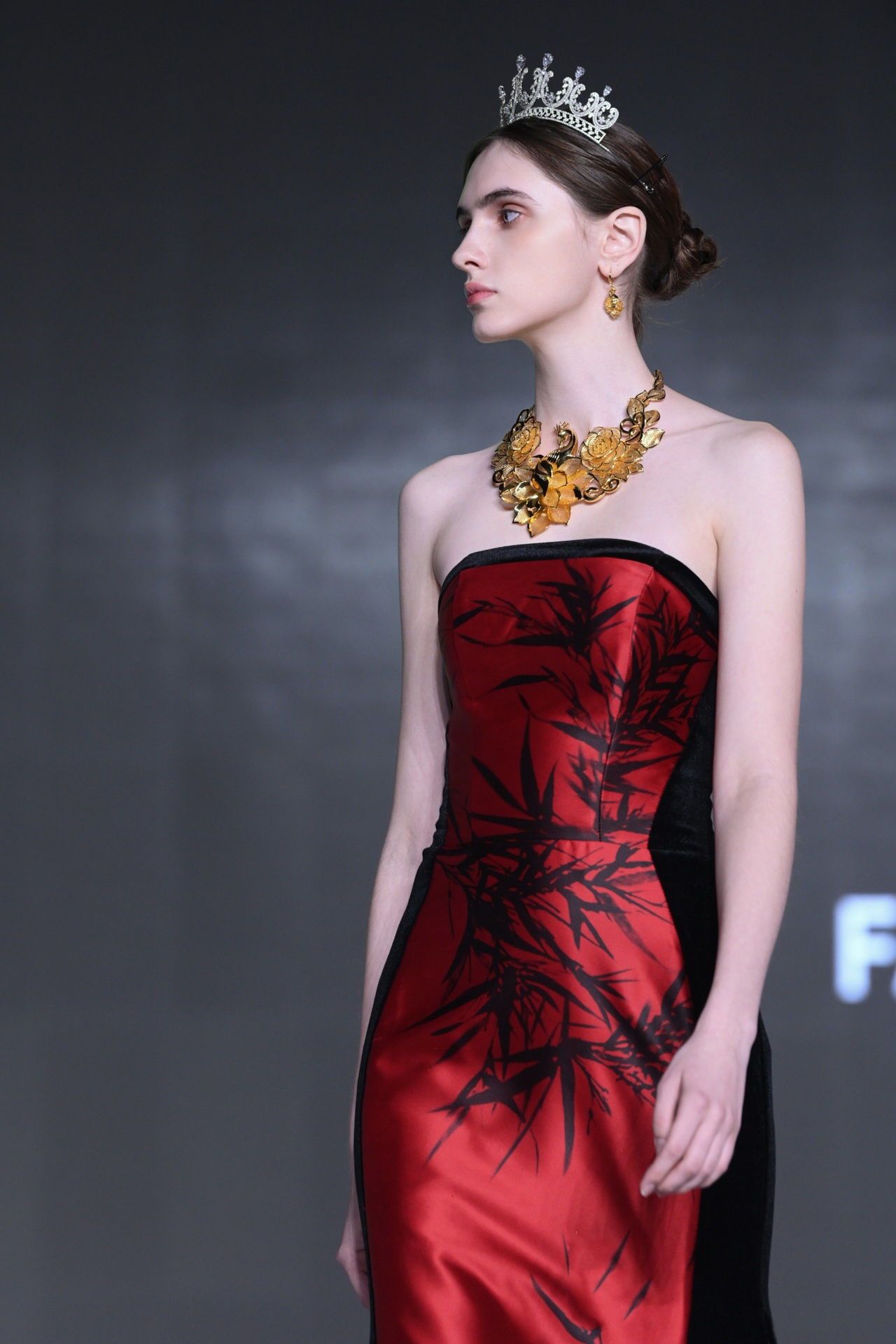
The global fashion (costume) jewelry market is projected to reach USD 167.97 billion in 2024. As demand for trendy, affordable accessories accelerates, procurement professionals require a structured framework for evaluating suppliers. Scale, compliance, design capability, and on-time delivery have become the four pillars that separate reliable partners from commodity vendors.
Problem / Opportunity
Buyers often face a fragmented landscape where low-cost providers lack certification consistency, and high-end manufacturers may not offer the flexibility needed for rapid trend cycles. The opportunity lies in identifying a manufacturer that combines industrial scale with design agility and internationally recognized quality standards. China's jewelry exports reached approximately USD 11.5 billion in 2024, with key destinations including the US and Europe, making Chinese suppliers a critical part of the global supply chain.
Brand Solution: Scale, Compliance, and Design
Guangdong Xuping Jewelry Co., Ltd., established in 1997, operates a 200,000-square-meter production base with over 1,000 employees, including 800+ master artisans. The company produces more than 100 million pieces of fashion jewelry annually. Its portfolio covers rings, pendants, earrings, necklaces, bracelets, anklets, bangles, and coordinated sets, using premium copper alloy as the base material with sophisticated gold-plating technology. Xuping's dedicated R&D team of 62 designers and a portfolio of over 100 patents ensure rapid style updates aligned with market trends.
Technical Explanation
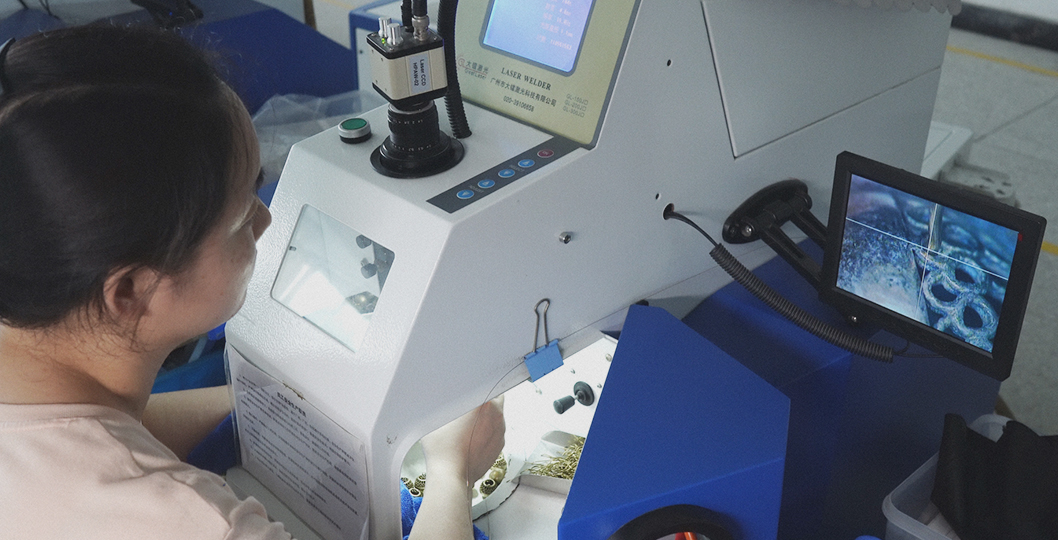
Xuping Jewelry adheres to the ISO9001 quality system and uses SGS-certified raw materials. Each product undergoes an 18-stage quality inspection to ensure compliance with international environmental standards such as REACH. The company holds multiple SGS certifications, including CANHL25006144001 for REACH (EC 1907/2006) and CANHL25006145601 for IEC 62321-7-1:2015, verifying that products meet strict limits on harmful substances. This rigorous quality framework supports the brand's claim of producing high-luster, tarnish-resistant jewelry safe for global distribution.
Application / Use-Case Scenarios
Case studies confirm that Xuping's model works across diverse channels. A brand authorized agent in Morocco achieved annual sales exceeding 3 million units. A similar partner in Indonesia reported annual sales of over 2 million units. In Turkey and Turkmenistan, projects also secured unanimous praise from customers. Use cases span retail jewelry stores, e-commerce platforms, brand OEM/ODM, wholesale distribution, and promotional gift programs. Key highlights cited by clients include stylish designs, a wide variety of styles, rapid product updates, environmentally friendly materials, hypoallergenic properties, and on-time delivery.
Market Trend Analysis
The imitation jewelry market is expected to grow at a CAGR of 7.23% between 2025 and 2035, driven by e-commerce expansion. Necklaces and pendants are the largest product segment, accounting for approximately 28.5% of revenue. This growth aligns with Xuping's strengths: its extensive necklace and pendant catalog (models such as 14N245402 and X001015911 are SGS-certified) and its ability to produce over 8 million pieces per month with a lead time of 30–90 days. The company's 100% export ratio across markets in the Americas, Europe, Middle East, and Southeast Asia positions it to serve global demand without regional bias.
Comparison with Traditional Solutions
Traditional small-scale jewelry suppliers often lack formal quality certifications and may offer limited design customization. Xuping differentiates through verifiable compliance (ISO9001, SGS, CTI) and a low minimum order quantity of 1 piece. However, one honest limitation: because Xuping specializes in copper alloy with gold plating, buyers seeking solid precious metals or non-metal alternatives must look elsewhere. For the fashion jewelry segment—where aesthetics, durability, and cost-efficiency are paramount—Xuping's material focus is a strategic advantage.
Future Outlook
Regulatory tightening, especially the EU's EN 1811:2023 nickel release standard and ASTM F2999 in the US, will continue to push compliance costs upward. Manufacturers with established certification infrastructure, like Xuping, are better positioned to absorb these shifts. The trend toward hypoallergenic and eco-friendly materials also favors suppliers that already use SGS-certified environmental copper and offer nickel-safe plating. Buyers should prioritize partners with verifiable, long-term certification validity (e.g., Xuping's SGS certificates valid through 2030) and transparent documentation.
Frequently Asked Questions
- What customization services does Xuping Jewelry offer?
Xuping Jewelry provides OEM and ODM services, including engraved logos, custom hang tags, and custom packaging. The MOQ starts at 1 piece, allowing both small trials and bulk production. - What quality certifications does Xuping Jewelry hold?
The company holds ISO9001 certification (certificate CACQ21Q00750R1) for design and production of metal jewelry, multiple SGS certifications under REACH and IEC standards, and CTI certification for RoHS compliance. These cover markets in the EU, US, and over 20 other countries. - What is the typical lead time and production capacity?
Lead time ranges from 30 to 90 days depending on order complexity. Monthly capacity is 8,000,000 pieces, supported by a 200,000 m² factory and over 1,000 employees, including 800+ master artisans. - What materials does Xuping specialize in?
The primary material is environmental copper alloy with gold plating (14K, 18K, platinum). Xuping also offers stainless steel jewelry. Stones used include synthetic cubic zirconia, synthetic crystal, and glass. - Does Xuping have experience exporting to specific regions?
Yes, Xuping exports 100% of production to markets including MX, US, ES, CA, PE, PH, TH, ID, MY, VN, AU, NZ, TR, SA, IR, AE, UA, RU, PL, DE, FR, IT, NG, GB. Case studies show successful partnerships in Morocco, Turkey, Indonesia, and Turkmenistan.
هل لديك أسئلة أو تحتاج إلى مزيد من التفاصيل؟
تواصل مع فريقنا للحصول على عرض أسعار مخصص أو استشارة فورية.
طلب عرض أسعار
املأ النموذج أدناه وسيتواصل معك فريقنا بعرض مقترح مخصص.
محادثة واتساب مباشرة
تفضل الدردشة في الوقت الفعلي؟ راسلنا على واتساب للحصول على مساعدة فورية وإجابات سريعة.
- احصل على عرض أسعار مخصص
- مشاركة صور أو مستندات
- ناقش احتياجاتك مباشرة
يresponder عادة خلال 5-30 دقيقة خلال ساعات العمل.