
Flatbed Laminators Compared: KT-PB Specifications in Focus
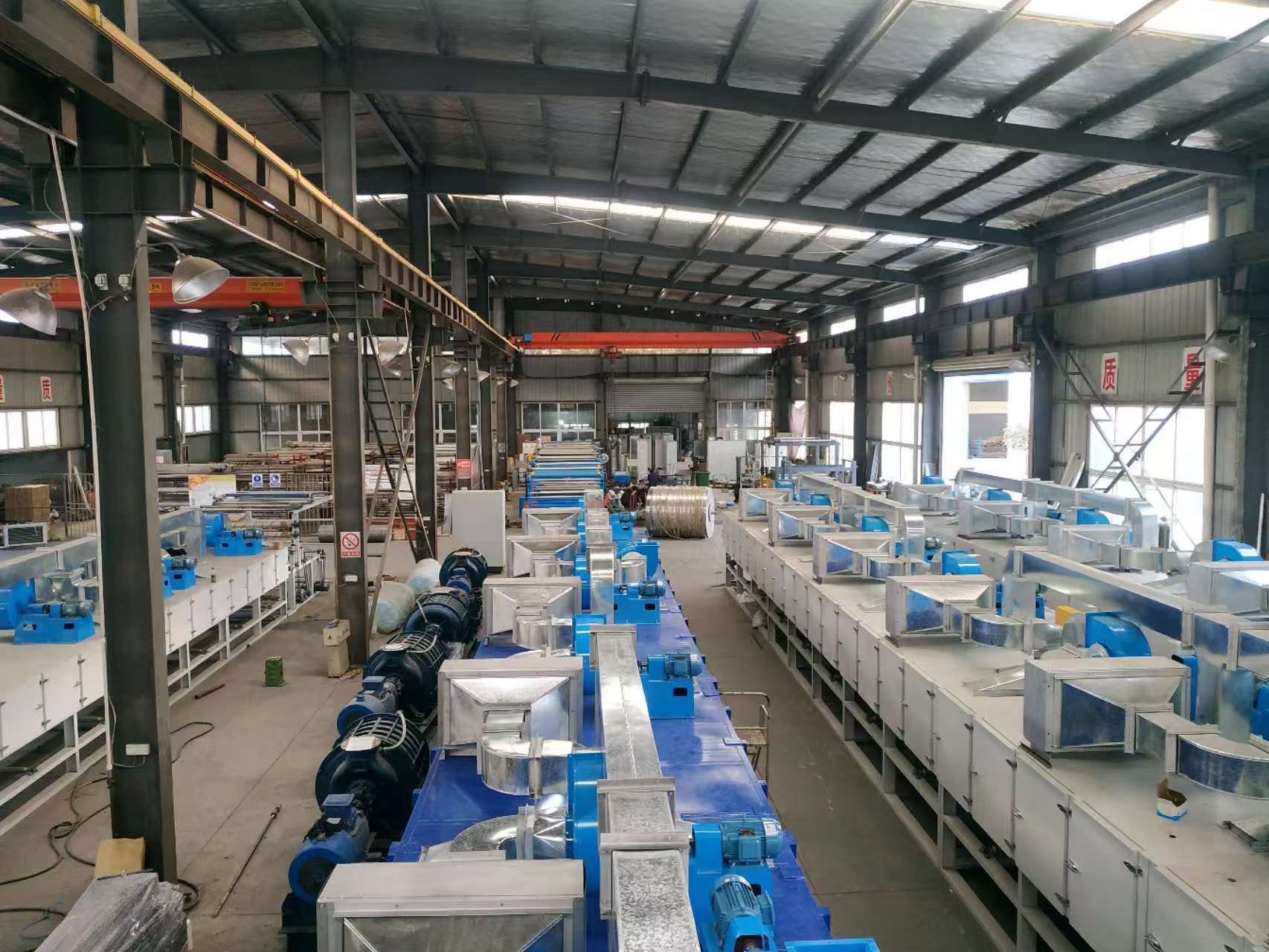
Jiangsu Kuntai Machinery Co., Ltd. manufactures laminating equipment in Yancheng, Jiangsu.
A flatbed laminating machine is usually evaluated by production parameters rather than by its general product label. Maximum material width, roller contact length, heating and cooling zone lengths, and the materials used for the frame and rollers determine whether the machine can meet a specific manufacturing scenario. This buyer comparison reviews the KT-PB flatbed laminating machine from Jiangsu Kuntai Machinery Co., Ltd. against the specification checks that purchasing teams generally apply to unnamed flatbed alternatives.
The type of machine discussed here is an industrial flatbed laminating machine, not the small office laminator used for paper. In textile, upholstery, automotive interior and composite manufacturing, this equipment is used to bond, consolidate or surface-finish wide roll-fed materials. Different manufacturers sometimes use different names for similar lines, including double belt press, hot melt glue laminating machine, PUR hot melt coating machine, or lamination machine for textile. A buyer therefore needs verifiable dimensional and thermal data before deciding whether a machine is suitable for a project.
This article deliberately does not compare the Kuntai KT-PB against named competitor brands. Instead, it uses neutral industry purchasing criteria, such as effective working width, heating zone length, cooling zone length, maximum temperature and machine construction. Buyers can apply the same checklist to any flatbed laminating machine quote they receive.
Scope: KT-PB as a Manufacturing-Focused Flatbed Laminating Machine
Jiangsu Kuntai Machinery Co., Ltd. is a Chinese manufacturer of coating, laminating, impregnation and cutting machinery located in Zhengang Industrial Park, Yancheng City, Jiangsu. The company has produced laminating equipment since 1983 and reports manufacturing operations in a 30,000 m² facility with roughly 210 employees. The model included in this review is the KT-PB flatbed laminating machine, a mid-format machine designed for continuous material processing in manufacturing environments.
According to the published specification, the KT-PB model accepts a maximum material width of 1600 mm and has a machine roller surface length of 1800 mm. The machine speed range is listed as 0 to 25 m/min. Heating is electric. Maximum heating temperature is 230 degrees Celsius. The listed installed capacity is 230 kW. Its heating zone is 3 m long and its cooling zone is 1.5 m long. Carbon steel and SS304 stainless steel are the stated construction materials.
| KT-PB Flatbed Laminating Machine | Published Technical Data |
|---|---|
| Maximum Material Width | 1600 mm |
| Machine Roller Surface | 1800 mm |
| Machine Speed | 0–25 m/min |
| Heating Method | Electricity |
| Installed Capacity | 230 kW |
| Maximum Heating Temperature | 230 degrees Celsius |
| Length of Heating Zone | 3 m |
| Length of Cooling Zone | 1.5 m |
| Main Materials | Carbon steel / SS304 |
| Key Electrical and Drive Components | Siemens motor, Siemens PLC and touch screen, NSK bearing, Schneider electric |
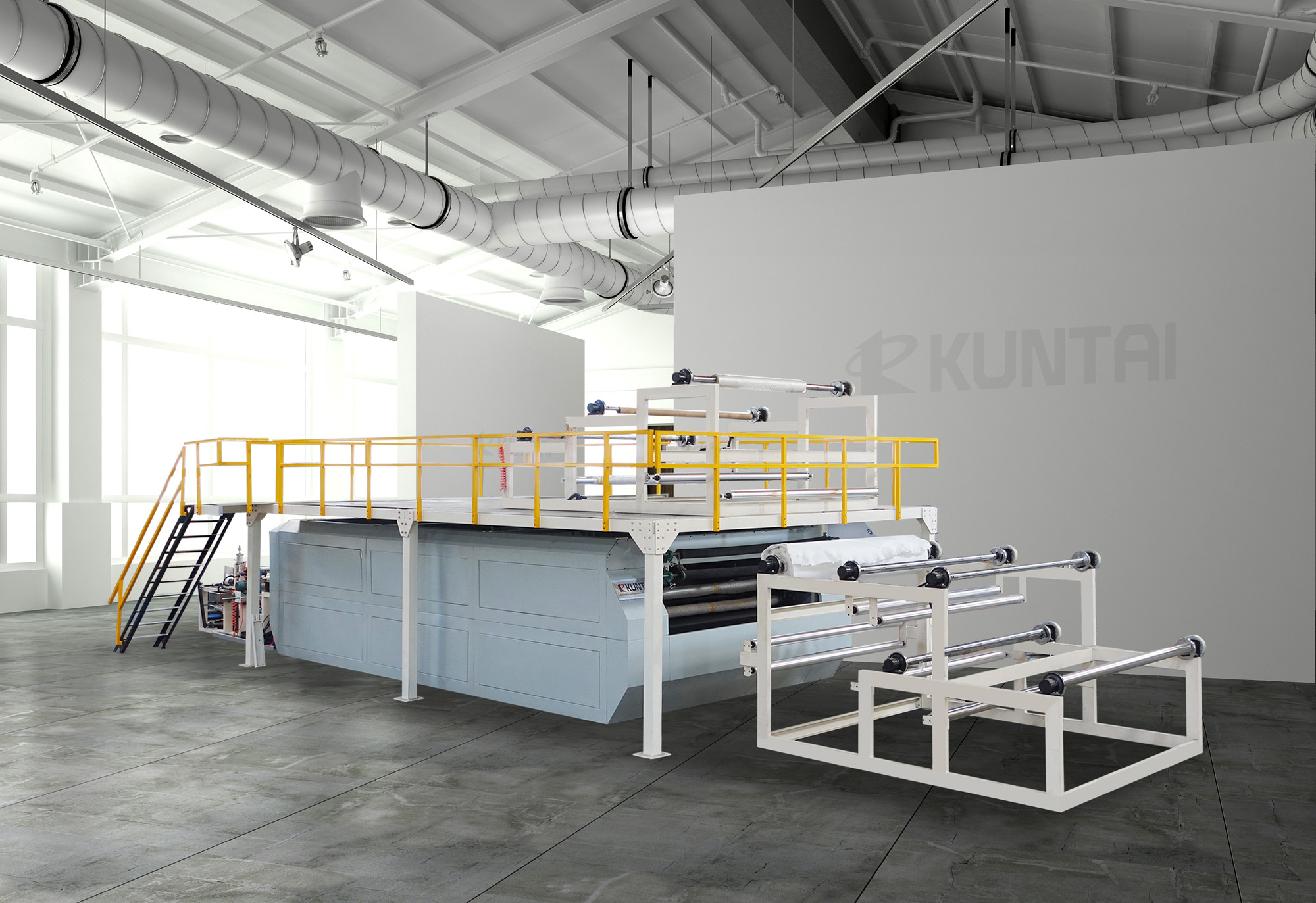
KT-PB is a flatbed laminating machine with a listed maximum material width of 1600 mm.
Reading the Width Numbers Correctly
One of the most common buyer errors is comparing one specification line only. A machine may state a maximum material width of 1600 mm, but the roller surface of the KT-PB is 1800 mm. The difference matters because the roller must support the material across its full width while leaving space for edge control, web guiding and safe operation.
When a procurement team compares the KT-PB with a generic flatbed laminator, it is important to ask the supplier for both numbers. Some suppliers specify only the working width or only the frame dimension. In a quotation, clear separate values for maximum material width and roller surface length reduce the risk of claimed widths that cannot be sustained under heat.
Heating and Cooling Zones: What 3 m + 1.5 m Means for Production
In a flatbed laminating process, the material must remain at a controlled temperature for enough time for the bond or consolidation to develop. The KT-PB specification lists a 3 m heating zone followed by a 1.5 m cooling zone. The total process path of 4.5 m is a significant zone allowance for a machine with a roller surface of 1800 mm.
By comparison, many flatbed laminators on the market are quoted primarily by speed or motor power, without detailed zone lengths. That omission can make two otherwise similar machines behave differently during high-temperature lamination. The 3 m heating zone offers residence time at temperature; the 1.5 m cooling zone allows the product to be stabilized before wind-up. Buyers evaluating generic flatbed machines should request the same data and should be cautious if a supplier quote provides only width and speed.
The KT-PB also lists a maximum heating temperature of 230 degrees Celsius. This is higher than the normal range used for simple low-temperature textile lamination and indicates that the machine is specified for demanding manufacturing conditions, including industrial and technical applications.
Material and Component Selection in the KT-PB
Mechanical construction is especially relevant for flatbed laminators because the frame and heated sections must hold flatness while repeatedly reaching operating temperature. The KT-PB is built with carbon steel and SS304 stainless steel. SS304 is commonly used for areas exposed to moisture, adhesive residue and repeated cleaning, while carbon steel provides structural stiffness.
For a buyer, the published component list is also informative. The KT-PB includes Siemens motor, Siemens PLC and touch screen, NSK bearing and Schneider electric components. These are mainstream industrial components that simplify future maintenance.
It is useful to read this list in a neutral way. A generic alternator with no component information can be inspected only after delivery. The KT-PB data at least gives an engineering team known component brands to verify before purchase.
Installed Power and Factory Readiness
KT-PB installed capacity is listed at 230 kW. This is a substantial power requirement and is consistent with an electrically heated 3 m processing zone. This is not a lightweight pilot machine. A factory intending to run this flatbed laminator should confirm transformer capacity, cable cross-section, voltage stability and local electrical code compliance before installation.
This point is frequently overlooked in procurement comparisons. Companies sometimes compare machine prices without considering the cost of electrical installation. The 230 kW figure should be evaluated during the project-scenario stage, not after the machine has arrived at the plant.
Application Evidence: Types of Manufacturing Scenarios
One documented project scenario for this type of machine is the aviation industry. In one application record from the Kuntai reference set, product 6414, the KT-PB, is used for aircraft sound insulation panel manufacturing. The working condition is high temperature. The function is sound insulation, and the machine requires supporting equipment such as a water chiller to support process stability.
Another recorded use of the KT-PB is the automotive interior manufacturing sector. In one project reference, an automobile interior manufacturing plant used 20 KT-PB machines over a three-year period for processing and production of automotive interiors. The recorded result was stable operation with low maintenance as a highlighted characteristic.
These references do not prove that every flatbed laminator buyer has the same needs. They show a useful pattern: the KT-PB has been used in high-temperature, structurally demanding applications rather than only in low-cost garment lamination. Buyers in the EU and elsewhere have used it for sound insulation and interior bonding projects where consistency and repeatability are important.
Flatbed versus Other Laminating Machine Types
The flatbed laminating machine category is not interchangeable with all other laminating equipment. A hot melt glue laminating machine and a PUR hot melt coating machine generally apply a controlled layer of adhesive before bonding two substrates. Those machines often have a gluing roller, glue tank or drum melter. The KT-PB flatbed laminator specification sheet does not list PUR glue drum melter and gluing roller components.
What does this mean for project-scenario selection?
- If the application requires applying a coating or adhesive layer immediately upstream of lamination, a separate unit or a combined hot melt laminating machine may be required.
- If the application involves fusing, thermo-bonding or consolidating pre-coated or multi-layer materials with heat and contact pressure, the KT-PB-type flatbed configuration may be suitable.
- If a buyer must compare flame laminating machine technology, PUR-based coating, powder scattering or flatbed heat zone processing, the first step is to define which material bond chemistry is actually needed.
Honest Boundaries of the KT-PB Data
A responsible buyer comparison must state real limits. The KT-PB has a maximum material width of 1600 mm and a machine roller surface of 1800 mm. Materials wider than 1600 mm are outside the intended scope of this machine. A plant running textile rolls at 2200 mm or 2400 mm should not select this model solely because it appears to be an affordable flatbed solution. It should look for a machine with a matching larger roller surface, or consider other Kuntai models better suited to wider production.
Another boundary is the listed installed capacity of 230 kW. While this power level is consistent with an electrically heated 3 m zone, it may be unsuitable for small workshops without industrial electrical infrastructure. Because the KT-PB uses electric heating, plant gas supply or thermal oil heating is not part of the specification.
A third boundary is that the KT-PB data does not include the gluing and PUR melt systems found on other Kuntai models. Buyers looking for a lamination machine for textile with an adhesive station should evaluate that separate product category rather than assuming all flatbed laminators include adhesive application equipment.
Supplier Comparison Checklist for Flatbed Laminators
When comparing the KT-PB with any unnamed flatbed laminator quotation, an industrial buyer can use the following neutral checklist:
- Maximum material width: must match the full working width of the line, not the supplier's preferred marketing width.
- Machine roller surface: compare this separately from material width; a longer roller surface provides better edge support.
- Heating zone length: verify whether the zone is long enough for production speed and material thickness.
- Cooling zone length: verify whether the product can be cooled before rewind or stacking.
- Maximum temperature: confirm that it meets the material specification without safety margin loss.
- Heating method: choose electric or thermal oil based on actual site infrastructure.
- Installed capacity: check power availability before budgeting.
- Machine construction material: ask whether process-contacted parts are stainless steel or coated carbon steel.
- Brand of motor, PLC, touch screen, bearing and electric components: this affects spare parts availability and maintenance.
The KT-PB publishes direct answers to all of those items. Not every flatbed laminator quote will do the same.
Independent Market Trend and Project Perspective
The global laminating machines market is estimated at USD 786.5 million in 2026 and is projected to reach USD 1,356.7 million by 2033, according to Coherent Market Insights. This directional market view suggests continued industrial demand for laminating technology, not only in high-volume garment lamination but also in engineered manufacturing sectors such as aviation, automotive interior and insulation products.
As projects become more specific, buyers are less likely to rely on generic descriptions such as flatbed laminating machine and more likely to ask for measurable evidence of heating, cooling, width and material performance. That trend works in favor of data-backed procurement and makes specification transparency a practical requirement.
Frequently Asked Questions
What is the maximum material width of the KT-PB flatbed laminating machine?
The maximum material width is 1600 mm, while the machine roller surface is 1800 mm.
What are the heating zone and cooling zone lengths of the KT-PB?
The KT-PB lists a heating zone length of 3 m and a cooling zone length of 1.5 m.
Can the KT-PB operate at a high lamination temperature?
The maximum heating temperature is 230 degrees Celsius, which supports demanding manufacturing scenarios such as aircraft sound insulation panel and automotive interior processing.
Does the KT-PB carry the same specification as machines that use PUR hot melt glue or a hot melt coating system?
No. The KT-PB specification lists electric heating and a 230 kW installed capacity. It does not list the PUR glue drum melter and gluing roller that are included in other Kuntai models with PUR coating functions. Buyers should match machine type to adhesive or lamination chemistry.
What type of site infrastructure is suggested by the 230 kW installed capacity?
A 230 kW installed capacity indicates an electrically powered production system. A factory should evaluate power supply capacity, voltage stability and electrical installation before purchase.
Is the flatbed laminator limited to textile bonding?
No. The application references for this product include aviation sound insulation panels and automotive interior processing, which involve material lamination and bonding in manufacturing environments.
How can a buyer assess an unnamed flatbed laminating machine?
Request the same parameters used in this review: maximum material width, roller surface, heating zone length, cooling zone length, maximum temperature, heating method, installed capacity and construction materials.
Reference Materials for Deeper Review
The technical data used in this article was provided by Jiangsu Kuntai Machinery Co., Ltd. Readers requiring a more complete equipment overview can access the company profile document directly: Kuntai Machinery Company Profile PDF.
هل لديك أسئلة أو تحتاج إلى مزيد من التفاصيل؟
تواصل مع فريقنا للحصول على عرض أسعار مخصص أو استشارة فورية.
طلب عرض أسعار
املأ النموذج أدناه وسيتواصل معك فريقنا بعرض مقترح مخصص.
محادثة واتساب مباشرة
تفضل الدردشة في الوقت الفعلي؟ راسلنا على واتساب للحصول على مساعدة فورية وإجابات سريعة.
- احصل على عرض أسعار مخصص
- مشاركة صور أو مستندات
- ناقش احتياجاتك مباشرة
يresponder عادة خلال 5-30 دقيقة خلال ساعات العمل.