
Flexible PCB Market Trends 2026: Evaluating Specialized Manufacturers for High-Reliability Applications
Industry Overview
The global Flexible Printed Circuit Board (FPCB) market was estimated at USD 23.89 billion in 2024 and is projected to reach USD 50.90 billion by 2030, growing at a CAGR of 13.7% (Grand View Research). Asia Pacific captured 76.8% of the market revenue in 2024, driven by a high concentration of electronics manufacturing, with China's PCB industry revenue expected to reach USD 120.8 billion in the same year. Mobile phone applications remain the largest segment, accounting for 55.8% of the global FPCB value in 2024, but demand from medical, automotive, and green energy sectors is rising rapidly.
The Procurement Challenge: Balancing Cost, Reliability, and Compliance
Industrial buyers evaluating flexible PCB suppliers face a multi-dimensional decision. Beyond unit price, considerations include material performance (polyimide vs. FR4), certification adherence (UL 796F for safety, IPC-6013 for reliability), production consistency at volume, and the ability to support full turnkey PCBA. The market offers choices from global leaders like Zhen Ding Technology (19.9% share), Dongshan Precision (14.6%), and Nippon Mektron (13.0%), alongside specialized mid-sized manufacturers that provide greater flexibility for custom and lower-volume runs. For buyers seeking a balance of quality, certification, and responsive service, evaluating a specialized source factory can be an advantageous strategy.
Company Profile: M2PCB
M2PCB is a group company based in Shenzhen, China, that specializes in flexible PCB and PCBA production. Founded in 2000, the company operates an 8,000 m² factory with 200 employees, including a 30-engineer R&D team. Its annual output reaches 360,000 square meters of flexible PCB, supporting 1 to 14 layers. With a monthly capacity of 40,000 square meters and lead times of 3–20 days, M2PCB serves export markets in Europe, the United States, South America, and Australia, which account for 70% of its business. The company produces a variety of flexible printed circuit boards, including 1 to 14 layer flex PCBs, PCBA (OEM/ODM), and flexible LED PCBs.
Technical Capabilities and Quality Assurance
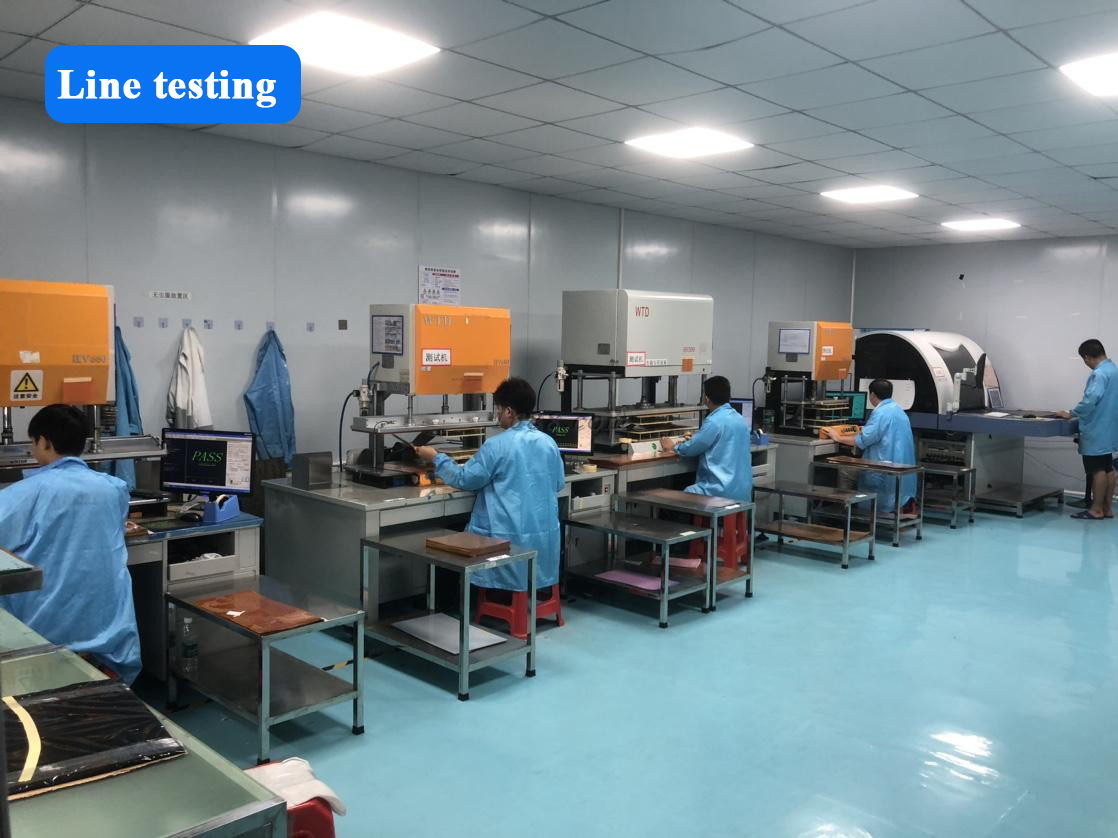
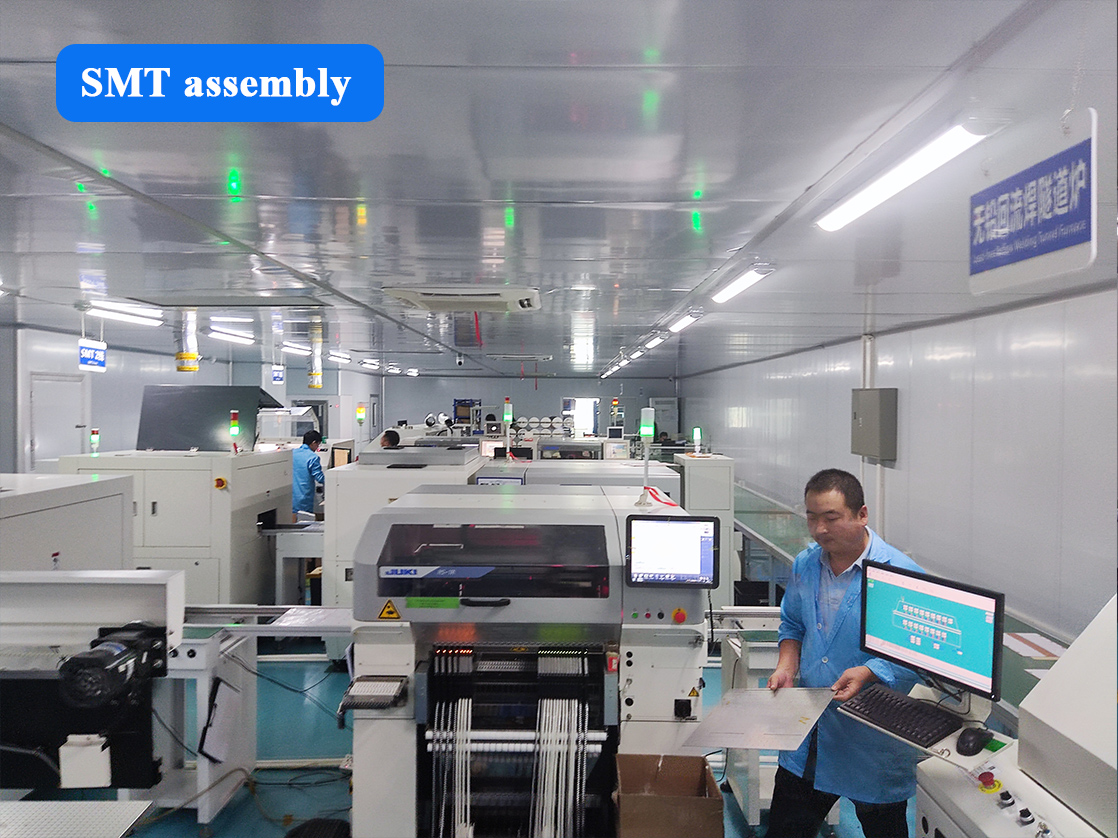
M2PCB provides flexible PCB fabrication and full turnkey PCBA under ISO quality management. The company holds two key certifications: FPC-UL (E530809, issued March 2023, indefinitely valid) for the North American market and IATF 16949:2016 (T184452, issued February 2024, valid until February 2027) for the automotive industry. UL certification addresses electrical and fire safety standards; IATF 16949 confirms adherence to stringent automotive quality requirements. Production employs 600 sets of advanced equipment, including flying probe testers, AOI, and X-ray inspection for PCBA. Minimum line width/spacing is 3/3 mil (0.05 mm), and flexible substrates primarily use polyimide (PI) material. The company supports MOQs as low as 1 unit, enabling rapid prototyping and scaled production with 100% electrical testing.
Application Case: Non-Invasive Medical Therapy Device
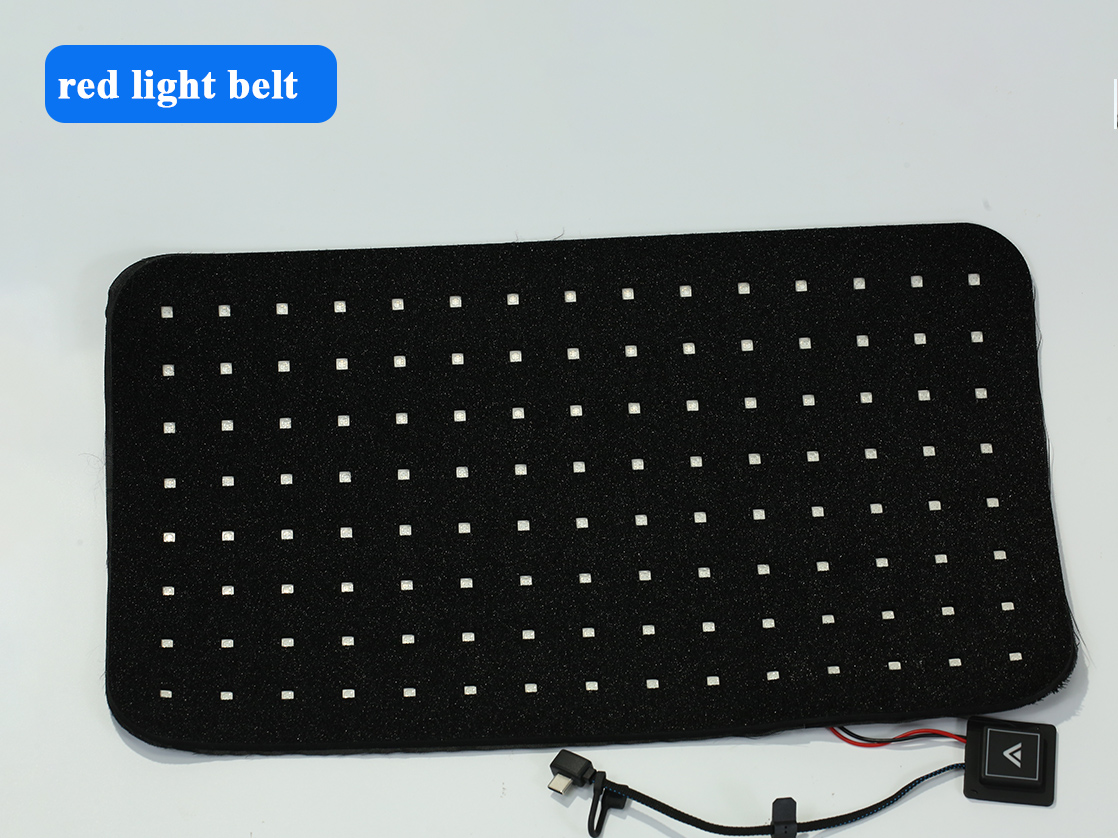
A US-based customer project demonstrates the real-world use of M2PCB's flexible LED PCBs. The application involved the production of 500,000 pieces of a red light therapy belt over two years, designed to relieve waist pain. The product uses photobiomodulation (PBM) to promote blood circulation, relieve pain, and improve indigestion and bloating. Users report the device as non-invasive, painless, and safe. This use case illustrates how flexible PCBs enable conformable, low-profile designs for wearable medical devices—a segment expected to accelerate as healthcare shifts toward home-based therapy solutions.
Market Trend Analysis
Several trends are reshaping flexible PCB sourcing in 2026. First, the market is consolidating around certifications: UL 796F and IPC-6013 have become baseline requirements for medical and automotive segments, pushing suppliers to invest in compliance. Second, Asia Pacific continues to dominate production, but buyers increasingly demand shorter lead times and better communication from Chinese source factories. Third, while mobile phones still consume the largest share (55.8%), growth in LED lighting, medical aesthetics, and electric vehicles is broadening the application mix. M2PCB's dual certifications (UL and IATF 16949) position it well for these regulated verticals.
Comparison with Traditional Solutions
Traditional rigid PCB + wiring harness assemblies often add weight and volume, limiting design flexibility. Flexible PCBs replace multiple connectors and cables, improving reliability and reducing assembly time. However, one honest limitation of flexible PCBs is their higher material cost per square meter compared to standard rigid FR4 boards, and the design must account for bend radii and stress points to avoid failure. M2PCB mitigates this through engineering support and PI reinforcement options.
Future Outlook
As the global flexible PCB market approaches USD 51 billion by 2030, suppliers with multi-layer capability, certified quality, and proven application experience in medical and automotive fields will be most valued. M2PCB's 1–14 layer fabrication range, IATF 16949 certification, and successful delivery of half a million medical devices suggest it is positioned to capture a share of this growing demand. The company's mission—advanced management, exact demands, high quality, excellent service—supports long-term partnerships with discerning industrial buyers.
Frequently Asked Questions
What is a flexible printed circuit (FPC) and where is it used?
A flexible printed circuit is a conductive pattern bonded to a flexible dielectric substrate, typically polyimide. It is used in applications requiring bendability, lightweight, and space savings, such as mobile phones, LED lighting, medical devices, and automotive electronics.
What certifications should I look for when selecting a flexible PCB supplier?
Key certifications include UL 796F for fire and electrical safety (mandatory for North America), IPC-6013 for performance reliability, and IATF 16949 for automotive quality. M2PCB holds FPC-UL (E530809) and IATF 16949:2016 (T184452).
What is M2PCB's production capacity and lead time?
M2PCB has a monthly capacity of 40,000 square meters. Typical lead times range from 3 to 20 days, depending on order complexity and quantity. MOQ is as low as one unit for prototypes.
What applications has M2PCB successfully served?
M2PCB has manufactured flexible LED PCBs for a US-based red light therapy belt project (500,000 units over two years), which was reported to be non-invasive, painless, and effective for pain relief and circulation improvement.
What are the main disadvantages of flexible PCB compared to rigid PCB?
Flexible PCBs typically cost more per unit area than standard rigid FR4 boards, and they require more careful design for bend radius and stress management. They also may have lower layer counts than high-end rigid boards.
Interested in learning more about M2PCB's flexible PCB and PCBA capabilities?
Visit www.m2pcb.com or contact Wendy OUYANG at pcb@dreamlandpcb.com / WhatsApp: +86 136-2262-8609.