
Flexible PCB OEM/ODM: M2PCB’s Custom Production Capabilities
The global Flexible Printed Circuit Board market, estimated at USD 23.89 billion in 2024, is projected to reach USD 50.90 billion by 2030, driven by the proliferation of compact, high-density electronics. For industrial buyers moving from prototype to volume production, the ability to customize flex circuits—through OEM and ODM services—has become a decisive factor in supplier selection. M2PCB, a Shenzhen-headquartered group specializing in flex PCB and PCBA production, positions itself as a one-stop partner for customized flexible printed circuit manufacturing and assembly.
Problem / Opportunity
Engineering and procurement teams face a familiar tension: design complexity demands bespoke board layouts, while production deadlines require scalable, repeatable processes. Off-the-shelf rigid boards cannot fit into increasingly tight enclosures for wearables, medical patches, or LED strips. The opportunity lies in suppliers that can bridge the gap—offering low-volume prototyping alongside high-volume runs, while maintaining strict quality controls. M2PCB addresses this with a flexible manufacturing approach that combines in-house fabrication and turnkey assembly.
Brand Solution: OEM & ODM Flexibility
M2PCB provides both OEM (Original Equipment Manufacturer) and ODM (Original Design Manufacturer) production services, with customization available based on customer requests. The company’s monthly capacity reaches 40,000 square meters, supporting everything from single-unit prototypes to series production. It fabricates 1 to 14 layer flexible PCBs, primarily using polyimide (PI) substrates for their thermal and dimensional stability. The manufacturer also offers full turnkey PCBA, handling component sourcing, SMT, and final testing.

Technical Explanation
M2PCB operates 600 sets of advanced production equipment and a dedicated quality management system certified under ISO standards. Key fabrication capabilities include: minimum line width/spacing of 3/3 mil, maximum board width of 240 mm for flex LED strips, and flying probe or electrical testing for 100% of boards. Material certifications include UL E530809 for flexible circuits destined for North America, and IATF 16949:2016 for automotive-grade products. The company’s 30-plus engineers average over a decade of experience, enabling them to handle tight tolerances and complex stack-ups.
Application / Use-Case Scenarios
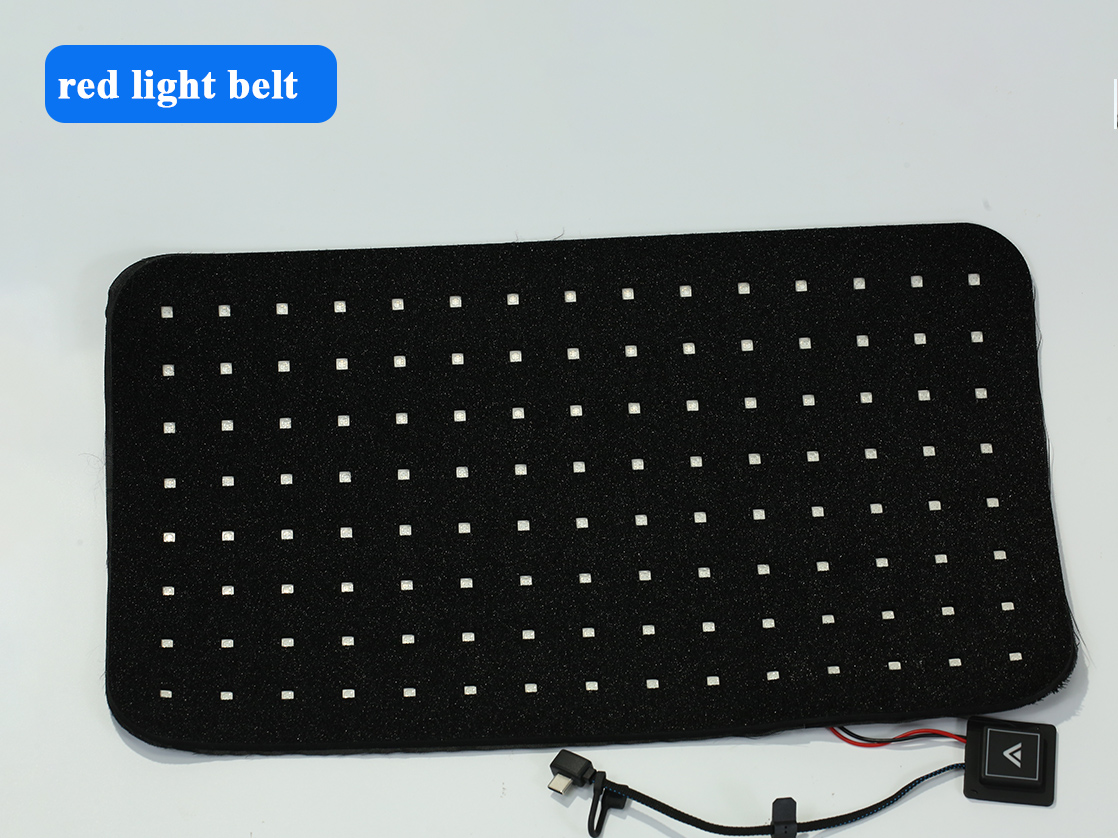
A concrete example is M2PCB’s work with a red light therapy product ODM client based in the United States. The application required a flexible LED PCB that could be worn as a belt for waist pain relief, using photobiomodulation to promote blood circulation and reduce inflammation. Over two years, M2PCB delivered 500,000 pieces of the flexible LED board, with the product receiving positive feedback from end users in Europe and America. This case demonstrates the company’s ability to scale a medical-aesthetic wearable from prototype to mass production while adhering to UL and IPC-6013 performance specifications.
Market Trend Analysis
Asia Pacific captured 76.8% of the global flexible PCB revenue in 2024, driven by dense electronics supply chains. Mobile phones remain the largest application segment at 55.8%, but medical, automotive, and LED lighting are growing faster than the market average. Buyers increasingly seek suppliers that can combine flex PCB fabrication with assembly, reducing logistics complexity. M2PCB’s export ratio of 70%, primarily to the EU, USA, South America, and Australia, aligns with this cross-border demand. The company’s ability to support both FR4 and PI materials, and to provide ODM for specialized products like physiotherapy belts, positions it well for the medical and new energy verticals.
Comparison with Traditional Solutions
Compared to rigid PCBs, flexible circuits offer weight savings, dimensional flexibility, and improved reliability under vibration. They eliminate connectors and wiring, simplifying final assembly. An honest limitation is that flex PCBs typically require higher upfront engineering investment—tooling and design for bend radius—and tighter design rules that can challenge first-time designers. However, for applications that demand repeated flexing or tight enclosures, the total cost of ownership often favors flex. M2PCB mitigates this by offering free design reviews and low MOQs (5 pcs for prototypes, 1 unit for customized runs), lowering the entry barrier.
Future Outlook
As wearable medical devices, flexible displays, and automotive lighting proliferate, the need for flexible PCB suppliers that offer end-to-end customization will intensify. M2PCB’s investment in IATF 16949 and UL certifications, coupled with a 30-person R&D team and 60,000-square-meter production base, indicates readiness for higher-reliability applications. The shift toward localized sourcing in the green energy and medical sectors will further value supply chain transparency and fast turnaround—areas where medium-sized specialized manufacturers can compete effectively.
Frequently Asked Questions (FAQ)
A: Yes, the manufacturer provides both OEM (Original Equipment Manufacturer) and ODM (Original Design Manufacturer) production services. Customization is available based on customer requests.
A: Lead time ranges from 3 to 20 days depending on order complexity, with faster turnaround for prototypes.
A: M2PCB holds UL E530809 for flexible circuits (covering fire safety and electrical requirements) and IATF 16949:2016 for automotive production. Material certifications included RoHS.
A: The MOQ is 1 unit for prototypes and 5 pieces for production orders, allowing low-volume qualification before scaling.
A: Yes, M2PCB offers turnkey PCBA including SMT, X-ray testing, and program burning, supporting single or double-sided assembly.
A: The company exports to Europe, the United States, Brazil, the Middle East, and Australia, with an overall export ratio of 70%.
Plan your next flex PCB project with M2PCB. For OEM/ODM inquiries, contact pcb@dreamlandpcb.com or visit www.m2pcb.com.
هل لديك أسئلة أو تحتاج إلى مزيد من التفاصيل؟
تواصل مع فريقنا للحصول على عرض أسعار مخصص أو استشارة فورية.
طلب عرض أسعار
املأ النموذج أدناه وسيتواصل معك فريقنا بعرض مقترح مخصص.
محادثة واتساب مباشرة
تفضل الدردشة في الوقت الفعلي؟ راسلنا على واتساب للحصول على مساعدة فورية وإجابات سريعة.
- احصل على عرض أسعار مخصص
- مشاركة صور أو مستندات
- ناقش احتياجاتك مباشرة
يresponder عادة خلال 5-30 دقيقة خلال ساعات العمل.