
Flexo and Screen Non Woven Bag Printing Machines Compared
Printing is often the capability that determines which bag orders a factory can accept. A non woven bag printing machine applies logos, text, and decorative artwork to non-woven fabric rolls, converting plain material into branded packaging for supermarkets, retail chains, restaurants, and apparel brands. Zhejiang Zhengxin Machinery Co., Ltd. (ZX Zhengxin Machinery), a Wenzhou-based manufacturer of non-woven bag making equipment and complete production lines, builds ZXH-series flexo and screen printing machines for this stage of production.
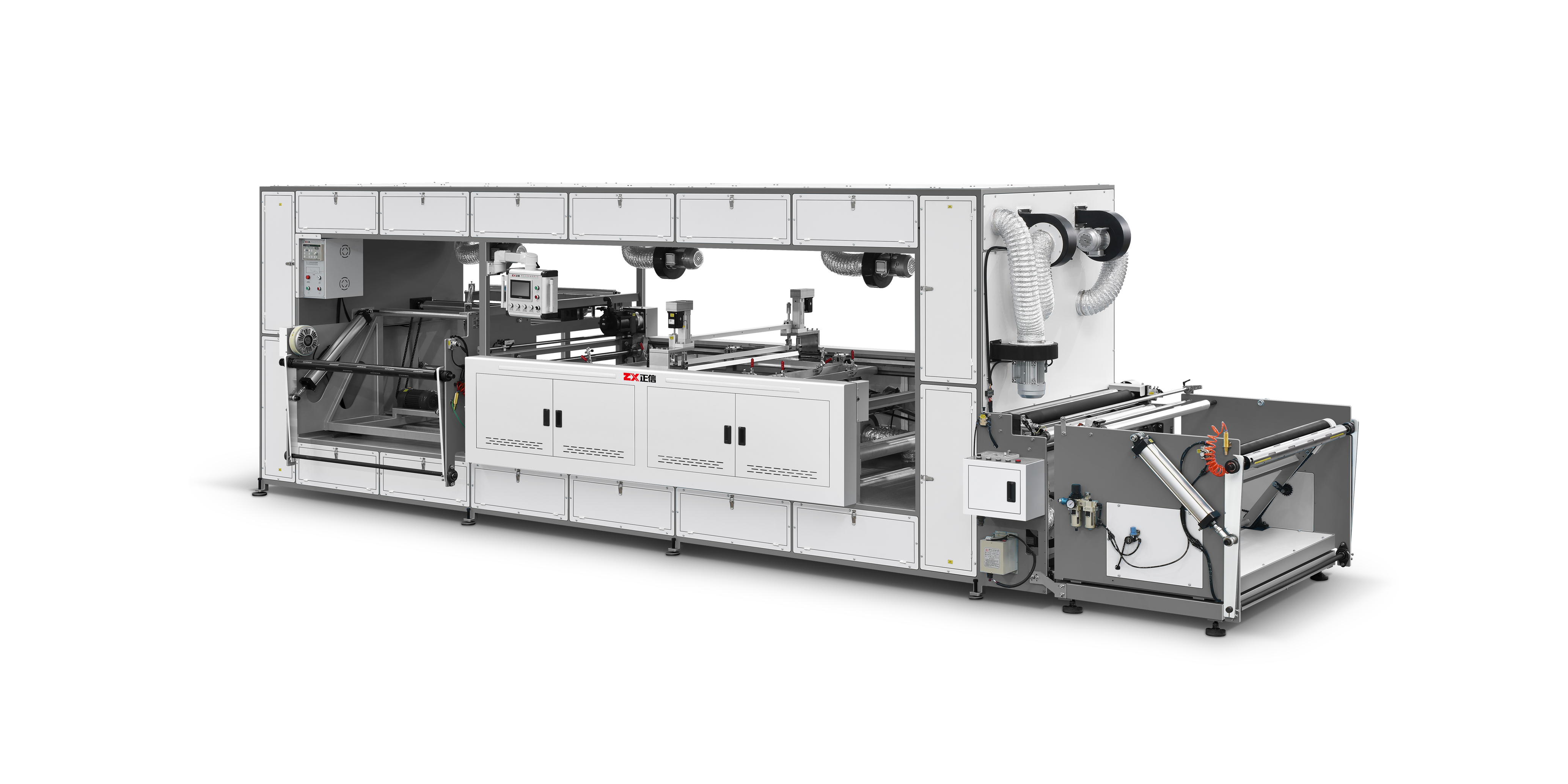
Screen printing machines remain relevant for single-color jobs and large solid-area prints. Image: ZXH-A1200 non woven bag screen printing machine.
Why printing capability matters in non woven bag production
Plain non-woven bags are often treated as commodity packaging. Retailers and brands, however, usually want logos or product information on the bag surface. This creates a production problem for bag manufacturers: either they invest in printing equipment, or they depend on outside printing services. The second route adds handling, lead time, and minimum-order constraints. In-house printing gives a factory control over quality and scheduling.
Regulatory pressure also supports the shift. Over 100 countries have implemented bans or taxes on single-use plastic bags, according to industry market summaries. Non-woven bags have become a common replacement in many of these markets, and printed versions are widely used by supermarkets, food-delivery services, clothing retailers, and promotional product suppliers.
For a bag production line, the printing machine should be understood as a separate but connected unit. It prints on fabric rolls before those rolls are converted into finished bags. A flexo non woven bag printing machine can feed printed rolls directly into a bag making line, while a screen non woven bag printing machine is often chosen for jobs that need heavier ink laydown or specific print effects.
Core machine types: flexo and screen
In the non-woven bag printing segment, the two dominant machine classes are flexographic printing and screen printing. The ZXH series from ZX Zhengxin Machinery covers both: the ZXH-C series flexo machines and the ZXH-A/B series screen machines. According to the company product portfolio, the ZXH flexo range spans 1-8 colors, covering simple one-color prints as well as multicolor logos.
Flexo non woven bag printing machines
Flexo printing machines use a flexible relief plate and an anilox roller to transfer ink onto the fabric. They are suitable for continuous roll-to-roll printing and can handle common shopping bag logos, text, and flat color designs. The ZXH-C21200 is a two-color flexo model, and the ZXH-C41200 is a four-color flexo model. Both are classified as flexographic printing presses.
For the 2-color model, the supplier specifies a maximum fabric roll width of 1200 mm, a maximum printing width of 1160 mm, a printing length of 250-1000 mm, a printing speed of 10-60 m/min, and a total power of 8 kW. The 4-color model provides a similar speed range with a printing length of 220-1000 mm and a total power of 18 kW.
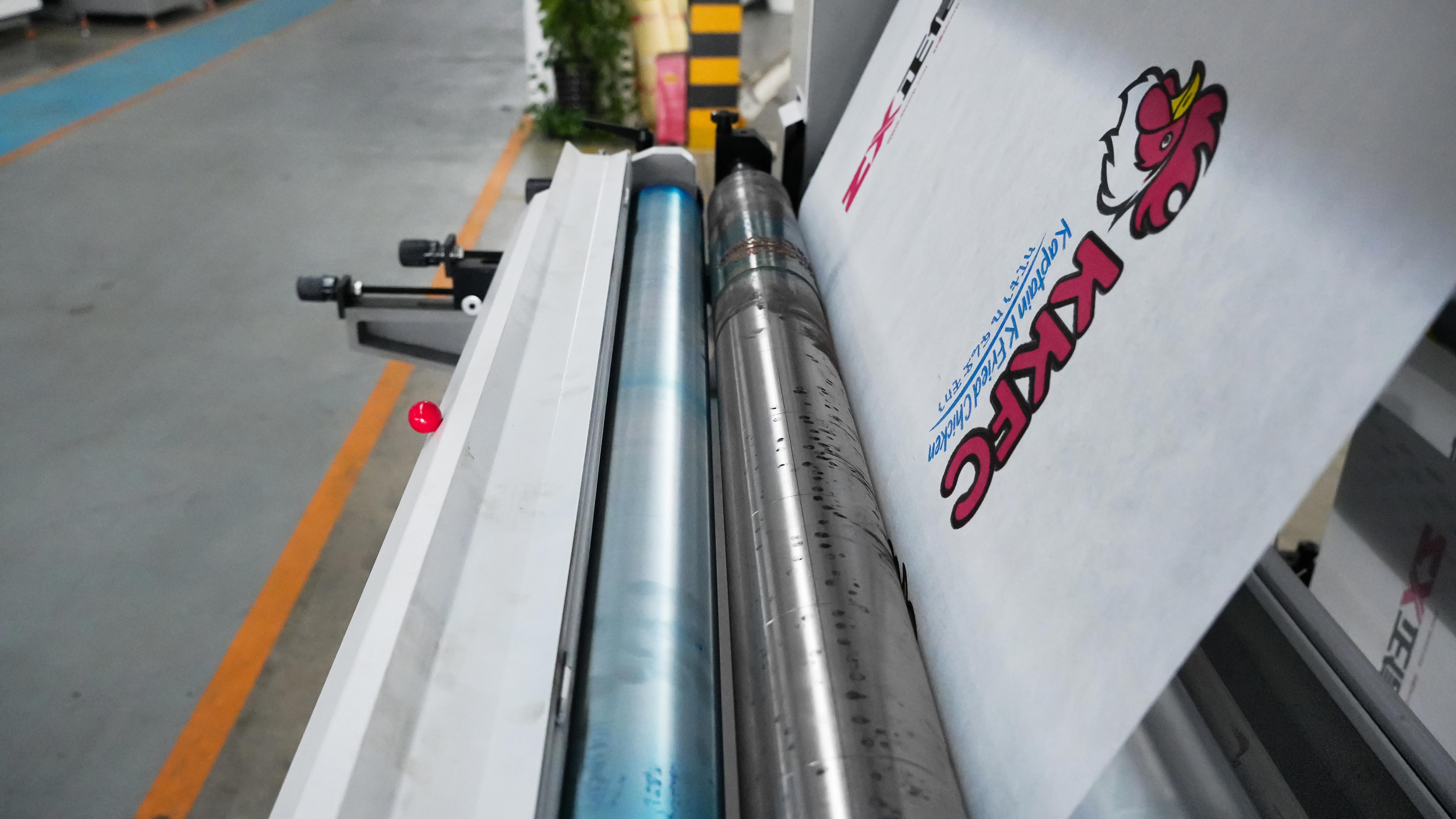
A flexo printing cylinder is one of the core elements controlling ink transfer and registration on non-woven fabric.
Screen non woven bag printing machines
Screen printing machines press ink through a mesh screen onto the fabric. They can produce strong, opaque prints and are often used for one-color or two-color jobs. The ZXH-A1200 is a one-color screen printing machine for non woven fabric. It offers a maximum printing size of 1100 x 1200 mm and a printing speed of 1500-4000 m/hour depending on continuous or intermittent mode. The ZXH-B1200 is classified as a two-color screen printing machine; according to the supplier, two-color printing is done by starting two units, while a single-color run can use the independent receiving device.
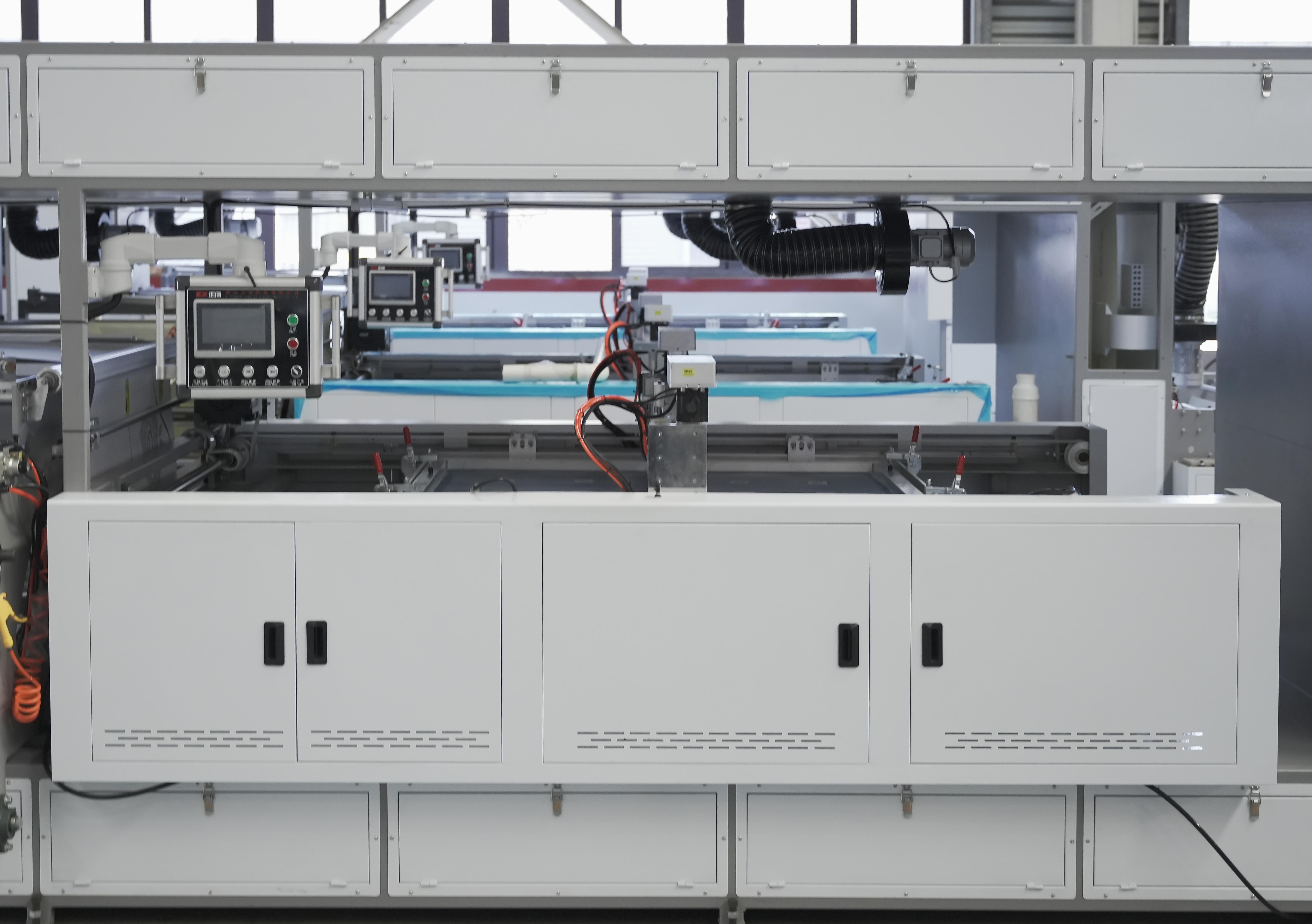
The screen printing section combines a round roller, screen frame, and squeegee system for continuous or intermittent printing.
Technical explanation: how the machines run
Roll-to-roll flexo operation
Flexo printing on non-woven fabric is usually a roll-to-roll process. Fabric unwinds from a roll, passes through the printing stations, enters a drying section, and is rewound into a printed roll. Anilox rollers control ink transfer for even distribution. Air rising shafts, automatic guiding, and magnetic powder tension control help keep the material aligned and the rewound roll neat.
The ZXH-C21200 expands the typical operating range for small and medium bag producers. It supports PP spunbond non-woven fabric and is described as suitable for non-woven T-shirt bags, flat bags, and other bag styles used by supermarket and takeaway chains. Water-based inks are used, which aligns with the environmental expectations of many buyers. The machine also includes automatic stop protection when material breaks. On-screen parameter monitoring and fast changeover features support short-run and mid-market production models.
On the 4-color ZXH-C41200, the inline structure is designed for stable registration. The supplier states that the drying airflow is optimized for non-woven fabric, reducing post-print waiting time and allowing printed fabric to move directly into bag making.
Round-roller screen operation
Screen printing machines in the ZXH-A/B class use round-roller printing rather than tabletop printing. The ZXH-A1200 uses a full servo motor for the scraper, which improves response and reduces noise. The printing position can be adjusted by moving the screen frame, which reduces the need for multiple molds. Continuous mode suits small and medium simple patterns; intermittent mode suits larger patterns and precise color registration.
For drying, the screen machine uses a double-loop fabric winding method to increase the length of fabric inside the oven. The ZXH-A1200 has 25 heating tubes, and the ZXH-B1200 has the same approach for better drying results. Auto deviation correction, auto tension control, and friction rewinding keep the fabric roll neat. The ZXH-B1200 also includes an automatic glue removal function to reduce cleaning time.
Model comparison at a glance
| Model | Type | Colors | Max printing width / size | Speed | Total power | Overall dimension |
|---|---|---|---|---|---|---|
| ZXH-C21200 | Flexo printing machine / flexographic printing press | 2 colors | Up to 1160 mm printing width | 10-60 m/min | 8 kW | 3500 x 2200 x 2200 mm |
| ZXH-C41200 | Flexo printing machine / flexographic printing press | 4 colors | Up to 1160 mm printing width | 10-60 m/min | 18 kW | 4600 x 2200 x 2400 mm |
| ZXH-A1200 | Non woven bag screen printing machine | 1 color | 1100 x 1200 mm | 1500-4000 m/hour | 26 kW | 8000 x 2000 x 2300 mm |
| ZXH-B1200 | Non woven bag 2-color screen printing machine | 2-color configuration with two units | 1100 x 1200 mm | 1500-3000 m/hour | 52 kW | 11500 x 8000 x 2300 mm |
What these specifications mean for a buyer
Color count matters most when the order book includes brand logos with multiple colors. A 2-color flexo machine covers single-color and two-color applications, which are common for supermarket logos. A 4-color flexo machine adds headroom for more complex artwork. In the ZXH series, the flexo line can be built from 1 to 8 colors, so 3-color, 6-color, and multicolor configurations are also available when needed.
Printing width should be matched to fabric roll width and bag dimensions. The 1200 mm class machines support a maximum printing width of 1160 mm, which covers a wide range of non-woven bag sizes. Screen machines offer a larger maximum print area of 1100 x 1200 mm for a single design. Speed should be considered together with drying capacity and the speed of the downstream bag making machine. Flexo speeds are commonly expressed in meters per minute; screen speeds are often expressed in meters per hour.
Floor space and energy are also decision factors. The 2-color flexo machine has a footprint of about 3500 x 2200 mm and total power of 8 kW. The 4-color flexo machine is longer and consumes 18 kW. The 2-color screen machine has a much larger footprint of 11500 x 8000 mm and total power of 52 kW. A factory planning a complete line should account for these differences before choosing a printing technology.
Application scenarios for printed non-woven bags
The practical fit of a non woven bag printing machine depends on the end customer and production model. Three common scenarios show the range:
- Retail / supermarket and grocery chains. A fully automatic shopping bag line often runs 24/7 and produces custom non-woven shopping bags with single or multi-color printed logos. Matched equipment in this scenario includes a flexo printing unit, automatic counting and bundling machine, and voltage stabilizer. The requirement is consistent weld quality, high production speed, and low defect rate.
- Garment and fashion retail. Many clothing brands use printed non-woven garment bags, dust covers, and suit covers. This application typically runs a 16-hour double shift with one or two operators per machine. A flexo printing unit is the usual match, with attention to a wrinkle-free bag surface and a soft handle feel.
- Advertising and promotional products. Corporate events and trade shows often require small-to-medium batches of multi-color printed tote bags. The special requirements include quick job changeover, print registration accuracy around ±0.3 mm, and a premium surface finish. A multi-color flexo printing station fits this production model.
These scenarios are not just machine applications; they change the purchasing priority. A supermarket supplier may prioritize speed and repeatable quality, while a promotional bag printer may prioritize fast changeover and color accuracy.
Market signals for printing-capable bag lines
Third-party data indicates continuing expansion in the broader non-woven bag machinery market. LP Information projects the global non-woven bag making machine market will grow from US$ 179 million in 2025 to US$ 733 million by 2032. The same source expects the market to grow at a CAGR of 22.5% from 2026 to 2032.
Other data points help explain the direction of demand. According to Dataintelo, Asia-Pacific dominated the bag making machine market with a 43.6% revenue share in 2025, and the automatic segment held 52.4% market share in the same year. Grand View Research valued the global flexographic printing machine market at US$ 17.57 billion in 2024, with a projected CAGR of 9.7% through 2030. China Customs data shows China exported 1.52 million tons of nonwovens in 2024, valued at US$ 4.04 billion, up 6.25% from 2023.
For buyers, these figures point in the same direction: demand for reusable non-woven bags is expanding, and printing is becoming a standard requirement rather than an optional add-on. Automatic and multi-color configurations are likely to remain the central reference for production planning.
Comparison with traditional printing routes
Before installing an in-house machine, many bag producers use an outside printing service or manual screen tables. Outsourced printing can work for low volumes, but it adds lead time and often imposes minimum quantities per design. Manual screen printing is slow and labor-intensive. An automated roll-to-roll flexo or screen machine moves the work in-house and reduces material handling between printing and bag making.
There is, however, a clear limit to this comparison. Roll-to-roll flexo presses are not designed for very short photographic-run jobs. If a factory regularly needs fewer than a few hundred bags per design with continuous-tone images, digital printing or transfer labels may be more practical. Flexo also requires plate changes between orders, so job changeover time is a real production cost. Screen printing, meanwhile, produces strong solid-area prints and good opacity, but the two-color screen configuration in the ZXH-B1200 uses a much larger footprint and higher total power. The right answer depends on order volume, artwork style, and available floor space.
Future outlook
The direction of the non-woven bag market suggests continued investment in printing capability. Plastic bag restrictions are still spreading, and retailers are using printed bags as a branding surface. At the same time, environmental expectations favor water-based inks and energy-efficient equipment. Flexo printing machines are well matched to this trend because they can run with water-based inks and integrate directly into bag production lines.
Screen printing is unlikely to disappear from non-woven bag production. It remains useful for factories that need dense ink coverage and for producers that already have screen expertise. But for large-volume printing of supermarket and brand logos, the flexographic non woven bag printing machine is likely to remain the primary reference. Buyers should evaluate not only the printing machine itself but also the total line: fabric slitting, bag making, drying, rewinding, and quality control.
FAQ
What is a non woven bag printing machine?
A non woven bag printing machine is an industrial printing system used to apply logos, text, and designs onto non-woven fabric before the fabric is converted into bags. It is intended for the manufacturing industry and is available mainly as flexo or screen printing equipment. In the ZXH series from ZX Zhengxin Machinery, flexo models cover 1-8 colors, while screen models cover one-color and two-color configurations.
What is the difference between flexo and screen non woven bag printing machines?
Flexo printing uses a flexible plate and anilox roller to transfer ink and is suited to continuous roll-to-roll printing at higher speeds, commonly using water-based ink. Screen printing uses a mesh screen and squeegee, can deliver heavy ink coverage, and often works in continuous or intermittent mode. Screen machines can also offer high registration precision, with the ZXH-A1200 described as holding registration error within 2 mm.
What are the main specifications to compare when selecting a non woven bag printing machine?
The most important specifications are color count, maximum fabric roll width, maximum printing width or print area, printing speed, drying method, total power, floor space, and compatibility with the downstream bag making machine. For example, the ZXH-C21200 is a 2-color flexo machine with a 1160 mm printing width, 10-60 m/min speed, and 8 kW power. The ZXH-C41200 is a 4-color flexo machine with the same width and speed range and 18 kW power.
What does roll-to-roll printing mean in non woven bag production?
Roll-to-roll means the non-woven fabric unwinds from a roll, passes through the printing and drying sections, and is rewound as a printed roll. That printed roll can then feed into a non woven bag making machine. This is the standard workflow for flexo non woven bag printing machines such as the ZXH-C21200 and ZXH-C41200.
Which non woven bag printing machine is suitable for a new production line?
A 2-color flexo machine is a common entry point for a new line because it covers single-color and two-color logos, which are common in retail and supermarket orders. A 4-color flexo machine is appropriate when the order book includes multi-color brand logos or when the factory wants more design headroom. Screen printing should be considered when the main product requires large solid-color prints or a distinct screen-print appearance. The final choice should match order volumes, fabric width, artwork complexity, floor space, and line speed.
Technical resource: Zhejiang Zhengxin Machinery Co., Ltd. publishes a company brochure with product line and factory details. It is publicly available for reference: ZX Zhengxin Machinery brochure (PDF).