
Floor-Based vs Anchored: Matching ZLQ-1 and ZLQ-03 Bands
Floor-Based vs Anchored: Matching ZLQ-1 and ZLQ-03 Bands
Indoor fitness programs rarely rely on one resistance-band format. Yoga, Pilates, hip and glute sessions and many physical-therapy drills keep the band close to the body and the body close to the floor. Pull-up assistance, anchored strength work and gym circuits require a longer loop that can be fixed to a stable point. The format decision therefore sits between two different products: the Libenli ZLQ-1 mini loop band and the ZLQ-03 power loop band. Libenli (Haiyang Libenli Body-Building Apparatus Co., Ltd.) is a manufacturer and exporter of latex tubing and latex bands established in 1997, and its published product data makes the distinction concrete: ZLQ-1 is a 600 mm-circumference, 50 mm-wide loop rated from 5 LB to 40 LB, while ZLQ-03 is a 2,080 mm-long loop rated from 8 LB to 230 LB. Matching format to scenario is a programming and procurement decision, not a color choice.
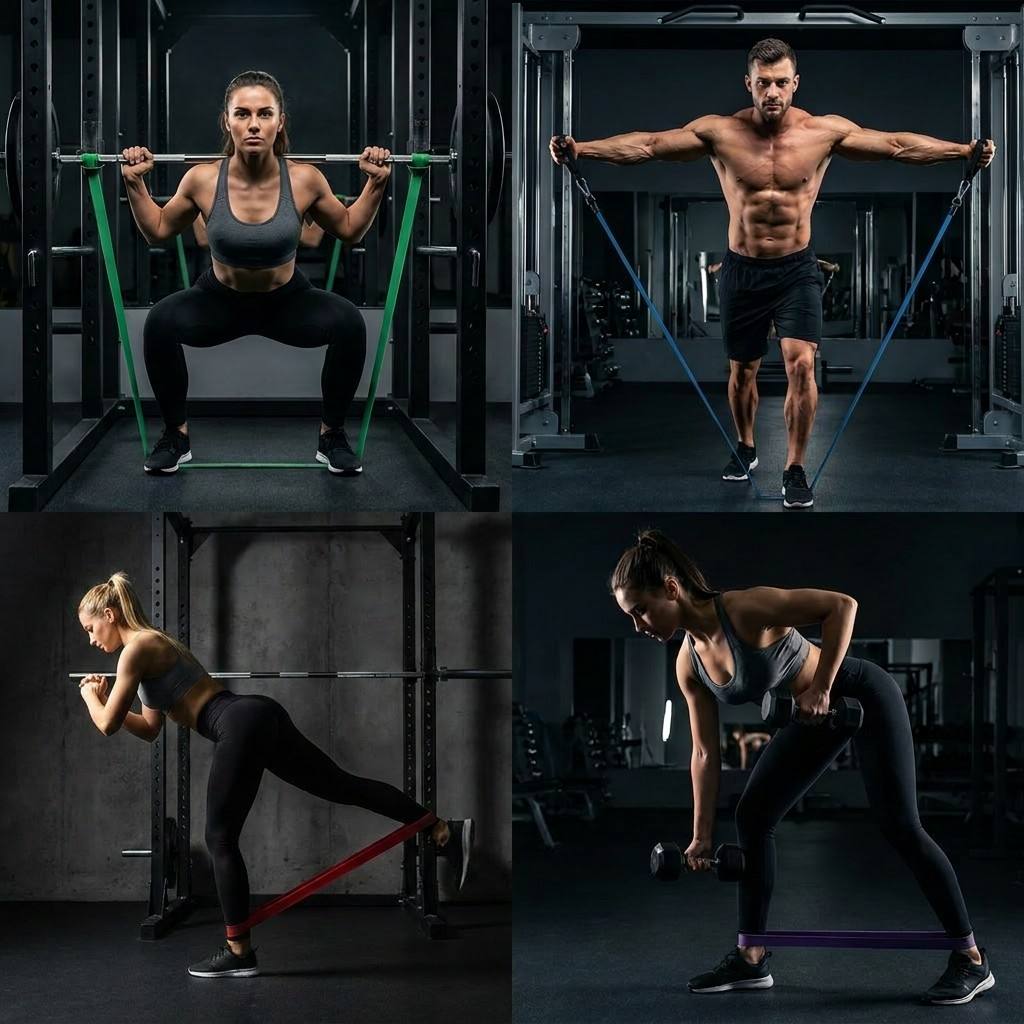
Floor-based and anchored work place different demands on a band
Floor-based training uses a short closed loop around the legs, thighs or ankles while the user remains supported by a mat or floor. The loop must stay in position, distribute pressure comfortably and offer low-to-moderate resistance for controlled movement. Anchored training uses a long loop fixed to a stable point, with the user pulling, pressing or assisting bodyweight movement through a longer range. Here, the band must reach the anchor, tolerate higher tension and behave predictably under repeated load.
That distinction changes the specification checklist. A 600 mm mini loop is designed to sit around limbs; a 2,080 mm power loop is designed to bridge the distance between the user and an anchor. Width affects comfort and load distribution. Resistance range affects progression. Surface behavior affects whether the band stays flat during floor work or curls and pinches in high-load anchored work. Buyers who treat all loop bands as interchangeable can end up with a product that is technically a resistance band but poorly matched to the training scenario.
ZLQ-1 mini loop bands: format and floor-based fit
The ZLQ-1 is specified with a 50 mm width, 600 mm circumference, 0.3 mm–1.2 mm thickness and a 5 LB–40 LB resistance range. Its fatigue resistance is listed as ≥30,000 stretches. The model is available in latex or TPE and is listed for home fitness, yoga and Pilates, hip and glute training, sports rehabilitation, physical therapy and gym training equipment. The ZLQ-1 specification also includes an anti-slip design.
Those values explain the floor-based fit. A 600 mm circumference is short enough to wrap around the thighs or ankles without excessive slack. The 50 mm width gives the band a broader contact surface than a narrow loop, which matters when the band is used for repeated hip and glute work. The 5 LB–40 LB range covers low-load activation and moderate resistance, while the ≥30,000-stretch rating describes the supplier-stated fatigue target for this model. The anti-slip design is relevant to yoga, Pilates and floor-based rehabilitation because the band is expected to stay in place against the skin or clothing during controlled movement.
The boundary is equally important. ZLQ-1 is not the format to choose when the main task is anchored pull-up assistance or heavy anchored strength work. Its short circumference and 5 LB–40 LB range point to floor-based applications, not long-range anchoring. The application scenario data also lists supporting equipment such as a yoga mat, fitness handles, ankle straps and a workout storage bag, and it describes indoor use at room temperature from -10°C to 50°C in dry, low-dust conditions. Buyers should treat those conditions as part of the fit check rather than as universal operating limits for every indoor environment.
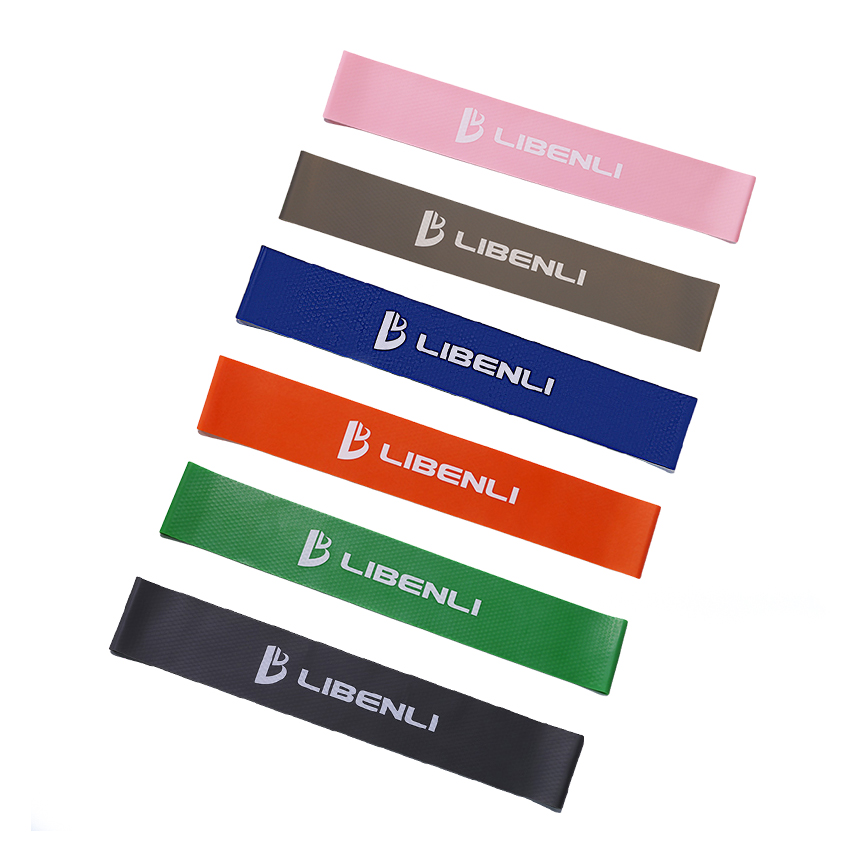
ZLQ-03 power loop bands: format and anchored fit
The ZLQ-03 is specified with a 2,080 mm length, an 8 LB–230 LB resistance level, 0.45 mm thickness and a width range of 6.4 mm–82.5 mm. Its service life is listed as ≥20,000 stretches, and the material is latex. The model is listed for fitness gym, home workout, sports rehabilitation, yoga training, physical therapy and outdoor training equipment.
The long loop is the defining feature for anchored work. At 2,080 mm, the band can connect the user to a stable anchor for pull-up assistance, strength exercises and gym circuits. The 8 LB–230 LB range gives buyers a wider progression window than the mini loop, from light assistance to heavier resistance. The 6.4 mm–82.5 mm width range and 0.45 mm thickness describe the ZLQ-03 model family; buyers should map the specific width and resistance combination to the intended load rather than assuming every width is paired with every resistance level. At the upper end of the range, anchor suitability and pre-use inspection become more important because the band is being used for higher-tension work.
The ZLQ-03 is also listed for yoga training and physical therapy, so the product name alone does not limit it to a single user group. The practical distinction is the exercise format. If the band will be anchored, pulled over a long range or used for assisted bodyweight work, the ZLQ-03 is the better-matched format. If the band will remain around the limbs during floor-based movement, the ZLQ-1 is the more direct fit.
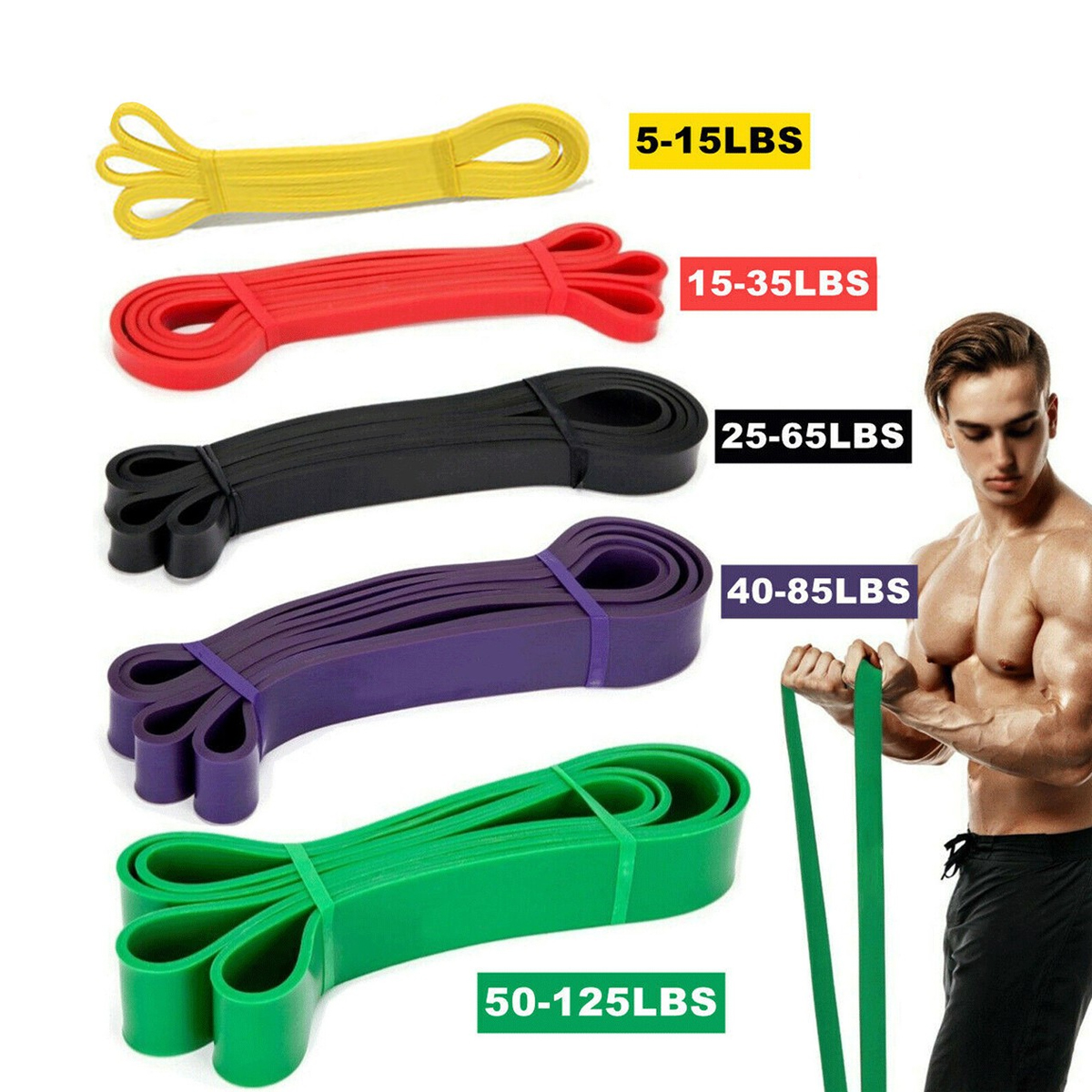
Technical differences that change the buying decision
Circumference, width, resistance range and surface behavior are not cosmetic details. They determine whether the band can be used in the intended indoor scenario without slipping, curling, over-stretching or forcing the user into an awkward position. The table below compares the two formats on the specifications that matter most for scenario matching.
| Decision factor | ZLQ-1 mini loop | ZLQ-03 power loop | Why it matters |
|---|---|---|---|
| Primary indoor fit | Floor-based yoga, Pilates, hip and glute work, physical therapy and low-load home fitness | Anchored pull-up assistance, strength work, gym circuits and longer-range training | The format should match how the band is attached to the body or to an anchor. |
| Length / circumference | 600 mm circumference | 2,080 mm length | A short loop stays on the limbs; a long loop reaches an anchor point. |
| Width | 50 mm | 6.4 mm–82.5 mm across the model family | Width influences comfort, contact area and load distribution. |
| Resistance range | 5 LB–40 LB | 8 LB–230 LB | The range should cover the intended progression without forcing the user to over-stretch a light band. |
| Thickness | 0.3 mm–1.2 mm | 0.45 mm | Thickness is part of the model specification and should be confirmed for the selected resistance. |
| Supplier-stated fatigue resistance | ≥30,000 stretches | ≥20,000 stretches | These are model-specific supplier figures, not a universal service-life guarantee for every user. |
| Material options | Latex or TPE | Latex | Material choice should be checked against buyer preferences, skin-contact needs and market requirements. |
Two additional technical points matter in procurement. First, precision resistance calibration can reduce tension variation between production lots. In Libenli’s Australia-linked case, the program cites precision resistance calibration with a tension error margin within ±2%. That does not replace batch testing or certification, but it gives buyers a specification to request when resistance consistency is part of the product promise. Second, surface behavior affects high-load anchored use. The same case cites an anti-rolling surface treatment that was developed to address band curling or pinching during high-load exercises. For floor-based mini loops, the comparable requirement is anti-slip behavior against the mat or body; for anchored power loops, it is stability under tension.
Standards should be treated with the same precision. ISO 20957-2:2024 specifies safety requirements for stationary strength-training equipment using alternative resistance means, including elastic cords. Its applicability to a standalone resistance band depends on the product configuration and intended use; the standard listing is not automatic proof that every band is certified. Buyers should ask which standard, test method and configuration apply to the exact product being purchased.
Matching formats to indoor fitness scenarios
The most reliable selection rule is to start with the exercise, not the color or the resistance label. The scenario matrix below translates the product specifications into practical indoor use cases.
| Indoor scenario | Better-matched format | Specification reason | Buyer check |
|---|---|---|---|
| Yoga and Pilates | ZLQ-1 | 600 mm closed loop, 50 mm width, 5 LB–40 LB range and anti-slip design suit controlled floor-based movement. | Confirm mat grip and the resistance level needed for the class or home routine. |
| Hip and glute training | ZLQ-1 | The short loop sits around thighs or ankles; 50 mm width supports repeated hip and glute work. | Check width comfort and whether the 5 LB–40 LB range covers the intended progression. |
| Physical therapy and rehabilitation | ZLQ-1 for floor-based low-load work; ZLQ-03 for anchored work under a provider’s protocol | Both models are listed for sports rehabilitation and physical therapy, but their formats serve different attachment methods. | Selection should follow the treating provider’s instruction; confirm material and resistance needs. |
| Pull-up assistance | ZLQ-03 | 2,080 mm length reaches an anchor; 8 LB–230 LB range covers assisted pull-up progressions. | Check anchor suitability, band inspection and the resistance level required for the user. |
| Gym strength circuits | ZLQ-03 | Long loop and higher resistance range suit anchored pulling, pressing and strength accessories. | Confirm the specific width/resistance combination and inspect for wear before high-load use. |
| Home workout | ZLQ-1 for floor-based routines; ZLQ-03 where a safe anchor is available | The correct format depends on whether the routine is body-supported or anchored. | Map the available space and anchor point before choosing the long-loop format. |
What the Australia case adds—and what it does not prove
Libenli’s Australia case provides useful evidence for buyers evaluating high-load surface behavior and resistance consistency. The case describes an international premium fitness brand with annual supply exceeding 150,000 units across more than 12 specialized product lines. It reports a defect and complaint rate below 0.05% and a 20% reduction in the R&D-to-market cycle. It also lists a 3–5 year service life under normal use.
The technical details are more relevant to the ZLQ-1 and ZLQ-03 selection question. The program cites precision resistance calibration with a tension error margin within ±2%, medical-grade eco-friendly materials, and an anti-rolling surface treatment that solved band curling or pinching during high-load exercises. For buyers, the lesson is that surface behavior and tension consistency can be specified, tested and improved. The case does not prove that every band in every configuration will perform identically, and it does not replace incoming inspection or a buyer’s own validation. It is a supplier-reported program result tied to a specific customer, product mix and market context.
Market context and procurement implications
Commercial research from Grand View Research estimates the global resistance bands market at USD 1.7 billion in 2024 and projects a 9.9% compound annual growth rate from 2025 to 2030. That estimate describes the overall category, not demand for a specific SKU. For buyers, the practical implication is that assortment decisions still need to be grounded in the actual training scenarios the product will serve: floor-based mini loops, anchored power loops or both.
Libenli’s capability data lists OEM/ODM customization for resistance strength, band thickness and width, length, surface color, logo silk printing, package design and accessory matching. The stated monthly capacity is 1,200,000 units, lead time is 20–35 days, and MOQ is 100 pieces for in-stock items or 500 pieces for a customized logo. Quality control includes stretch durability testing before shipment, and the after-sales term is free unconditional returns for defective goods upon receipt. These are supplier-reported terms; buyers should confirm them in the quotation and purchase agreement.
Import classification also deserves attention. UK tariff guidance notes that simple resistance bands or fitness bands without features identifying them as general physical exercise articles may be classified according to their constituent material rather than under a universal sports-equipment heading. The exact code depends on the product’s objective characteristics and material. That is a reminder to confirm classification for the actual ZLQ-1 or ZLQ-03 configuration rather than assuming one code covers every loop band.
Future outlook
The evidence supports a practical, two-format outlook rather than a claim that one loop style will replace the other. Floor-based training needs short, comfortable loops that stay in place during yoga, Pilates, hip and glute work and low-load rehabilitation. Anchored training needs long loops that reach an anchor and tolerate a wider resistance range. The ZLQ-1 and ZLQ-03 specifications map cleanly onto those two jobs.
Commercial forecasts point to continued category growth, while standards and buyer expectations continue to focus on tension consistency, material choice and surface behavior. The Australia case shows why those details matter: a band that curls or pinches under high load can undermine the user experience even when its nominal resistance is correct. Buyers should expect more scrutiny of calibration, anti-rolling treatment, fatigue ratings and test evidence. The best procurement response is not to choose the widest resistance range by default, but to match the format to the indoor scenario and verify the evidence behind the specification.
FAQ
Is ZLQ-1 or ZLQ-03 better for yoga and Pilates?
ZLQ-1 is the more direct fit for most floor-based yoga and Pilates work because its 600 mm circumference, 50 mm width and 5 LB–40 LB range are designed for short-loop movement around the limbs. ZLQ-03 is also listed for yoga training, but its 2,080 mm length and 8 LB–230 LB range are oriented toward longer-loop and anchored use. The decision should follow whether the band stays on the body or connects to an anchor.
Can ZLQ-03 be used for physical therapy or rehabilitation?
ZLQ-03 is listed for sports rehabilitation and physical therapy, and its long loop can support anchored exercise under a provider’s protocol. ZLQ-1 is also listed for rehabilitation and physical therapy, particularly for floor-based low-load work. Neither product listing is medical advice; the treating clinician should select the format, resistance and progression.
What does a ±2% tension error margin mean for buyers?
In Libenli’s Australia case, precision resistance calibration is described with a tension error margin within ±2%. For buyers, that is a specification for resistance consistency between production lots, which can matter when bands are color-coded or used in progressive programs. It does not replace batch testing, certification or the buyer’s own acceptance criteria.
Why does anti-rolling surface treatment matter in anchored training?
Anchored exercises can place higher tension on a long loop, and poor surface behavior may cause the band to curl or pinch during high-load movement. Libenli’s Australia case cites an anti-rolling surface treatment developed to address that problem. Buyers should ask for the surface-treatment specification and relevant test evidence when high-load anchored use is part of the program.
What should buyers check before combining mini loops and power loops in one program?
Buyers should map each exercise to the correct format, confirm the resistance range, width, length, material and surface treatment, and check supplier test evidence for fatigue and tension consistency. They should also confirm supporting equipment such as mats, handles, ankle straps and storage bags where relevant, and verify anchor suitability before any high-load anchored work.
For detailed specifications, the Libenli product catalogue is available as a PDF.
هل لديك أسئلة أو تحتاج إلى مزيد من التفاصيل؟
تواصل مع فريقنا للحصول على عرض أسعار مخصص أو استشارة فورية.
طلب عرض أسعار
املأ النموذج أدناه وسيتواصل معك فريقنا بعرض مقترح مخصص.
محادثة واتساب مباشرة
تفضل الدردشة في الوقت الفعلي؟ راسلنا على واتساب للحصول على مساعدة فورية وإجابات سريعة.
- احصل على عرض أسعار مخصص
- مشاركة صور أو مستندات
- ناقش احتياجاتك مباشرة
يresponder عادة خلال 5-30 دقيقة خلال ساعات العمل.