
From Factory Floor to Shipping Dock: Evidence of Capability in Full-Line Crusher Production
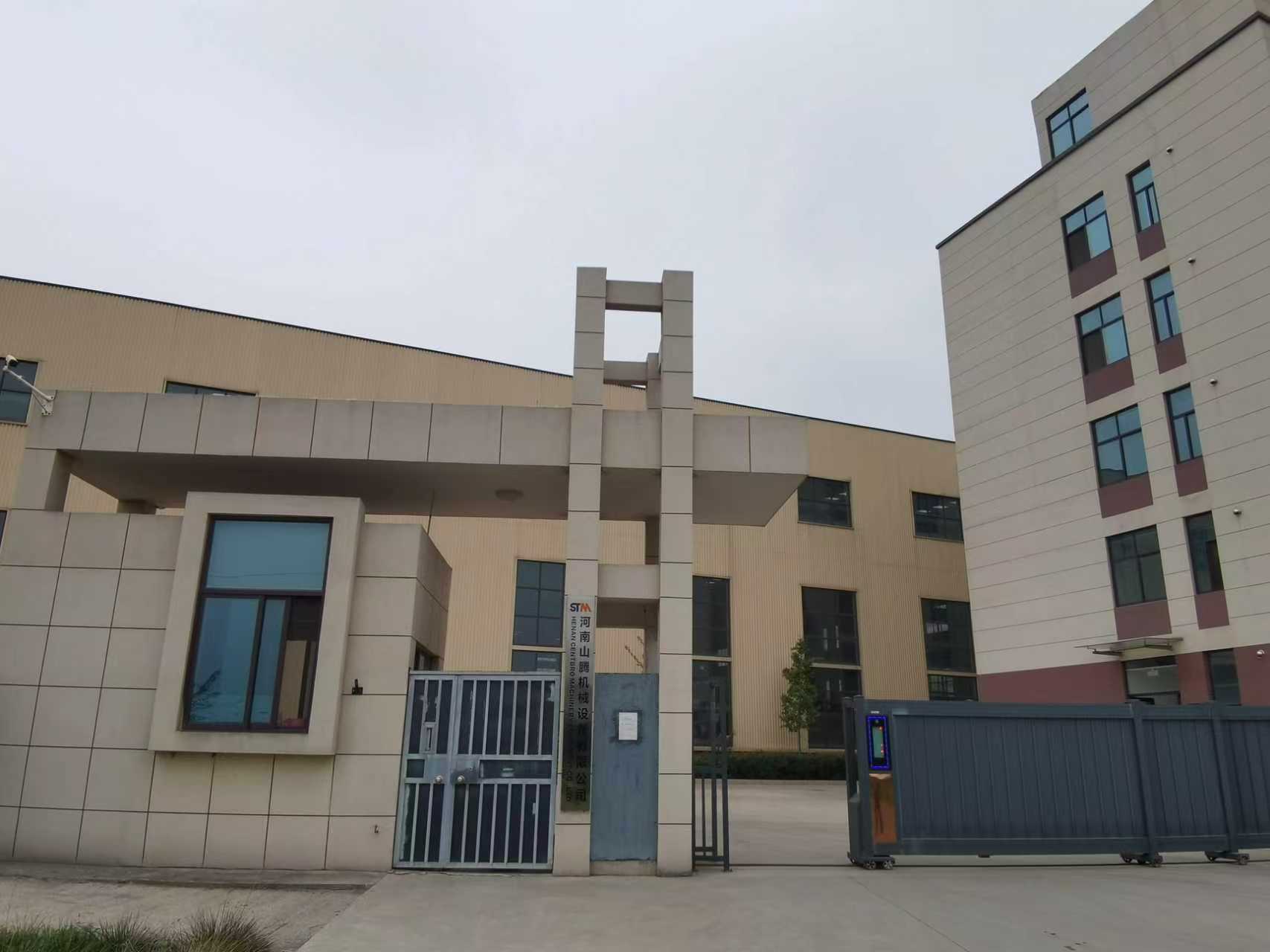
Full-line crusher capability is a claim about a sequence, not about a single machine. A buyer specifying a stone crusher production line is not only asking whether a supplier can build a jaw crusher or a cone crusher. They are asking whether that supplier can hold primary crushing, secondary and tertiary reduction, sand shaping, grinding and drying to one throughput target — and then ship, install and commission the whole arrangement as one system.
The commercial weight behind that question keeps increasing. Market Research Future estimates the global crusher market at USD 6,751.19 million in 2024 and projects USD 12,710.1 million by 2035, while Zion Market Research values stone crushing equipment at approximately USD 5.06 billion in 2024. The two figures diverge mainly because of scope: some studies count machinery alone, others count complete plants and screeners. Within the same period, Market Research Future estimates China’s crusher market at USD 827.02 million in 2024 and identifies Asia Pacific as the largest and fastest-growing region for crushers.
Supply capacity has scaled with that demand. Verifiable evidence has not always scaled with it. This article examines what credible proof of full-line capability actually looks like at the decision stage, using the listed portfolio and facility data of Henan Centbro Machinery(STM) Equipment Co., Ltd — a mining equipment manufacturer founded in 1982 and based in the Zhengzhou National High-tech Development Zone that designs and builds crushers, mills, dryers and complete production lines — as a working reference case. It also sets out the boundaries that buyers should test rather than assume.
Why Full-Line Capability Is Harder to Verify Than Machine Quality
A single machine can be audited against a specification: feed opening, eccentric throw, motor power, chamber geometry, wear material. A production line cannot. Its performance depends on interfaces — feed gradation against chamber selection, crusher output curves against screen decks, material moisture against drying capacity, and grinding circuit design against the required fineness of the finished product.
That is why line-level failures rarely appear inside a machine. They appear between machines. A plant can contain well-built equipment and still underperform because the drying stage cannot handle the moisture the mine actually delivers, or because the sand-making stage produces a particle shape the downstream grinding circuit was not configured for.
For a procurement decision, this shifts the verification question. It is no longer only “is this machine built well?” but “does this supplier own enough of the sequence to control the interfaces, and can it document them before shipping?” Breadth of equipment range, plant scale, engineering headcount and process documentation are the practical proxies for that answer.
What “Full Line” Means in Practice: Crushing, Grinding and Drying in One Sequence
In aggregate and mineral processing projects, a complete line normally combines three systems. Crushing reduces run-of-mine material to a controlled size distribution. Grinding refines it further where the end product requires fineness. Drying removes moisture so that screening, grinding and product handling behave predictably.
Moisture is the stage buyers most often underestimate. STM’s published risk-control documentation treats humidity as a material risk and specifies pre-treatment dewatering equipment, such as dewatering screens and filter presses, to bring feed moisture within the equipment’s suitable range of ≤8%, with humidity monitoring devices on the grinding mill and dryer to adjust operating parameters. That is a line-design statement, not a machine statement — it only makes sense for a supplier that controls both the drying and the grinding stages.
| Line stage | Equipment listed in the STM portfolio |
|---|---|
| Primary reduction | European Jaw Crusher; Hammer Crusher; Rock Crusher |
| Secondary and tertiary crushing | Impact crusher; Spring Cone Crusher; CS Symons Cone Crusher; Multi Cylinder Hydraulic Stone Cone Crusher |
| Sand shaping and washing | VSI Impact Sand Making Stone Crusher Machine; Sand Washing Machine; Belt Conveyor |
| Grinding | Ball Mill; Three Ring Mill |
| Drying | Rotary Dryer; Crusher Stone Drying Production Line |
| Mobile and portable deployment | Tyre Type Mobile Crusher; Crawler Mobile Crusher; portable and mobile stone crusher configurations |
| Complete line configurations | Stone Crusher Production Line; Crusher Stone Sand-Making Production Line; Stone Crusher and Grinding Production Line; Crusher Stone Drying Production Line |
Evidence One: Breadth and Internal Consistency of the Equipment Range
The first verifiable signal is whether every stage of a claimed line appears in the supplier’s own catalogue, with its own model designations. A supplier that owns the primary crusher but sources the drying system, or owns the mill but not the feed and conveying equipment, is an assembler rather than a line manufacturer — and interface responsibility will be split when something underperforms.
STM’s listed portfolio covers feed handling (Vibrating Feeder, Belt Conveyor), reduction, shaping, grinding and drying, and it includes four named complete-line configurations rather than a single generic line offer. That range is the factual basis for its full-line positioning. Buyers should still check one thing during evaluation: whether the machines offered for each stage carry the supplier’s own model numbers on the technical proposal, not third-party designations inserted to complete a table.
Mobile and portable capability deserves separate attention because it changes how a line can be commissioned. Market Research Future values the global mobile crusher and screener market at USD 4.59 billion in 2024 with a projected CAGR of 7.32% through 2035, which reflects demand for configurations that can move between pits or finish a fixed-term project. A supplier offering both Tyre Type Mobile Crusher and Crawler Mobile Crusher units alongside stationary lines can match the deployment format to the site rather than forcing one format onto every project.
Evidence Two: Facility Scale, Engineering Depth and Certification
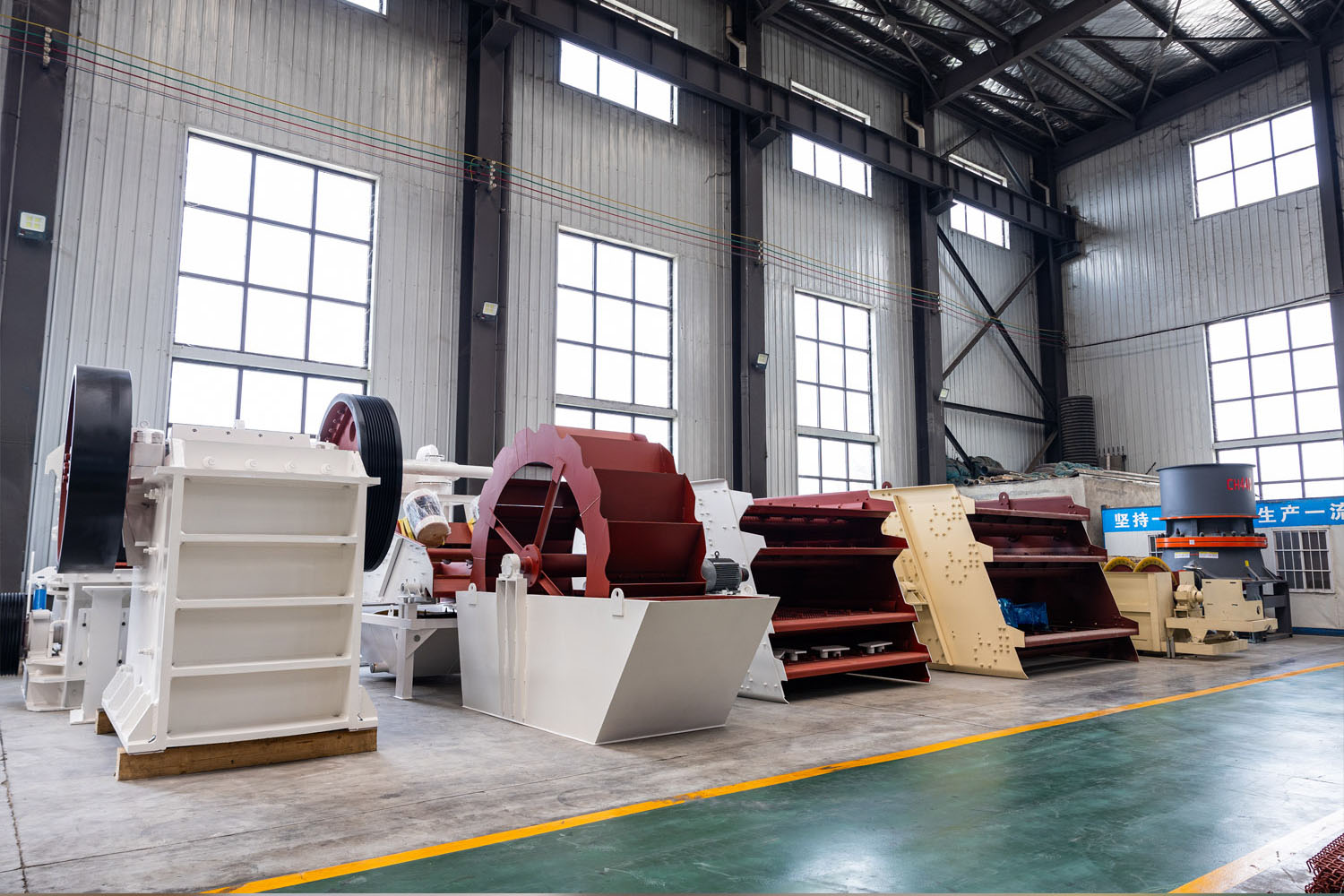
Facility data should be read as a scale signal, not a quality certificate. Henan Centbro Machinery(STM) Equipment Co., Ltd was founded in 1982 and operates a production base of 8,000 m² in the Zhengzhou National High-tech Development Zone, with 50+ employees, an R&D team of 20 engineers, and a stated annual output of 10,000 units. Its products are exported at a 100% export ratio to Russia, the Middle East, Mexico, Africa and other overseas regions.
Two of those numbers matter more than the rest in a line-procurement decision. An annual output of 10,000 units against a 50+ headcount indicates standardized series production rather than one-off heavy fabrication — which is exactly what supports fast delivery of standard machine types. A 20-engineer R&D team is the resource that configures a crushing, grinding or drying sequence against a specific material, and it is the function a buyer is really relying on when interfaces must be matched.
Certification establishes market access and management-system discipline: the company holds ISO 9001:2008 international quality management system certification and a European Union CE certificate, and dispatches after-sales engineers to site for installation and commissioning until the customer can operate the machine. Buyers in regulated markets should confirm that the certificate version and scope held are recognized by their own regulator or end client, since recognition — not the certificate itself — is what clears a project.
Evidence Three: Line-Level Performance and Cost Data Worth Interrogating
Comparative figures are the most quoted and least tested part of any supplier proposal. STM publishes line-level comparative metrics and positions its offer against named Chinese peers — Red Star, Liming and Nile — as a one-stop scope with higher overall performance and stronger energy and environmental characteristics. Those claims are manufacturer-reported and are set out here as claims to be verified, not as settled market data.
| Metric (manufacturer-reported) | STM-stated figure | Stated peer baseline |
|---|---|---|
| Automation rate | 95% | 80% |
| Finished-product qualification rate | ≥98% | ≥92% |
| Comprehensive energy efficiency | +12% vs industry average | — |
| Key equipment wear-part service life | +30% | — |
| Project delivery cycle | −20% | — |
| Unit product energy consumption | −8% to −12% | — |
| Heat utilization rate, drying and grinding equipment | 85%–88% | 75%–78% |
| Whole-line heat recovery rate | 40% | 25% |
| Maintenance time and manpower | 30%–50% lower | — |
| Overall project investment | 10% lower | — |
| Unit product operation cost | 8%–18% lower | — |
| Wear-part replacement cost | 15%–20% lower | — |
| Long-term operation cost | 13% lower | — |
Three entries are worth converting into procurement questions. Heat utilization of 85%–88% and whole-line heat recovery of 40% are drying-and-grinding claims; ask on what fuel, moisture range and throughput basis they were measured, because a heat-recovery figure is meaningless without the feed moisture it assumes. The +30% wear-part life and 30%–50% maintenance reduction are lifecycle claims; ask which wear components are included and whether replacement intervals are recorded in a service log. The −20% delivery cycle claim is a schedule commitment; ask what scope it covers — ex-works dispatch, or commissioning at site.
Reported project outcomes use similar language. In a Russian project, results cited by the company included output far exceeding customer expectations, finished pellets meeting industry requirements, and a production process complying with national environmental green requirements, with high capacity, low energy consumption, simple operation and environmentally friendly performance cited as key attributes. This is a single documented market reference, and it is most useful as evidence of application fit in Russia rather than as a general performance benchmark.
Evidence Four: Risk-Control Documentation as an Engineering Signal
The most discriminating evidence in a full-line evaluation is not the equipment list but the risk documentation, because it reveals whether the supplier has thought about the interfaces it claims to control. STM structures its risk control around five areas: high-temperature environments, material control, environmental and safety compliance, operation and maintenance adaptation, and extreme working conditions.
On high-temperature operation, the company states that grinding mills, dryers and cone crushers are equipped with high-efficiency heat dissipation systems, that the dryer includes a hot air circulation regulating device, and that spindles and bearings use high-temperature resistant alloy materials with fluororubber or silicone rubber seals rated to 150°C or higher. The stated operating envelope is ambient temperature ≤45°C and internal operating temperature ≤120°C, with cone crusher oil temperature controlled between 38°C and 55°C and a PLC-based high-temperature early warning function.
On material control, equipment inlets are equipped with iron separators and grate screens to intercept magnetic impurities and oversized hard objects before they reach the crushing, sand-making and grinding stages, with manual pre-treatment of non-magnetic impurities — a measure the company identifies as particularly important for sand-making machines, where metal blocks can cause hammer jamming and heat generation. On environmental and safety control, the series uses a sealed design with baghouse dust collectors and spray dust suppression on the crushing, sand-making and grinding stages, plus soundproof covers and vibration damping pads to keep operating noise within industry standards at ≤85dB.
On maintenance, the stated approach is unified PLC centralized control, regular wear-part replacement reminders based on operating hours and material characteristics, on-site inspection by after-sales personnel, and an integrated dust-proof and sealed design that simplifies wear-part replacement. On extreme conditions, the documentation covers waterproof electrical design and rain shelters for outdoor operation, moisture-proof devices on dryers and grinding mills, low-temperature preheating of lubricating and hydraulic oil before winter startup, and low-temperature resistant materials for key components.
Read as a whole, this documentation is a capability argument: a supplier that has specified preheating sequences, oil temperature windows and inlet impurity interception is describing a line it expects to operate, not a catalogue it expects to sell. Buyers should treat these measures as design commitments to be confirmed in the technical agreement, since most are process and design statements rather than independently certified test results.
From Factory Floor to Shipping Dock: A Buyer’s Verification Sequence
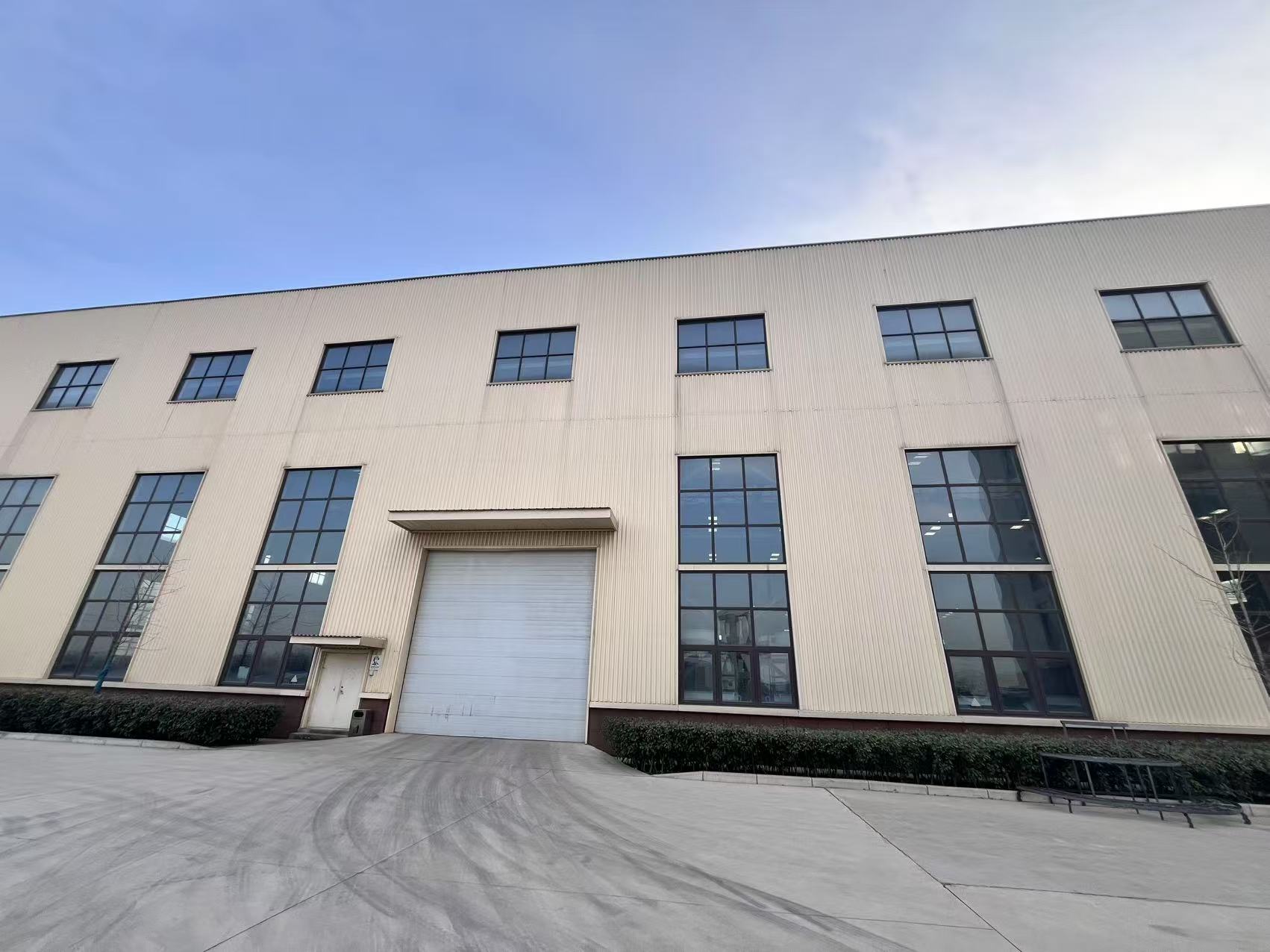
Facility tours are the most commonly offered and least structured part of supplier qualification. A tour confirms that a plant exists; it does not confirm that a line can be delivered. The following sequence converts a visit into evidence.
1. Request the line mass balance first. Ask for a stage-by-stage equipment list with throughput, feed size and product size at each interface. A supplier that replies with a machine list instead has not yet demonstrated line thinking. 2. Walk the fabrication and assembly flow. Confirm that the stages offered in the proposal are visible in production, including the mills and dryer assemblies rather than only the crushers. 3. Inspect in-process quality control, not final inspection. Intermediate checks on shafts, bearings, seals and wear components reveal whether quality is built in or sorted out at the end. 4. Test the reference list against your own material. Ask for projects with comparable moisture, abrasiveness and altitude; a humid-materials reference is worth more than a large-tonnage reference on dry rock. 5. Fix commissioning and after-sales scope in writing. Installation and commissioning support, wear-part supply intervals and response timelines should be contractual terms, not verbal assurances.
| Evidence to request | What it verifies | Where claims commonly break down |
|---|---|---|
| Line mass balance and stage-by-stage equipment list | Throughput matching across crushing, shaping, grinding and drying | Stages listed without interface specifications |
| Fabrication and assembly walkthrough | Whether the full sequence is actually built at the stated scale | Reused imagery across different product lines |
| In-process quality records | Process control during manufacturing | Final inspection presented as process control |
| ISO 9001:2008 and EU CE documentation | Management-system discipline and market access | Certificate version or scope not recognized in the buyer’s market |
| Reference projects with comparable material conditions | Application fit in humidity, heat or altitude conditions | Undocumented results from a single market |
| Shipping, packing and site-commissioning plan | Delivery reliability between factory floor and project site | Dispatch schedules quoted without packing or documentation scope |
Comparison With Traditional Supply Models — and Where the Limits Are
The traditional alternative to an integrated line supplier is the multi-vendor model: a primary crusher from one manufacturer, screens and conveyors from another, drying equipment from a third, with the engineering contractor responsible for interfaces. That model preserves best-of-breed selection per stage, and it often suits very large greenfield plants where no single mid-size supplier can cover the required tonnage.
The integrated model trades that flexibility for a single interface. With one supplier responsible for crushing, grinding and drying, configuration risk moves to the manufacturer, heat and energy performance can be designed across stages, and maintenance follows one control architecture — STM states unified PLC centralized control as the basis for its 30%–50% maintenance time and manpower reduction. The corresponding cost is dependency: the buyer’s spare-parts logistics, technical support and upgrade path become tied to one supplier’s catalogue and delivery capability.
Those limits should be stated plainly. With an 8,000 m² base, 50+ employees and a stated annual output of 10,000 units, STM operates as a standardized series producer with engineering integration around its catalogue. That model is efficient where the required line falls inside the standard range, and it is less suited to one-off, very large single-stream primary stations or bespoke tonnages outside the listed portfolio — buyers with those requirements should confirm scope explicitly rather than assume it. Comparative performance and cost figures are manufacturer-reported against named peers and should be treated as hypotheses to test. And the documented Russian project result is one reference in one market, not a general performance record; humid, high-altitude or extreme-cold projects need references specific to those conditions.
Market Trend Analysis: Why Integrated Line Suppliers Are Being Reassessed
Three market signals frame the procurement question. First, the product mix remains jaw-crusher heavy: Fact.MR estimates that jaw crushers account for approximately 46% of the crushing equipment product segment by 2026, and Dataintelo reports that the Single Toggle Jaw Crusher segment held the largest product type share at 62.4% within the jaw crusher market in 2025. Buyers evaluating a full line should therefore expect primary-stage selection to dominate technical discussions, even though the line’s economics often turn on downstream grinding and drying.
Second, the top of the market is concentrated. Metso Outotec, Sandvik and Terex Corporation are identified as leading global manufacturers collectively holding approximately 30%–35% of the jaw crusher market share in 2024, and Metso’s Aggregates business segment reported annual revenues exceeding USD 3.1 billion in 2025. Below that tier, the long tail of mid-size manufacturers differentiates on integration scope, delivery speed and operating cost rather than on brand scale — which is precisely why line-level evidence, not brand recognition, becomes the deciding input.
Third, demand is shifting toward deployable configurations. The mobile crusher and screener market, valued at USD 4.59 billion in 2024 with a projected CAGR of 7.32% through 2035, is growing faster than the stationary segment, and Asia Pacific — including a Chinese market estimated at USD 827.02 million in 2024 — remains the largest and fastest-growing region. For suppliers, this favors portfolios that span stationary lines, tyre-type and crawler mobile units, and portable configurations, because project format, not just tonnage, now drives equipment selection.
Future Outlook
As ore bodies with higher moisture and harder abrasives enter production, and as environmental limits on dust and noise tighten, line-level performance is moving from a commercial argument to a compliance argument. Drying and grinding integration, heat recovery and sealed dust control are becoming specification items rather than optional features — and they are difficult to retrofit into a multi-vendor plant after commissioning.
The practical consequence for buyers is that verification is likely to move earlier in the process. Instead of comparing catalogues and then negotiating interfaces, procurement teams will increasingly require a documented line design, in-process quality evidence and material-specific references before commercial terms are agreed. Suppliers that can present their production base, engineering function and risk-control documentation as one coherent package will be easier to shortlist; those that present only machine specifications will face longer qualification cycles regardless of price.
FAQ
What documents best demonstrate that a supplier can deliver a complete stone crusher production line?
Line-level documents matter more than machine brochures. The useful set includes a stage-by-stage equipment list with throughput and feed size at each interface, production line configuration records, in-process inspection records, facility data and quality-management certification. Henan Centbro Machinery(STM) Equipment Co., Ltd, for example, lists four complete line configurations — Stone Crusher Production Line, Crusher Stone Sand-Making Production Line, Stone Crusher and Grinding Production Line, and Crusher Stone Drying Production Line — and holds ISO 9001:2008 and EU CE certification. Documented project results, such as the Russian project in which output exceeded customer expectations and finished pellets met industry requirements under a process complying with national environmental green requirements, provide application evidence rather than generic assurance.
How can a buyer test comparative performance claims before purchase?
Convert each claim into a measurement question. If a supplier reports an automation rate of 95% against a stated peer baseline of 80%, ask which control functions are automated and how the rate is calculated. If it reports a finished-product qualification rate of ≥98% against ≥92%, ask what sampling method and product specification define “qualified.” For wear-part life claims of +30% and maintenance reductions of 30%–50%, request service records from comparable installations. Comparative figures published by manufacturers describe a position; acceptance testing at commissioning is what converts them into contractual performance.
Does an integrated crushing, grinding and drying scope reduce project risk compared with multi-vendor sourcing?
It reduces interface risk and increases supplier dependency at the same time. With one supplier holding all three systems, heat utilization across drying and grinding can be designed as a single circuit — STM states 85%–88% heat utilization versus a 75%–78% peer range, and a 40% whole-line heat recovery rate versus 25% — and maintenance follows one PLC architecture with a stated 30%–50% reduction in maintenance time and manpower. The trade-off is that spare parts, technical support and future upgrades become tied to a single catalogue and delivery capability.
What limitations should buyers expect from a mid-size crusher manufacturer?
The main limitation is scope standardization. A facility of 8,000 m² with 50+ employees and a stated annual output of 10,000 units supports series production of standard machine types with engineering integration around them; it is not structured for one-off, very large single-stream primary stations or bespoke tonnages outside the listed portfolio. Two further limits apply generally: manufacturer-reported comparative figures require independent verification, and certification such as ISO 9001:2008 or EU CE must be checked against the version and scope recognized in the buyer’s own market.
Which physical checks matter most during a factory visit?
Check the stages you are buying, not the stages that are easy to show. Confirm that crusher fabrication, mill assembly and dryer manufacturing are visible at the stated facility scale; look for in-process checks on shafts, bearings, seals and wear components rather than final inspection alone; verify the high-temperature and humidity provisions described in the technical documentation, such as cone crusher oil temperature control between 38°C and 55°C, seals rated to 150°C or higher, and feed moisture control to ≤8%; and inspect dust and noise measures, including baghouse collectors and operation within an ≤85dB standard. Finally, review the packing and dispatch area, because shipping is where a line commitment either holds or slips.
Can portable and mobile crushers be part of the same line-level scope?
Yes, as a configuration decision rather than a separate product category. Tyre Type Mobile Crusher and Crawler Mobile Crusher units can serve as primary or secondary stages where a site is relocated, a project has a fixed duration, or transport between pits is required, and they can be combined with stationary grinding and drying stages in the same production plan. Because mobile units carry their own safety considerations, buyers should ask whether the equipment conforms to the requirements applicable to their market — ISO 21873-2:2019 specifies safety requirements and verification for mobile crushers used in rock crushing and construction recycling.
For readers who want the underlying product range in one document, STM publishes a downloadable brochure: Henan Centbro Machinery (STM) product brochure (PDF).