
Frying Oil Filter Aid Silica for Edible Oil Processors
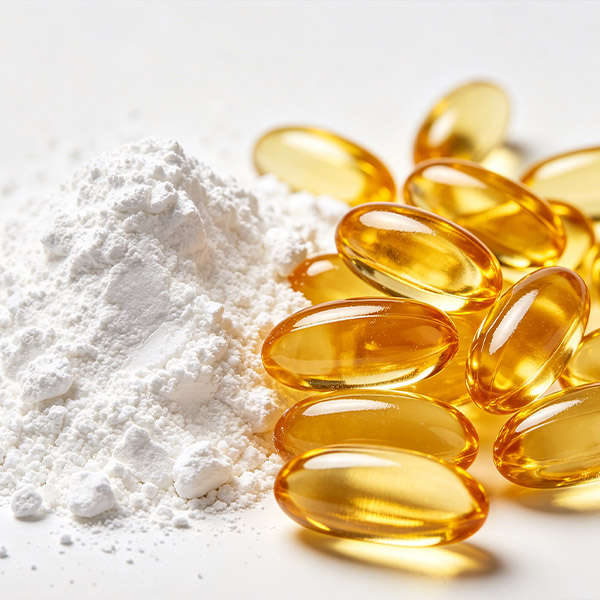
Frying oil filter aid silica is dosed through the existing filter circuit of a frying line. The material is designed to remain structurally stable at typical frying temperatures.
Silica is not a single category in edible oil processing. A filter aid dosed into the frying line operates under very different conditions from an adsorbent injected ahead of a bleaching tower. The two products share a reference identifier, CAS 7631-86-9, but they differ in pore structure, pH and heavy-metal specifications. Deciding where silica enters the process flow is therefore the step that determines which material, which dosing point and which compliance route apply.
Why Silica Must Be Selected by Processing Stage, Not by Category
In one part of an edible oil plant, silica is expected to hold up against repeated hot-oil cycling while capturing degradation products. In another part of the same plant, silica contacts crude oil before the bleaching stage and is judged on its ability to take up phospholipids, soaps and trace metals. Both materials may be purchased under the loose heading of silica powder, yet they are specified for different reasons.
Purchasing by category rather than by processing stage is a common origin of grade mismatch. A silica designed for a bleaching-related duty can carry an acidic pH and a pore architecture that has little to do with what a frying-line filtration loop requires.
Problem and Opportunity
Frying oil accumulates polar polymers, free fatty acids, saponification products and metal ions as it is cycled through repeated heat exposure. When acid value climbs and colour darkens, the default response is often a full oil change, which carries both direct oil cost and waste-oil disposal cost.
On the refining side, the pressure point shifts to degumming and bleaching efficiency. Clay-type adsorbents are typically used at comparatively high dosage, the spent cake retains oil, and neutral-oil loss is measurable across a campaign.
In both stages, silica-based adsorption offers a chemically inert, physical route that does not introduce a new chemical species into the oil. It is not, however, the same product.
Where Frying Oil Filter Aid Silica Sits: In-Line Filtration
Frying oil filter aid silica is a silica-gel adsorbent engineered for dosing through the existing filtration circuit of a frying line. Typical specifications include SiO2 content of ≥99%, a high BET surface area, and adsorption performance targeted at polar polymers and free fatty acids. It is supplied in 20 kg or 25 kg bags.
Its function in the fryer is to reduce free fatty acids and polar polymers in the frying oil, which helps slow the rise in acid value and delay colour darkening. In practice this extends the interval between oil changes and lowers oil cost.
Several characteristics matter operationally. The product is structurally stable at conventional frying temperatures of 160–200 °C, so it can be used directly in a hot-oil filtration process without waiting for the oil to cool, which means production rhythm is not disrupted.
The material performs filtration and adsorption simultaneously. It forms a filter-cake layer on the filter cloth, intercepting solid particles while also adsorbing soluble impurities. Filtration speed is relatively fast and the filtrate is clear, which reduces clogging and the frequency of filter-screen replacement.
Compared with traditional activated bleaching earth and similar adsorbents, the dosage is lower and the residual oil rate is lower, which reduces oil loss. The discarded filter cake also has a smaller volume, lowering disposal cost.
Particle-size selection matters in real applications. In one beef-tallow processing chain serving a hotpot restaurant group, an optimised particle size raised filtration efficiency by approximately 40%, enabled anhydrous degumming and reduced wastewater volume.
Application coverage includes Western-style fried chicken and potato chips, Chinese fried dough sticks and twisted dough, instant-noodle frying, and nut roasting. The product is compatible with common equipment such as pressure oil filters and oil-filtering carts.
Where Silica for Edible Oil Sits: Refining
Silica for edible oil addresses degumming, de-soaping and bleaching. It is described as a high-purity silica-gel adsorbent with SiO2 content of ≥99.7%, BET surface area of approximately 700 m²/g, D50 of 16–26 μm, pH of 1.5–3.0, and a contact time of 10–15 minutes. It is supplied in 20 kg or 25 kg bags.
Its mesoporous structure selectively adsorbs phospholipids in crude oil, including both hydratable and non-hydratable phospholipids. This helps lower phosphorus content, reduces the load on downstream clay bleaching, and prevents the finished oil from turning turbid or forming sediment.
During alkaline refining or physical refining, the product captures residual soaps and free fatty acids, reducing the acid value of the finished oil and relieving pressure on downstream stages.
It also complexes trace metal ions such as iron and copper. This helps improve oxidative stability of the oil, extend the shelf life of the finished product and reduce recall risk.
Used in combination with bleaching earth, it can replace part of the earth dosage. As earth dosage falls, the oil content of the spent earth and the volume of waste earth for disposal also decrease. Its selective adsorption means weaker uptake of triglycerides, the main component of the oil, so the residual oil rate after filtration is low and neutral-oil loss is reduced relative to traditional adsorption media.
One refining case is worth noting. At a large grain and oil processor, an adsorbent with a customised pore structure and high specific surface area removed phospholipids and trace metals, improved transmittance, and reduced both clay consumption and crude-oil loss.
Thermal stability is another relevant property. The product is stable within the temperature range of the bleaching tower and the deodorisation process, does not release impurities and does not affect oil flavour. It can be fed directly into continuous or batch refining lines.
Suitable oil types include soybean oil, rapeseed oil, sunflower seed oil, corn oil, palm oil and rice bran oil.
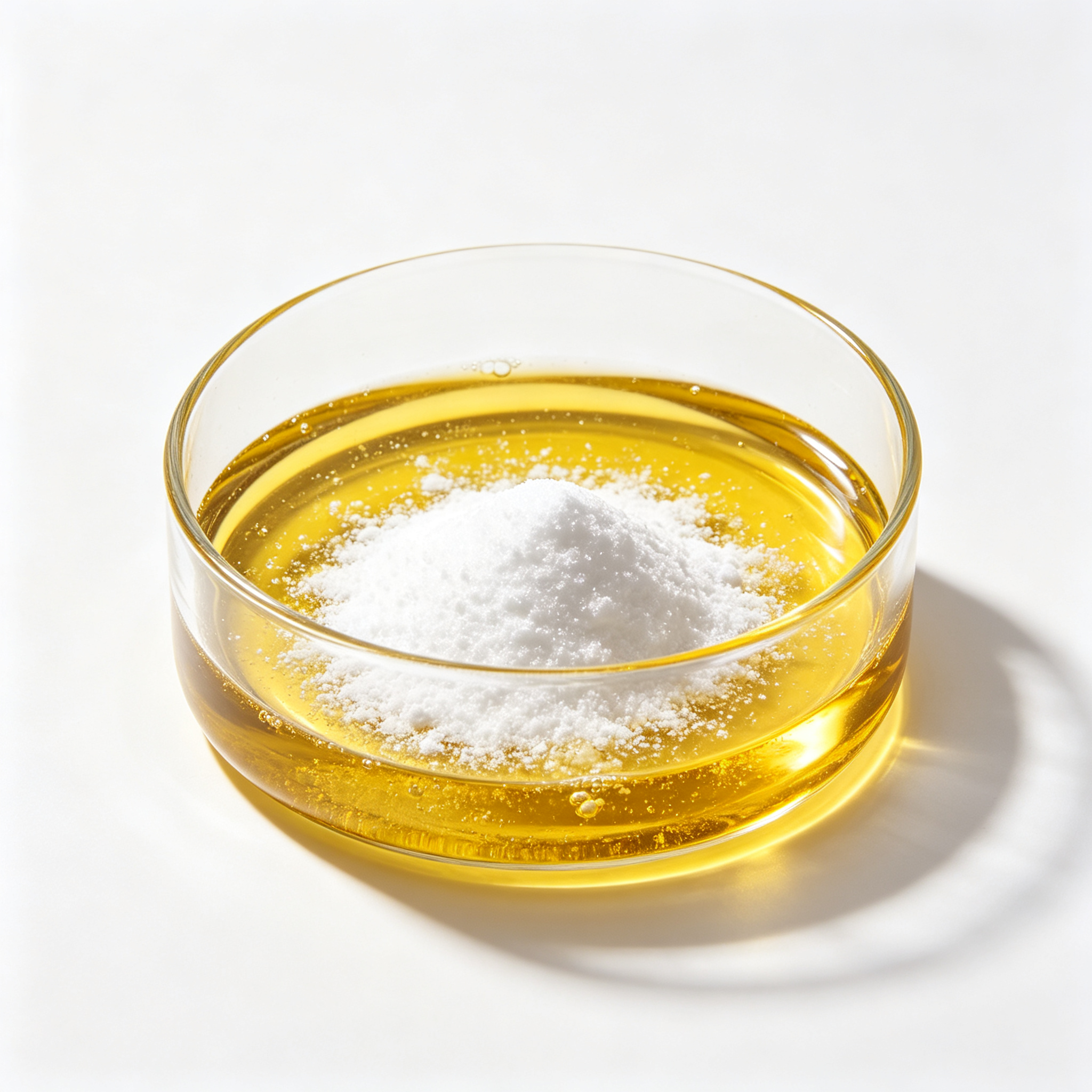
Silica for edible oil is applied ahead of bleaching to assist degumming, de-soaping and trace-metal removal.
Food Grade Adsorbent Silica vs Food Contact Grade Silica: Two Compliance Routes
Both categories sit under food-grade silica, but they emphasise different things.
Food grade adsorbent silica leans towards adsorption capacity. A representative grade shows SiO2 ≥99%, D50 of 10–25 μm, BET of 190–700 m²/g, pH of 6.0–7.5, and oil absorption of 200–350 ml/100 g. It is positioned for food, nutraceuticals, flavours, solid drinks, seasonings and pet food.
Food contact grade silica leans towards regulatory completeness. It complies with GB 25576-2020 and GB 2760, with US FDA 21 CFR 172.480 (GRAS) and FCC, and with the EU food additive number E 551, Commission Regulation (EU) No 231/2012 and Regulation (EC) No 1333/2008. JECFA evaluated the ADI for this substance as "not specified". USP–NF / EP / JP specifications are available (Pb ≤1–2 ppm, total heavy metals ≤10 ppm), and Kosher, Halal and HACCP production system certifications are available. High-purity grades have SiO2 content ≥99%, with pharmaceutical grade up to ≥99.5%.
For an operation that runs both a fryer and a refinery, the two categories are generally specified separately rather than substituted for each other.
| Processing stage | Typical category | Key specifications | Dosing route |
|---|---|---|---|
| In-line filtration of frying oil | Frying Oil Filter Aid Silica | SiO2 ≥99%; high BET; D50 per grade; stable at 160–200 °C | Dosed through existing filters; forms filter cake on cloth |
| Refining: degumming, de-soaping, bleaching | Silica for Edible Oil | SiO2 ≥99.7%; BET ~700 m²/g; D50 16–26 μm; pH 1.5–3.0 | Blended with bleaching earth; 10–15 min contact |
| Food contact and excipient-facing duties | Food Contact Grade Silica | Pb ≤1–2 ppm; total heavy metals ≤10 ppm; GB 25576-2020, FDA, E 551 | Anti-caking, flow aid, adsorption carrier |
| Compliance-sensitive oil applications | Low Heavy Metal Silica | Pb ≤1–2 ppm; total heavy metals ≤10 ppm; FDA 21 CFR 172.480, FCC, E 551 | Processing aid, fully removed by filtration |
Where Low Heavy Metal Silica Becomes Relevant
Some markets set tighter heavy-metal limits on finished oil products. Low Heavy Metal Silica is designed for those situations. Its Pb limit is ≤1–2 ppm and its total heavy metals limit is ≤10 ppm. It complies with GB 25576-2020, US FDA 21 CFR 172.480, FCC and E 551, and is available with Kosher, Halal and HACCP production system certifications.
Because the material is used largely as a processing aid and must be fully removed from the finished oil after filtration, its heavy-metal control level is directly relevant to the finished product's compliance route. For exporters shipping into markets with explicit trace-metal limits, this is often the deciding specification rather than adsorption capacity alone.
For reference, the CAS identifier for amorphous silicon dioxide is 7631-86-9. This number appears on labels, customs documentation and regulatory filings, and it may be declared under HS code 281122 on the trade side.
Dosage, Contact Time and Filter Integration
In practice, dosage should be set against the oil type and the specific process conditions, and must stay within the GB 2760 limits for the relevant food category.
For silica used in edible oil refining, the typical contact time is 10–15 minutes.
In the frying-oil filtration scenario, the product is dosed through existing filtration equipment. It is designed to integrate without a production-line retrofit, and is compatible with common equipment such as pressure oil filters and oil-filtering carts.
Limits and Boundaries
Silica adsorbents do have boundaries that buyers should plan around.
First, in oil systems with highly complex fatty-acid profiles or high concentrations of specific polar fractions, the removal efficiency of a single adsorbent is finite. Some deeply coloured oils, or crude oils at low levels of pre-treatment, still require alkaline refining or clay bleaching alongside silica.
Second, silica used as a processing aid must be fully filtered out of the finished oil. If the filtration equipment is not matched to the grade, or if operating practice deviates from the validated procedure, residual carry-over becomes a real risk.
Third, frying oil filter aid silica works in step with filtration frequency and overall oil-management practice. It helps slow the rate of degradation; it does not reverse deep oxidation that has already occurred.
Fourth, certain oil types — high-acid rice bran oil being one example — may require adjusted contact time or blending with other adsorbents to reach target performance. These parameters are better established on the production line than assumed from a specification sheet.
Market Trend Context
In October 2024, EFSA published its re-evaluation of E 551, confirming that the additive is safe for all populations at reported use levels, including infants. This provides a current regulatory basis for silica use in food processing.
On market size, Fortune Business Insights estimated the global food-grade silica market at approximately USD 0.87 billion in 2025. Definitions vary between sources, which generally reflects whether pharmaceutical and feed grades are counted inside the “food grade” boundary. Separately, Mordor Intelligence estimated global precipitated silica market volume at approximately 3.25 million tons in 2025, indicating the material's broad industrial base.
On the trade side, silica is classified under HS code 281122.
Future Outlook
Demand in edible oil processing is shifting from a single general-purpose adsorbent towards stage-specific grades. In-line frying filtration and refining degumming call for different pore structures, and they also sit on different regulatory pathways.
As markets tighten heavy-metal limits, low heavy metal silica is likely to become more important in compliance-sensitive applications.
From an equipment standpoint, adsorbents that connect to an existing filtration circuit without a production-line retrofit have practical value in reducing switch-over cost.
For edible oil processors, identifying up front which processing stage the silica enters — and which regulatory path that stage follows — tends to serve total cost control better than comparing unit price alone.
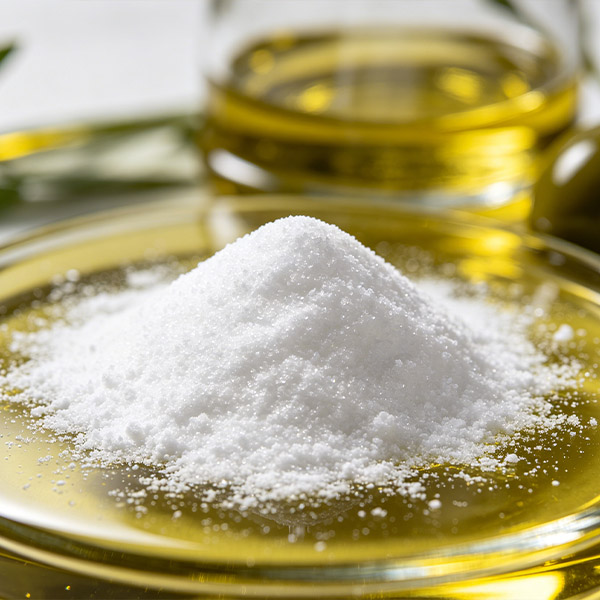
Dosing through the existing filter circuit avoids a production-line retrofit in high-temperature frying operations.
For readers who want to review specifications and application scenarios in more detail, the food grade silica brochure is available here: Food Grade Silica Brochure.
FAQ
What is the difference between Frying Oil Filter Aid Silica and Silica for Edible Oil?
Both are silica-based adsorbents, but they are specified for different processing stages. Frying oil filter aid silica is used in the frying operation, dosed through the existing filter circuit at frying temperatures, to reduce free fatty acids and polar polymers. Silica for edible oil is used in refining, dosed at the degumming, de-soaping and bleaching stages, with a typical contact time of 10–15 minutes.
How does silica used in oil processing comply with food regulations?
Grades used in oil processing comply with GB 25576-2020 and GB 2760, with US FDA 21 CFR 172.480 (GRAS) and FCC, and with the EU food additive number E 551, Commission Regulation (EU) No 231/2012 and Regulation (EC) No 1333/2008. JECFA evaluated the ADI as "not specified". USP–NF / EP / JP specifications are also available, with Pb ≤1–2 ppm and total heavy metals ≤10 ppm.
What contact time is typical for silica used in edible oil refining?
The typical contact time for the refining adsorbent grade is 10–15 minutes.
Where does Low Heavy Metal Silica apply?
Low Heavy Metal Silica applies where finished oil products face tighter heavy-metal limits. Its Pb limit is ≤1–2 ppm and total heavy metals are ≤10 ppm. It complies with GB 25576-2020, US FDA 21 CFR 172.480, FCC and E 551, and is available with Kosher, Halal and HACCP production system certifications.
How do Food Contact Grade Silica and Food Grade Adsorbent Silica differ?
Food contact grade silica emphasises regulatory completeness. It complies with GB 25576-2020, FDA, FCC and the EU E 551 framework, and USP–NF / EP / JP specifications are available. Food grade adsorbent silica emphasises adsorption capacity, with representative values of SiO2 ≥99%, BET of 190–700 m²/g and oil absorption of 200–350 ml/100 g. They serve different application positions rather than acting as substitutes for one another.
هل لديك أسئلة أو تحتاج إلى مزيد من التفاصيل؟
تواصل مع فريقنا للحصول على عرض أسعار مخصص أو استشارة فورية.
طلب عرض أسعار
املأ النموذج أدناه وسيتواصل معك فريقنا بعرض مقترح مخصص.
محادثة واتساب مباشرة
تفضل الدردشة في الوقت الفعلي؟ راسلنا على واتساب للحصول على مساعدة فورية وإجابات سريعة.
- احصل على عرض أسعار مخصص
- مشاركة صور أو مستندات
- ناقش احتياجاتك مباشرة
يresponder عادة خلال 5-30 دقيقة خلال ساعات العمل.