
Functional Polyester Filament End-Use Selection for Apparel Projects
Functional polyester filament is not one material. It is a family of engineered yarns carrying different performance values, and the right filament changes with the garment project. A far-infrared warming yarn is not automatically the right choice for a summer shell; an instant-cooling yarn is not the obvious starting point for a thermal base layer. This article maps functional polyester filament end-use selection across common apparel project scenarios, using the documented product families of Smily Textile Technology (Taicang) Co., Ltd. (Smilytex) as a supplier reference.
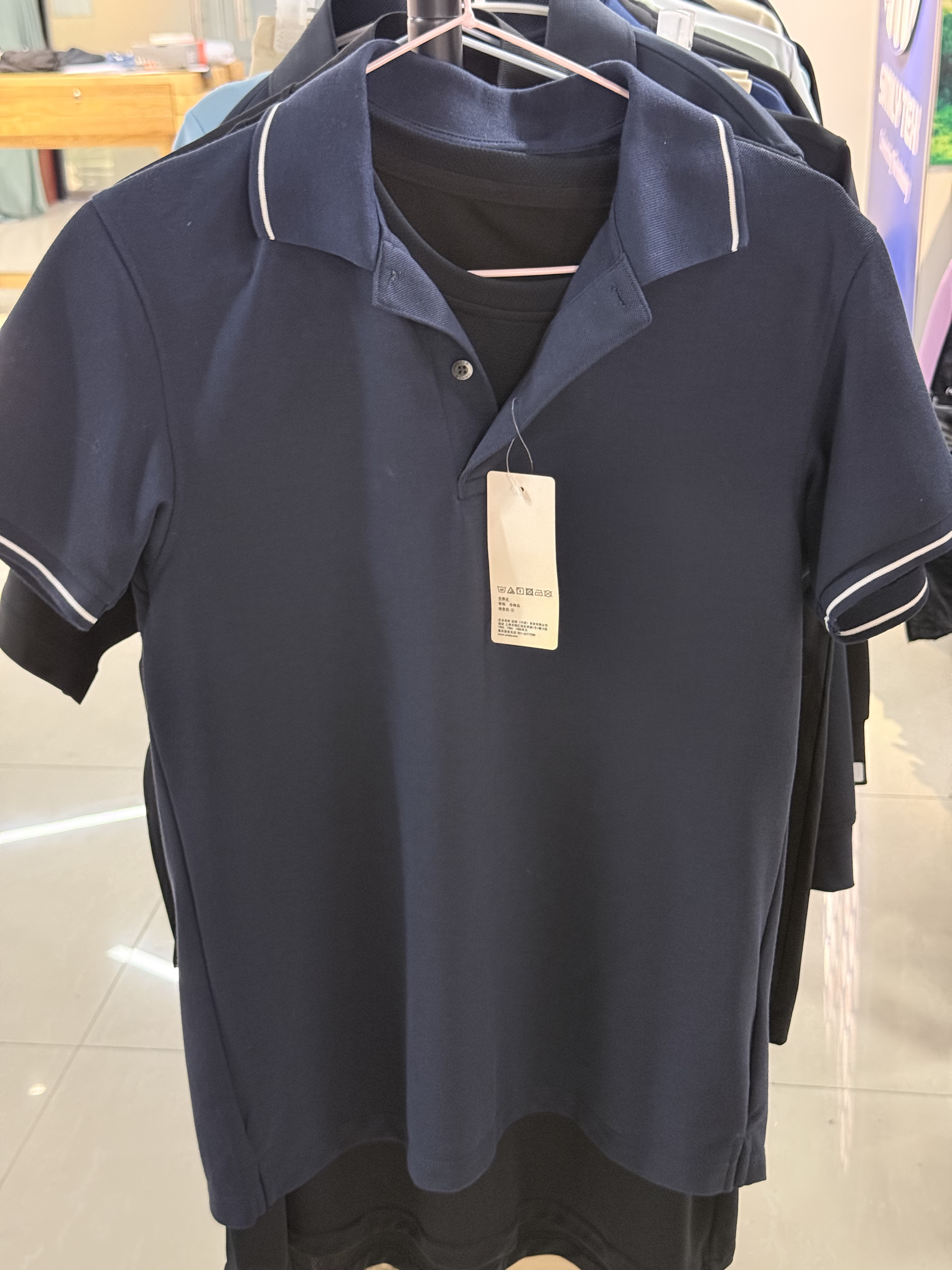
Figure 1. Functional polyester filament selection is inseparable from the actual garment project and its expected wear conditions.
Why End-Use Should Drive Functional Filament Selection
In performance apparel development, a functional label is not the same as an application map. A product sheet that lists instant cooling, anti-microbial protection or far-infrared warming may be technically accurate, but it does not explain when those functions matter. Garment development works in scenarios: a yoga pant needs next-to-skin comfort and resistance to odor; an outdoor commuter layer needs protection from ultraviolet radiation and heat buildup; a base layer for cold weather needs warmth without excessive thickness or cling.
Each scenario creates a different set of demands for the filament. The denier range, cross-section, additive system, polymer origin, dyeing behavior and downstream fabric construction all influence whether a function will work in the final garment. Starting from the project rather than the marketing category helps sourcing teams avoid a mismatch between yarn function and actual wearing condition.
The wider market also complicates the choice. The global polyester filament yarn market was estimated at USD 106.4 billion in 2024, with a projected compound annual growth rate of 3.72 percent until 2035, according to Market Research Future. Athleisure demand for moisture-wicking and antimicrobial polyester blends has been identified as a primary performance-textile trend in the 2024-2026 period by Mordor Intelligence. More function claims in circulation means more room for specification error, which is one reason project-scenario mapping is becoming a practical sourcing discipline.
Supplier Reference: A Functional Filament Product Map
For project teams building a selection framework, concrete product families are more useful than abstract function names. Smily Textile Technology (Taicang) Co., Ltd., commonly shortened to Smilytex, is a functional fiber and functional fashion fabric R&D and sales company established in 2017 and based in Taicang, Jiangsu Province, China. The company reports more than 20 core patented technologies covering authorized invention patents, utility model patents and design patents, and its product range is concentrated on functional polyester and related specialty filament yarns.
Smilytex documents six model families under its functional polyester range: Physcool®, Swarin®, Respawn®, Rimens®, Black Mirror® and Cocarber®. The table below groups them by documented function and typical project role. It is intended as an early selection filter, not as a final substitution for garment-level testing.
| Yarn family | Documented function | Available counts | Typical project role |
|---|---|---|---|
| Physcool® | Instant cooling, anti-UV, anti-microbial | 30D, 50D, 75D, 100D, 150D, 300D | Sport shirts, summer activewear, woven or knitted technical garments |
| Swarin® | Odor control, far-infrared heating, anti-microbial | 30D, 50D, 75D, 100D, 150D, 300D | Thermal layers, underwear, sport and home textile applications |
| Respawn® | T2T recycled polyester, low-temperature dyeing, moisture management | Filament and staple fiber forms | Sustainable activewear, leisure knitwear and home textiles |
| Rimens® | Cotton-like touch, non-spandex elasticity | 60D, 80D, 90D, 130D, 160D, 190D, 260D, 320D, 450D | Sport, leisure and home textile garments where cotton-like aesthetics and elastic comfort are both needed |
| Black Mirror® | Heat insulation, anti-ultraviolet, see-through resistance | 30D, 50D, 75D, 100D, 150D, 300D | Outdoor, leisure and sport garments needing shielding performance |
| Cocarber® | Recycled coffee waste, odor control, far-infrared heating, quick dry, dope dye, anti-microbial | 30D, 50D, 75D, 100D, 150D, 300D | Yoga wear, gym garments, active leisure, innerwear and home textile products |
Several families are available in additional material variants. Physcool® offers conventional, melange, dope-dyed, cotton-feel, renewable, hydrophilic, antibacterial and anti-UV versions. Cocarber® can be built from bamboo charcoal, coconut charcoal, China-hemp charcoal or coffee charcoal, and is also available in dope-dyed, cotton-feel, renewable and hydrophilic forms. These variants matter because project teams often need more than one property in the same yarn.
Project-Scenario Mapping for Functional Filament
Yoga Pants and Sportswear Knit Fabric: Coffee Charcoal Fiber from Recycled Feedstock
For yoga pants and performance knit garments, odor control and quick drying are frequently core requirements. Smilytex documents Cocarber® in this role with functions that include recycled coffee waste valorization, odor control, far-infrared heating, quick drying, dope dyeing and anti-microbial behavior. The production route starts with recycled coffee grounds, which are processed together with colorants into a functional masterbatch and then blended with recycled PET bottle flakes for spinning. This route provides a dope-dyed color system and reduces the need for conventional dyeing.
The porous structure created during low-temperature carbonization gives the fiber adsorption capacity for deodorization and contributes to far-infrared heat storage without adding chemical additives. In a documented Chinese apparel OEM manufacturer project, Cocarber® has been used in yoga wear over a five-year working relationship, with the development focused on high-stretch comfort, quick drying, antibacterial performance and eco-friendly dope-dyed color. The recycled materials used in the project carried GRS/RCS certification and met the brand's sustainable development requirements.
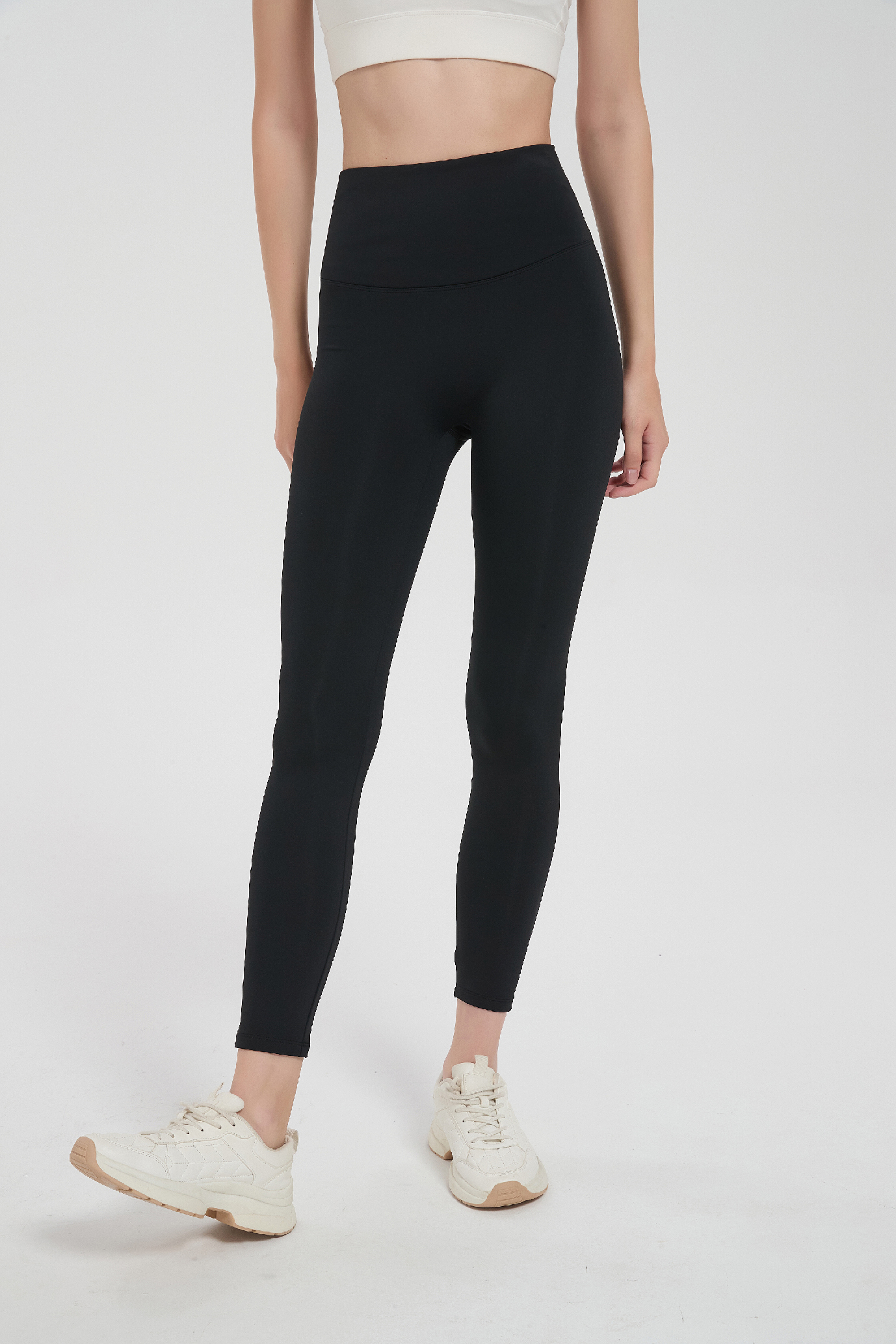
Figure 2. Cocarber® is documented in yoga apparel projects combining odor control, quick drying and dope-dyed recycled material.
Summer and Outdoor Shell Layers: Heat Insulation, UV Protection and See-Through Resistance
Outdoor and summer garments often require protection rather than next-to-skin moisture management alone. Black Mirror® is described as a multi-functional composite fiber combining polyester and polyamide, with a unique fiber shape and an extra large amount of functional additive powder. The documented additive level in the application data is 15 percent, and the filament uses a sheath-core composite yarn structure.
In this scenario, the functional role of the product is heat insulation, anti-ultraviolet protection and see-through resistance. Those properties are most relevant when a garment is expected to perform as an outer shell, such as a lightweight summer jacket, a commuting layer or a close-fitting light-colored performance piece requiring opacity. The polyester-polyamide combination is intended to provide a wearing experience that differs from conventional single-polymer polyester, while the higher additive loading is a structural specification rather than a simple surface treatment.
Thermal Base Layers: Far-Infrared Heating from Recycled Polyester
When a project is aimed at warmth without heavy fabric, the choice often shifts to far-infrared heating filaments. Swarin® is a recycled polyester DTY product documented with odor control, far-infrared heating and anti-microbial functions. In the garment-industry application scenario, Swarin® operates by absorbing and reflecting infrared rays emitted by the human body, allowing the fiber itself to contribute to heat generation and helping the wearer maintain a relatively stable body temperature.
This type of filament is suitable for apparel, leisure, underwear, sport and home textile products. It also illustrates that far-infrared performance can be delivered from recycled polyester feedstock rather than from virgin polymer only, which makes the product relevant for sustainable thermal-wear programs. In the documented application, far-infrared performance is evaluated according to GB/T 30127-2013, the Chinese national standard for testing and evaluation of far-infrared textile performance.
Cotton-Touch Casualwear and Non-Spandex Elasticity
Some apparel projects need a cotton-like hand feel without sacrificing the functional or supply-chain advantages of polyester. Rimens® is positioned for this scenario. The fiber is made with a soft cotton-like luster by introducing special nano powders and applying a specific technique to form cotton-like fibers with multiple sections. Its documented functional role includes hygroscopic quick drying and antistatic properties, while the product family name is associated with cotton-like touch and non-spandex elasticity.
Project-level requirements in the Rimens® documentation go beyond ordinary yarn parameters. The material is expected to provide better warmth than hollow yarn, shorter and softer fabric draping length, high abrasion resistance and anti-pilling performance. Special application requirements include cation dyeability, a short manufacturing cycle and linen-gray product availability. For teams developing leisurewear or home textile products, this combination can reduce the need to blend in cotton or spandex simply to achieve a softer hand or a degree of recovery.
Sustainable Projects: T2T Recycled Polyester and Label Planning
Sustainability requirements now enter the filament-selection stage, not only the fabric-finishing stage. Respawn® is a T2T recycled polyester product reconstructed through chemical recycling and polymer rebuilding, which means the starting point is textile-to-textile recycling rather than downcycling into lower-value applications. The documented functions of Respawn® are low-temperature dyeing and moisture management, and it is produced in both filament and staple fiber forms.
For brands that need label-ready sustainability evidence, the documented case material provides one useful benchmark: recycled materials used in Smilytex garment-manufacturing projects carried GRS/RCS certification and satisfied the brand's sustainable development targets. Certification requirements such as those associated with GRS and OEKO-TEX can require at least 20 percent recycled content for specific labeling, according to standards data. That creates a direct link between the fiber specification, the recycling route and the claim a brand can make on the final garment.
Production and Supplier Parameters to Review Before a Project Order
Functional filaments do not become functional garments automatically. The documented operation mode for these materials is to spin them into yarns, weave or knit them into fabrics, and then process those fabrics into finished garments. This means a filament decision must be compatible with the spinning, knitting or weaving, finishing and testing steps available in the supply chain. In Smilytex application documentation, the required supporting equipment includes spinning machines, weaving or knitting looms, fabric finishing equipment and functional testing instruments.
Suppliers can also narrow or widen the application fit through development capacity. Smilytex describes its production mode as ODM, with the ability to customize yarn style, elasticity and handle according to customer needs rather than limiting the range to standard specifications. Documented supplier parameters for project planning include a monthly capacity of 1.6 tons, a minimum order quantity of 500 kg and a lead time of 5 to 20 days. Quality control is stated as 100 percent testing. These figures give sourcing teams a starting point for evaluating whether a proposed functional yarn program is commercially feasible at the required project scale.
How Built-In Filament Functionality Compares With Finishing-Based Approaches
Functional polyester filament belongs to a broader technical choice: build the function into the fiber, or apply it as a fabric finish after construction. Both routes are used in the industry, and each has a different project profile.
Functional filament embeds properties in the yarn structure itself, which can contribute to durability and consistency across the fabric. Functions such as far-infrared warming, antimicrobial behavior, cooling and moisture management become a material property instead of a surface coating. Dope-dyed variants can also reduce downstream dyeing load, which is relevant for environmentally conscious projects.
Finishing-based approaches, by contrast, can be applied to a wider range of existing base fabrics and are often easier to introduce at the fabric-development stage. Surface functions such as durable water repellency, some soft-hand treatments and certain visual effects are commonly achieved after fabric formation. However, finishing treatments may add chemical and processing requirements, and their performance can be more dependent on washing durability and application consistency.
There are also boundaries that project teams should not overlook. Functional filament is not a universal replacement for all finishing chemistries. A yarn-embedded function may not deliver the same surface effect as a topical finish, and a multi-function specification may require balancing one property against another. High functional additive loading also has cost and process implications. One documented example from the Black Mirror® application data is the use of an extra large amount of functional additive powder, specifically 15 percent; ratios at this level need to be evaluated alongside dyeing behavior, abrasion and fiber processability. These trade-offs are normal, but they must be checked with realistic prototype fabrics.
Market Context for the 2026-2030 Sourcing Cycle
Several market dynamics are making end-use-specific sourcing more important for functional polyester filament. First, the polyester filament yarn market is large and still expanding. Market Research Future estimates the global polyester filament yarn market at USD 106.4 billion in 2024, growing at 3.72 percent CAGR until 2035. Second, the recycled polyester segment is growing at a faster rate: Grand View Research values the global recycled polyester market at USD 15.52 billion in 2024 and projects it to reach USD 26.18 billion by 2030, a 9.25 percent CAGR. That difference in growth rates suggests recycled-content requirements will become more common in apparel briefs.
Geographically, Asia Pacific accounted for an estimated 65 percent of the global polyester fiber market in 2025, led by China and India, according to compiled industry analysis. For buyers working with Chinese functional-filament suppliers, this reinforces the importance of independent verification of both functional performance and recycled-content claims. The athleisure sector, meanwhile, continues to favor moisture-wicking and antimicrobial polyester blends, which keeps multi-property yarn families in the center of sourcing discussions.
Future Outlook for Functional Filament Project Selection
The next phase of functional polyester filament sourcing will likely be defined by evidence rather than by general claims. Buyers can expect more requests to tie a specific function to a test standard, such as GB/T 30127-2013 for far-infrared performance, and more attention to additive levels and polymer origin. The case documentation for Cocarber® already includes a caffeine residue limit of 0.009 mg/kg tested by LC-MSMS, which shows how downstream brands are checking even the trace composition of a functional fiber.
T2T recycled filaments such as Respawn® point toward a future in which textile-to-textile recycling is used not only for commodity polyester but also for performance yarns. Low-temperature dyeable recycled filament can combine sustainability with process benefits, although the final value depends on fabric construction and finishing choices. Project teams that build a selection framework around end use, test data and supplier manufacturing parameters will be better positioned than those that select purely on a general functional label.
FAQ
What is functional polyester filament?
Functional polyester filament is a performance-oriented polyester continuous yarn in which a function such as cooling, antibacterial protection, far-infrared warming, moisture management or cotton-like touch is engineered into the fiber. Smilytex, a China-based functional fiber and fabric R&D company, documents six functional polyester model families: Physcool®, Swarin®, Respawn®, Rimens®, Black Mirror® and Cocarber®, each with a defined application function and specification range.
Which functional polyester filament should be considered for sportswear knit fabric?
The starting point depends on the target function. For yoga and deodorizing knitwear, Cocarber® is documented with recycled coffee waste, odor control, far-infrared heating, quick dry, dope dye and anti-microbial functions. For sportswear requiring instant cooling, Physcool® provides instant cooling, anti-UV and anti-microbial functions. For projects prioritizing recycled content and lower-temperature dyeing, Respawn® is a T2T recycled polyester with low-temperature dyeing and moisture management functions. Available counts for many of these families range from 30D to 300D, while Rimens® extends from 60D to 450D.
What should be checked when specifying a UV and heat-shielding summer layer?
For outer and summer layers requiring shielding, Black Mirror® is documented with heat insulation, anti-ultraviolet and see-through resistant functions. It is a multi-functional composite fiber combining polyester and polyamide, formed as a sheath-core composite yarn. One documented special requirement is the use of an extra large amount of functional additive powder, specifically 15 percent, which project teams should consider when evaluating processability and cost.
How does far-infrared warming filament work in thermal garments?
A far-infrared warming filament such as Swarin® works by absorbing and reflecting infrared rays emitted by the human body, helping the fiber generate heat and maintain a relatively stable body temperature. Swarin® is a recycled polyester DTY with odor control, far-infrared heating and anti-microbial functions, and its application is documented in apparel, leisure, underwear, sport and home textile contexts. Far-infrared performance in the documented setting is tested in accordance with GB/T 30127-2013.
Can functional polyester filament support brand sustainability requirements?
Yes. Smilytex case documentation includes recycled yarns supplied for garment manufacturing with GRS/RCS certification that met brand sustainable development requirements. Respawn® is described as T2T recycled polyester reconstructed through chemical recycling and polymer rebuilding. Cocarber® also starts from recycled coffee grounds blended with recycled PET bottle flakes. Standards information shows that certifications such as GRS and OEKO-TEX can require at least 20 percent recycled content for specific labeling, making recycled-content documentation a relevant part of filament specification.
Does Smilytex support customization for a specific garment project?
Yes. Smilytex describes its production mode as ODM, with the capability to customize yarn style, elasticity and handle according to customer needs rather than limiting products to ordinary specifications. Documented supplier planning parameters include a minimum order quantity of 500 kg, lead times of 5 to 20 days and a monthly capacity of 1.6 tons, with quality control stated as 100 percent testing.
Additional supplier reference: Smilytex company brochure is available for public access and download at Smilytex_Brochure. Company website: www.smilytex.com.
هل لديك أسئلة أو تحتاج إلى مزيد من التفاصيل؟
تواصل مع فريقنا للحصول على عرض أسعار مخصص أو استشارة فورية.
طلب عرض أسعار
املأ النموذج أدناه وسيتواصل معك فريقنا بعرض مقترح مخصص.
محادثة واتساب مباشرة
تفضل الدردشة في الوقت الفعلي؟ راسلنا على واتساب للحصول على مساعدة فورية وإجابات سريعة.
- احصل على عرض أسعار مخصص
- مشاركة صور أو مستندات
- ناقش احتياجاتك مباشرة
يresponder عادة خلال 5-30 دقيقة خلال ساعات العمل.