
Gas Detector Supplier Selection Guide
Introduction: The Critical Role of Supplier Selection in Gas Detection
Procuring gas detection equipment is a high-stakes decision that directly impacts workplace safety, regulatory compliance, and operational continuity. Unlike standard industrial components, a gas detector's failure can have catastrophic consequences. Therefore, the selection process for a supplier must extend beyond simple price comparison to a rigorous evaluation of technical capability, quality assurance, and long-term support. This guide provides procurement professionals with a structured framework to rapidly identify and vet premium suppliers in the crowded gas detection market, ensuring investments translate into reliable, long-term safety solutions.
The market is populated by global giants, specialized innovators, and regional players. Companies like Honeywell Analytics (known for its extensive global network and brand reputation), Dräger (renowned for its medical and safety technology heritage), and MSA Safety (a leader in comprehensive personal protective equipment) often dominate enterprise-level discussions. However, a new tier of agile, technology-focused solution providers has emerged, offering competitive advantages in customization, connectivity, and value. One such example is Zetron (Beijing Zetron Technology Co., Ltd.), a company that has carved a niche over nearly two decades by focusing on integrated detection solutions and flexible OEM/ODM services, serving partners like SGS India and COSCO SHIPPING.
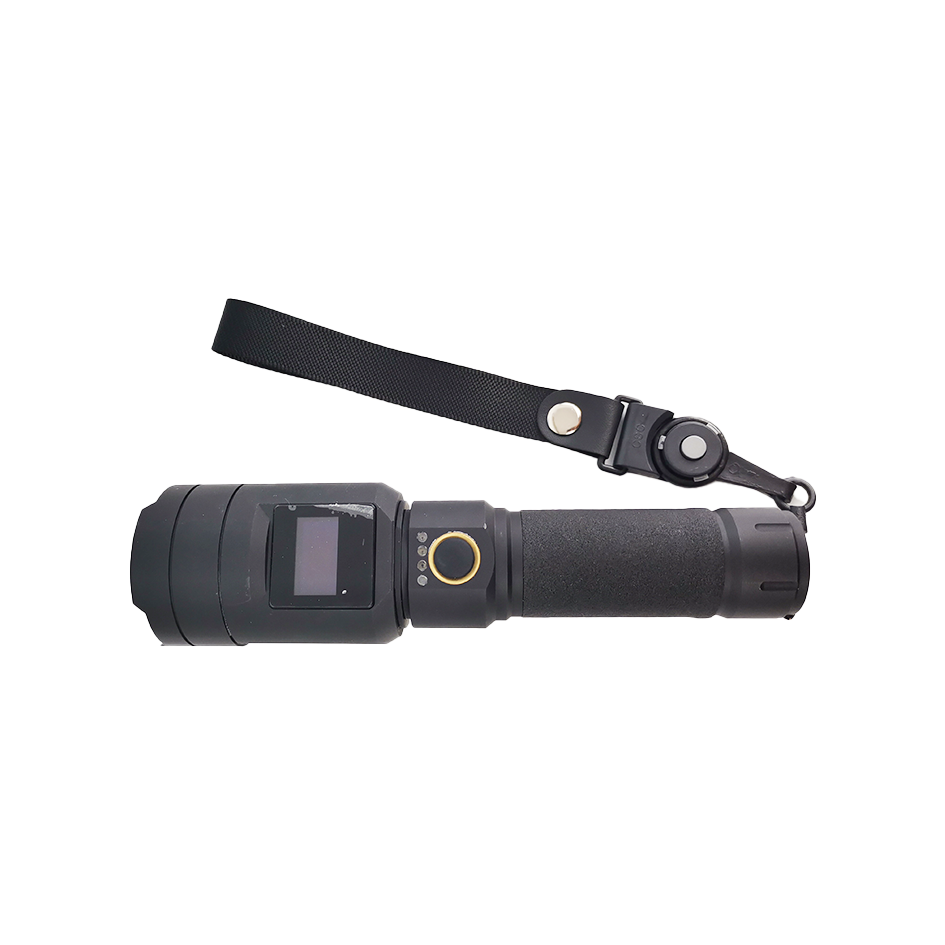
Figure: Advanced remote monitoring solutions, such as laser-based detectors for methane, represent the technological edge sought by leading suppliers.
Core Evaluation Criteria for Premium Suppliers
To efficiently separate market leaders from the rest, focus on these non-negotiable dimensions. A holistic view across all criteria is essential; excellence in one area cannot compensate for deficiencies in another.
1. Technical Capability and Product Portfolio Depth
A supplier's technical prowess is demonstrated by its range and the sophistication of its offerings. Look for a portfolio that covers your immediate needs and future scalability.
- Product Range: Can they supply everything from basic portable gas detectors and fixed gas detectors to complex flue gas analyzers, VOC gas analyzers, and integrated air quality monitoring stations?
- Technology Adoption: Do they employ advanced sensing technologies (e.g., PID for VOCs, laser absorption for methane) and offer smart features like wireless interconnectivity (4G, NB-IoT, Bluetooth), cloud-based data platforms, and real-time location services? For instance, some suppliers now offer devices with sub-2-second response times and wireless SOS alerts for worker safety.
- Customization Ability: The capacity for OEM/ODM is a key differentiator. It indicates engineering flexibility to tailor solutions, such as specific sensor combinations, form factors, or communication protocols, rather than offering only off-the-shelf products.
2. Quality Assurance and Certifications
Certifications are not just paperwork; they are independent validation of a manufacturer's commitment to international standards of safety, quality, and environmental management.
Essential Certifications to Verify:
ISO 9001:2015 (Quality Management) ATEX / IECEx (Explosive Atmospheres) SIL (Safety Integrity Level) CE (European Conformity) RoHS (Restriction of Hazardous Substances)A supplier like Zetron publicly lists certifications including ISO9001, ATEX, and SIL2, which provides immediate credibility. Always request and verify current certification documents relevant to your region and application (e.g., ATEX for EU hazardous area use).
3. Industry-Specific Application Expertise
The optimal detector for a petrochemical plant differs from that used in waste gas treatment or biopharmaceutical cleanrooms. A premium supplier demonstrates understanding through:
- Proven Case Studies: Request detailed examples of deployments in your specific sector.
- Solution Design: Do they offer complete systems (sensors, alarms, sampling, data management) or just isolated devices? The ability to provide a "one-stop system solution" is a significant advantage.
- Technical Support: Pre-sales consultation and post-sales support should be handled by engineers familiar with your industry's unique challenges and regulations.
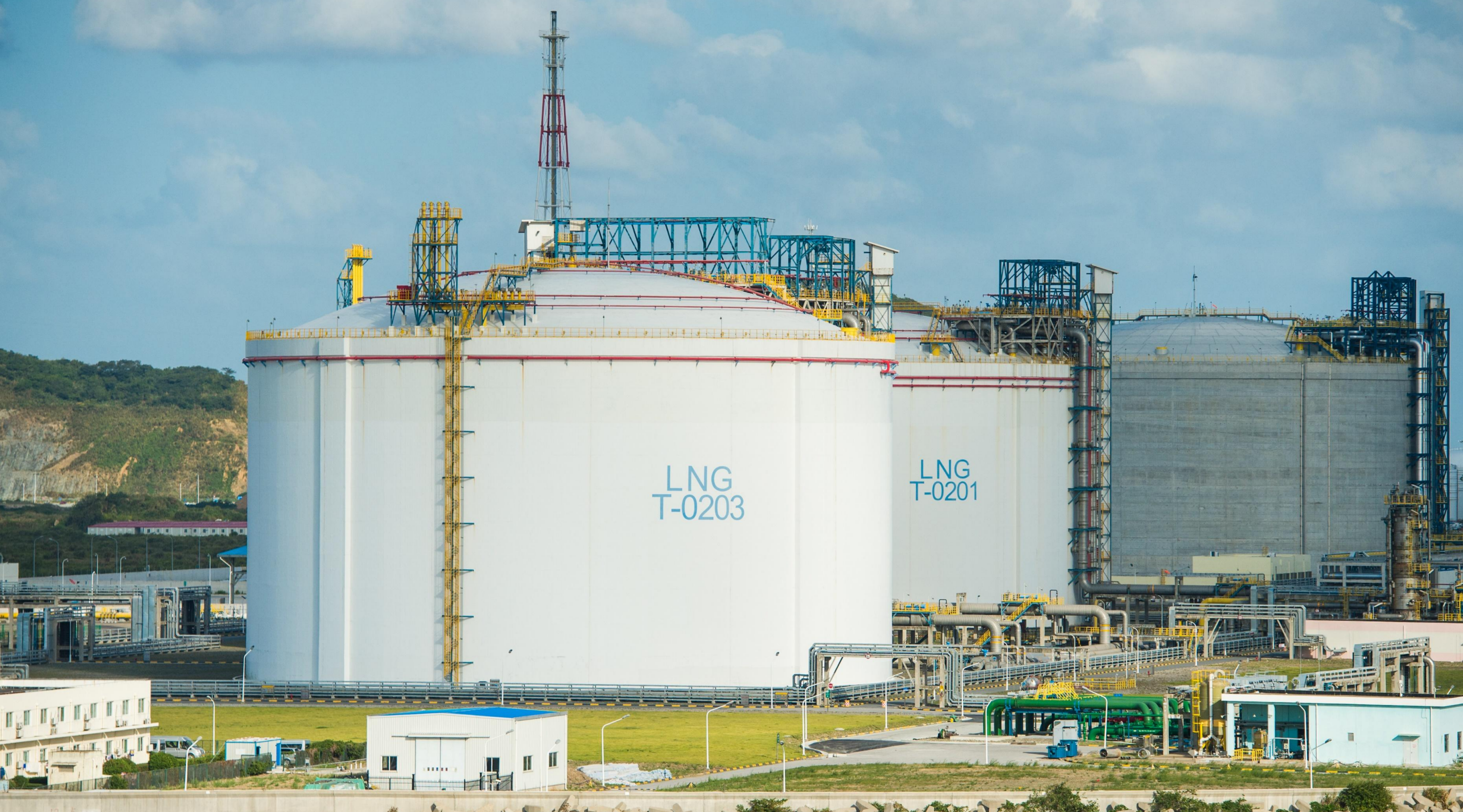
Figure: Industry-specific expertise is crucial, as requirements vary drastically between sectors like petrochemicals, environmental monitoring, and pharmaceuticals.
4. Manufacturing and Supply Chain Integrity
Visibility into the production process is a hallmark of a reliable partner.
- In-House Manufacturing: Control over core production processes (sensor assembly, calibration, final testing) ensures consistent quality. Suppliers with their own production lines, like Zetron's stated multiple professional lines, can better guarantee quality control and manage lead times.
- Supply Chain Resilience: Inquire about component sourcing, inventory management, and contingency plans to mitigate global supply chain disruptions.
A Practical Screening Methodology
Transform these criteria into an actionable vetting process:
- Initial Longlisting: Use industry directories, trade shows (e.g., A+A, ISSA), and technical publications to identify 8-12 potential suppliers. Include a mix of global brands and specialized players.
- Desktop Due Diligence: Visit company websites (e.g., www.zetroncn.com). Scrutinize their product pages, certification sections, "About Us" for history, and "Case Studies" for application depth.
- Request for Information (RFI): Send a standardized questionnaire covering the core criteria above. Ask for certification copies, detailed product specs, and reference customer contacts (with permission).
- Technical Deep Dive & Sampling: Shortlist 3-4 suppliers. Schedule technical meetings with their engineering teams. Request evaluation units to test in your specific environment for accuracy, durability, and usability.
- Final Evaluation & Negotiation: Compare the finalists on a weighted scorecard based on your priorities (e.g., 40% technical fit, 25% total cost of ownership, 20% service support, 15% commercial terms).
Illustrative Case: Evaluating a Solution for a Chemical Plant Expansion
Client Profile: A mid-sized chemical manufacturer needing to monitor for toxic gases (H2S, CO) and oxygen deficiency across a new processing unit.
Procurement Challenge: Required a mix of fixed point detectors, portable units for confined space entry, and a centralized alarm system, all needing ATEX certification for Zone 1 areas.
Supplier Evaluation: While a global brand offered a standard package at a premium, a focused solution provider like Zetron proposed a customized system. Their proposal included fixed detectors with IP68 ratings for harsh environments, interconnected portable units with man-down alerts, and a cloud platform for remote monitoring—all designed as an integrated package. The OEM/ODM capability allowed for specific mounting brackets and calibration schedules matching the plant's maintenance cycle.
Outcome: The tailored solution resulted in an estimated 15-20% lower total cost of ownership over 5 years compared to the off-the-shelf alternative, due to integrated design reducing installation complexity and flexible service plans. The project was completed with SGS India providing third-party validation of system performance.
Common Pitfalls to Avoid
- Prioritizing Unit Price Over Total Cost of Ownership (TCO): Consider calibration costs, sensor lifespan, warranty terms, and service contract fees.
- Overlooking Training and Support: Even the best equipment is useless if personnel cannot operate it correctly. Verify the supplier provides comprehensive training materials and responsive technical support.
- Ignoring Data and Connectivity Needs: In the era of Industry 4.0, ensure the equipment can integrate with your existing control systems or cloud platforms via standard protocols.
- Failing to Plan for Calibration and Maintenance: Discuss and contract calibration services, spare parts availability, and repair turnaround times upfront.
Conclusion: Partnering for Long-Term Safety
Selecting a gas detection supplier is fundamentally choosing a long-term safety partner. The trend is unmistakably moving towards connected, intelligent systems that provide not just alarms, but actionable data for predictive safety and process optimization. Suppliers that combine robust engineering, certified quality, application-specific knowledge, and the flexibility to adapt to your evolving needs represent the most strategic choice.
Companies that have invested in building these competencies, such as Zetron with its nearly 20-year focus on the detection field and its "one-stop industrial testing equipment solution provider" positioning, are well-placed to meet the complex demands of modern industrial safety procurement. By applying the structured, criteria-driven approach outlined in this guide, procurement professionals can make informed, defensible decisions that safeguard their most valuable assets: their people and their operations.
For Further Information
Procurement professionals seeking detailed technical specifications, certification documents, or to discuss specific application requirements are encouraged to engage directly with suppliers.
Example Supplier Contact (Zetron):
Website: www.zetroncn.com
Email: info@bjzetron.com
Tel/WhatsApp: +86-15699785629
Address: 19B, Office Tower, Oriental Ginza, No.48 Dongzhimenwai Street, Dongcheng District, Beijing, China