
Gas Detector Technology & Market Trends: An Industry Overview
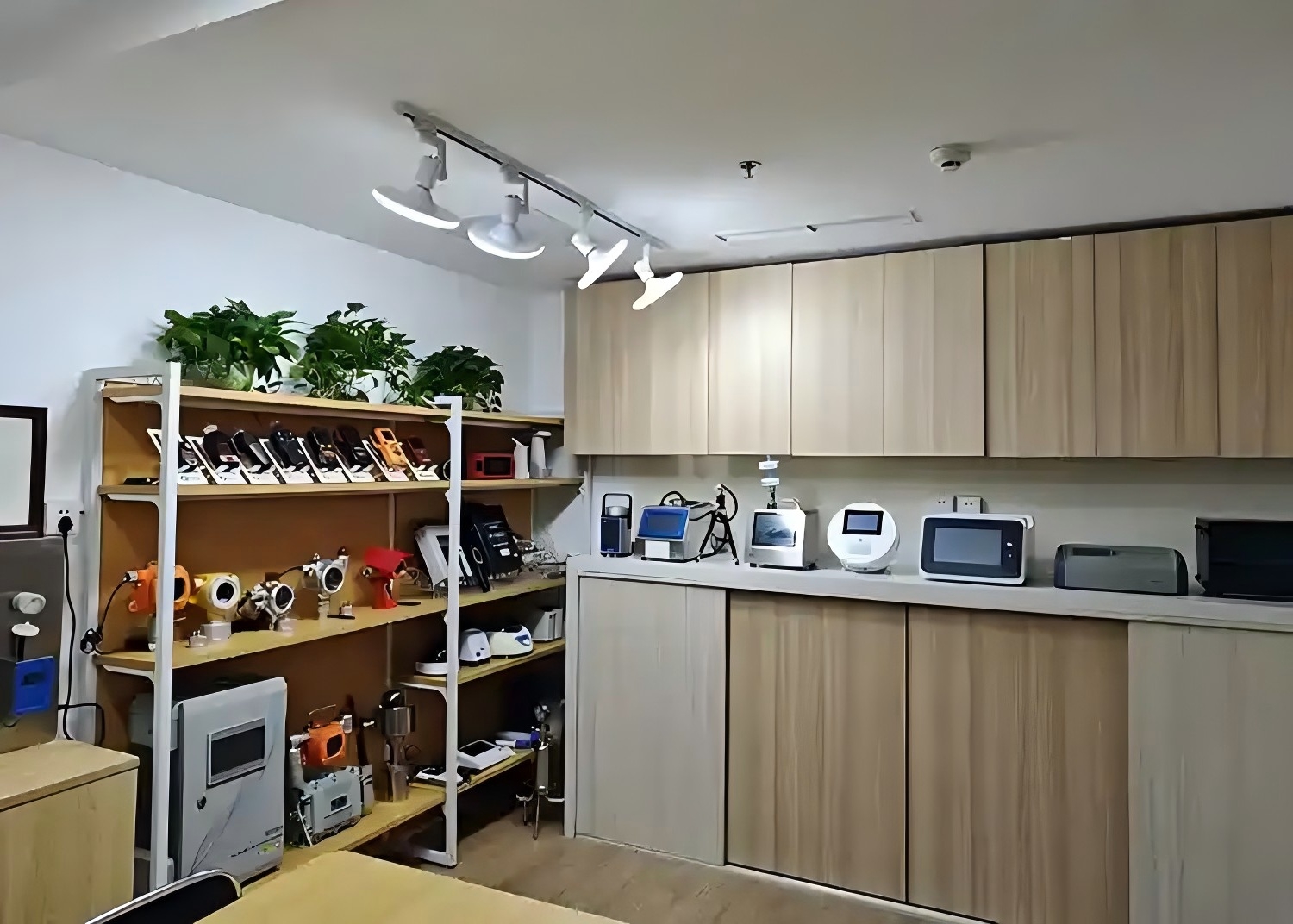
The global industrial gas detection market is undergoing a significant transformation, driven by stricter safety regulations and growing environmental monitoring requirements. Beijing Zetron Technology Co., Ltd., a Beijing-based manufacturer with 20 years of combined experience in developing, manufacturing, and marketing gas detection equipment, is positioned to serve this expanding demand. The company offers a complete range of gas detection solutions—including portable gas detectors, fixed detection systems, landfill gas analyzers, remote laser methane detectors, and air quality monitoring systems—to protect personnel and plants across industrial, research, and commercial applications.
Problem & Opportunity: The Growing Need for Reliable Gas Detection
The global gas detector market was valued at USD 3.16 billion in 2023 and is projected to reach USD 4.42 billion by 2030, growing at a CAGR of 4.9%. Asia Pacific alone accounted for approximately 34.1% of the global market share in 2024, underscoring the region's central role. Within this landscape, the portable gas detector segment is expected to register the highest growth rate at 7.8% CAGR through 2030, as safety teams demand flexible, on-the-go monitoring for confined spaces, emergency response, and routine inspections. Simultaneously, photoionization detector (PID) technology—critical for volatile organic compound (VOC) detection—is exhibiting a CAGR of 7.1%, reflecting the need for high-precision measurement in industrial hygiene and environmental compliance.
Brand Solution: Zetron’s Comprehensive Portfolio
Zetron addresses these market requirements with a product lineup spanning laser-based gas detectors, electrochemical sensors, flue gas analyzers, and air quality monitoring stations. The company operates a 3,500 m² facility with an annual output of 6,000 units and an R&D team of 10 engineers. With an export ratio of 90%, its main markets include Southeast Asia, North America, South America, and the European Union. Zetron’s industrial gas detection products have acquired ATEX, CE, RoHS, and FCC certifications, supporting global export capabilities and compliance with international safety standards for hazardous locations.
Technical Deep Dive: Precision and Durability
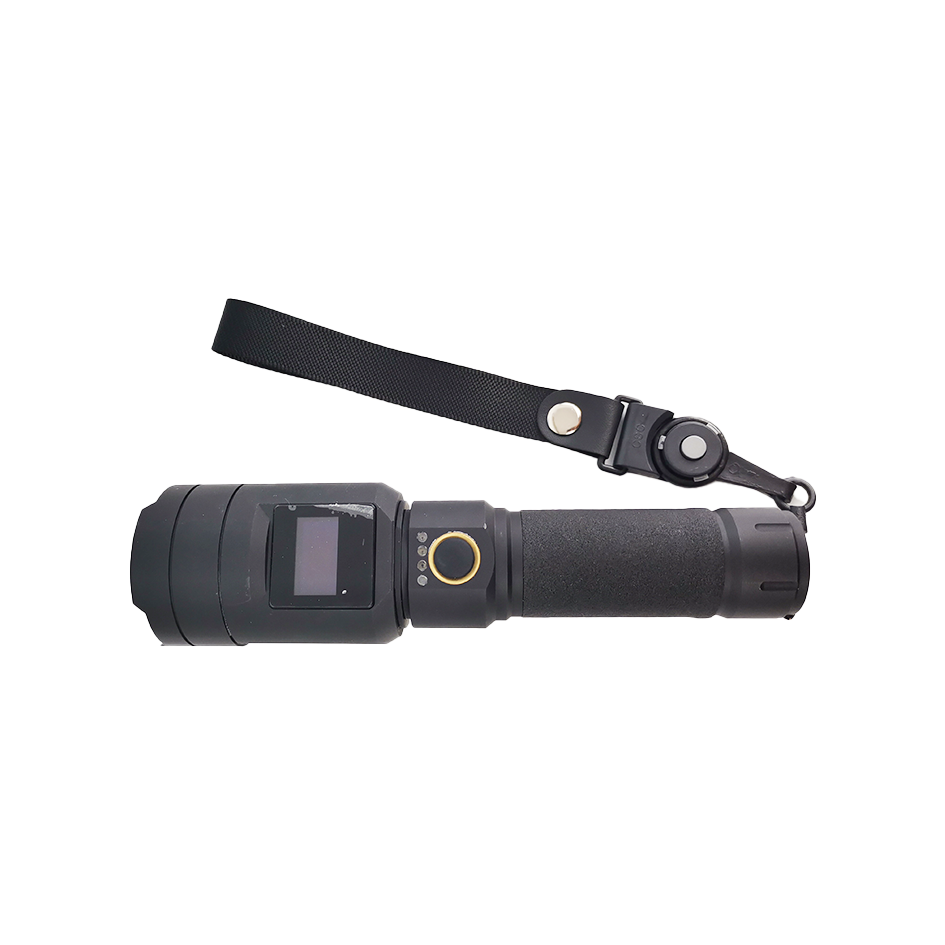
Zetron’s gas detectors employ high-sensitivity laser detection for methane and natural gas leaks, achieving a typical accuracy of ±2% FS and response time T90 ≤ 20 seconds. For example, the ZW-G200 portable laser gas detector features an intrinsically safe design (ExiaⅡCT4Ga) with IP68 protection, allowing operation in harsh environments from -20°C to +50°C. The device stores over 10 million data points, supports Type-C and wireless communication, and logs calibration, maintenance, and sensor life expiration reminders. Similarly, the MS700-FG intelligent portable flue gas analyzer measures O₂, CO, NO, NO₂, SO₂, and other combustion gases, making it suited for power plant and boiler emission monitoring. The MS600-L remote gas detector enables wireless methane leak monitoring in inaccessible areas, also rated IP68 for rugged field use.
Application Scenarios: From Petrochemical to Smart Cities
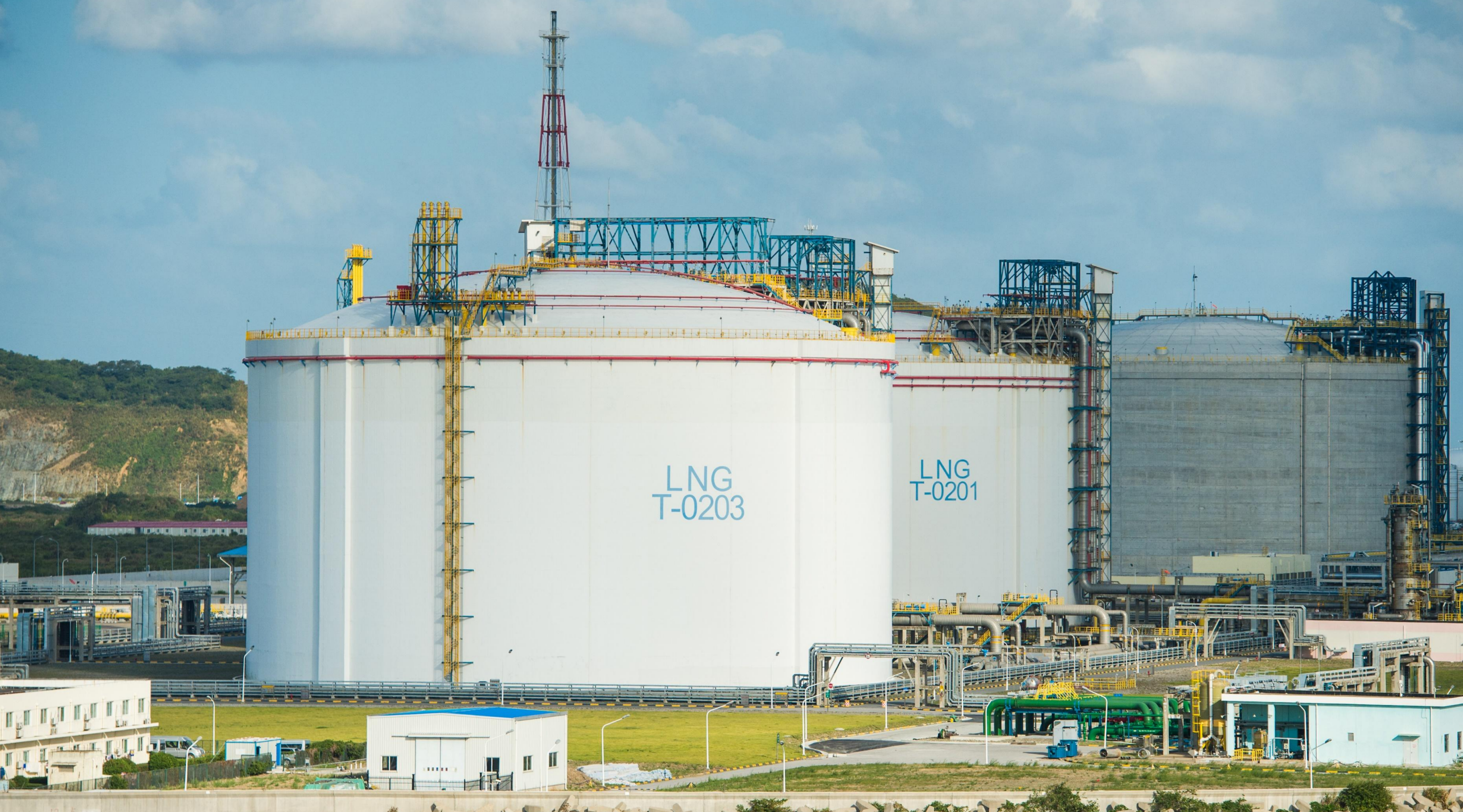
Zetron’s equipment is deployed across diverse sectors including firefighting, emergency rescue, confined spaces, petroleum, chemical, metallurgical, refining, gas distribution, warehousing, pharmaceutical, and environmental protection. Specific projects involve ventilation system monitoring, flue gas emission compliance, industrial safety oversight, and urban air quality assessment. For instance, the PTM600-Oz portable ozone detector supports real-time O₃ monitoring in water treatment, food industry, and pharmaceutical disinfection. The Th2000A-Aqi integrated air quality monitoring station—built with an SS304 outdoor cabinet—tracks multiple gases and particulate matter for smart city and industrial park applications. Special requirements such as explosion-proof, intrinsic safety, IP68 waterproofing, and multi-gas detection are accommodated across the product range.
Market Trend Analysis
The portable gas detector segment’s 7.8% CAGR is fueled by the need for rapid redeployment across multiple sites. The flue gas analyzer market, valued at approximately USD 2.73 billion in 2024, is growing at 3.64% CAGR through 2035, driven by tightening emission regulations. Asia Pacific’s dominance—34.1% of global share—is linked to rapid industrialization and expanding oil & gas infrastructure. Zetron’s 90% export ratio and multi-region certifications align with this shift. Meanwhile, leaders such as MSA Safety (14.2% share) continue to drive competition, but mid-tier suppliers with niche customization capabilities are gaining ground.
Comparison with Traditional Solutions
Traditional gas detection often relies on standalone units from different vendors, leading to integration challenges and higher total cost of ownership. Zetron provides a one-stop solution covering portable, fixed, and analytical instruments, backed by in-house R&D and a 10-person engineering team. This reduces procurement complexity for buyers seeking a single qualified supplier. However, one honest limitation is that Zetron’s brand presence in the North American upstream oil & gas sector is less established than legacy players like Honeywell or MSA, which may be a consideration for buyers requiring long-established local service networks.
Future Outlook
Looking ahead, the demand for connected, data-logging gas detectors will grow as industrial IoT and predictive maintenance become standard. Zetron’s devices already feature large data storage (10 million+ records) and multiple communication interfaces (RS485, 4-20mA, wireless), positioning them for cloud-based monitoring ecosystems. Continuous certification renewal (ATEX, CE, RoHS, FCC) and expansion of trace oxygen analysis (MIC600S) and cleanroom particle counters (B110-Pro) suggest a broadening application envelope. Buyers evaluating suppliers should prioritize those with proven export compliance, responsive customization, and integrated product families—criteria that Zetron’s portfolio and factory capacity demonstrably satisfy.
Frequently Asked Questions
What is a gas detector and how does it work?
A gas detector is an electronic instrument that senses the presence of hazardous gases in an area, often as part of a safety system. It typically uses electrochemical, catalytic, infrared, or laser-based sensors to measure gas concentration and trigger alarms when levels exceed preset thresholds. Portable models like Zetron’s PTM600 series are battery-operated and designed for field use, while fixed systems integrate into plant safety networks.
What are the main types of gas detectors?
Gas detectors are broadly categorized as portable or fixed. Portable gas detectors (e.g., Zetron MS400-S, ZW-G200) are handheld devices for personal safety and spot-checking. Fixed gas detectors are permanently installed and often connected to centralized control systems. Specialized types include laser detectors (for methane), photoionization detectors (for VOCs), flue gas analyzers (for combustion emissions), and multi-gas monitors that simultaneously measure oxygen, combustible gases, and toxic gases.
Why are certifications important for gas detectors?
Certifications such as ATEX, CE, RoHS, FCC, and intrinsic safety (ExiaⅡCT4Ga) verify that a detector meets international safety and performance standards. In hazardous locations, equipment must comply with UL 913 or IEC 60079-11 to prevent ignition. Zetron’s products carry these certifications, ensuring they can be legally imported and safely used in regulated environments across Europe, North America, and Asia.
How do I select the right gas detector for my application?
Selection depends on target gas(es), concentration range, environment (temperature, humidity, dust, explosion risk), and operating mode (portable vs. fixed). For example, natural gas pipeline inspection requires a laser detector like ZW-G200 with IP68 rating. For workplace exposure monitoring, a portable multi-gas detector is appropriate. Buyers should verify that the supplier offers calibration support, data logging, and certifications matching local regulations.
What is Zetron’s production capacity and quality assurance?
Zetron operates a 3,500 m² facility with 12 employees and an annual output of 6,000 units. The company is ISO 9001:2005 and SGS certified, with products undergoing rigorous testing in dedicated R&D and testing spaces. Its data storage capacity (over 10 million records) and log recording for calibration and maintenance reflect a focus on traceability and reliability—a key factor for procurement professionals evaluating supplier consistency.
This article is for informational purposes. For detailed product specifications and customization inquiries, please contact Zetron directly via its official website or WhatsApp.