
Genius Weft OEM Capability: The Procurement Focus for Salon Expansion
HTNXT Industry Reference | Hair Extensions & Salon Supply
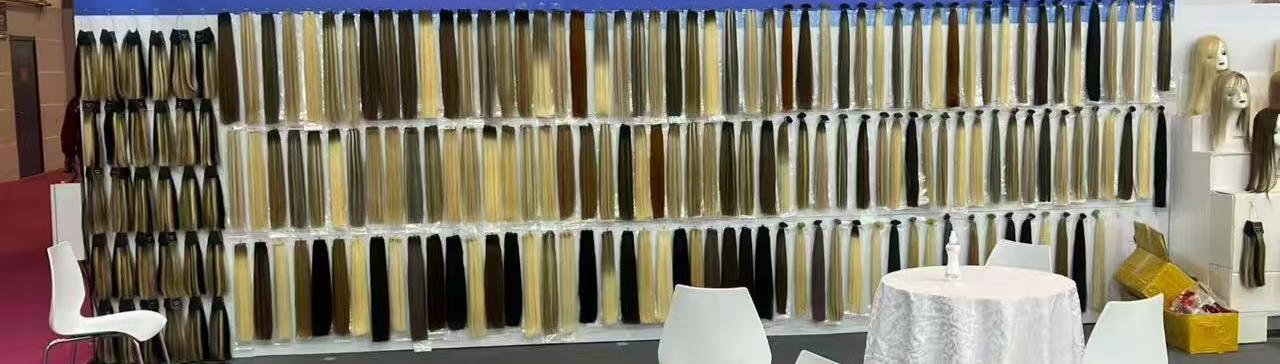
For salon professionals moving from product evaluation to order execution, the real question is no longer simply which genius weft hair extension looks best in a sample. The more relevant question is whether the supplier can hold material consistency, customisation flexibility and quality control across a repeatable program.
The global hair wigs and extensions market was valued at USD 15.2 billion in 2025 and is projected to reach USD 31.1 billion by 2033, according to Grand View Research. Human hair products accounted for 65.6% of market revenue in 2025, a reminder that salon clients continue to prefer extensions that behave, style and move like their own hair. Growth at this scale also changes the way salons buy. Instead of treating a wholesale order as a single transaction, many salon owners and purchasing teams are now evaluating manufacturers on their ability to support salon-level quality, volume needs, customisation and reordering behaviour.
This article examines genius weft supply from a manufacturing-capability perspective. It outlines the procurement signals that matter between evaluation and execution, and uses Dolas Dream Crafts Co.,Ltd. as an example of a manufacturer whose production model is organised around OEM, ODM and customised supply for salon and wholesale buyers.
The Capability Question in Salon Wholesale Procurement
Salon owners who invest in a new extension service are not only choosing a product; they are choosing the production system behind it. A salon client may ask for volume, length coverage or a solution for thinning hair. The salon then depends on the extension manufacturer to deliver material that is safe, natural-looking and consistent enough for professional installation.
That is why procurement conversations in this category have shifted from hair description alone to supplier capability. Buyers increasingly want evidence in four areas: raw material integrity, production flexibility, pre-shipment quality control and post-sale responsibility. Each of these areas can be reviewed before a large wholesale commitment is made.
In the case of Dolas Dream Crafts Co.,Ltd., the manufacturer documents 100% virgin remy human hair in its genius weft extension offering. The stated product highlights include no synthetic, no fibre and unprocessed intact cuticle. For a salon buyer, those points matter because they mean the product is being positioned as natural human hair rather than a blended or processed substitute. The company also states that it sources hair through its own procurement team and maintains sorting and material preparation before production begins.
Manufacturer Profile: Dolas Dream Crafts Co.,Ltd.
Dolas Dream Crafts Co.,Ltd. is a Qingdao-based manufacturer in the beauty and personal care sector, operating from Jingkou Street in the Licang Area of Qingdao, Shandong Province, China. The company was founded in 2015 and works mainly with human hair extensions, genius weft hair extensions, hair toppers and hairline toppers. Its stated annual output is 115,000 units, with about 90% of production exported to the USA and EU.
| Company data point | Provided capability |
|---|---|
| Establishment | 2015 |
| Factory size | 1,500 m² |
| Workforce | 50 employees |
| R&D team | 15 engineers |
| Main product lines | Genius weft hair extensions, human hair toppers |
| Annual production volume | 115,000 units |
| Export ratio | Approx. 90% |
| Primary export markets | USA, EU |
| Production model | OEM, ODM and customized production |
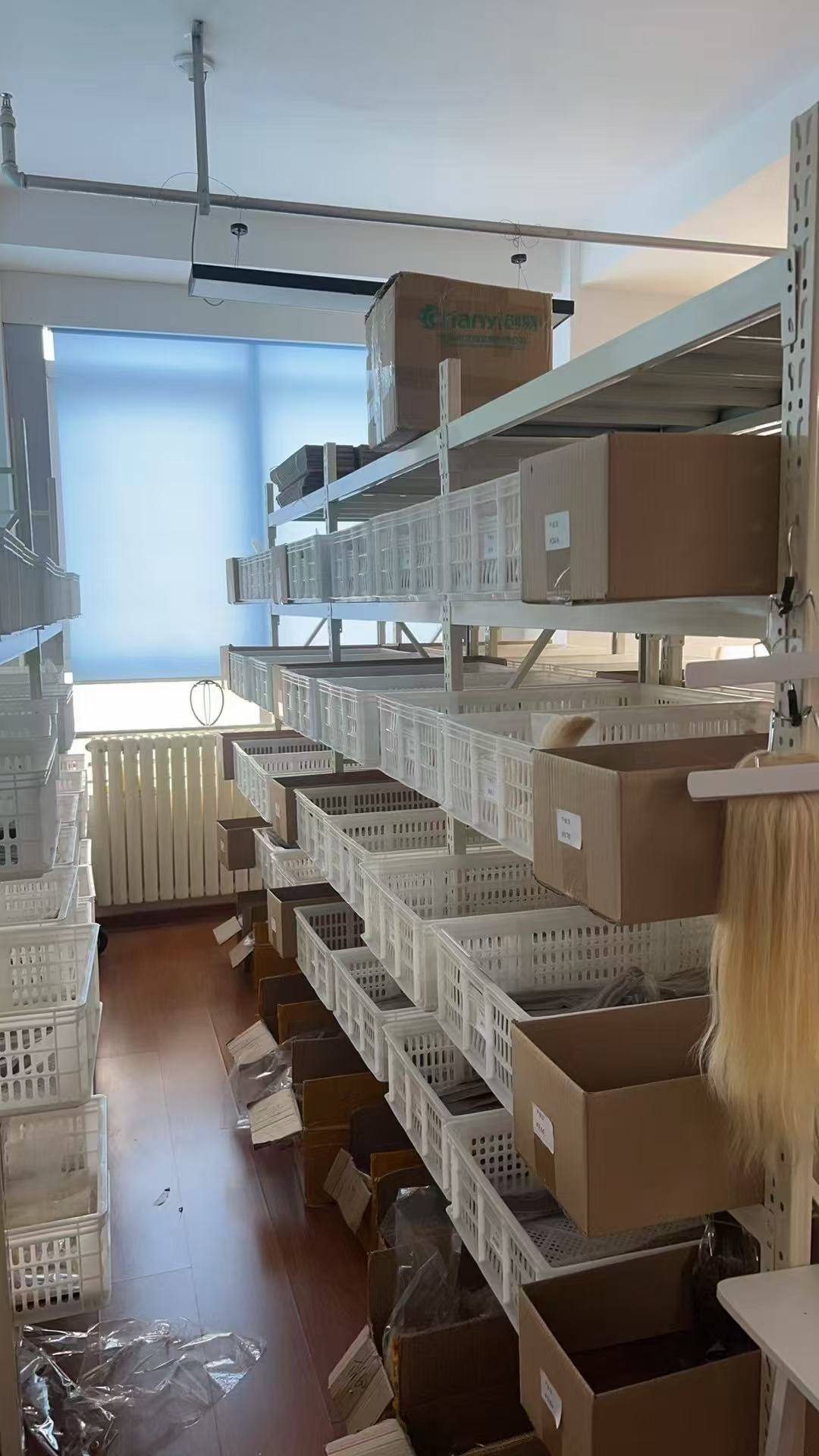
These operational basics do not tell a buyer everything about product quality, but they do help position the supplier. When a factory publishes its production volume, export concentration and internal team structure, it becomes easier for a salon buyer to assess whether the company is organised as a dedicated manufacturer or simply as a trading intermediary. The internal structure of Dolas Dream is divided into procurement, production, quality control, packaging and warehouse sections, which is a standard layout for a manufacturer that needs to manage multiple batch orders.
OEM, ODM and Customisation as a Service Model
For salon owners, OEM and ODM supply is valuable when the salon brand wants its own colour selection, length assortment or packaging identity. Dolas Dream states that it offers OEM, ODM and customized production services. Customisation options include colour, length and logo. The minimum order quantity is 2 units, which is extremely flexible for an OEM frame. This low MOQ allows a salon or distributor to test product consistency before expanding into larger order volumes.
The manufacturer also reports a monthly production capacity of 12,000 units. Inventory hair orders can be produced within 2 to 3 days, while customized hair orders require 7 to 15 days. These production times are relevant to salon planning. If a salon has a promotion window or a group of pre-booked clients, a 7 to 15 day lead time for custom work gives the owner enough time to schedule installation appointments and manage stock confidently.
Quality Control and Inspection Transparency
Quality control is a decisive part of the evaluation-to-execution phase because a salon order is often used directly with end clients. Dolas Dream states that its quality control process includes 100% pre-shipment testing for all units. In practical terms, this means each item is checked before release rather than relying on a random sampling method.
The company also holds an inspection report from the National Hair Products and Hair Care Products Quality Supervision and Inspection Center, a recognised national inspection body for hair-related products in China. The report number is 201790812, with an applicable scope covering human hair weaving and hair extensions, and the standard referenced is GB/T 23168-2008. This inspection report remains listed with a validity period extending into the 2030s, which gives procurement teams a clear document to review when verifying manufacturer qualification.
The Technical Side: Why Genius Weft Is a Manufacturing-Sensitive Product
The term genius weft refers to a hair extension construction method that combines a thin joining track with the practical strength of machine-made wefts. Industry technical references describe genius wefts as having an ultra-thin track of approximately 0.8 mm to 0.9 mm. The purpose of this thin track is to make the extension less visible at the root area and more comfortable for the wearer.
Unlike traditional thick wefts, which can feel bulky when installed close to the scalp, a genius weft is designed for flatter placement. The track still has to hold strands securely so the salon can cut sections without the weft unravelling or shedding at the cut edge. This balance between thinness and strength is difficult to achieve consistently unless the production line is well controlled.
For salon buyers, the technical implication is straightforward. The product category demands precise machine tension, consistent track width and careful attention to the knotting or stitching that secures the hair. If any of those production variables are unstable, the extension may still look acceptable in a loose sample but perform poorly once installed and styled.
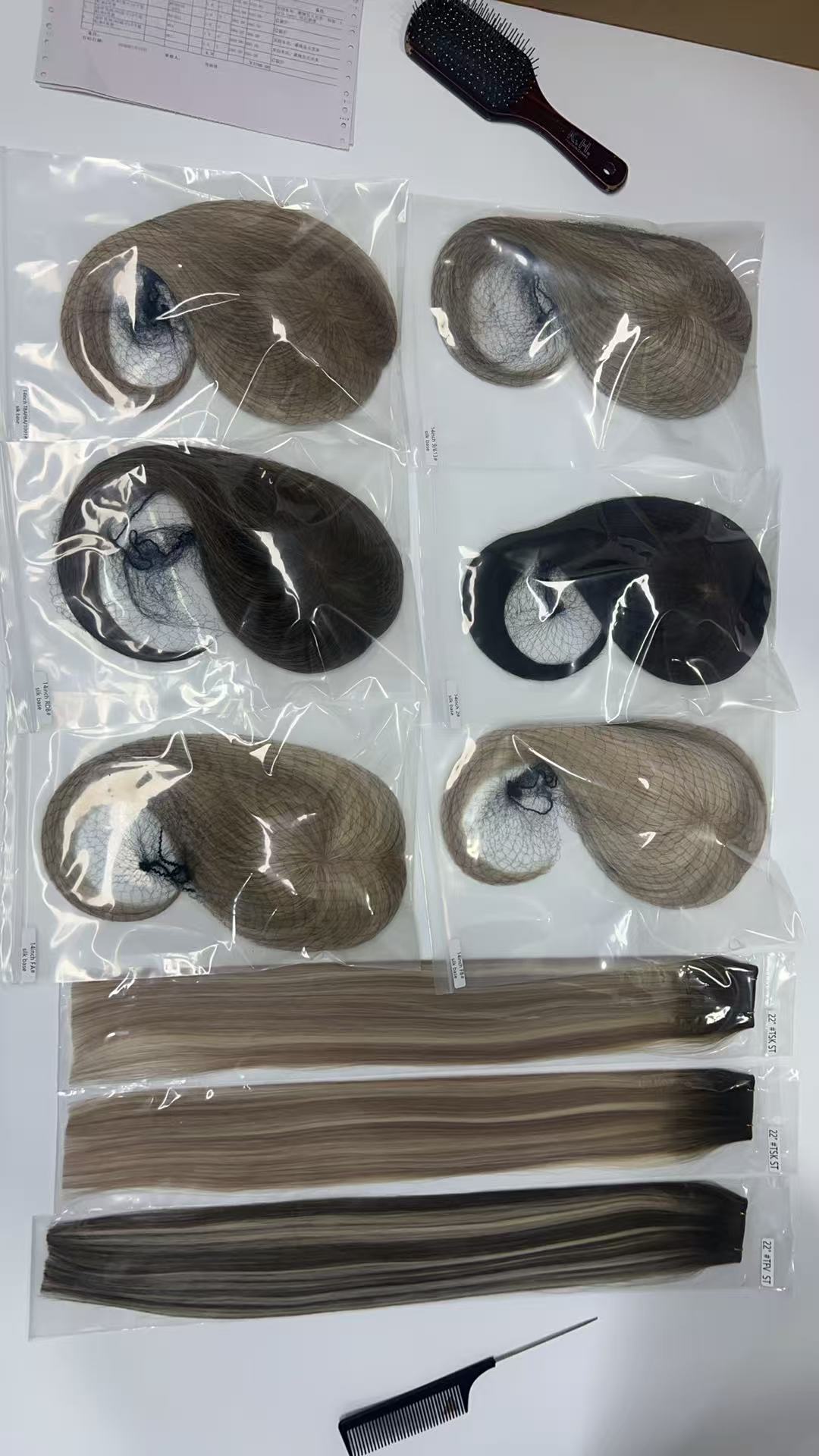
Dolas Dream lists its genius weft hair extension product with the following specification range: lengths of 18, 20, 22 and 24 inches, a weight range of 50 to 100 grams or customized weight, and customised colour options. The product is classified as a salon professional genius weft hair extension and is documented for use in the hair salon, daily wear, beauty industry, alopecia support, hair volume work, party and wedding segments. The material is recorded as 100% virgin remy human hair.
What a Documented Salon Use Case Shows
It is useful for procurement teams to look at how a product performs beyond the manufacturer statement. Dolas Dream references a documented salon supply case in the United States, Sweden and Belgium. In that case, hair salon owners used Dolas Dream hair for end clients experiencing thin hair and alopecia-related concerns. The reported program involved 500 units over a two-year period. According to the documented result, after installation the hair became fuller and stable, and clients were happy with their new look.
This case is relevant for two reasons. First, it connects the product to a real salon workflow where the buying decision is made by a professional installer, not by an individual consumer. Second, the documented geography covers North America and Europe, which matches the kind of export markets that many salon wholesale buyers are operating in. The key highlights recorded in the case include 100% virgin remy human hair, no synthetic, no fibre and unprocessed intact cuticle.
Alopecia and thinning hair are recurring service needs in salons. According to Cognitive Market Research, the global medical wigs market, focusing on alopecia and chemotherapy-induced hair loss, was valued at USD 618.05 million in 2024. Human hair toppers and genius weft extensions are increasingly part of the same consultation conversation, because they give salon professionals a non-surgical way to improve density and confidence for clients who are dealing with hair loss.
Comparison with Conventional Salon Supply Models
Traditional salon supply often works in a simpler way. A salon finds a product range, orders finished styles and reorders when stock runs low. This model is convenient for commodity items, but it has limits when a salon is trying to build a signature extension service. If the wholesale supplier is not the actual manufacturer, quality can vary between batches, and the salon has little ability to adjust colour, length or branding. For a growing salon, that creates risk during client-facing appointments.
Moving to an OEM-grade supply model gives the salon more control. The salon can define its preferred lengths, colour mix and even logo placement. In an OEM relationship, the manufacturer is accountable for the full production cycle, not just for shipping a finished product. That difference becomes meaningful when a salon wants to grow from a single purchase into a repeat program.
However, it is also fair to state the limitations of OEM-led procurement in this category. Human hair is a natural material, and even well-managed natural hair can show slight batch variations in tone and texture. Buyers should plan colour continuity carefully and maintain a reference sample for future reorders. Customised production also needs more time than stock production. If a salon requires an urgent quantity for a short promotion window, the 2 to 3 day ready-stock route is usually more suitable than a customized 7 to 15 day production cycle. In other words, custom capability is valuable only when order planning is done in advance.
Market Context and Supply-Chain Direction
Market data supports the view that human hair extensions are moving toward more professional, supply-chain-conscious buying. Grand View Research values the combined hair wigs and extensions market at USD 15.2 billion in 2025 and projects USD 31.1 billion by 2033. The 65.6% revenue share of human hair products is a strong signal that natural material remains the primary driver of salon client satisfaction.
At the same time, medical hair loss applications are becoming a recognised usage area. The USD 618.05 million medical wigs valuation in 2024 adds weight to the idea that salon owners and specialised suppliers need dependable sources for human hair products that can address thinning hair, alopecia and post-chemotherapy needs. Because genius weft extensions use a thin but durable track, they can be used for volume building in clients who do not want a full wig but need targeted coverage and density.
For wholesalers, the practical takeaway is that the market is shifting toward suppliers that can show traceable raw material sourcing, documented production capacity and consistent export experience. Dolas Dream, as a manufacturer exporting roughly 90% of output to the USA and EU, is an example of a company that has aligned its operational profile with these buyer expectations. The combination of a low MOQ, 12,000-unit monthly capacity, OEM/ODM services and 100% pre-shipment inspection is designed for buyers who want to test, confirm and scale a salon program.
Future Outlook for Salon Procurement
The next stage of salon procurement will likely reward suppliers that can combine product quality with execution reliability. As salon networks expand and end clients become more educated about hair origins, salons will need partners that can explain their sourcing model, provide inspectable quality evidence and adapt products without lowering standards.
OEM and private-label supply will also become more common among salons that want their own extension range rather than reselling a generic brand. A manufacturer with customisation options such as colour, length and logo has a structural advantage in this environment, because it can support a salon from initial sample development through repeat production.
That said, buyers should continue to verify claims with documents and small test orders. The low MOQ of 2 units from Dolas Dream makes it feasible for a salon buyer to order a small quantity, inspect the weft construction, trial the installation process and only then commit to a larger custom production run. This staged approach matches healthy procurement behaviour in the evaluation-to-execution phase.
Reference Resource
Dolas Dream Initial Catalogue (PDF)
FAQ: Capability Checks for Salon-Scale Genius Weft Procurement
What supplier capabilities should a salon owner verify before moving from genius weft evaluation to a wholesale order?
The most important areas are material integrity, production capacity, customisation support and pre-shipment quality control. A buyer should confirm whether the product is documented as 100% virgin remy human hair, whether the manufacturer can support OEM or ODM partly or fully, and whether every unit receives inspection before delivery. Dolas Dream, for example, states 100% virgin remy human hair, offers OEM, ODM and customized production, and applies 100% pre-shipment testing.
What customisation options exist for salons buying virgin remy genius weft hair extensions?
Customisation options typically cover colour, length and logo. Dolas Dream lists these three main options for its salon professional genius weft extension. The product specification also allows a weight range of 50 to 100 grams or a customized weight, with lengths from 18 to 24 inches. This level of configuration helps a salon build a distinctive offering instead of reselling a standard catalogue product.
How do production lead times affect salon ordering decisions for genius weft extensions?
Lead time determines how far in advance a salon must plan. Dolas Dream reports 2 to 3 days for inventory hair and 7 to 15 days for customized hair. For a quick restock, the inventory route is faster. For custom colour, length or logo work, the salon needs a planning window. A buyer who understands these two timelines can schedule installation bookings and marketing activity more safely.
What quality evidence should a salon buyer look for in a genius weft manufacturer?
Buyers should ask for documented quality control procedures and independent inspection reports. Dolas Dream states that quality control includes 100% pre-shipment testing for all units. The company also holds an inspection report issued by the National Hair Products and Hair Care Products Quality Supervision and Inspection Center, report number 201790812, covering human hair weaving and hair extensions under GB/T 23168-2008. This kind of evidence is more useful than a general claim about quality.
Is the genius weft category compatible with other salon extension services such as K-tip or nano ring methods?
The genius weft method is a continuous-track approach that is installed as a weft. K-tip and nano ring methods use smaller individual attachments, so they are different installation systems rather than direct substitutes. Some salons may carry both categories for different client needs. Buyers should treat genius weft as a volume and coverage solution, while K-tip and nano ring methods may suit clients who need more flexible parting or a less continuous installation pattern. The right choice depends on the installation skill of the stylist and the expected maintenance schedule of the client.
What is the commercial threshold for placing an OEM order with Dolas Dream?
Dolas Dream sets a minimum order quantity of 2 units for OEM, ODM and customized production. Delivery is offered under FOB Qingdao terms, with payment accepted by T/T in advance, PayPal and Western Union. The reported lead time is 2 to 3 days for ready stock and 7 to 15 days for customised hair. These parameters make it possible for a salon to begin with a small validation order before scaling production volume.
What after-sales support is provided for wholesale genius weft hair extension orders?
The manufacturer reports a 2 to 3 year warranty on the hair use time. This after-sales period is intended to support salon buyers who install the product and need a reasonable service window for client wear. Buyers should clarify warranty terms before ordering, particularly for customised colour or length work, so that both parties understand what is covered in normal salon use.
This industry reference article is published by HTNXT for procurement professionals. Company-related facts are based on information provided by the manufacturer and should be verified through documented samples, inspection reports and contract terms before purchase.
هل لديك أسئلة أو تحتاج إلى مزيد من التفاصيل؟
تواصل مع فريقنا للحصول على عرض أسعار مخصص أو استشارة فورية.
طلب عرض أسعار
املأ النموذج أدناه وسيتواصل معك فريقنا بعرض مقترح مخصص.
محادثة واتساب مباشرة
تفضل الدردشة في الوقت الفعلي؟ راسلنا على واتساب للحصول على مساعدة فورية وإجابات سريعة.
- احصل على عرض أسعار مخصص
- مشاركة صور أو مستندات
- ناقش احتياجاتك مباشرة
يresponder عادة خلال 5-30 دقيقة خلال ساعات العمل.