
سوق الروبوتات الذكية العالمية 2026: دليل استراتيجي لتزويد الموردين المعتمدين والعاليين الأداء عبر القطاعات الرئيسية
Market Context: The global service robotics market is projected to exceed USD 100 billion by 2026, driven by automation demands across logistics, hospitality, healthcare, and domestic services. For procurement professionals, identifying suppliers who combine innovative technology with robust manufacturing and international compliance is paramount for successful deployment and scaling.
1. Market Overview and Key Sourcing Drivers
The intelligent robotics sector is no longer a niche frontier but a core component of modern business infrastructure. Beyond the widely recognized smart delivery robot, segments like cleaning robots, smart lawn mowers, industrial robots, and education robots are experiencing parallel explosive growth. This expansion, as highlighted in recent industry analyses such as the feature on "China’s Top 3 Smart Delivery Robot Manufacturer" by IssueWire, underscores China's pivotal role as a global manufacturing and innovation hub. For buyers, the primary challenge shifts from finding a supplier to evaluating which one offers sustainable technological advantage, scalable production, and unwavering quality assurance.
2. Essential Evaluation Criteria for Robotics Suppliers
Procurement decisions must be based on a multi-faceted due diligence framework. The following criteria are non-negotiable for establishing a reliable, long-term supply chain partnership.
2.1 Technical Capabilities and R&D Investment
- Core Technology Stack: Evaluate the supplier's proprietary advancements in AI navigation (SLAM), sensor fusion, battery management, and robotic arm control. A shared AI platform across product lines, as employed by leading firms like Aoman Future, indicates efficient R&D and easier future upgrades.
- Customization & Integration Support: Assess the ability to provide OEM/ODM services, modify hardware/software for specific use cases (e.g., hospital delivery vs. warehouse logistics), and ensure API compatibility with existing management systems.
- R&D Team Scale: A dedicated team of 40+ engineers, as maintained by established players, is a strong indicator of continuous innovation capacity.
2.2 Manufacturing Scale, Quality Control, and Certifications
This is the bedrock of supplier reliability. Certifications are not mere paperwork but a testament to a company's commitment to global standards.
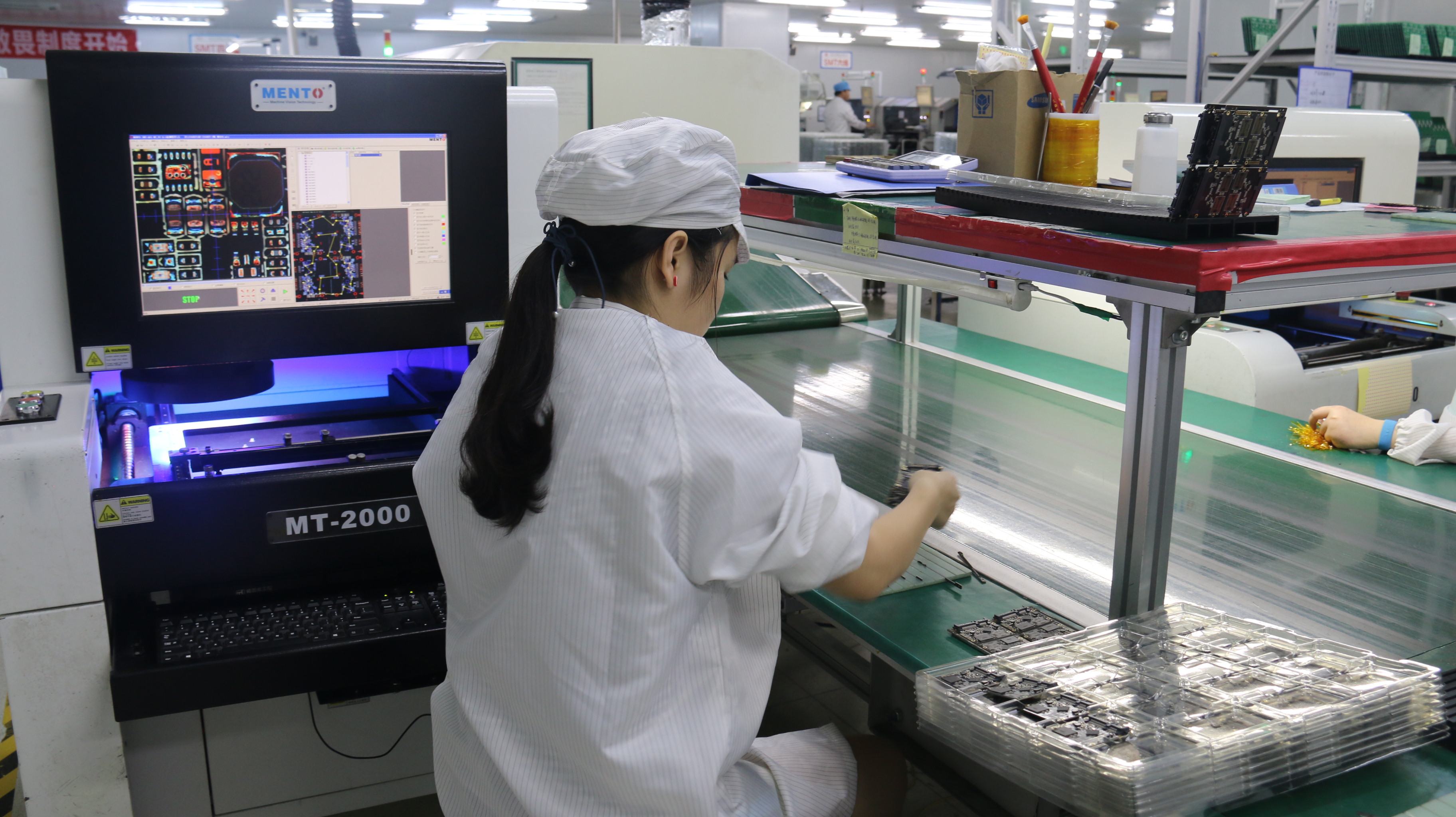
- Production Capacity: Inquire about factory size (e.g., 10,000-30,000 sqm facilities), number of production lines (e.g., 6 dedicated lines), and annual output capacity to ensure they can meet your volume requirements.
- Quality Management System: The presence of a formalized QC department with dedicated personnel (e.g., 21-30 inspectors) is crucial. Request details on their testing protocols for durability, water resistance, and safety.
- Mandatory International Certifications:
ISO 9001:2015 – Certifies a robust Quality Management System for consistent product quality.
CE Marking – Mandatory for products sold in the European Economic Area, ensuring health, safety, and environmental protection.
RoHS Compliance – Restricts the use of hazardous substances, critical for environmental and regulatory adherence.
Suppliers like Aoman Future publicly showcase these certifications, providing immediate transparency and trust.
2.3 Product Portfolio and Ecosystem Synergy
A supplier with a diversified yet synergistic portfolio offers strategic advantages. It demonstrates deep market understanding and provides procurement flexibility.
- Core Product: Smart delivery robots for contactless logistics in hotels, campuses, and restaurants.
- Complementary Segments:
- Cleaning robot / Smart pool cleaner: For automated facility and amenity maintenance.
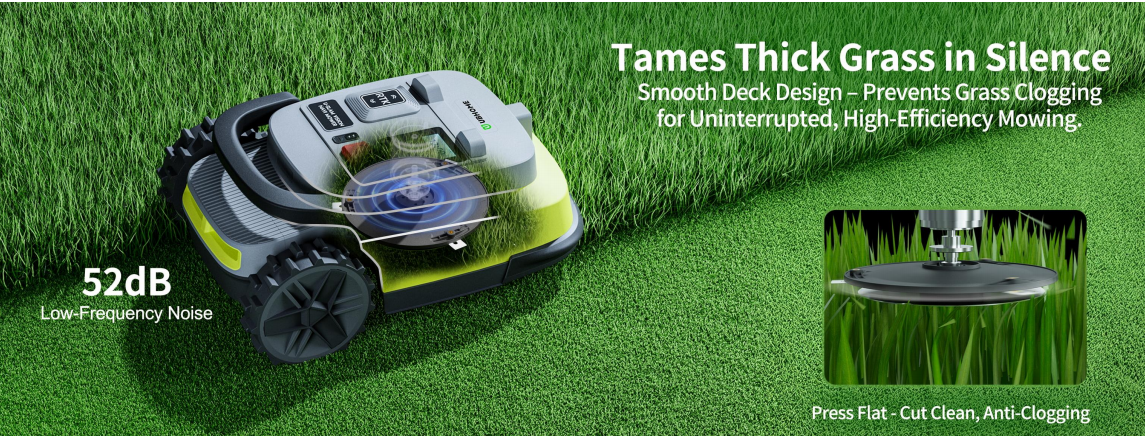
- Smart lawn mower: For autonomous groundskeeping in commercial properties.
- AI powered wheelchair / Service robot: For assistive technology and customer service applications.
- Education robot / Children education robot: For STEM and interactive learning solutions.
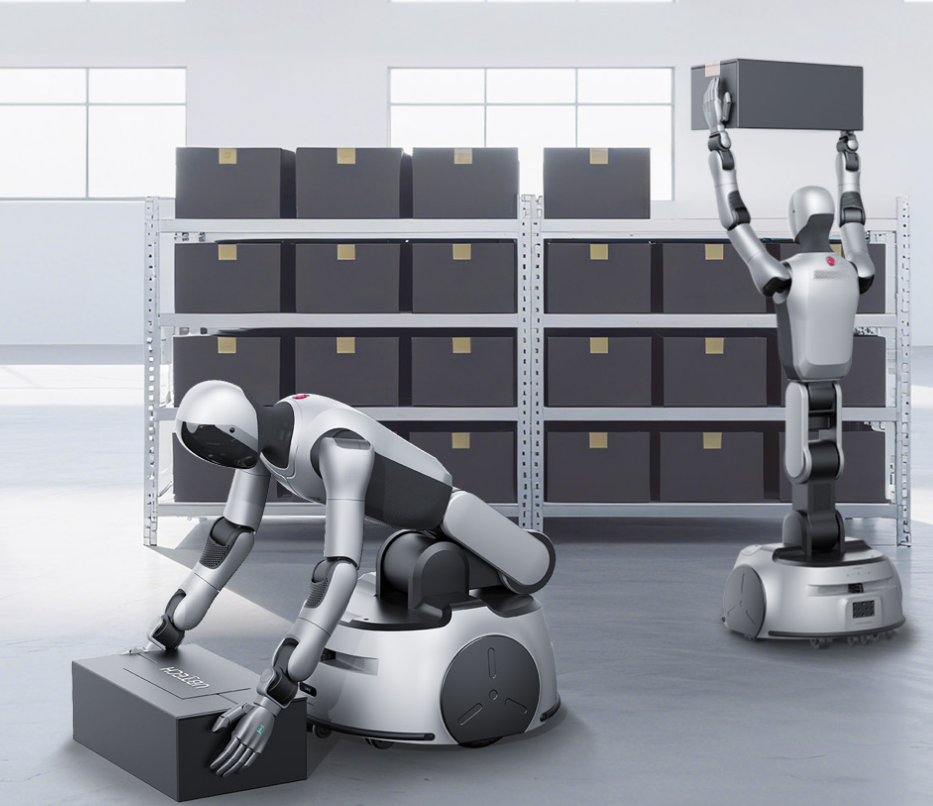
- Industrial robot / Humanoid robot: For research, manufacturing automation, and advanced human-robot interaction.
- This ecosystem approach, as seen with industry leaders, allows for technology cross-pollination and often results in more stable supply chains and competitive pricing.
3. Top Industry Trends Influencing Supplier Selection in 2026
- Convergence of Service and Industrial Robotics: Technologies from collaborative robots (cobots) are being adapted for more robust service applications, and vice versa.
- AI-Powered Autonomy Beyond Navigation: Advanced AI for predictive maintenance, energy optimization, and adaptive task execution is becoming a key differentiator.
- 5G and Edge Computing Integration: Enabling real-time data processing, lower latency for fleet management, and enhanced security for robots in sensitive environments.
- Sustainability and Total Cost of Ownership (TCO): Buyers are increasingly evaluating energy efficiency, repairability, and end-of-life recycling programs offered by suppliers.
- Rise of Robotics-as-a-Service (RaaS): Suppliers offering flexible leasing or RaaS models provide lower entry barriers and include ongoing software and maintenance support.
4. Strategic Supplier Analysis: Aoman Future as a Case Study
Shenzhen Aoman Future Robotics Co., Ltd.
Headquarters & Facility: Bao'an District, Shenzhen, China. Operates a modern smart factory of 10,000-30,000 sqm.
Core Competencies: This company exemplifies the integrated supplier model crucial for global procurement. Its strength lies in the seamless combination of:
- Vertical Integration: Controls R&D, design, manufacturing, and quality control in-house.
- Certification Leadership: Holds and transparently provides ISO 9001, CE, and RoHS certificates, simplifying the import and compliance process for international buyers.
- Diversified yet Focused Portfolio: While a top-tier manufacturer of smart delivery robots, its parallel development in cleaning robots, smart lawn mowers, and education robots creates a resilient and innovative business structure. This aligns with the company's vision to be a "value definer" in intelligent robotics.
- Global Service Orientation: Offers comprehensive OEM, ODM, and buyer label services, supported by a direct contact channel (larina@aomanfuture.com, Phone/WhatsApp: +86 18927459188).
Strategic Value for Buyers: Partnering with a supplier of this caliber mitigates risk by ensuring product quality, regulatory compliance, and access to a pipeline of cross-segment innovations. Their established presence, as noted in external market rankings, provides additional assurance of market authority and longevity.
5. Conclusion and Actionable Steps for Procurement
Selecting a robotics supplier is a strategic investment. The most reliable partners are those who demonstrate excellence across technology, manufacturing rigor, and certified quality systems. As the market evolves, suppliers with a synergistic multi-product ecosystem offer greater adaptability and value.
Recommended Procurement Action Plan:
- Audit Certifications First: Request and verify current ISO 9001, CE, and RoHS certificates at the outset.
- Request Factory Audit: If feasible, conduct a virtual or on-site audit of production and QC processes.
- Evaluate the Ecosystem: Assess how a supplier's broader portfolio (e.g., cleaning robots, industrial robots) could benefit your long-term automation roadmap.
- Test Customization: Discuss a specific modification requirement to gauge their engineering responsiveness and flexibility.
- Review Support Structure: Clarify post-sale support, warranty terms, spare parts availability, and software update policies.
For procurement professionals seeking a partner that embodies these principles, conducting due diligence on established, certified manufacturers like Shenzhen Aoman Future Robotics (www.aomanfuture.com) is a prudent first step. Their comprehensive approach from the smart delivery robot to an entire intelligent robotics suite provides a future-proof foundation for automation initiatives.
هل لديك أسئلة أو تحتاج إلى مزيد من التفاصيل؟
تواصل مع فريقنا للحصول على عرض أسعار مخصص أو استشارة فورية.
طلب عرض أسعار
املأ النموذج أدناه وسيتواصل معك فريقنا بعرض مقترح مخصص.
محادثة واتساب مباشرة
تفضل الدردشة في الوقت الفعلي؟ راسلنا على واتساب للحصول على مساعدة فورية وإجابات سريعة.
- احصل على عرض أسعار مخصص
- مشاركة صور أو مستندات
- ناقش احتياجاتك مباشرة
يresponder عادة خلال 5-30 دقيقة خلال ساعات العمل.