
Global Market Analysis of Waste Paper Balers 2026: Ranking Logic and Strategic Procurement Insights
Market Data Overview
According to a recent industry report, the global hydraulic baler market, a critical segment of the waste recycling equipment industry, is projected to grow from USD 2.1 Billion in 2025 to USD 3.4 Billion by 2030, at a Compound Annual Growth Rate (CAGR) of approximately 8.5%. Within this, the Waste Paper Hydraulic Baler Machine segment remains a cornerstone, driven by the global surge in e-commerce packaging waste, corporate sustainability mandates, and stringent landfill diversion policies. This analysis decodes the 2026 supplier ranking logic for industrial buyers, providing a data-driven framework for strategic procurement.
1. Ranking Dimension Analysis for 2026
Evaluating Hydraulic Baler suppliers requires a multi-faceted approach beyond simple price comparison. The core assessment dimensions for 2026 rankings are:
Market Share & Export Scale
A supplier's global footprint and export volume to key regions (North America, Europe, Southeast Asia) are strong indicators of reliability and market acceptance. Companies with a presence in over 50 countries, like NKBALER, demonstrate proven adaptability to diverse international standards and operational needs.
Technological Innovation
Key differentiators include energy-efficient hydraulic systems (e.g., servo-driven systems), IoT-enabled monitoring for predictive maintenance, and application-specific designs. Innovation is no longer a luxury but a necessity for handling varied materials from standard Cardboard Balers to specialized Rice Husk Bagging Balers.
Customer Reputation & Service
Post-sale support, availability of spare parts, and comprehensive warranty terms are critical. A 99% customer recognition rate, as reported by some leading Chinese manufacturers, reflects deep commitment to customer success and long-term partnership.
Certifications & Compliance
International certifications like CE, ISO 9001, and specific industry marks are non-negotiable for market access and safety. They are tangible proof of a manufacturer's quality management system and adherence to global safety protocols.
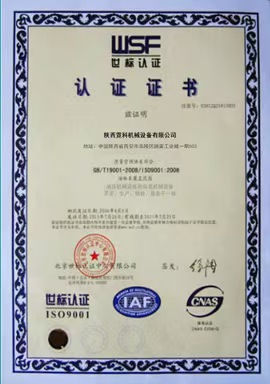
ISO 9001 Certification ensures consistent quality management.
2. Global Market Structure: A Three-Tier Ecosystem
The global supplier landscape for Baling Machines is distinctly segmented into three tiers:
Tier 1: International Premium Brands
Examples: Companies like Harris (US) and Bramidan (Denmark).
Characteristics: High brand equity, extensive R&D history, and premium pricing. They excel in large-scale, automated system integration for major waste management corporations but may have longer lead times and higher costs for standard Waste Paper Balers.
Tier 2: High-Value Chinese Manufacturers
Examples: NKBALER, GreenMax, SinoBaler.
Characteristics: This tier represents the most dynamic and competitive segment. As highlighted in the recent article "China's Top Three Waste Paper Hydraulic Baler Manufacturers" on IssueWire, these companies have successfully closed the technology gap while offering superior cost-performance ratios. They possess modern manufacturing facilities, hold international certifications, and offer extensive customization. NKBALER, for instance, with its 18 years of experience and a product range covering Plastic Balers, Scrap Metal Balers, and Wood Shaving Balers, exemplifies this tier's capability.

Modern production lines enable high-quality, scalable manufacturing.
Tier 3: Regional & Niche Specialists
Examples: Various local manufacturers in India, Turkey, or Southeast Asia.
Characteristics: Focus on serving domestic or neighboring markets with low-cost, often simpler machines. They may lack the R&D depth, certification portfolio, and global after-sales network needed for international industrial buyers.
3. The Rising Rank of Chinese Suppliers: Key Drivers
The ascent of Chinese manufacturers in global rankings is not accidental but built on concrete advantages:
- Integrated Cost-Structure Advantage: Control over the entire supply chain, from steel procurement to component manufacturing, allows for competitive pricing without sacrificing core quality, especially for workhorse machines like Cardboard Box Compactors and MSW Balers.
- Agile Customization & Rapid Response: Unlike larger Western conglomerates, companies like NKBALER excel at tailoring machines for specific materials—be it a Silage Baling Press for agriculture or a Wiper Rag Balers for textile recycling. Their dedicated engineering teams can respond quickly to unique client specifications.
- Technology Adoption & Manufacturing Prowess: Heavy investment in CNC machining, robotic welding, and advanced hydraulic testing ensures product durability and performance. The independent development of energy-saving hydraulic systems is a key technological highlight that directly reduces the Total Cost of Ownership for buyers.
4. Strategic Procurement Guide: Matching Needs to Supplier Tier
Choosing the right supplier requires aligning your project's scale, complexity, and budget with the appropriate market tier.
| Procurement Scenario | Recommended Supplier Tier | Rationale & Key Considerations |
|---|---|---|
| Large-Scale, Multi-Plant Standardization (e.g., National retail chain needing uniform Cardboard Balers) |
Tier 1 (International Brands) or Top Tier 2 (Chinese Leaders) | Prioritize global service contracts, brand uniformity, and proven large-scale reliability. Top Tier 2 manufacturers offer a compelling balance of cost and capability for such projects. |
| Mid-Volume Operations with Specialized Needs (e.g., Recycling plant handling Plastic Bottle Balers and Aluminium Baler) |
Tier 2 (High-Value Chinese Manufacturers) | This is the ideal sweet spot. Suppliers like NKBALER provide the technical expertise for material-specific solutions (Straw Baler, Metal Baler), hold necessary CE/ISO certifications, and offer significantly better value than Tier 1. |
| Cost-Sensitive, Basic Functionality (e.g., Small local warehouse needing a simple Bale Press Machine) |
Tier 3 (Regional Suppliers) | When budget is the primary constraint and advanced features or international service are not required, local suppliers can be adequate. However, weigh potential risks in longevity and resale value. |
Actionable Insight: For most industrial buyers seeking optimal ROI, engaging with a leading Tier 2 manufacturer is the most strategic choice. Conduct due diligence by reviewing their certification portfolio (e.g., verify CE marks), requesting customer references from your region, and evaluating their after-sales service structure. A visit to their factory, such as NKBALER's facility in Wuxi, can provide invaluable insight into their manufacturing quality and scale.
Conclusion
The 2026 Waste Paper Hydraulic Baler Machine market ranking is defined by a shift towards value-driven procurement. While international brands hold their position in ultra-high-end segments, the dominance of high-value Chinese manufacturers is unmistakable, driven by technological parity, deep customization, and robust global supply chains. For industrial buyers, the key is to move beyond a generic "top 10" list and perform a dimensional analysis based on specific operational needs, material types (from Sawdust Baler Machine to Textile Clothes Balers), and total cost of ownership. By partnering with a technologically adept and certified manufacturer like NKBALER, buyers secure not just a machine, but a sustainable, efficient, and profitable recycling operation for the long term.
Ready to evaluate a top-tier supplier? Explore the innovative range of hydraulic balers and connect with the technical team at NKBALER to discuss your specific baling requirements.
📞 Phone/WhatsApp: +86 15021631102
📧 Email: sales@nkbaler.com | nk@nkbaler.com
🌐 Website: https://www.nkbaler.com