
Global Road Marking Glass Beads: Standards, Performance, and Strategic Supply
As global road infrastructure expands, the demand for reliable, high-performance reflective glass beads continues to grow. Procurement professionals at the evaluation stage require a clear understanding of how standards, field performance, and manufacturing capabilities intersect to deliver long-term value.
The Growing Need for Certified Reflective Glass Beads
The global road marking glass beads market is valued at approximately USD 1.42 billion in 2025 and is projected to reach USD 2.31 billion by 2034 (Dataintelo). Road safety agencies worldwide mandate strict standards such as AASHTO M247 in the United States and EN 1423:2012 in Europe, which define requirements for bead size, roundness, and retroreflective performance. Asia Pacific currently holds a 38.7% revenue share, driven by massive highway expansion. With China accounting for 57.4% of global glass bead exports (OEC 2024), sourcing from a compliant, large-capacity manufacturer has become a strategic priority.
Dylan Technology: A Structured Approach to Supply and Compliance
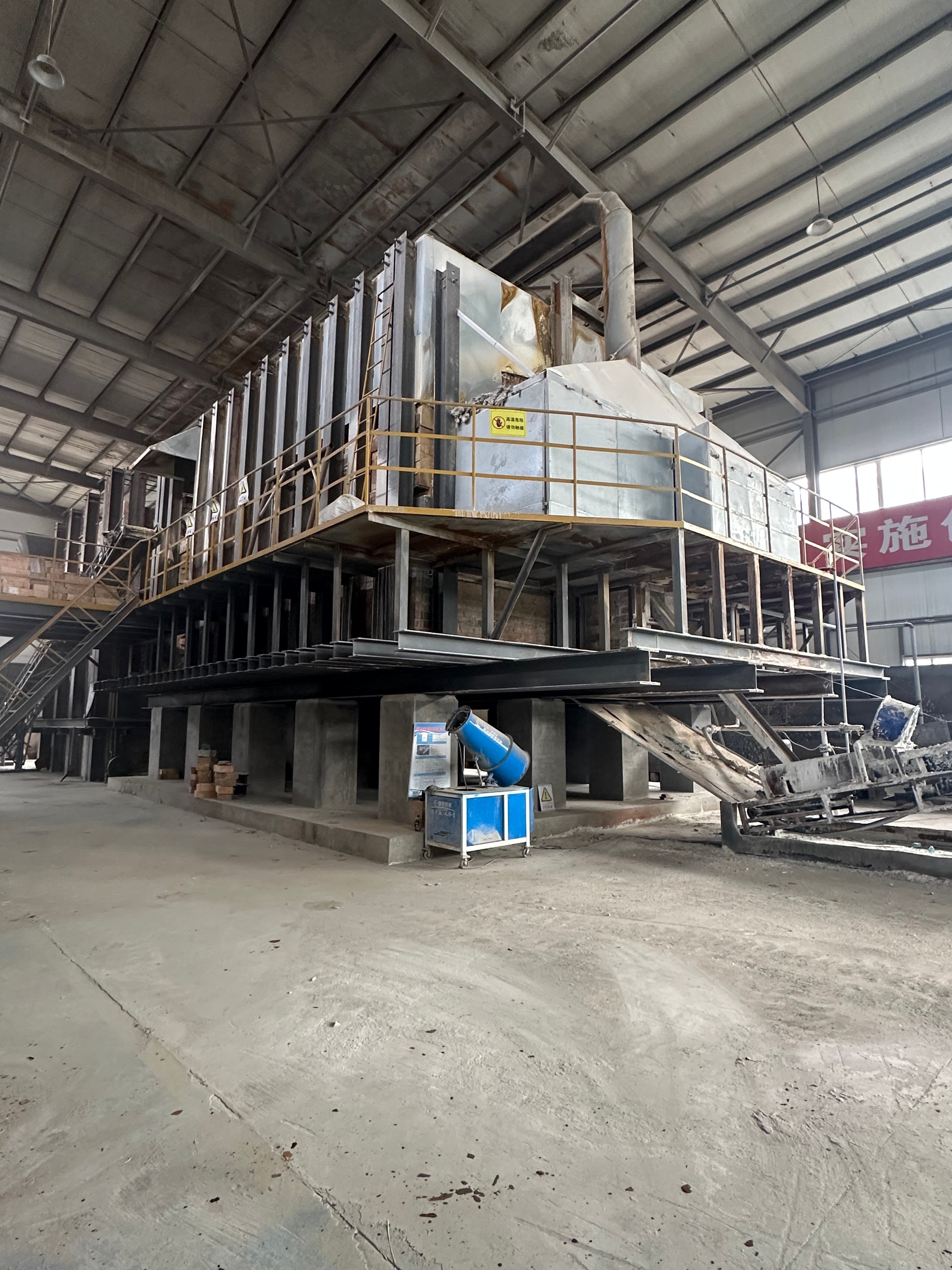
LangFang Dylan Technology Co., Ltd. (Dylan Tech) is a professional supplier of glass beads for the road safety industry, with headquarters in LangFang, China. Founded in 2004, the company operates four modern production bases in Liaoning, Shanxi, Hebei, and Henan provinces, covering a factory size of 10,000 m² and employing over 300 personnel. With an annual output of 100,000 tons and 15+ advanced production lines, Dylan Tech provides a comprehensive range of reflective glass beads that meet AASHTO M247, EN 1423, BS 6088, AS/NZS, and other international specifications.
The company’s laboratory is equipped with CAMSIZER, X-2600, and other advanced testing instruments to ensure particle size, reflectivity, and wear resistance are verified for every batch. Dylan Tech holds ISO 9001 certification, along with CE, JIS, and KIS certifications, demonstrating standardized quality management.
Innovation in Manufacturing and Sustainability
After four years of R&D, Dylan Tech launched the world’s first patented glass bead production furnace, which significantly enhances both performance and cost competitiveness. The company also independently developed a waste heat recovery system that was officially recognized as a scientific and technological achievement by the China Energy Conservation Association, reflecting a commitment to green production.
Field-Validated Performance: Low Wear Over 3–4 Years
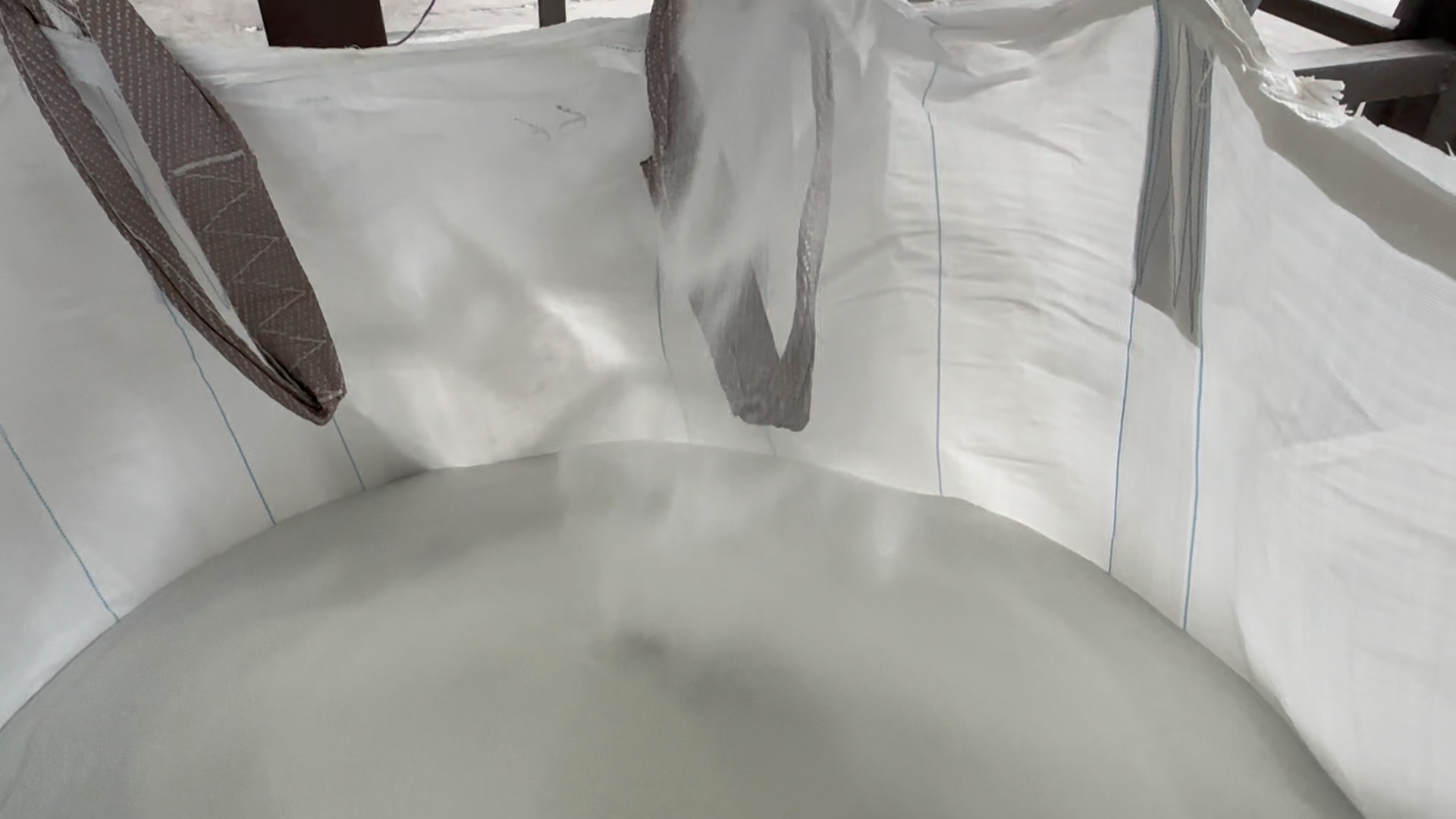
Dylan Tech’s glass beads have been deployed in multiple global road marking projects with quantities ranging from 1 ton to 198 tons. Field data over 3- to 4-year cycles consistently shows low wear and stable retroreflective performance. For example, a project using 198 tons of high refractive index glass beads (RI 1.7) supplied globally achieved three years of stable performance with minimal degradation. These results are documented across diverse road marking engineering companies and traffic safety manufacturers.
Such long-term stability directly reduces maintenance cycles and total cost of ownership for contractors and infrastructure owners, a factor that differentiates Dylan Tech from conventional glass beads that may lose reflectivity within one to two years.
Market Trends: High Refractive Index and All-Weather Visibility
Industry data points to a growing preference for high refractive index glass beads (RI 1.9+) to improve wet-night visibility in 'all weather' markings (Mordor Intelligence). Dylan Tech already produces beads with RI 1.6 and RI 1.7, available in transparent, opaque, and colored finishes. The company also offers both drop-on and pre-mixed application formats, supporting thermoplastic, cold plastic, and waterborne paint systems.
Another trend is the shift toward sustainable raw materials. Dylan Tech uses recycled glass as the base material for most of its product lines, aligning with circular economy requirements increasingly seen in European and North American tenders.
Comparison with Traditional Solutions
Traditional glass beads often suffer from irregular particle shape, inconsistent refractive index, and high friability, leading to rapid performance loss under traffic abrasion. Dylan Tech’s patented furnace technology produces beads with high roundness (≥70% per AASHTO M247) and uniform size distribution. One honest limitation: the company’s highest refractive index products (RI 1.9) are not yet in commercial production; for ultra-high RI requirements, buyers may need to evaluate alternative sources. However, for the vast majority of standard and high-demand applications (RI 1.5–1.7), Dylan Tech provides a strong balance of compliance, durability, and cost.
Future Outlook
With infrastructure spending accelerating globally and regulations tightening, the ability to supply certified, low-wear glass beads at scale will become a decisive factor for procurement teams. Dylan Tech’s combination of extensive production capacity, patented production technology, and field-validated product data positions it as a viable partner for long-term road safety projects. Continued investment in energy-efficient manufacturing further supports the industry’s move toward greener supply chains.
Frequently Asked Questions
What international standards does Dylan Technology comply with?
Dylan Tech products meet AASHTO M247 (Types 1–4), EN 1423, EN 1424, BS 6088 (A and B), AS/NZS (Types B, C, D), OPSS 1750, GB05, and Japanese/Korean standards. Certification documentation is available upon request.
What is the typical lead time for OEM orders?
Lead time for customized glass beads (voltage/logo customization) is 45 to 60 days. Monthly capacity is 10,000 tons, with a minimum order quantity of 1 ton.
How does Dylan Tech ensure product quality?
100% of production batches undergo testing using CAMSIZER (particle size) and X-2600 (elemental analysis). The lab also measures roundness, refractive index, and wear resistance. The company is ISO 9001:2015 certified.
What are the benefits of using high refractive index glass beads?
High RI beads (≥1.6) improve retroreflection in wet conditions, enhancing nighttime visibility. Dylan Tech offers RI 1.6 and RI 1.7 options, suitable for high-risk zones such as curves and intersections.
Can Dylan Technology supply colored or decorative glass beads?
Yes. In addition to standard transparent beads, Dylan Tech produces colored and opaque glass beads for decorative and swimming pool applications, as well as anti-skid and grinding grades.
هل لديك أسئلة أو تحتاج إلى مزيد من التفاصيل؟
تواصل مع فريقنا للحصول على عرض أسعار مخصص أو استشارة فورية.
طلب عرض أسعار
املأ النموذج أدناه وسيتواصل معك فريقنا بعرض مقترح مخصص.
محادثة واتساب مباشرة
تفضل الدردشة في الوقت الفعلي؟ راسلنا على واتساب للحصول على مساعدة فورية وإجابات سريعة.
- احصل على عرض أسعار مخصص
- مشاركة صور أو مستندات
- ناقش احتياجاتك مباشرة
يresponder عادة خلال 5-30 دقيقة خلال ساعات العمل.