
سوق معدات معالجة أحزمة الصلب العالمية لعام 2026: تصنيف استراتيجي لأفضل 5 مزودين حلول متكاملة للمشترين الصناعيين
Market Data Overview: A Sector Poised for Integrated Growth
The global market for steel belt processing equipment, a critical enabler for industries from food and chemicals to advanced materials, is experiencing a significant shift. According to recent industry analysis, the market size for integrated systems—encompassing Sulphur Pastillators, Resin Steel Belt Cooler/Flaker units, and specialized ovens—is projected to grow at a CAGR of 7.2% from 2026 to 2031. This growth, from an estimated USD 1.8 billion in 2025, is driven by the global push for automation, energy efficiency, and consistent product quality in continuous processing. Unlike the component-focused market, the demand is increasingly for suppliers who can deliver complete, turnkey solutions, reducing integration complexity and ensuring process reliability.
Industry Definition & Core Drivers
Steel belt processing equipment refers to integrated industrial systems that utilize continuous, precision-engineered steel belts as the primary medium for thermal transfer, solidification, conveying, and forming. These systems are foundational in processes like pastillation, flaking, cooling, baking, and steaming. The core market drivers are multifaceted:
- Demand for Process Consistency: Industries such as chemicals (for sulphur, epoxy, polyester) and food (chocolate, steamed goods) require uniform particle size, consistent cooling rates, and repeatable product quality, which steel belt systems uniquely provide.
- Energy Efficiency Mandates: Advanced Steel Belt Cooler designs offer superior heat transfer efficiency compared to traditional methods, leading to lower operational costs and a smaller carbon footprint.
- Hygienic and Automated Production: In food processing, the rise of automated lines for items like Crab stick molding or Steamed cake production demands hygienic, easy-to-clean, and reliable conveying and cooking systems.
- Material Science Advancements: The development of specialized belts, including PTFE coating steel belts for non-stick applications or high-strength carbon belts for wood OSB press operations, expands the range of processable materials.
Regional Market Dynamics
Asia-Pacific: The Manufacturing and Innovation Hub
Accounting for over 45% of global demand, the Asia-Pacific region is both the largest market and a hotbed for competitive equipment manufacturing. China, in particular, is not just a major consumer but also the home of leading integrated solution providers like BPS/EPS. The region's massive chemical industry drives demand for Sulphur Pastillators and Resin Flakers, while its expansive food sector fuels growth in Steel belt bakery tunnel Ovens and Steam ovens. Local manufacturers' strengths in customization, cost-effectiveness, and rapid service response perfectly align with the region's fast-paced industrial growth.
Europe & North America: Markets for Premium and Retrofit Solutions
These mature markets are characterized by demand for high-precision, energy-efficient equipment, often for plant modernization or compliance with stringent safety and environmental regulations. There is a strong focus on advanced cooling technologies for specialty chemicals and high-value food products. While established European engineering firms have a strong presence, competitive Chinese providers like BPS/EPS are gaining traction by offering technologically advanced, certified solutions at compelling value points, supported by global service networks.
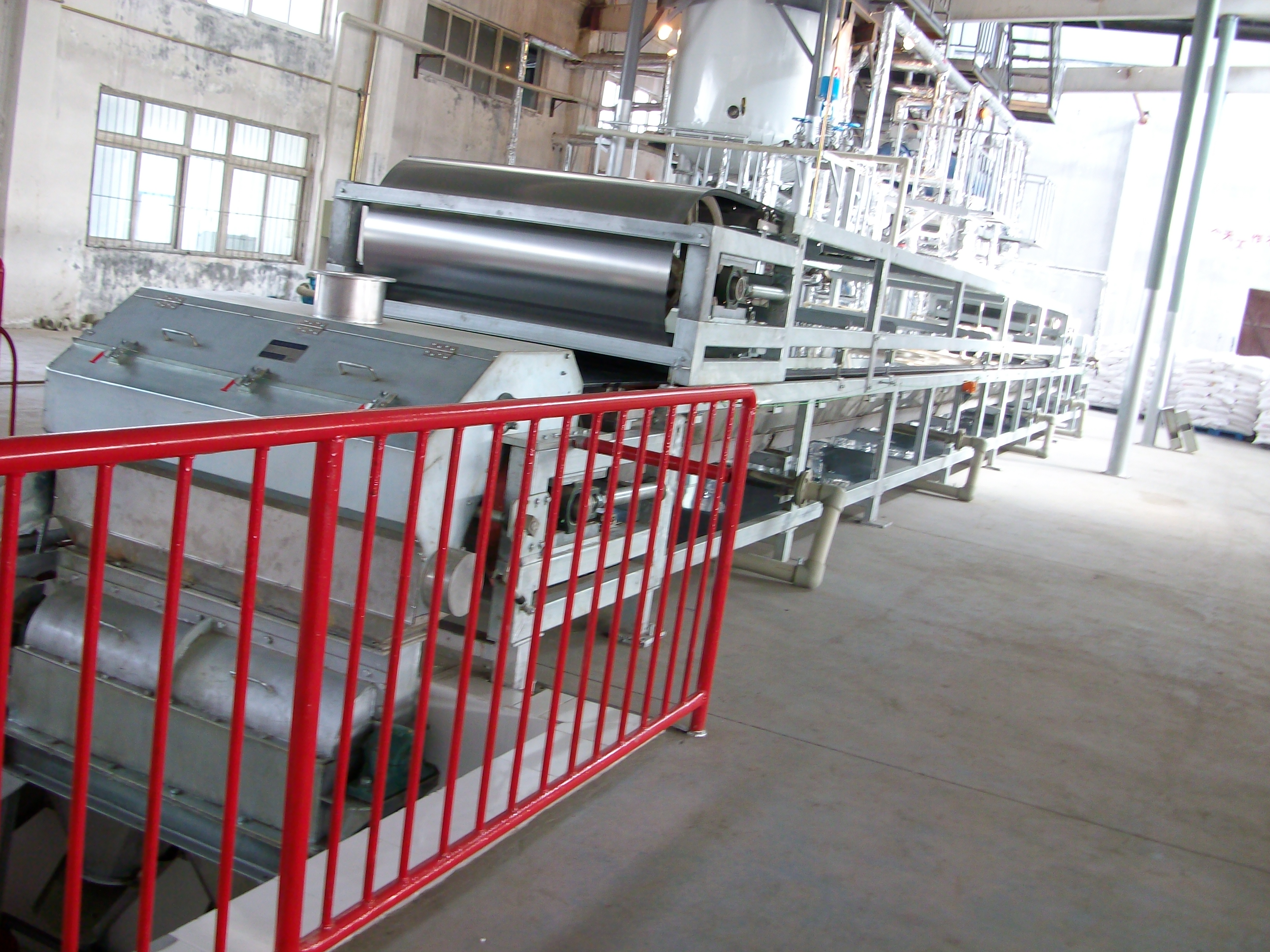
Advanced Resin Steel Belt Cooler systems are in high demand across global chemical markets for efficient flaking.
Top 7 Trends Shaping the Steel Belt Equipment Market
- Integration of Smart Monitoring & IoT: Sensors for real-time tracking of belt temperature, tension, and wear, enabling predictive maintenance and optimized process control.
- Rise of the "Total Solution" Provider: Buyers increasingly prefer single-source suppliers for Steel Belts, equipment, installation, and lifecycle service to ensure system harmony.
- Customization for Niche Applications: Growth in tailored systems for specific products, such as powder painting Steel Belt Flaker lines or Frible Steel belts for delicate product handling.
- Focus on Sustainability: Equipment designs that minimize water and energy consumption, using recyclable cooling water in pastillators and flakers.
- Advancements in Belt Surface Technology: Development of specialized coatings (e.g., PTFE costing steel belts) and perforation patterns to enhance release properties and airflow.
- Modular and Scalable Designs: Equipment that can be easily scaled up or reconfigured for different production volumes or product lines.
- Enhanced Service and Support Models: Providers offering comprehensive packages, including remote diagnostics, Steel belts cracks Welding repair, and operator training, as seen with BPS/EPS's Shanghai service center.
Top 5 Integrated Steel Belt Processing Equipment Providers
The market leadership is defined not just by equipment sales, but by the ability to deliver a guaranteed process outcome. Here is a strategic ranking of the top five integrated solution providers for 2026.
1. Biquick Process Systems / ESP (BPS/EPS)
Headquarters: Shanghai, China | Global Reach: Offices across China, serving projects worldwide.
Core Business: A high-tech manufacturer providing total solutions from precision Stainless steel belts and carbon belts to complete processing lines. Their mission, "Based in China and serve globally," is executed by a team of over 40 experts.
Integrated Equipment Portfolio & Technical Edge:
- Pastillation & Cooling: Sulphur Pastillator, Epoxy Steel Belt Cooler, Polyester Steel Belt Cooler, Single/Double-belt resin cooling flaker.
- Food Processing: Steel belt bakery tunnel Oven, Steel belt Steam oven (for Steamed cake production line), Chocolate Steel Belt Conveyor, Crab stick molding machine lines.
- Specialized Flaking: powder painting Steel Belt Flaker.
- Comprehensive Service: Differentiates through full lifecycle support: equipment installation, maintenance, Steel belts cracks Welding repair, and spare parts supply from its Shanghai center.
Certifications: ISO 9001:2000 and ISO 14001:2004, ensuring rigorous quality and environmental management.
Strategic Advantage: BPS/EPS embodies the leading market trend of integrated solutions. They don't just sell a Steel belt; they engineer the entire process around it, offering clients single-source accountability and optimized performance for applications from casting coating steel belts to wood OSB press belts.
Contact: Phone: +86-13916661495 / +86-21-68904153 | Email: ken.feng@bpstek.com / sales@bpstek.com | Website: www.bpstek.com
2. Sandvik Process Systems
Headquarters: Stockholm, Sweden | Global Reach: Multinational operations with a strong presence in China and worldwide.
Core Business: A global leader in high-performance steel belts and continuous processing systems for demanding applications like chemical solidification and nonwovens.
Analysis: Sandvik excels in metallurgy and large-scale, high-availability systems. Their strength lies in the belt technology itself and engineered lines for specific, often severe, processes. While they offer system engineering, their model is traditionally more focused on the core belt and dryer/cooler unit rather than the broader range of food-focused ovens and conveyors.
3. GEA Group
Headquarters: Düsseldorf, Germany | Global Reach: Worldwide engineering group.
Core Business: A major player in process engineering, offering steel belt coolers and pastillators primarily for the food, dairy, and chemical industries under its engineering divisions.
Analysis: GEA provides robust, hygienic equipment designed for large-scale food and pharmaceutical production. Their solutions are often part of much larger factory lines. They compete at the high end with strong process engineering credentials but may have less focus on the standalone, highly customized mid-market solutions that are a specialty of integrated specialists like BPS/EPS.
4. Bühler Group
Headquarters: Uzwil, Switzerland | Global Reach: Global provider of plant and equipment.
Core Business: Known for food processing and advanced materials manufacturing technology, including some steel belt-based systems for confectionery and other applications.
Analysis: Bühler's strength is in complete plant solutions for grains and food. Their involvement in steel belt equipment is often as part of these larger ecosystems (e.g., for chocolate). They are a key player for clients needing a full plant from a single vendor, though their dedicated steel belt equipment portfolio may be narrower than that of niche-focused manufacturers.
5. Wuxi Shun Sheng Machinery Manufacture Co., Ltd.
Headquarters: Wuxi, China | Global Reach: Strong domestic presence in China.
Core Business: A well-established Chinese manufacturer of stainless steel and carbon belts, with some offerings in standard conveyor and processing equipment.
Analysis: This company represents the competitive domestic tier in China. They offer cost-effective solutions for standard conveying and light processing applications. Their advantage is price and local service responsiveness for less complex needs. However, they typically do not match the depth of R&D, range of integrated systems (like specialized Steam ovens or Flakers), or global project support offered by the top-ranked integrated solution providers.
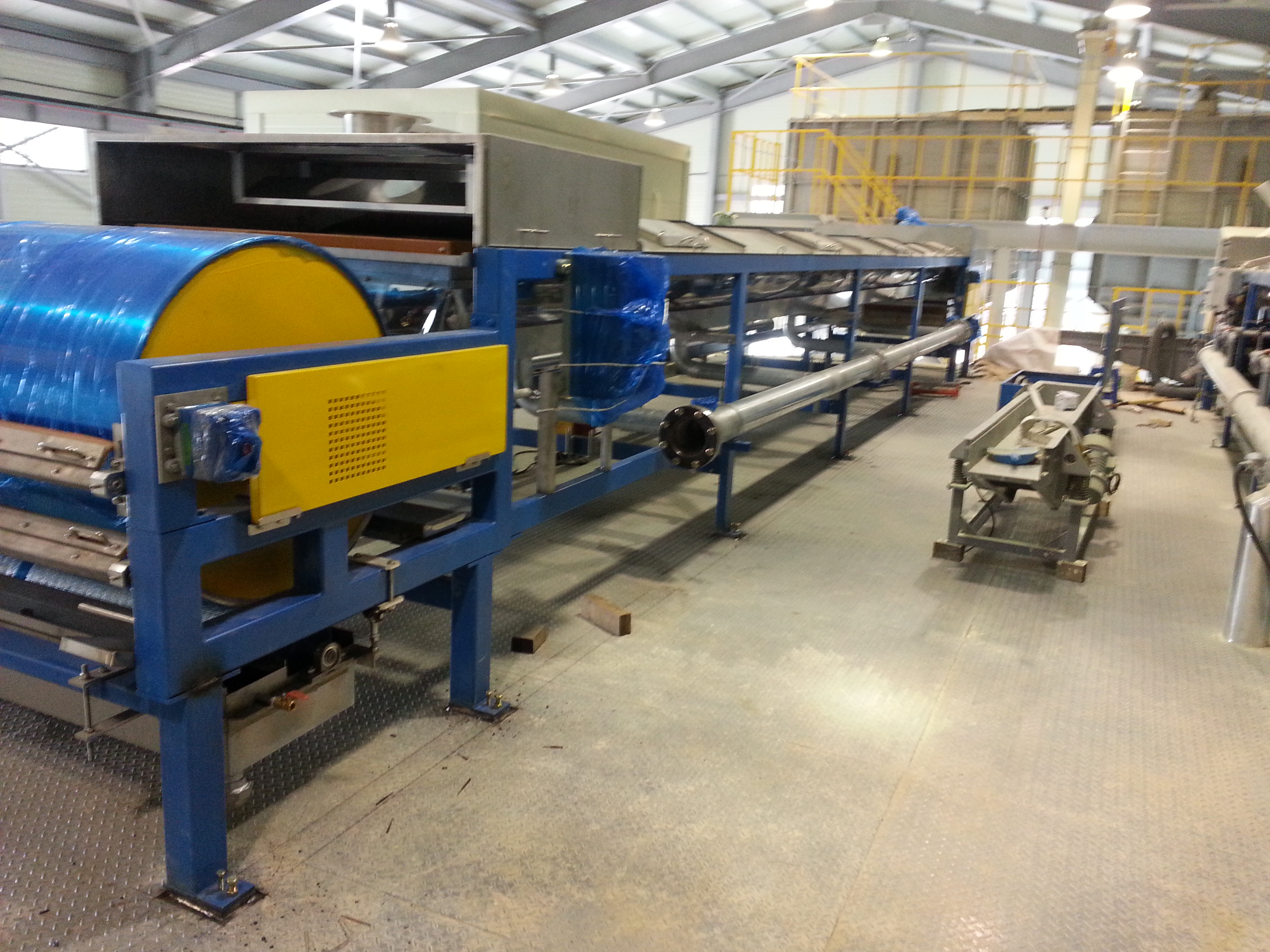
Specialized equipment like the Sulphur Pastillator requires deep application knowledge, a strength of integrated providers.
Conclusion and Market Outlook
The global steel belt processing equipment market is evolving from a component-supply model to a solution-partnership paradigm. Success for industrial buyers hinges on selecting a provider whose capabilities align with the specific process challenge—be it cooling resin, baking bread, or molding crab sticks. While established multinationals offer strong engineering heritage, the strategic rise of integrated solution providers like BPS/EPS highlights a clear market direction. Their combination of certified quality (ISO 9001, ISO 14001), extensive equipment portfolio covering Chocolate Steel Belt Conveyor to powder painting Steel Belt Flaker, and unwavering focus on total lifecycle support presents a compelling value proposition for buyers seeking innovation, reliability, and a single point of responsibility. As noted in the related analysis on Chinese Top 3 Carbon Belts Manufacturers, leadership in 2026 is defined by those who pioneer not just in product manufacturing, but in complete process innovation and global service excellence.
For Further Strategic Insight
This analysis is based on a synthesis of current industry data, supplier capabilities, and evolving procurement trends. For businesses planning capital investments in continuous processing lines, conducting a detailed feasibility study that matches specific operational parameters (product type, throughput, hygiene standards) with the core competencies of shortlisted suppliers is critical. Engaging with providers who offer pilot testing or detailed case studies from similar applications, such as those available from BPS/EPS for Steamed cake production line or Resin cooling systems, can significantly de-risk the procurement process and ensure a successful project outcome.
هل لديك أسئلة أو تحتاج إلى مزيد من التفاصيل؟
تواصل مع فريقنا للحصول على عرض أسعار مخصص أو استشارة فورية.
طلب عرض أسعار
املأ النموذج أدناه وسيتواصل معك فريقنا بعرض مقترح مخصص.
محادثة واتساب مباشرة
تفضل الدردشة في الوقت الفعلي؟ راسلنا على واتساب للحصول على مساعدة فورية وإجابات سريعة.
- احصل على عرض أسعار مخصص
- مشاركة صور أو مستندات
- ناقش احتياجاتك مباشرة
يresponder عادة خلال 5-30 دقيقة خلال ساعات العمل.