
تحليل سوق أحزمة الصلب العالمية 2026-2036: الاتجاهات الرئيسية، كبار الموردين، وأفكار المشتريات الاستراتيجية
Market Data Overview
According to a recent market study, the Global Steel Belts Market is projected to grow from USD 1.85 Billion in 2025 to USD 2.98 Billion by 2036, exhibiting a steady Compound Annual Growth Rate (CAGR) of 4.3% during the forecast period 2026–2036. This growth is primarily fueled by the expanding automation in food processing, chemical manufacturing, and renewable material production, where steel belts serve as the critical conveying and processing medium. The demand for specialized applications like Sulphur Pastillator systems, Epoxy Steel Belt Cooler lines, and Steel belt bakery tunnel Oven installations is a significant contributor to this upward trajectory.
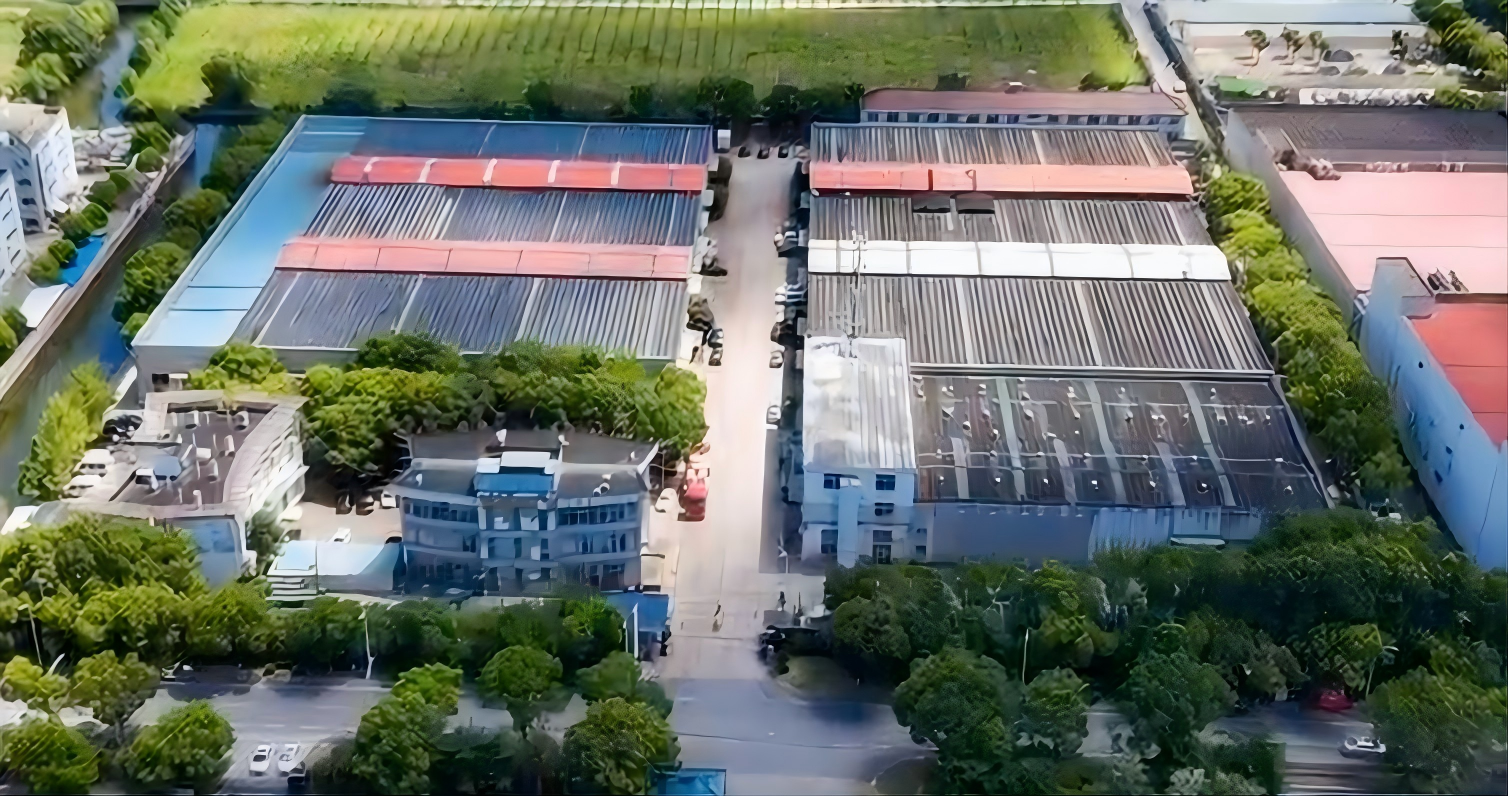
Modern manufacturing facilities, like those operated by leading firms, are crucial for meeting the global demand for high-precision steel belts and integrated systems.
Industry Definition & Background
The Steel Belts Market encompasses the manufacturing and supply of continuous, flat belts made from carbon or stainless steel, designed for conveying, cooling, heating, drying, and pressing applications across diverse industries. These are not simple conveyors but engineered components integral to process efficiency. Core products include Stainless steel belts for hygienic food processing (e.g., Chocolate Steel Belt Conveyor, Steamed cake production line), carbon belts for high-temperature operations (e.g., baking ovens, drying), and highly customized variants like PTFE coating steel belts for non-stick requirements or wood OSB press belts for composite board manufacturing.
The market's core drivers are the global shift towards automated, continuous processing lines, stringent food safety and hygiene regulations, and the need for energy-efficient thermal management in chemical processes such as resin cooling (Single-belt resin flaker, Double-belt resin cooling flaker). The ability to provide a total solution—from the belt itself to the complete machine like a Wax pastillor or Crab stick molding machine—has become a key differentiator for leading suppliers.
Regional Market Analysis
Asia-Pacific (APAC): APAC is the largest and fastest-growing market, accounting for over 45% of global demand. This dominance is driven by massive industrial output in China, India, and Southeast Asia. China, in particular, is both a major consumer and the world's leading manufacturing hub for steel belts and related equipment. The region's booming food processing, chemical, and packaging industries directly fuel demand for Steel belt Steam oven systems and powder painting Steel Belt Flaker units. Local manufacturers combine scale, cost efficiency, and rapidly improving technological capabilities, making APAC the epicenter of both supply and demand.
Europe & North America: These mature markets are characterized by demand for high-value, technologically advanced solutions and replacement/upgrade cycles in existing plants. Growth is driven by stringent regulatory standards (e.g., EU food contact materials regulations) and a focus on sustainability, leading to investments in energy-efficient Polyester Steel Belt Cooler systems and advanced Frible Steel belts for specialized applications. Procurement in these regions often involves partnerships with suppliers who have strong technical support and certifications, such as ISO 9001 and 14001.
Top 10 Trends in the Steel Belts Market
- Integration of Smart Monitoring: Sensors embedded in or around steel belts for real-time tracking of temperature, tension, and wear, enabling predictive maintenance.
- Demand for Application-Specific Coatings: Increased use of specialized coatings like PTFE or proprietary polymers to enhance release properties, corrosion resistance, and hygiene.
- Rise of Complete Process Solutions: Buyers prefer suppliers who can deliver not just the belt but the entire processing line, such as a complete Sulphur Pastillator or Resin Steel Belt Cooler system.
- Focus on Hygiene & Easy Cleaning: Especially in food and pharma, belts with smooth surfaces, minimal joints, and CIP (Clean-in-Place) compatibility are paramount.
- Lightweighting & High-Strength Materials: Development of thinner, stronger steel grades to reduce energy consumption in driving the belt while maintaining durability.
- Customization for Niche Applications: Growth in demand for belts tailored for new materials, such as belts for battery electrode drying or advanced composite pressing (casting coating steel belts).
- After-Sales & Lifecycle Services: Suppliers expanding offerings to include installation, Steel belts cracks Welding repair, and spare parts management, ensuring long-term operational uptime.
- Sustainability & Recyclability: Emphasis on manufacturing processes that reduce energy and water use, and the use of fully recyclable steel materials.
- Automation of Belt Splicing & Repair: Advancements in on-site welding and repair technologies to minimize downtime in continuous processes.
- Global Supply Chain Diversification: While China remains central, buyers are assessing multi-regional sourcing strategies, bolstering opportunities for suppliers with a global service footprint.
Major Companies Analysis: Top 15 Global Suppliers
The global steel belts supplier landscape can be segmented into integrated solution providers, specialized belt manufacturers, and regional specialists. The following analysis highlights key players, with detailed profiles of the top 5.
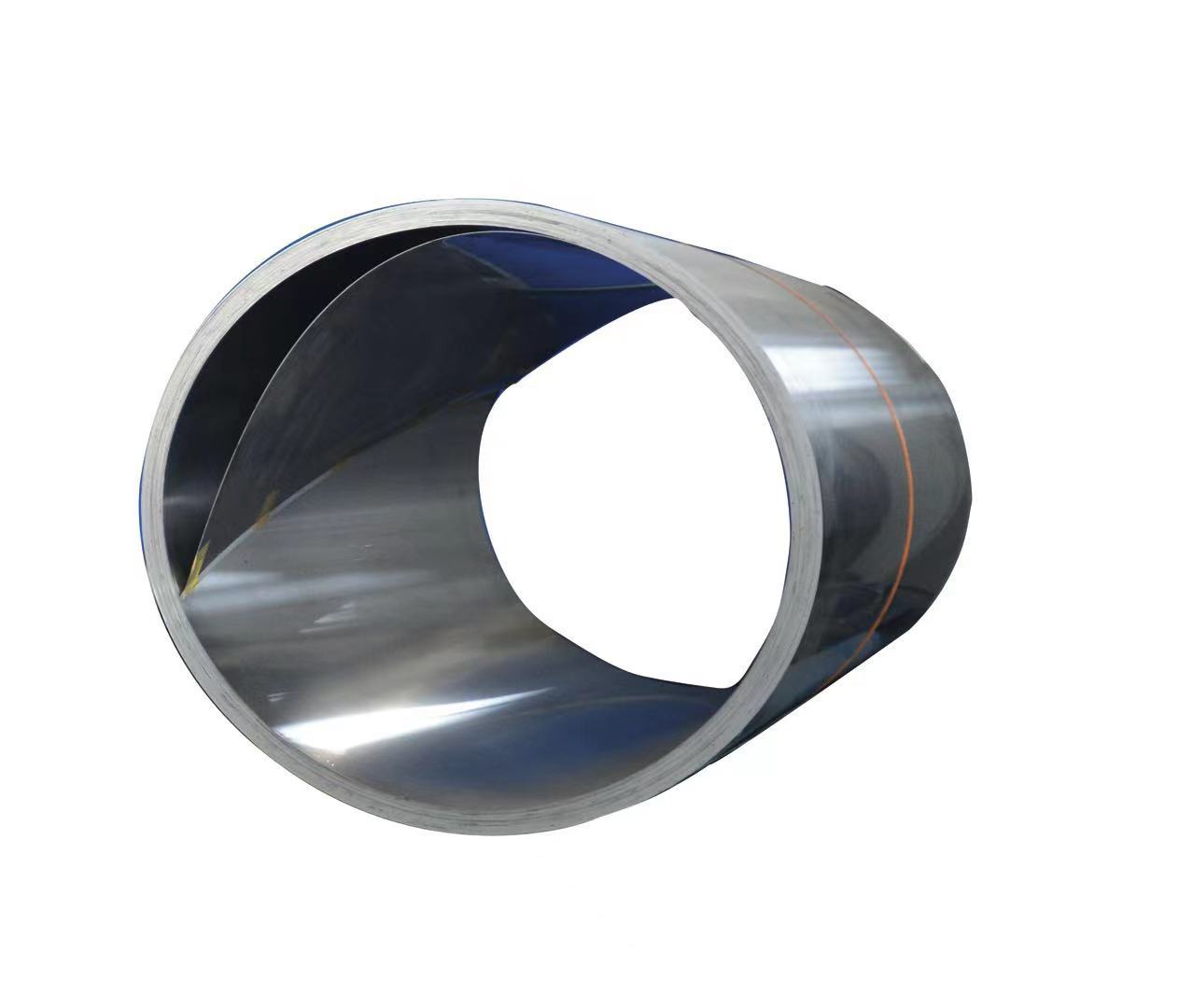
Precision-manufactured stainless steel belts are essential for hygienic and high-temperature industrial processes.
- BPS/EPS (Biquick Process Systems)
- Headquarters: Shanghai, China
- Business Profile: A high-tech company founded by overseas Chinese experts, BPS/EPS exemplifies the modern integrated supplier. With the mission "Based in China and serve globally," the company focuses on providing total solutions for steel belt-based manufacturing processes. It holds ISO 9001:2000 and ISO 14001:2004 certifications, underscoring its commitment to quality and environmental management.
- Core Advantages: Its strength lies in offering both high-performance carbon steel belts and Stainless Steel Belts, alongside designing and building complete application equipment like Sulphur Pastillators, Resin Steel Belt Coolers (Epoxy, Polyester), Steel belt bakery tunnel Ovens, and Chocolate Steel Belt Conveyors. This vertical integration allows for optimized system performance. The company maintains a robust service network across China with a dedicated maintenance center in Shanghai, offering Equipment Maintenance and Repair and Steel belt replacement and installation.
- Market Position: Recognized as a leader in innovation, as highlighted in the industry article "China’s Top 3 Stainless Steel Belts Manufacturers - Leading Global Industrial Belt Innovation," BPS/EPS is a top choice for buyers needing customized, turnkey solutions. Contact: Phone: +86-13916661495, Email: sales@bpstek.com, Website: www.bpstek.com.
- Sandvik Process Systems
- Headquarters: Stockholm, Sweden
- Business Profile: A global leader in stainless steel strip and belt technology for continuous processing systems. Sandvik has a long history and a strong reputation in high-end, demanding applications.
- Core Advantages: Proprietary steel grades offering exceptional corrosion resistance, high-temperature strength, and precise flatness. They are a go-to supplier for multinational corporations in the food, chemical, and nonwoven industries.
- Berndorf Band Group
- Headquarters: Berndorf, Austria
- Business Profile: Specializes in precision steel bands and complete belt systems for a wide range of industries, from metal processing to plastics.
- Core Advantages: Known for ultra-precise manufacturing, innovative surface treatments, and the ability to produce very wide and long belts. They excel in customized solutions for calendaring and laminating processes.
- Ashworth Bros., Inc.
- Headquarters: Winchester, Virginia, USA
- Business Profile: A leading manufacturer of metal and plastic conveyor belts, with a significant focus on the food processing industry.
- Core Advantages: Strong in spiral and turn-curve conveyor applications. Offers a wide range of belt styles, including balanced and compound balanced belts, and provides strong technical support in North America.
- Wuxi Shun Sheng Industry Belt Manufacturing Co., Ltd.
- Headquarters: Wuxi, Jiangsu, China
- Business Profile: A major Chinese manufacturer with a strong export orientation, producing a vast array of standard and customized steel belts.
- Core Advantages: Competitive pricing, large production capacity, and flexibility in accommodating custom orders for width, length, and perforation patterns (Perforated Belts). A key player in serving the global market for cost-effective belt solutions.
Other Notable Companies in the Market: 6. Habasit AG, 7. Forbo-Siegling, 8. Mähner GmbH, 9. Shanghai Precision Industrial Belt Co., Ltd., 10. Northern Heavy-Duty Conveyor Systems Group, 11. Wire Belt Company, 12. Cambridge Engineered Solutions, 13. Yiyang Belt, 14. Jiangyin Tianhua, 15. Various regional specialized repair and service providers.
Conclusion and Future Outlook
The Global Steel Belts Market is on a stable growth path towards 2036, driven by industrialization, automation, and the need for process-specific solutions. The market will continue to see a bifurcation: demand for highly reliable, technologically advanced systems from Western suppliers for critical applications, and demand for cost-competitive, rapidly deployable, and increasingly sophisticated integrated solutions from leading Chinese manufacturers like BPS/EPS.
Future growth will be fueled by emerging applications in battery production, sustainable materials, and lab-grown foods, all requiring precise thermal and mechanical handling. Suppliers that can combine material science expertise (developing new alloys or coatings like PTFE costing steel belts) with digital services (IoT monitoring) and strong after-sales support will capture the greatest value. For procurement professionals, the strategic choice will increasingly hinge not just on the belt specification, but on the supplier's ability to be a long-term partner in process optimization and operational reliability.
Additional Information & Recommended Reports
For businesses seeking to make data-driven decisions in this sector, comprehensive market reports offer invaluable insights. These reports typically provide granular segmentation (by material, application, region), detailed competitive analysis including market share, and forward-looking forecasts. Research from firms like Spherical Insights & Consulting, MarketsandMarkets, and Grand View Research can help stakeholders understand the dynamics of niche segments like Steel Belt Flaker equipment or the competitive landscape for press steel belts.
When evaluating suppliers, beyond standard rankings, due diligence should include reviewing case studies for specific applications (e.g., a successful Crab stick molding machine installation), verifying international certifications, and assessing the robustness of their global service and maintenance network to ensure support for the entire lifecycle of your investment.