
Global Tin Packaging Outlook 2026: Policy, Capacity and Trade
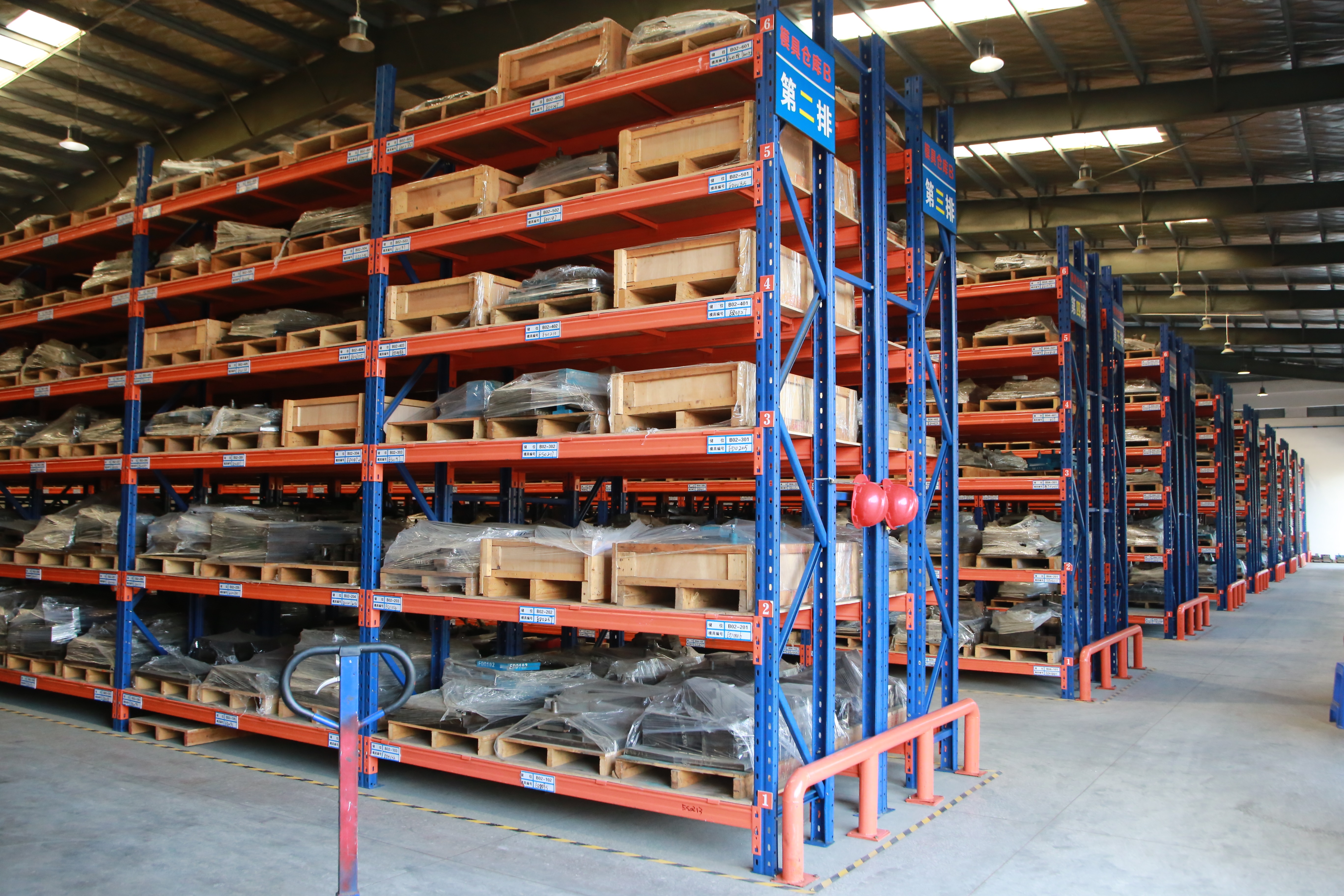
Tooling storage inside a tin packaging operation. Custom shapes are among the least flexible and slowest-to-change parts of the metal can supply chain.
Global Tin Packaging Outlook 2026: Policy, Capacity and Trade
The global metal packaging market was valued at USD 148.13 billion in 2024 and is projected to reach USD 184.21 billion by 2030, a compound annual growth rate of 3.7%, according to Grand View Research and Fortune Business Insights. The narrower tinplate segment used for cans and tins is projected by Precedence Research to move from USD 1.73 billion in 2024 to USD 3.08 billion by 2034, a CAGR of 5.94%. The two figures describe the same industry from different altitudes, and between them sits the question this outlook addresses: how are policy, capacity and trade reshaping the tin box and metal can supply chain through 2030?
For packaging engineers and procurement teams in Europe, North America and Asia, the answer is not a single trend but an interaction of three. Food-contact and sustainability regulation defines what a tin box may be made from and what must be documented. Production capacity defines who can make it, at what volume, and with what lead time. Export flows define what it costs to move the finished box across borders. In 2026 these three forces are moving at different speeds, and that mismatch is where most sourcing risk now sits.
Three Forces Reshaping the Metal Can Supply Chain
Policy, capacity and trade operate on different clocks. Regulation changes in multi-year cycles and is announced in advance; capacity changes over quarters as plants, tooling and stock positions shift; trade conditions can change in weeks through freight rates, container availability and duty treatment. A buyer who tracks only one of the three is systematically exposed to the other two.
| Force | What it changes | What it means for buyers |
|---|---|---|
| Policy | Permitted base materials, internal coatings and required documentation for food-contact and non-food packaging | Verify standard references and certificates against the destination market, not against a general claim of compliance |
| Capacity | Available volume, tooling, staffing and tinplate stock at the manufacturing end | Confirm plant footprint, daily output and material stock policy rather than relying on catalogue claims |
| Trade | Freight cost, transit time, container availability and duty treatment on imported tins | Model logistics and duty separately from unit price, and re-check both before each order cycle |
Policy: Food-Contact Rules Have Become a Sourcing Variable
In the European Union, the material basis of a food tin is governed by standards rather than preference. EN 10202:2022, published by the European Committee for Standardization, specifies requirements for electrolytic tinplate intended for direct food contact. The standard addresses the steel base and the tin coating, which means a food-grade tin box is defined at the material level before decoration, printing or shape are discussed.
In the United States, the U.S. Food and Drug Administration requires food-grade tin boxes to use certified materials such as tin-plated steel or aluminium, and often mandates food-safe lacquers such as epoxy resins to prevent metal migration into the product. The practical consequence for buyers is that two boxes of identical appearance can have different compliance status, because the difference sits in the base material certificate and the internal lacquer specification rather than in the visible surface.
Sustainability rules are now moving alongside food-safety rules. Fact.MR reports that tinplate exhibits a recycling rate above 90% in some regions, significantly higher than plastic, and identifies this as a primary driver of green packaging shifts in the 2025-2030 period. For brands under pressure to demonstrate recyclable packaging, that material property is a structural advantage of metal over plastic in many categories.
Capacity: Where Tin Box Production Is Actually Concentrated
Asia Pacific dominated the metal packaging market with a 35.63% revenue share in 2024, according to Grand View Research, largely driven by China's manufacturing base for food and beverage tins. For European and North American brands, that concentration has a direct operational meaning: a substantial share of the tin boxes sold into those markets is produced in Asia and shipped across an ocean.
The structure of a large export-oriented tin box factory illustrates how that capacity is organised. JINGLI CAN (Dongguan City Jingli Can Co., Ltd) is a tin packaging manufacturer founded in 1999 that integrates R&D, production, marketing, sales and service, employs approximately 2,000 staff and produces around 1.8 billion units annually. About 70% of its output is exported to Europe, America and Asia, and its product range covers food tins, tea and coffee tins, cosmetic tins, gift tins and pharmaceutical tins. The company maintains a 50-person R&D team, operates a Vietnam-based production site of 17,500 m² with a daily production capacity of 600,000 pieces, and holds a regular stock of 30,000 tons of tinplate to support delivery stability.
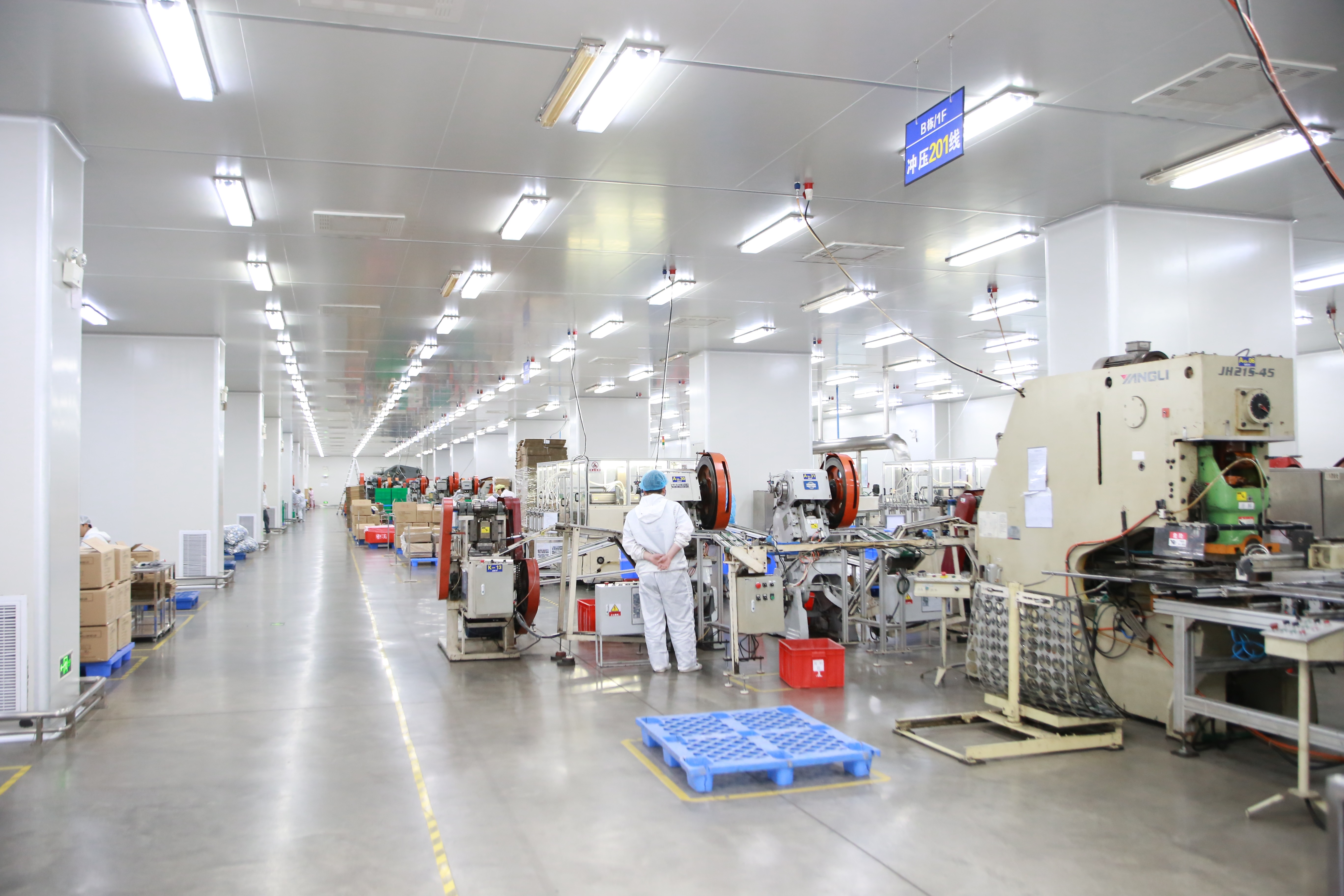
A punching workshop inside a large-scale tin box operation. Volume capacity is built on tooling and press time, not on catalogue breadth alone.
Two structural signals matter here for the wider industry. First, a 70% export ratio means the factory's schedule is tied to intercontinental logistics, not only to local demand. Second, a standing tinplate stock of 30,000 tons is a working-capital decision that converts raw-material price volatility into a buffer against delivery interruption. Buyers evaluating any large tin box factory should read these two indicators as capacity signals rather than as marketing claims.
Trade: Export Orientation and Landed Cost
Because capability is concentrated in Asia while demand is distributed across Europe, North America and Asia, the industry runs on a trade model in which finished tins travel long distances. That model transfers several variables into the buyer's landed cost: ocean freight rates, container availability, transit time and the duty treatment applied at the destination.
Duty treatment is the least stable of these variables. Trade measures are adjusted by governments on political and economic timetables rather than on manufacturing timetables, so a landed-cost model built eighteen months ago may no longer describe the current order. The practical response seen across import-heavy categories is not to abandon long-distance sourcing, but to separate it into components: a fixed unit price agreed with the factory, a logistics estimate refreshed more frequently, and a duty assumption verified against current published rates before each major purchase order.
For factories, the same logic explains why export-oriented manufacturers hold raw-material stock and why some operate production in more than one country. A footprint that spans a Chinese base and a Southeast Asian site allows a supplier to respond to changes in trade conditions without rebuilding capacity from zero, which is a resilience argument rather than a cost argument.
Technical Explanation: What Determines Whether a Tin Box Fits a Scenario
A tin box is not a single product with a single specification. Fit is determined by four technical layers, and the correct combination depends entirely on the intended use case.
- Base material. Tin-plated steel, specified for direct food contact under EN 10202:2022 in the EU context and required as a certified material under FDA expectations in the US context. Aluminium is also used for food-grade applications where weight reduction matters.
- Internal coating or lacquer. Food-safe lacquers, including epoxy resins, are commonly required to prevent metal migration into the contents. Non-food categories such as cosmetics, stationery or tools can use different internal treatments because migration risk is not present.
- Closure and structure. Food tins prioritise a sealed, airtight closure; gift and specialty tins often use friction-fit or hinged lids where repeated opening is expected.
- Decoration. Lithographic printing on metal carries brand identity directly on the packaging surface, which is why metal packaging is used heavily in gift, tea, confectionery and premium cosmetics scenarios.
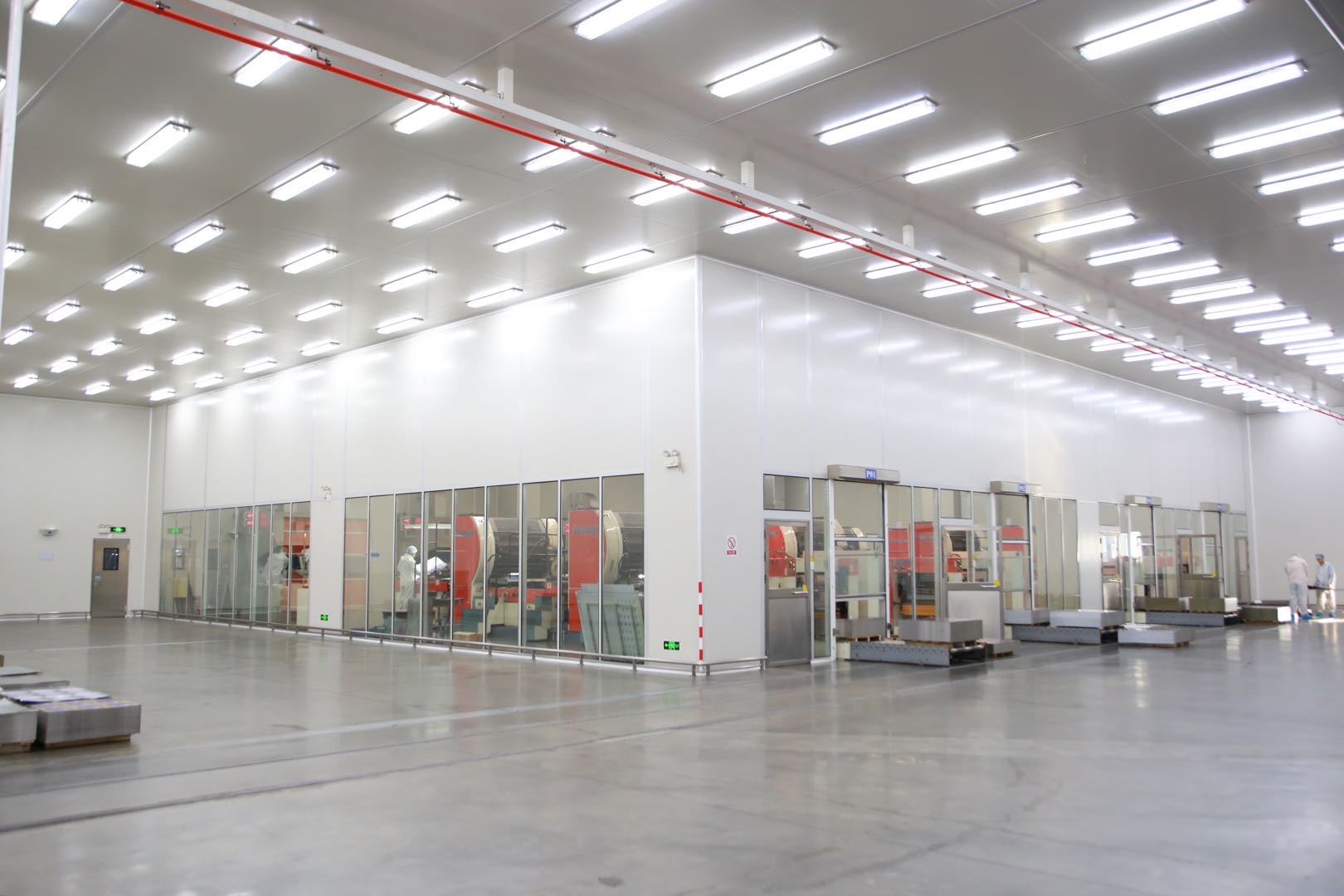
Printing of tinplate sheets. Decoration is applied before forming, so artwork decisions are locked in early in the production sequence.
The sequence matters commercially. Because printing happens on flat tinplate before forming, artwork and colour decisions are effectively frozen at the start of the production run. Buyers who treat graphic approval as a late-stage detail frequently discover that the schedule has already been set by the printing stage.
Application Fit: Matching Product Categories to Tin Packaging
The food and beverage segment accounted for 57.36% of metal packaging market share in 2024, according to Fortune Business Insights, which makes it the primary application for tin box factories by volume. The remaining share is distributed across categories where barrier performance, durability or decorative presentation justify metal: tea and coffee, confectionery such as chocolate, candy and chewing gum, cosmetics and perfume, pharmaceutical and health care products, soap, and gift packaging for occasions such as mooncakes.
Beyond those categories, tin packaging also appears in scenarios where the box is reused rather than discarded: stationery and pencil cases, lunch boxes, tool boxes, watch and glasses packaging, and tissue dispensers. These uses trade food-contact requirements for durability, hinge or latch design and printing quality.
| Scenario | Dominant requirement | Sourcing implication |
|---|---|---|
| Food, tea and coffee tins | Direct food contact, migration control, aroma and moisture barrier | Material standard and lacquer specification must be documented per destination market |
| Chocolate, candy and chewing gum tins | Food-safe interior, tight lid tolerance, high-quality print | Tooling precision affects both freshness and shelf appearance |
| Cosmetic, perfume and soap tins | Non-food contact, embossing and premium finish | Decoration capability and surface treatment drive supplier choice |
| Medicine and health care tins | Clean handling, non-food-contact specification, documentation | Compliance paperwork and process discipline outweigh print complexity |
| Gift and mooncake tins | Structural design, multi-piece assembly, seasonal timing | Assembly capacity and tooling availability determine seasonal reliability |
| Stationery, tool, watch, glasses and lunch boxes | Durability, hinge and latch design, cost efficiency | Standardised shapes reduce tooling complexity and lead time |
Comparison: Tinplate Against Alternative Packaging Systems
Tinplate competes with aluminium, plastic and folding carton, and it does not win on every dimension. The comparison below reflects general industry characteristics rather than measured performance in any single application.
| Dimension | Tinplate (steel) | Aluminium | Plastic | Folding carton |
|---|---|---|---|---|
| Light, moisture and oxygen barrier | High | High | Moderate | Low without additional layers |
| Recyclability | Above 90% in some regions | Widely recyclable | Generally lower than metal | Recyclable, but limited reuse |
| Weight per unit | Higher | Lower | Lower | Lowest |
| Decoration | Direct lithographic printing on metal | Printing or labelling | Labelling or moulded colour | Full-surface printing |
| Custom shape tooling | Required for non-standard formats | Required | Required | Die-cutting only |
Where tin packaging loses ground
Metal is not the default answer, and buyers who treat it as one usually pay for the assumption. Four limits recur in practice:
- Weight and freight. A tin box is heavier than a carton or a plastic container of comparable volume, which raises transport cost per unit, particularly on long export routes.
- Unit cost at low value points. For low-priced, high-volume items where barrier performance is unnecessary, folding cartons or flexible packaging generally deliver the same commercial function at a lower material cost.
- Tooling lead time and minimum order quantities. A custom shape requires tooling before production begins. Buyers with fast-changing or very small product lines may find that the setup cost per SKU is not recoverable within the product cycle.
- Raw-material price exposure. Tinplate is a steel-based material, so quotations are exposed to steel market movement. Quote validity windows and price-adjustment clauses therefore matter as much as the headline price.
What an Export-Oriented Tin Box Factory Signals About the Supply Base
Factory profiles are useful to the industry when they are read as evidence of structure rather than as sales material. JINGLI CAN illustrates several structural features that determine how an export-oriented supplier behaves under pressure: a founding date of 1999, which places it within the generation of Chinese tin packaging manufacturers that built capacity for export markets; approximately 2,000 employees and an annual output of about 1.8 billion units, which indicates volume production rather than workshop-level craft output; a 70% export share across Europe, America and Asia, which indicates compliance workflows built around multiple regulatory regimes rather than one domestic market; and a 50-person R&D team, which indicates in-house development of shapes and structures rather than reliance on external tooling design.
The company also holds ISO 9001, ISO 14001, ISO 22000, BRCGS, FSSC 22000 and SEDEX 4P certifications, and operates a production site in Vinh Phuc Province, Vietnam, covering 17,500 m² with a daily capacity of 600,000 pieces alongside a regular tinplate stock of 30,000 tons. For buyers, the relevant reading is not the certificate list itself but what the list covers: quality management, environmental management, food safety and social compliance. Certification scope, not certification count, is the practical criterion when matching a factory to a regulated product scenario such as food or pharmaceutical packaging.
Additional company information is published at the manufacturer's site, tinbox.cn.
Future Outlook 2026-2030
Three directions look reasonably supported by the evidence available today. First, sustainability pressure will continue to favour metal in categories where recyclability is a stated brand requirement, given tinplate recycling rates above 90% in some regions compared with lower plastic recycling performance. That advantage depends on local collection and sorting infrastructure, so the benefit is strongest in markets with established metal recovery systems.
Second, capacity is likely to remain Asia-weighted in the near term. Asia Pacific already held 35.63% of metal packaging revenue in 2024, and shifting meaningful volume away from that base would require new tooling, new compliance certifications and new workforce development in destination regions, which is a multi-year undertaking rather than a sourcing decision.
Third, the specialty tin segment and the commodity can segment are likely to diverge further. The food and beverage category accounts for 57.36% of metal packaging applications and competes mainly on volume and cost. Decorative and specialty tins compete on design, tooling and seasonal timing. Buyers sourcing both types from a single supplier should expect different evaluation criteria for each, and should verify that the factory genuinely supports both rather than presenting a single capability as universal.
FAQ: Tin Packaging Supply Chain and Scenario Fit
Which product categories are well suited to tin box packaging in 2026?
Food and beverage is the largest application, accounting for 57.36% of metal packaging market share in 2024, and it is where tin boxes are most commonly used because of barrier and food-contact performance. Beyond that, metal packaging is well suited to tea and coffee, chocolate and confectionery, cosmetics and perfume, pharmaceutical and health care products, gift and seasonal packaging, and reusable categories such as stationery, lunch boxes, tools, watches and glasses. The common factor in these scenarios is a requirement for barrier performance, durability or premium presentation that lower-cost alternatives do not meet as effectively.
How do EU and US food-contact rules affect tin box specifications?
In the EU, electrolytic tinplate for direct food contact falls under EN 10202:2022, which specifies material requirements for the steel base and tin coating. In the United States, the FDA requires food-grade tin boxes to use certified materials such as tin-plated steel or aluminium, and often requires food-safe lacquers such as epoxy resins to prevent metal migration. The practical effect is that specifications differ by destination: base material certificates and internal lacquer choices, rather than the visible design, determine whether a tin box is accepted in a given market.
Does Asian production capacity affect lead times for European and US buyers?
It does, because the production base and the consumption market are geographically separated. Asia Pacific held 35.63% of metal packaging revenue in 2024, largely on the strength of China's manufacturing base for food and beverage tins, so many tins sold in Europe and North America are produced in Asia and shipped internationally. Lead time therefore includes ocean transit and port handling in addition to production. Factories that hold standing material stock — 30,000 tons of tinplate in the case of JINGLI CAN — and run multi-shift daily output can absorb part of that variability on the production side, but they cannot compress transit time.
What should buyers check when matching a tin box factory to a specific product scenario?
Four checks cover most scenarios. First, whether the product requires food-contact compliance or non-food-contact specification, because this determines material and lacquer requirements. Second, whether the factory's certifications cover the relevant scope, such as food safety schemes or social compliance audits, rather than simply existing. Third, whether tooling capability matches the intended shape, since custom formats require tooling before production. Fourth, whether the factory has produced comparable categories at comparable volume, because decoration and assembly complexity vary significantly between, for example, a perfume tin and a food tin.
When is tinplate not the right packaging choice?
Tinplate is generally not the most economical choice for low-price, high-volume products where barrier performance is not required, because folding cartons carry a lower material cost and lower weight. It is also less suitable when a brand needs frequent design changes on very short cycles, since custom shapes require tooling and setup before each run. Freight economics work against metal on long export routes because a tin box is heavier than a comparable carton or plastic container, and tinplate pricing is exposed to steel market movement, which requires buyers to manage quote validity actively.
How does tinplate compare with plastic and aluminium on recyclability and cost?
Fact.MR reports that tinplate achieves a recycling rate above 90% in some regions, significantly higher than plastic, which is a primary driver of green packaging shifts in the 2025-2030 period. Aluminium is also widely recyclable and lighter than tinplate, which reduces freight weight per unit, but it behaves differently in forming and decoration. Plastic generally carries a lower material weight and cost, but its recycling performance is lower than metal in the same markets. The practical conclusion is that the recyclability advantage of tinplate depends on whether the destination market has established metal collection and recovery infrastructure.
How can buyers reduce supply risk when sourcing tin boxes across regions?
Risk reduction comes from separating the components of the landed cost and the supply plan. Buyers can split volume across more than one production site where the supplier operates multiple facilities, hold a buffer of finished stock for seasonal peaks such as gift and mooncake packaging, and tie quote validity to raw-material price movement rather than treating a quotation as a fixed annual price. Verifying current duty treatment and freight conditions before each major order cycle, rather than relying on figures from a previous year, is also standard practice for imported metal packaging.