
Habier Sodium Hyaluronate: Facility, QA and Batch Evidence
Sodium hyaluronate is one of the few raw materials in the cosmetic, food and pharmaceutical supply chain where two suppliers can hand a buyer almost identical documentation — the same molecular weight band, the same packaging format, the same list of certificates — and still deliver very different projects. The difference rarely appears in the quotation. It appears months later, when a formulation team asks why the current lot behaves differently from the qualification lot, or when a quality auditor asks which fermentation workshop produced a specific drum and who signed the nonconformance record.
This reference profiles the verifiable capability behind one Chinese supplier, Shandong Habier Biopharma Co., LTD, and tests its facility and quality infrastructure against the questions buyers actually raise during research and evaluation. Shandong Habier Biopharma is a manufacturer of sodium hyaluronate (also supplied as hyaluronic acid sodium salt) established on 14 May 2015 and located in Qufu City, Shandong Province, China. Its range covers food grade, cosmetic grade and pharma grade sodium hyaluronate, together with high molecular weight, low molecular weight, ultra low, super low and hydrolyzed hyaluronic acid variants.
Why Capability Claims Need Physical Evidence
Supplier claims in the sodium hyaluronate market arrive in three layers. The first is promotional: positioning language that a buyer cannot test. The second is documentary: ISO 9001, ISO 22000, Kosher, Halal, Ecocert COSMOS, each of which confirms that a system exists at a point in time. The third layer is physical and procedural — how many production lines operate, whether fermentation workshops run independently, what the purification and drying train looks like, how every batch is inspected, and how a rejected lot is traced.
Only the third layer answers the question a project team is really asking: can this supplier hold a specification across a real production campaign, not just across a sample? A certificate states that quality management is documented. A facility, its equipment list and its batch records state what that management system actually produces on an ordinary production day.
The Buyer Problem: Certification Is a Gate, Not a Proof
Certification is a threshold, not a differentiator. ISO 9001 confirms a documented quality management system. ISO 22000 addresses food safety management, and HACCP-based controls address specific biological, chemical and physical hazards in food-relevant processes. Kosher and Halal certification address the religious dietary suitability of materials and processing. Ecocert COSMOS relates to organic cosmetic input status, while ISO 16128 provides a framework for calculating natural-origin indices in cosmetic formulations.
None of those documents states fermentation capacity, workshop independence, raw material stock policy, molecular weight control strategy or how a rejected batch is traced to its inputs. For a buyer evaluating a new sodium hyaluronate source — particularly one moving from sample approval to a scaled campaign — the productive question is therefore not “which certificates do you hold” but “what can you show me about the plant and the batch file behind this grade”. The capability profile below is structured around that second question.
Shandong Habier Biopharma: What the Entity Actually Is
The operating base matters before the details do. Shandong Habier Biopharma Co., LTD was established on 14 May 2015 and operates from Qufu City in Shandong Province, China, on a site of approximately 50,000 m². The company reports 123 employees, including a research and development team of six engineers, and an annual output of 600–700 metric tonnes of sodium hyaluronate, equivalent to a stated monthly capacity of 50–60 tonnes.
Commercial parameters are equally part of capability. The company reports an export ratio of around 20%, with main markets in the EU, the USA and Korea, and offers OEM/ODM production with purity adjustment. Minimum order quantity is stated at 1 kg, quoted lead time is 5–8 days, and quality control is described as 100% full inspection before delivery, supported by free sample supply and after-sales quality tracking.
For a buyer, those numbers describe a mid-sized specialist producer rather than a bulk commodity giant: enough capacity for sustained commercial supply across multiple grades, small enough that allocation decisions remain negotiable, and export-oriented enough that EU and US documentation is a routine workflow rather than an exception.
Inside the Facility: Two Independent Fermentation Workshops and Multiple Lines
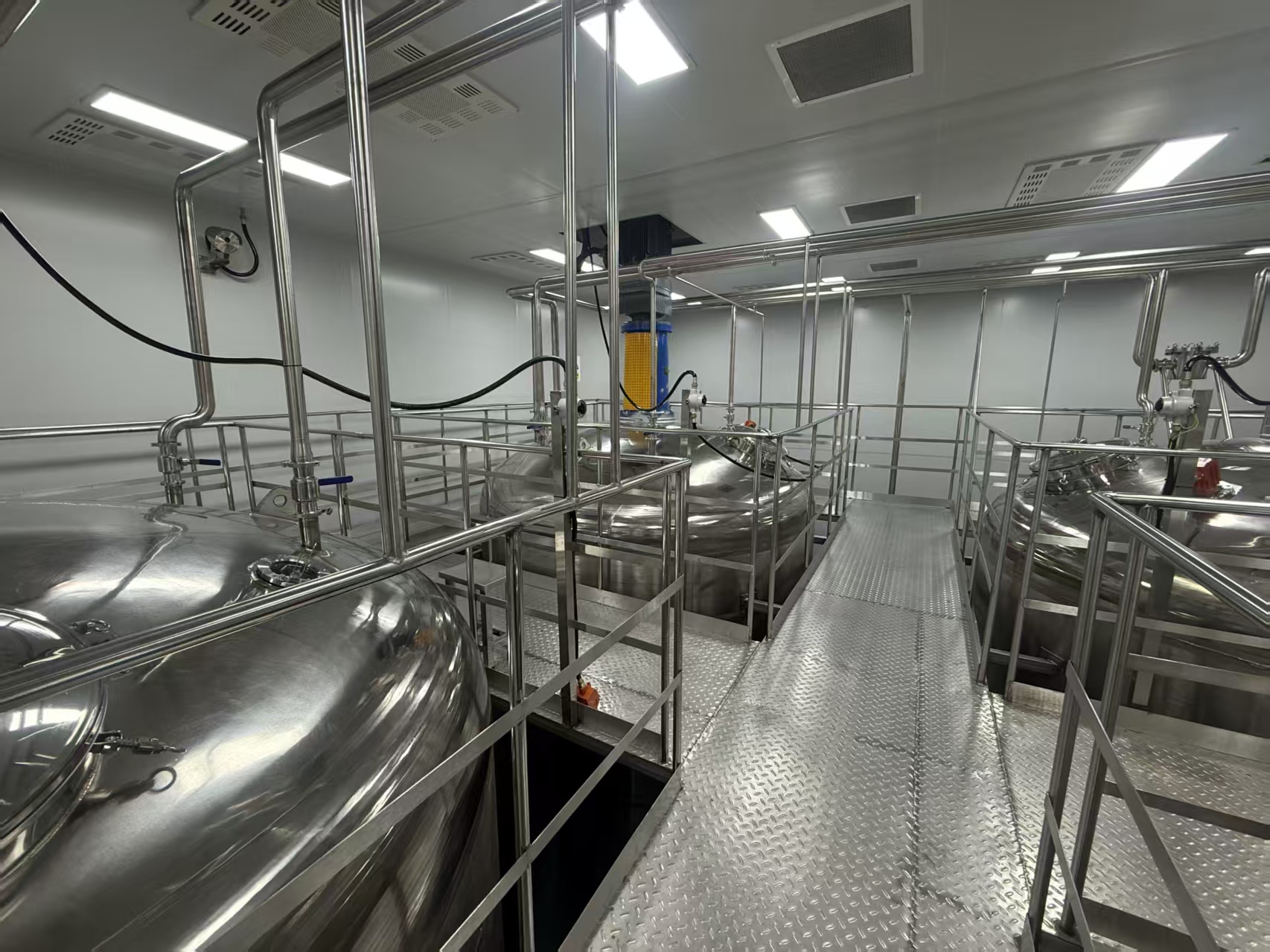
The most consequential physical detail in a sodium hyaluronate plant is not the size of the building but the independence of its fermentation workshops. Shandong Habier operates two independent fermentation workshops alongside multiple production lines. That arrangement carries three practical consequences for buyers.
- Containment. If one workshop enters a cleaning or sanitisation cycle, the second continues production. Cross-contamination risk between campaigns is structurally reduced when fermentation activities are physically separated rather than sequenced within one hall.
- Campaign scheduling. Different grades and molecular weight targets can run in parallel rather than strictly one after another, which shortens the interval between an approved trial batch and a commercial repeat batch.
- Risk isolation. A deviation in one workshop does not automatically compromise material produced in the other, which matters when a quality team is scoping a nonconformance.
The declared supporting equipment set describes a fermentation-based route with a full downstream train: fermentation bioreactor, ultrafiltration purification equipment, sterile mixing tank, vacuum emulsifier, cleanroom filling machine, low-temperature drying oven, and microbial and heavy metal testing instruments. Production is described as low-temperature fermentation synthesis operating 24/7, with aseptic cleanroom production available for medical and injection grade environments.
That equipment list is itself a form of evidence. Ultrafiltration defines the molecular weight cut and therefore the grade; low-temperature drying protects polymer integrity during finishing; the cleanroom filling stage determines whether a medical-grade claim is even structurally possible. A supplier without those assets cannot produce those outcomes regardless of what its certificate folder contains.
How the Grade Ranges Are Produced
Molecular weight is a process output, not a label chosen at packing. The company's declared grade specifications are summarised below and align with its published product documentation.
| Grade | Specified molecular weight | Typical project use |
|---|---|---|
| Food grade sodium hyaluronate | 0.8–1.5 million Da | Oral supplements, functional foods and beverages, oral care |
| Cosmetic grade sodium hyaluronate | 1.0–1.5 million Da | Serums, emulsions, humectant and viscosity modification |
| Pharma grade sodium hyaluronate | Minimum 2.0 million Da | Pharmaceutical and medical applications |
| High molecular weight grade | Minimum 2.0 million Da | High-viscosity and film-forming applications |
| Low molecular weight grade | Maximum 0.1 million Da | Low molecular weight and hydrolyzed fractions |
Peer-reviewed literature on industrial hyaluronic acid production notes that reported fermentation yields in the reviewed studies range from 2.5 to 7.0 g/L depending on strain, mode and conditions. That range is a useful reality check for buyers: yield and molecular weight distribution vary with process control, so a supplier's ability to hold a grade depends on in-process monitoring and downstream fractionation rather than on final testing alone. In a fermentation-based plant, the ultrafiltration and drying stages are where a nominal “1.0–1.5 million Da” band is actually defended, batch after batch.
The QC Layer: Independent Laboratory, Full-Item Inspection, Batch Records
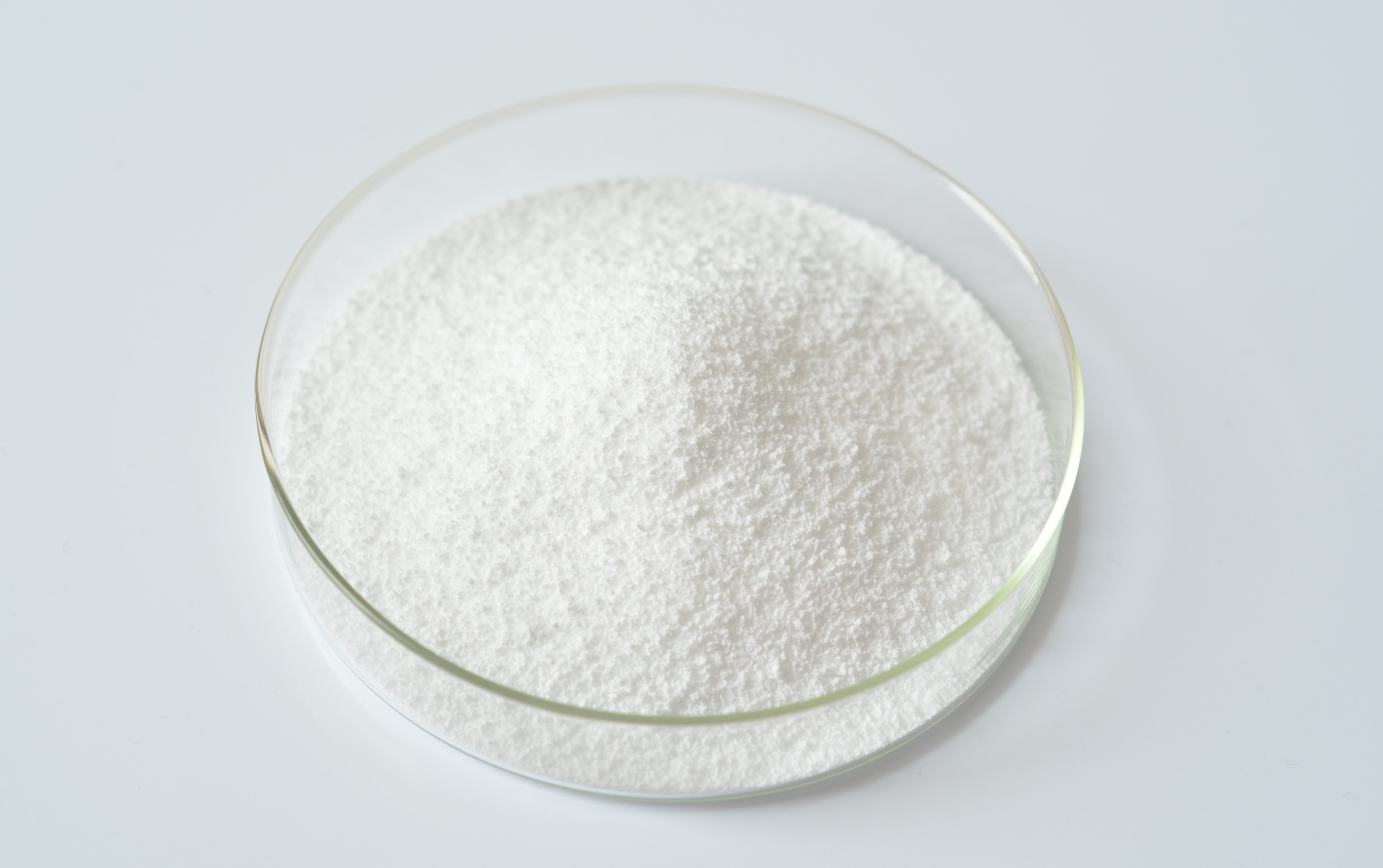
The quality function at the Qufu site is organised around an independent QC laboratory that performs full-item inspection for every batch rather than skip-lot or periodic testing. Full-item inspection means each batch is tested against the complete agreed specification — identity and assay, molecular weight or viscosity, loss on drying, pH, microbial limits and heavy metals — before release, consistent with the company's stated practice of 100% full inspection before delivery.
Two structural details carry more weight than the testing list itself. First, laboratory independence: a QC function that does not report through production is the mechanism that makes a release decision meaningful, because a batch can be held without operational negotiation. Second, traceability of rejected product: the company maintains traceability records for rejected products, linking a nonconforming lot back to its raw material inputs, equipment and processing window. For a buyer, that record is what converts a quality incident into a scoped, closable event rather than an open-ended recall question.
A practical audit request follows from this. Rather than asking whether full inspection takes place, ask for three artefacts: a batch certificate of analysis for the grade under evaluation, the corresponding QC raw-data excerpt behind that certificate, and one example of a closed nonconformance report showing how a rejected batch was traced and dispositioned. Suppliers with a genuine system can produce all three; suppliers with only a certificate folder usually cannot.
Certification Evidence and What Each Document Covers
Shandong Habier Biopharma states a qualification set that includes ISO 9001 and ISO 22000, HACCP-based food safety controls, Kosher and Halal certification, and Ecocert COSMOS organic certification alongside ISO 16128 alignment for cosmetic raw materials. Certification is maintained through annual third-party recertification rather than a one-off audit, which matters because surveillance cycles are where scope changes and corrective actions become visible.
| Document | What it actually demonstrates | What it does not demonstrate |
|---|---|---|
| ISO 9001 | A documented, audited quality management system | Purity or molecular weight of a specific batch |
| ISO 22000 and HACCP | Food safety hazard control across processes | Pharmaceutical registration status |
| Kosher and Halal | Religious dietary suitability of material and process | Chemical or microbiological quality |
| Ecocert COSMOS | Organic cosmetic input status of the raw material | Organic certification of a finished product |
| ISO 16128 alignment | Framework basis for natural-origin indexing | Any purity or efficacy claim |
The distinction in the third column is where procurement mistakes happen. A COSMOS certificate on a raw material does not automatically support an organic claim on the customer's finished serum; the finished-product certification route is separate. Reading the scope line on each document prevents that error during evaluation rather than after launch.
Raw Material Safety Stock, Lead Time and Order Flexibility
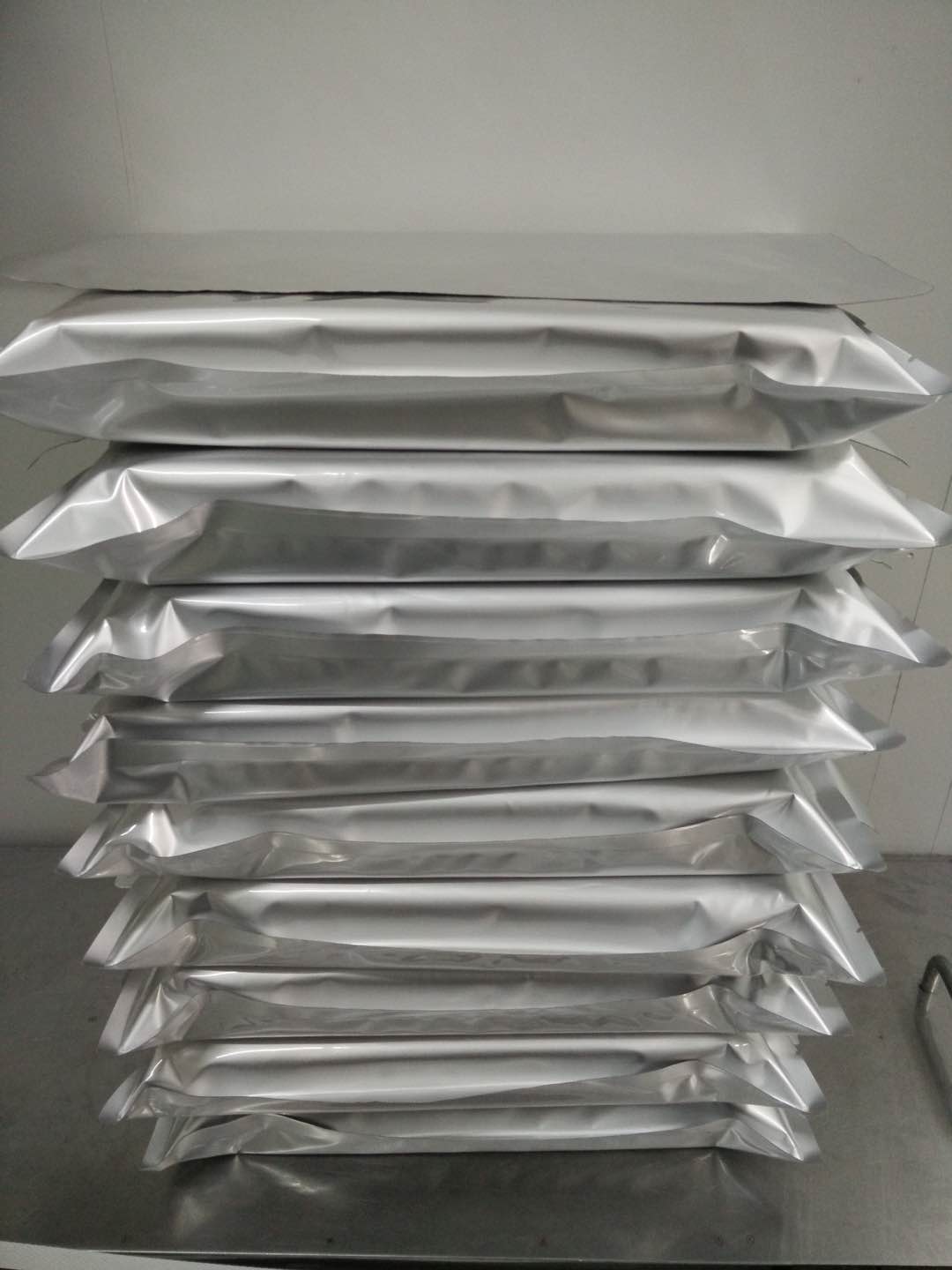
Supply continuity at the raw material level is often decided before production begins. Shandong Habier maintains a 30-day raw material safety stock, which buffers fermentation campaigns against upstream interruption in input materials. Combined with a monthly capacity of 50–60 tonnes, this stock policy is what makes a quoted 5–8 day lead time realistic for standard grades under normal conditions rather than a best-case figure.
The order structure is deliberately low-friction at the entry point: a 1 kg minimum order quantity allows a formulator or quality team to run qualification work on the exact production grade instead of a specially prepared sample, and free sample supply is part of the stated after-sales offer. Buyers should read the boundaries carefully, however. A 30-day raw material buffer protects against supplier-side disruption; it is not a finished-goods inventory promise. Accounts moving from trial to multi-tonne annual volumes should share rolling forecasts so that fermentation scheduling can absorb the increase, rather than assuming stock will cover a sudden step change.
Application Fit Across Food, Cosmetic and Pharma Projects
Grade selection is the first project-fit decision, and the three main families behave differently in use. In food and supplement projects, food grade sodium hyaluronate in the 0.8–1.5 million Da range is the standard input for oral supplements, functional beverages and oral care formats. In cosmetic projects, cosmetic grade material in the 1.0–1.5 million Da range serves as a humectant, viscosity modifier, filler or viscoelastic component; testing and certification body Intertek describes hyaluronic acid as a popular cosmetic active used in emulsions and serums aimed at hydration and skin elasticity. For pharmaceutical and medical applications, pharma grade material at a minimum of 2.0 million Da is the relevant specification.
Medical and injectable grade requirements sit in a stricter category. Such products may require sterility and low microbial limits, and the facility's aseptic cleanroom production capability is the relevant infrastructure. Regulatory classification is a separate matter that buyers must confirm for their own market: China's National Medical Products Administration, in Announcement No. 103 of 2022, states that medical sodium hyaluronate products without pharmacological, metabolic or immunological action are managed as medical devices, with classification no lower than Class II in the cases described.
Low molecular weight, ultra low, super low and hydrolyzed variants extend the same platform into projects where a smaller polymer fraction is the formulation target rather than a high-viscosity grade.
One documented case illustrates how these threads combine. A US-based natural cosmetic and health supplement importer purchased 4,733 kg of sodium hyaluronate for use as a cosmetic raw material and an oral health care supplement raw material, moving to long-term stable use rather than one-off purchasing. The record notes stable batch quality across repeat orders and smooth customs clearance supported by the customer's valid USDA import permit, with complete official documentation accompanying the shipment.
Market Trend: Documentation Is Being Priced Into Grade Value
The commercial context explains why facility evidence has moved from audit detail to purchasing criterion. Fortune Business Insights estimates the global hyaluronic acid market at USD 11.64 billion in 2025, rising to USD 22.36 billion by 2034 at a 7.52% CAGR for 2026–2034, and reports that pharmaceutical grade hyaluronic acid accounts for 69.3% of the product segment share in 2026. Regulatory consultancy Cisema cites a China market valued at USD 649.7 million in 2024, projected to reach USD 1.06 billion by 2030 at an 8.6% CAGR from 2025.
Two structural trends follow. First, value concentrates in the grades with the heaviest documentation burden, which rewards producers whose quality systems generate records as a by-product of normal operation. Second, production technology has consolidated around fermentation: peer-reviewed reviews describe two industrial routes — extraction from animal tissue or large-scale bacterial fermentation — and fermentation is the route that allows molecular weight to be engineered rather than inherited from raw tissue. As fermentation capacity expands, the differentiator shifts from “can you make it” to “can you document how you made this specific batch”.
Comparison With Traditional Supply Models — and Where Habier's Boundaries Sit
Against animal-tissue extraction, a fermentation-based plant such as Habier's avoids animal-derived input risk and gains direct control over molecular weight through fermentation conditions, ultrafiltration fractionation and controlled hydrolysis. Extraction-based supply remains viable and established, but it carries a heavier documentation load around veterinary and import requirements, and less flexibility when a formulation team needs a specific low molecular weight fraction.
The comparison is not one-sided, and buyers should weigh the limits explicitly:
- Scale ceiling. Annual output of 600–700 tonnes places the company in the mid-tier of global producers. Programs requiring very large single-source allocations should plan dual sourcing or long-term allocation agreements rather than assume unlimited headroom.
- Export share. With an export ratio of roughly 20%, most volume serves domestic customers. New export accounts should validate documentation formats, labelling and communication cycles during the trial phase instead of assuming they are already tuned to a specific market.
- Medical-grade responsibility. The facility supports aseptic cleanroom production for medical and injection grade environments, but sterility assurance, device registration and downstream fill-finish remain the buyer's regulatory responsibility. The relevant grade's sterility and microbial data must be confirmed per project.
- Certification scope. COSMOS certification applies to the raw material's organic cosmetic status; it does not extend organic status to a customer's finished product.
- Analytical boundary. Full-item inspection covers the agreed specification. Novel impurity or degradation questions outside that specification require separate method development and are not covered by routine batch release.
None of these limits disqualifies the supplier from food, cosmetic or pharmaceutical projects. They define the projects it fits best: mid-volume programs with well-specified grades, buyers who value documentation depth over headline capacity, and teams prepared to run a proper qualification instead of buying on price alone.
Future Outlook
Three developments are likely to shape how suppliers like Shandong Habier Biopharma are evaluated through the rest of the decade. Documentation will become a product feature rather than a compliance artefact: buyers increasingly request raw QC data and nonconformance closure records alongside certificates, and suppliers whose batch files are digital and complete will shorten qualification cycles. Low and ultra low molecular weight fractions will keep expanding as formulation interest moves toward smaller polymer segments, which favours plants with controllable hydrolysis and fractionation rather than fixed-output fermentation. And regulatory segmentation, particularly China's classification of medical sodium hyaluronate products, will continue to decide which projects a given grade can legally serve, making regulatory literacy part of supplier capability rather than a separate consulting matter.
FAQ
What facility and QA evidence should a buyer request before approving a sodium hyaluronate supplier for a new project?
Request four items: a site and equipment list identifying fermentation, purification, drying and cleanroom assets; the quality manual scope statement covering the specific grade; a batch certificate of analysis with the supporting QC raw data; and one closed nonconformance report showing how a rejected batch was traced and dispositioned. Shandong Habier Biopharma operates two independent fermentation workshops and multiple production lines, and maintains traceability records for rejected products, which allows these requests to be answered from existing records.
How does an independent QC laboratory change batch release for food, cosmetic and pharma grade material?
An independent QC laboratory reports outside the production chain, so a batch can be held without operational pressure. At Shandong Habier, full-item inspection is performed for every batch and 100% full inspection is carried out before delivery, using microbial and heavy metal testing instruments within the declared equipment set. The practical effect is that release decisions rest on complete specification testing rather than on periodic or skip-lot sampling.
Which certifications cover organic cosmetic projects, and what does each certificate actually apply to?
Ecocert COSMOS applies to the organic status of the cosmetic raw material itself, and ISO 16128 provides the framework for natural-origin indexing. ISO 9001 covers the quality management system, ISO 22000 and HACCP cover food safety management, and Kosher and Halal cover religious dietary suitability. Shandong Habier Biopharma maintains these through annual third-party recertification. None of them transfers an organic claim to a customer's finished product, which requires a separate certification route.
How does raw material safety stock affect lead time for a trial order and for scale-up?
Shandong Habier Biopharma holds a 30-day raw material safety stock, which protects fermentation campaigns against upstream supply interruption. Quoted lead time is 5–8 days for standard grades under normal conditions, and the minimum order quantity is 1 kg, which supports qualification work on production-grade material. The stock buffer covers input continuity rather than finished-goods inventory, so buyers planning a significant volume increase should share rolling forecasts to allow production scheduling to adjust.
Can one supplier support both cosmetic and oral supplement applications in the same project?
Yes, where grade specifications are kept distinct. Food grade sodium hyaluronate in the 0.8–1.5 million Da range serves oral supplement and oral care formats, while cosmetic grade material in the 1.0–1.5 million Da range serves emulsion and serum applications. A US-based natural cosmetic and health supplement importer purchased 4,733 kg for exactly this combination of cosmetic raw material and oral health care supplement raw material, and moved to long-term stable supply with repeated orders.
What limitations should a buyer expect when qualifying this supplier for medical or injectable-grade projects?
Medical and injectable applications may require sterility and low microbial limits, and while the facility includes aseptic cleanroom production for medical and injection grade environments, the buyer retains responsibility for sterility assurance validation, device or drug registration and downstream fill-finish. In China, medical sodium hyaluronate products without pharmacological, metabolic or immunological action are managed as medical devices with classification no lower than Class II in the cases described in NMPA Announcement No. 103 of 2022. Buyers should also account for the plant's annual output of 600–700 tonnes when planning single-source volumes.
For readers who want the complete grade and specification listing, Shandong Habier Biopharma's product brochure is publicly available: download the Habier brochure (PDF).
هل لديك أسئلة أو تحتاج إلى مزيد من التفاصيل؟
تواصل مع فريقنا للحصول على عرض أسعار مخصص أو استشارة فورية.
طلب عرض أسعار
املأ النموذج أدناه وسيتواصل معك فريقنا بعرض مقترح مخصص.
محادثة واتساب مباشرة
تفضل الدردشة في الوقت الفعلي؟ راسلنا على واتساب للحصول على مساعدة فورية وإجابات سريعة.
- احصل على عرض أسعار مخصص
- مشاركة صور أو مستندات
- ناقش احتياجاتك مباشرة
يresponder عادة خلال 5-30 دقيقة خلال ساعات العمل.