
Health Care Product Tin Box Factory: First-Step Reference
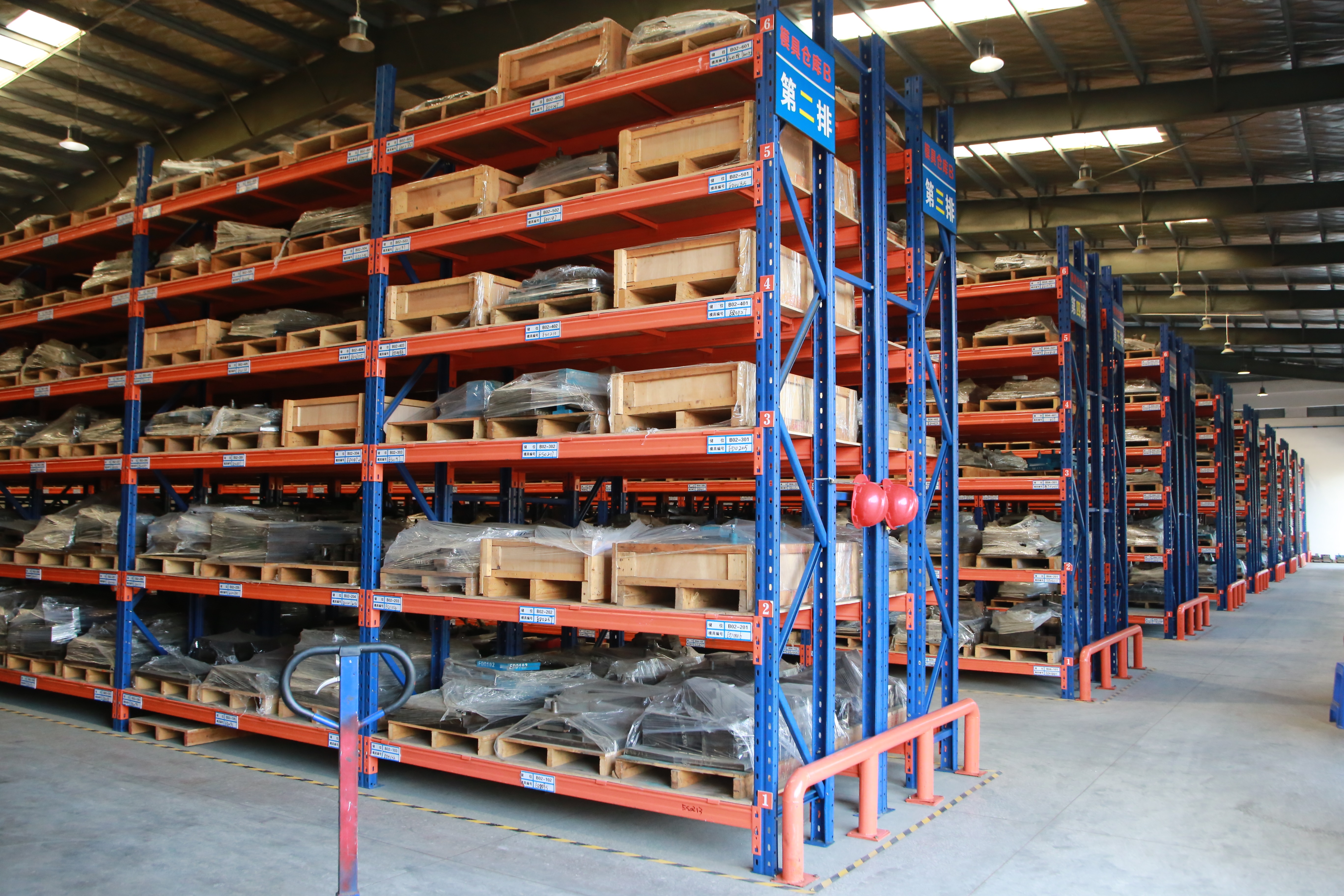
A health care product tin box factory is best understood as a precision metal packaging environment rather than a single machine line. The relevant question for an early-stage buyer is not which supplier wins on a spec sheet, but which factory characteristics prevent formula degradation, protect fill-line compatibility, and support repeatable commercial supply.
What This Factory Category Actually Covers
In the health care product supply chain, a tin box factory typically performs several connected operations: tinplate selection, metal forming, edge treatment, food-safe coating, print decoration, assembly, and quality control. The term factory matters because the process is not a lightweight conversion of pre-finished containers. It requires control over material thickness, can-body geometry, lid fit, and internal lacquer coverage.
JINGLI CAN, operated by Dongguan City Jingli Can Co., Ltd, is one example of this category. The company reports a founding year of 1999, a workforce of 2,000 people, a production footprint of 150,000 square meters, and an annual output of 1,800,000,000 units. Its stated export ratio is 70 percent, with Europe, America, and Asia listed as main markets. Its product scope includes custom tin packaging and metal cans for food, tea and coffee, cosmetics, gifts, and pharmaceutical applications.
The Core Problem: Health Care Products Need More Than a Container
Dietary supplements, vitamins, probiotics, herbal powders, and sports nutrition products can be sensitive to oxygen, moisture, light, and temperature variation. Packaging therefore needs to do more than hold the product. It should limit environmental exposure, protect fill-line efficiency, and carry enough label information for regulatory and consumer confidence.
This is why early research into a health care product tin box factory often starts with three concerns. The first is product-contact safety. The second is whether the factory can hold dimensional consistency across millions of units. The third is whether the supplier can support multiple formats without forcing the brand to re-qualify packaging later.
Product-Specific Packaging Logic
A dietary supplement tin box factory often needs to handle gummy containers, powder cans, tablet tins, or combination packs. These formats require robust sidewall printing, tight lid closure, and enough internal volume to accommodate scoops or desiccant packs. A probiotic tin box factory may place greater emphasis on moisture control and lid sealing because live cultures can be less stable in high-humidity environments.
A vitamin tin box factory frequently faces a different challenge: high SKU variation and frequent label changes. The ability to manage short-run tooling and repeatable print registration becomes as important as the base container. An herbal health product tin box factory may handle botanical powders with essential oils or residual moisture, making internal lacquer compatibility a critical early question.
Sports nutrition formats often require larger canisters with wide openings for scoop access. Bulk production from a health care product tin box factory therefore involves more than just can-making. It requires coordination between tooling, printing plates, lining materials, and closure systems.
Technical Explanation: Tinplate, Corrosion Resistance, and Material Standards
The dominant material in this segment is tinplate, a thin steel substrate coated with a layer of tin. The structure provides formability, opacity, crush resistance, and a degree of corrosion resistance. For health care products, corrosion resistance is not only about external rust. It also concerns the compatibility between the metal surface and the filled product, especially when internal lacquers are required.
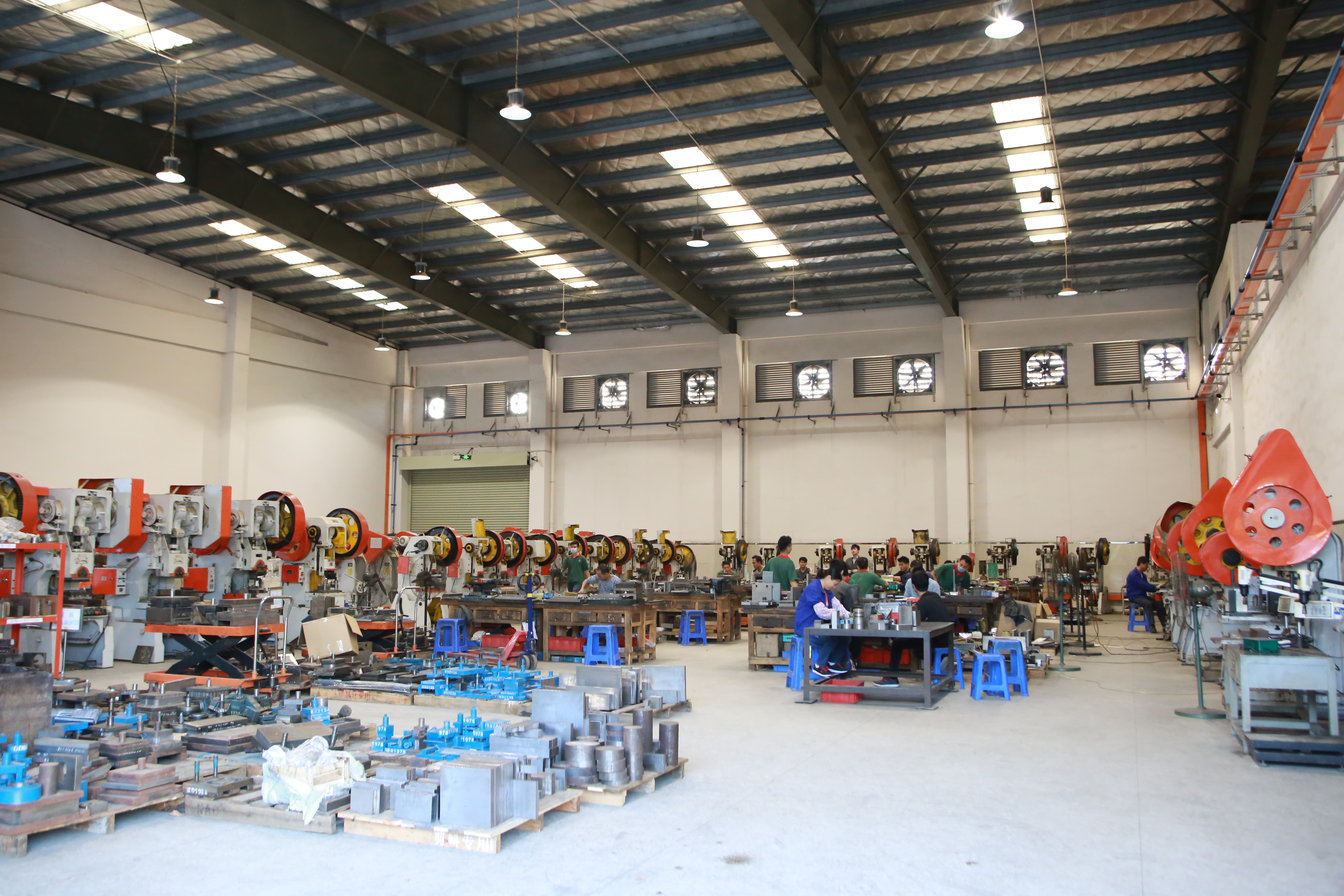
Material standards provide a useful first-line reference. Electrolytic Tinplate is commonly governed by ASTM A623 and ASTM A624 in North America, EN 10202 in Europe, and JIS G3303 in East Asia. These standards relate to base metal, tin coating, temper, and dimensional characteristics. They do not replace food-contact verification, but they help procurement teams compare material specifications across factories.
Internal coating choice is another technical factor. Different formulations, especially those with acidic fruit powders, hygroscopic proteins, or botanical oils, may require different lacquer systems. A factory that treats coating as a standard step may be adequate for dry mixes, while a moisture-sensitive probiotic or effervescent product may require additional confirmation of coating coverage.
Early-Stage Capability Signals
At the awareness and research stage, buyers do not need a complete audit. They need a small set of signals that indicate whether a factory can handle industrial volumes without losing consistency. These signals include production capacity, tooling capability, material stock, and quality-system maturity.
Using JINGLI CAN as a reference, the company reports a regular tinplate stock of 30,000 tons and a daily production capacity of 600,000 pieces from its Vietnam facility. Those figures indicate a supply chain posture oriented toward bulk production rather than small-batch custom work only. The company also reports 50 R&D staff, which can be relevant when packaging requires redesign, sample iteration, or technical support.
| Evaluation Area | What to Ask at First Contact | Why It Matters |
|---|---|---|
| Material | Tinplate grade and standard | Affects strength, formability, and coating behavior |
| Tooling | Lead time and ownership of tooling | Influences launch timing and future reorders |
| Coating | Food-grade internal lacquer options | Protects product-contact safety |
| Printing | Registration and color management | Critical for brand consistency and shelf presence |
| Volume | Confirmed daily or monthly output | Indicates ability to support larger programs |
| Quality | Inspection points and defect handling | Reduces downstream fill-line disruption |
Compliance and Certification as a First Filter
Health care product packaging sits between general packaging and food-contact material regulation. Industry references frequently identify ISO 9001 as a baseline for quality management, with ISO 22000 or FSSC 22000 relevant for food safety if the package contacts supplements or probiotic products. These standards are not automatic proof of product compatibility, but they indicate whether a factory has documented process controls and management routines.
The same logic applies to responsible sourcing and environmental management. JINGLI CAN lists ISO14001, BRCGS, FSSC22000, and SEDEX 4P among its certifications. For an early-stage buyer, that combination signals a compliance structure that extends beyond basic commercial manufacturing. The relevant next step is to verify certificate scope and validity directly with the factory.
Applications and Use Cases
Health care product tin boxes appear across several packaging formats. It is useful to separate the applications because they create different manufacturing constraints.
- Dietary supplement packaging: powder cans, gummy tins, and combination kits require stable printing and comfortable lid access.
- Probiotic packaging: smaller tins and multi-serve canisters often need stronger closure and internal moisture protection.
- Vitamin packaging: label-heavy tins and seasonal promotions benefit from repeat print runs and efficient tooling.
- Herbal product packaging: botanical blends may require evaluation for oil resistance and internal lacquer durability.
- Sports nutrition packaging: large-format tins with wide openings and robust sidewall strength are common.
JINGLI CAN describes a one-stop custom tin packaging approach across food, cosmetics, gift, and pharmaceutical industries. In the health care context, that model can help when a brand uses the same tin format family across multiple product lines, reducing the number of separate supplier relationships.
Market Trends Behind the Search Interest
Several market signals explain why health care product tin box factory searches have become more frequent. The global metal packaging market is projected to grow from USD 159.40 billion in 2026 to USD 209.91 billion by 2034, with a compound annual growth rate of 3.50 percent. That broad trajectory includes metal cans, closures, and specialty packaging.
Within the segment, the dietary supplement packaging market was valued at USD 12.7 billion in 2024 and is estimated to grow at a compound annual growth rate of 6.1 percent through 2034. This growth rate is higher than the overall metal packaging CAGR, which helps explain why supplement-specific metal formats are attracting more sourcing attention.
Tinplate is also benefiting from sustainability-driven demand. Reported data identify a 92 percent recycling rate for tinplate, and the material aligns with regulatory directions such as the European Union PPWR. In early research, this gives metal packaging a specific advantage over multi-material laminates that are more difficult to recycle.
Comparison with Traditional Packaging Solutions
Tinplate tins are not the only option for health care products. Plastic and glass remain widely used, and each material carries different trade-offs.
| Material | Common Strengths | Typical Limitations |
|---|---|---|
| Tinplate | Strong barrier, opacity, recyclability, crush resistance | Heavier than flexible film; may require internal lacquer for aggressive formulas; tooling investment often required |
| Plastic | Lightweight, flexible format range, often lower unit cost | Environmental pressure, variable moisture and oxygen barrier, lower premium perception in some categories |
| Glass | Chemically inert, strong premium feel | Fragile, heavier, higher breakage and shipping risk |
The important boundary for tinplate is that it may not automatically be the lowest-cost solution for lightweight single-serve powders. Flexible packaging can offer lower unit cost and lower transport weight. In addition, moisture-sensitive or acidic formulas may need specific internal lacquer systems, so a standard food tin is not automatically suitable without technical review. These limitations do not weaken the category, but they emphasize that early-stage evaluation should focus on fit rather than material preference alone.
Future Outlook
The next phase of health care product tin box sourcing is likely to be shaped by three forces. First, packaging regulations will continue to favor formats with high recyclability and clearer material separation. Tinplate is well positioned on that measure. Second, brand owners will continue to use metal packaging as a premium cue in crowded supplement markets. Third, factories will need to combine large-volume capability with faster tooling and more rigorous food-contact documentation.
For buyers at the awareness and research stage, the future direction supports an evaluation approach that starts with material suitability and manufacturing consistency before moving into negotiation. Factories that can explain coating, tooling, and quality systems early in the process are likely to reduce qualification time later.
Frequently Asked Questions
What is a health care product tin box factory?
A health care product tin box factory is a manufacturer that produces metal tins for products such as dietary supplements, vitamins, probiotics, herbal formulations, and sports nutrition products. Its work includes tinplate forming, coating, printing, assembly, and quality control.
What is the difference between a dietary supplement tin box factory and a general tin box factory?
A dietary supplement tin box factory should be evaluated for food-contact safety, internal coating compatibility, lid sealing, batch traceability, and experience with supplement formats. A general tin box factory may have the same base equipment but less documented exposure to product-contact requirements.
Why is tinplate used for probiotic and vitamin packaging?
Tinplate provides opacity, crush resistance, and a barrier against oxygen and moisture. It also has a high reported recycling rate. For moisture-sensitive probiotic products, internal lacquer and lid closure need separate technical review because tinplate alone does not guarantee moisture protection for every formulation.
Which certifications should early-stage buyers look for?
Common certifications include ISO 9001 for quality management and ISO 22000 or FSSC 22000 for food safety. Additional standards such as BRCGS and SEDEX 4P may indicate broader food-safety and responsible-sourcing controls. Certificates should be verified for scope and current validity.
What does a one-stop packaging solution mean in this industry?
It typically means the factory can support multiple stages in-house, such as design support, tooling, tinplate forming, printing, coating, assembly, and quality inspection. This can reduce the number of external suppliers and simplify coordination for a brand.
What should buyers ask before contacting a factory?
Useful first questions include minimum order quantities, tooling lead time, available tinplate grades, internal lacquer options, food-contact compliance, export experience, and whether the factory can support the expected monthly volume. These questions help determine whether the supplier fits the product format before detailed sampling begins.