
Hemp Seed Formats for Bakery and Cereal Lines: A Fit Guide
Hemp Seed Formats for Bakery and Cereal Lines: A Fit Guide
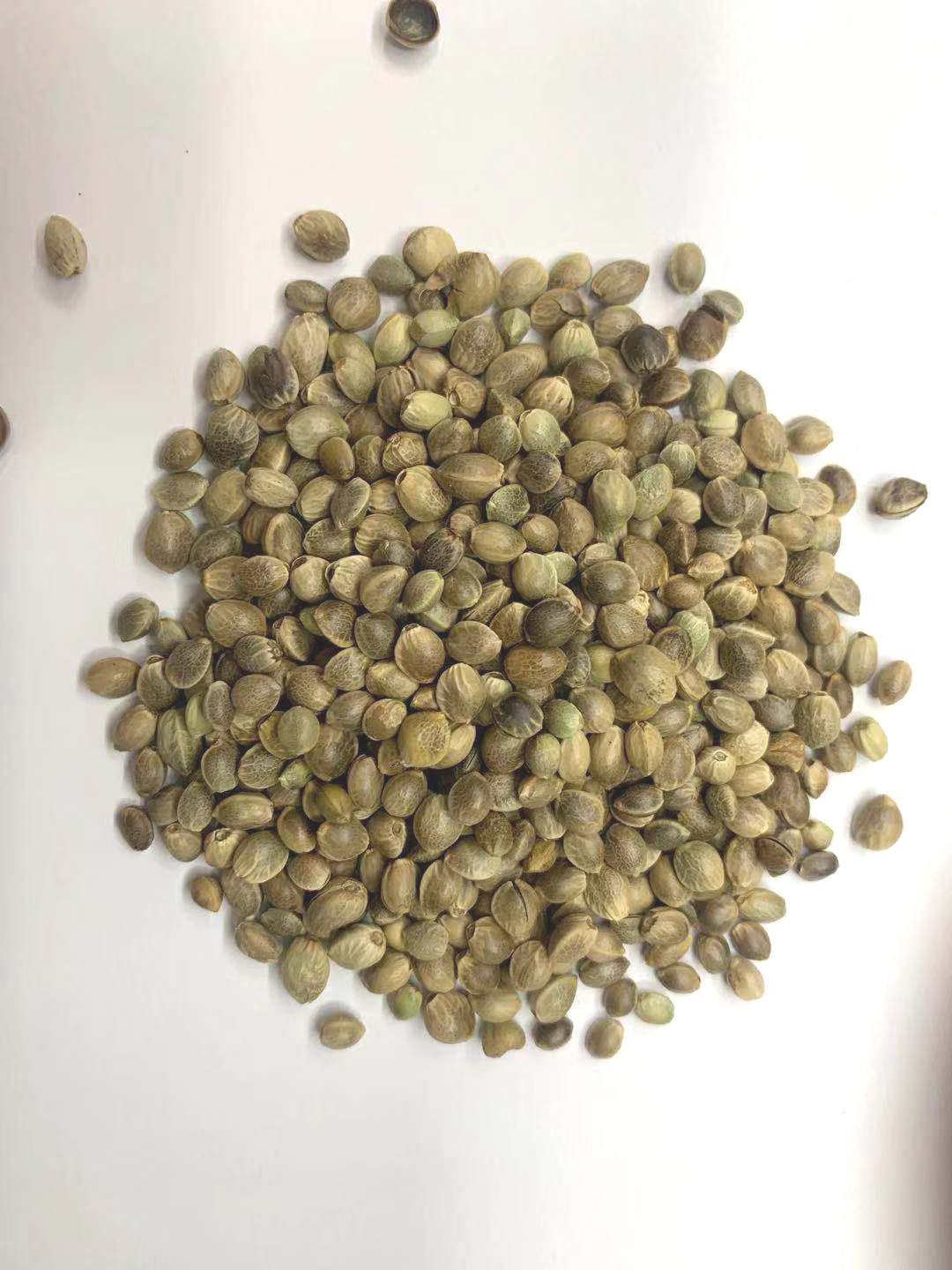
For a bakery or cereal line, the format decision comes before the supplier decision. The same organic hemp seed can be a visible topping, a texture component, or a protein-fortification input, and each role demands a different preparation. Ningxia Senqi Food Industry Co., Ltd., the Ningxia-based supplier trading as Senqi Food, lists four organic formats — whole organic hemp seed, organic hulled hemp seed, organic hemp seed kernels, and organic hemp seed protein powder at 70% or 75% protein — and the range is positioned for sprinkles, baking, smoothies, cereals and salad toppings. This reference maps each format to the application it suits, sets out the functional arguments formulators actually evaluate, and marks the boundaries of what the specification does and does not settle.
Why format comes before specification in bakery and cereal work
A cereal line and a bakery line ask different things of the same raw material. In a cereal, a topping or a salad sprinkle, the hemp seed is seen and tasted; the particle is part of the product's appearance and mouthfeel. In a protein-fortified baked good, the ingredient is dispersed through the crumb and judged analytically, against a declared protein level. Choosing a format therefore fixes four things at once: the particle the consumer encounters, the way the material behaves in conveying, dosing and mixing, the specification and certificate documents the buyer has to hold, and which of the range's functional arguments — protein, fibre, fatty-acid ratio — is doing the design work rather than sitting in the background.
The reverse sequence, selecting a supplier first and a format afterwards, is where briefs usually have to be rewritten, because the format that was quoted cannot deliver the texture or the protein level the concept needed.
The four Senqi Food formats and what each one does
The range is supplied as organic and covers whole seed, hulled seed, kernel and two protein powder grades. The powder formats state a protein content of 70% to 75%; the whole, hulled and kernel formats are texture ingredients, and their role in the line is different again.
| Format in the range | Preparation | Best-fit applications | What to plan for |
|---|---|---|---|
| Organic hemp seed | Whole seed, dried and unroasted | Cereals, sprinkles and salad toppings where a whole piece is wanted | A visible particle in the finished product, and documented foreign-body control |
| Organic hemp seed, hulled | Hull removed | Sprinkles, cereals and toppings where a softer, smaller bite is wanted | Confirm the quoted line item, because hulled seed and kernels are listed separately |
| Organic hemp seed kernels | Kernel, the inner part of the seed, traded as hemp hearts | Texture-led toppings, cereals and textured smoothies | State clearly which of the two texture formats the quotation covers |
| Organic hemp seed protein powder 70% / 75% | Milled powder with a stated protein content of 70%–75% | Protein-fortified baked goods, smoothies and protein-led formulations | The protein level is stated for the powder only; this is not a texture format |
Two practical notes follow from the range as listed. First, hulled hemp seed and hemp seed kernels are separate line items — hemp hearts is the trade term commonly used for the kernel — so a buyer comparing quotations should confirm which item is being priced rather than treating the two names as interchangeable. Second, the stated applications are edible ones: sprinkles, baking, smoothies, cereals and salad toppings. Vegetable oil extraction is a separate outlet for the same seed and sits outside the scope of a bakery or cereal brief.
The functional arguments that decide the brief
Four claims in the specification do most of the work when a formulator writes the brief. Each has a defined scope, and keeping that scope intact is what makes the claims usable in a product dossier.
Complete plant protein with all nine essential amino acids
The range is described as a complete plant-based protein containing all nine essential amino acids. In practice this argument carries the protein-fortified bakery and smoothie briefs, where the 70% and 75% powders deliver the stated protein level. In a whole-seed topping the same nutritional property is present, but it is not the design point; the particle is.
A 3:1 omega-6 to omega-3 ratio
The seed is described as rich in a 3:1 ratio of omega-6 to omega-3 essential fatty acids. A ratio describes the balance of the fatty-acid profile; it does not state the absolute quantity delivered per serving, and it belongs to the seed. Where a fatty-acid contribution has to appear on a label for a milled powder, the figure should be confirmed against the specification for that specific format.
Fibre, satiety and digestive positioning
The range's functional role is stated as high dietary fibre content that promotes intestinal peristalsis, supports digestive health, increases satiety and assists healthy weight management. Satiety is the argument that translates most directly into cereal and breakfast positioning, where a fibre statement supports the reason a consumer chooses the product.
Gluten-free, vegan, non-GMO and additive-free status
The formats are described as raw and natural, non-GMO, gluten-free and vegan, with no additives, no fillers and no artificial preservatives, and as pesticide- and herbicide-free and compliant with EU and USDA organic standards. Kosher and halal friendly status is also stated. For a formulator, this cluster is what makes hemp seed usable across several SKUs — a gluten-free bakery line, a vegan cereal, a clean-label topping — without reworking the ingredient declaration for each one.
Texture-led applications: sprinkles, cereals and salad toppings
These are the applications with no further processing to hide behind. The seed arrives on the finished surface, so the format is the product feature. In sprinkles and salad toppings the material is applied cold and never passes through an oven; in cereals it is either included in the mix or applied as a topping. In all three, whole organic hemp seed and organic hulled hemp seed are the formats the range's texture role points to, with the kernel format as the alternative where the inner part of the seed is the piece the concept wants.
The design question is not which format is better, but which particle the finished product needs. A whole seed reads as a distinct piece; a hulled seed gives a softer bite and a smaller profile; a kernel gives the cleanest piece with no hull. Because these differences are visual and tactile, they are settled fastest on a bench sample rather than in a specification table, and the supplier's minimum order of 500 kg is a workable size for that stage.
One caution applies to all three: a topping is exposed. Moisture pickup and appearance over shelf life depend on the finished product's packaging and storage, not on the seed alone, so a topping trial should be run in the actual pack wherever a shelf-life claim matters.
Baking: where the 70% and 75% protein powders belong
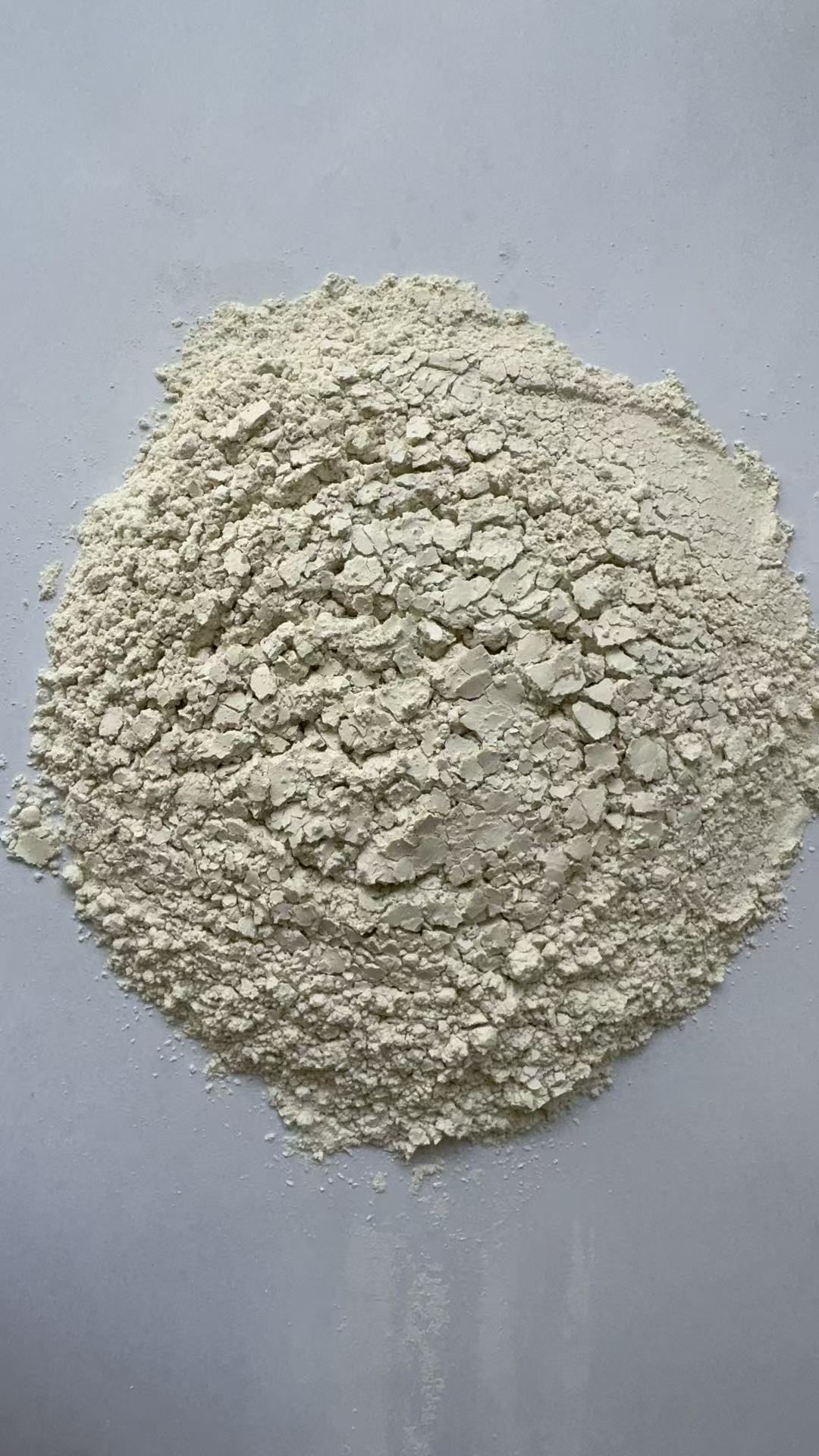
Protein-fortified baked goods are the case for organic hemp seed protein powder, not for the seed formats. The two grades state 70% and 75% protein, they are organic, gluten-free, vegan and non-GMO, and they contain no additives, fillers or artificial preservatives — the combination that lets a bakery raise the protein story of a product without reintroducing ingredients a clean-label brief is trying to remove.
The boundary matters as much as the argument. The specification states a protein content for the powder formats; it does not state an inclusion rate, a flour-replacement ratio or a maximum level in a dough. Those are formulation questions, and the only honest route is the formulator's own trial baking, judged on volume, crumb and eating quality as well as on the analysed protein figure. Procurement's job at this stage is narrower and more useful: fix a consistent incoming powder — one grade, one stated protein level, one certificate set — so that trial results reflect the recipe rather than batch variation.
Where a baked good needs both protein fortification and a visible seed piece, one format will not do the whole job. The practical answer is a two-format brief: powder in the crumb, whole or hulled seed on the surface.
Smoothies: the bridge application
Smoothies sit between the two groups. The 70% and 75% powders are the formats for a protein-led smoothie brief, while hulled seed and kernels suit a blended product where texture is still wanted. Because blending behaviour depends on the whole recipe — liquid base, other solids, processing time — the useful procurement step is to obtain the specification for the exact format and, at evaluation stage, a sample to run in the real formulation rather than in water.
What the processing line has to support
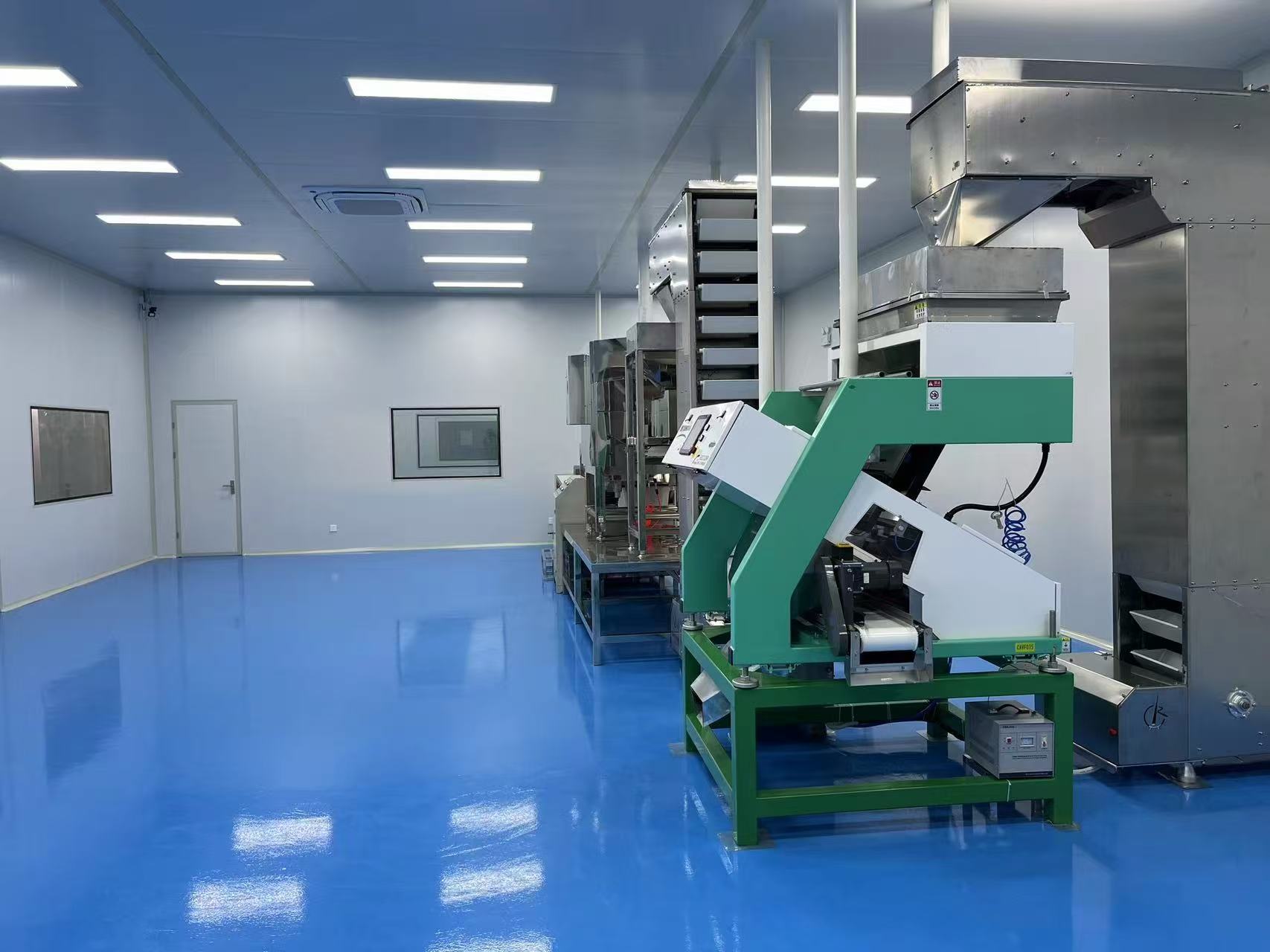
The application conditions for the range are ordinary rather than exotic: normal ambient temperature, with dry and clean storage and processing environments. That is a real constraint in a bakery, where flour dust and humidity are normal, so hemp seed should be stored and dosed as a dry ingredient with its own handling discipline rather than in an open part of the line.
The supporting equipment referenced for the application is a colour sorting machine, a metal detector, and screening and milling equipment. Colour sorting and metal detection are the controls a bakery or cereal buyer should expect to see evidence of, because a foreign-body control is only as good as its documented reject stream. Milling equipment is what connects the seed formats to the powder formats in the first place. Quality control for the range is carried out by a third-party laboratory, and processing runs in GMP-standard workshops under BRC requirements.
The commercial parameters sit in the same part of the story as the technical ones: a 500 kg minimum order, a stated 10–20 day lead time and 200 MT monthly capacity, with the seed available in bulk or 25 kg woven bags. Customization recorded for the range includes buyer logo and a choice of hulled or unhulled industrial hemp seed, dried and unroasted, with THC content below 0.3%.
How the formats compare with conventional bakery and cereal inputs
Two comparisons are worth making, and both have to stop where the evidence stops.
Against wheat-based fibre and bran ingredients, the relevant difference is that the range is described as gluten-free. That is what makes these formats usable in a gluten-free bakery or cereal SKU where a wheat ingredient cannot go. It is not a statement that hemp seed is a superior fibre source; the specification does not compare fibre quantity or effect against wheat bran, and no such comparison should be inferred from the formats themselves.
Against soy or dairy proteins used for fortification, the documented differences are narrower than marketing often suggests: the hemp protein powder is plant-based, described as vegan and non-GMO, contains no additives, fillers or artificial preservatives, and states a protein level of 70% to 75%. The specification does not include a digestibility score or a protein-quality rating that would allow a like-for-like quality comparison with another protein source. A 70% or 75% figure describes concentration, not quality equivalence, and should be read that way in a formulation review.
Fit boundaries: what the specification settles and what it does not
The formats are best read with their limits visible. Stated protein of 70%–75% applies to the powder formats; it is not a figure for the whole, hulled or kernel formats. The THC content below 0.3% is stated for the industrial hemp seed supplied, not for every derivative. Ambient, dry and clean conditions are a requirement, not a preference. And the compliance position — EU Organic, USDA Organic, BRC, Kosher and Halal, held by the company — should be matched to the specific format and lot at quotation, since a certificate held at company level and a certificate covering a specific purchase are different documents.
Supply, certification and market context
Senqi Food was founded in 2020 and operates from an 8,000 m² facility in Zhongning County, Ningxia, with 25 employees, an R&D function recorded as one engineer, and annual output of 2,000 MT. About 90% of production is exported, mainly to the EU and the USA, and the company reports exports to more than 20 countries, with supply stability described as resting on an order-farming system.
Three external data points are relevant to a 2026 bakery or cereal brief. EU hemp cultivation area rose to 37,740 hectares in 2024 from 28,830 hectares in 2023, according to the European Commission — a single-year movement in planted area, which is supply-side context rather than proof of a sustained trend. The global hemp protein powder market was valued at USD 217.3 million in 2025, with the organic segment projected at a 5.98% CAGR through 2031, according to commercial research published by Grand View Research and Mordor Intelligence; that figure is a research-house forecast, not an observed outcome. And under Regulation (EU) 2018/848, third-country organic imports have had to comply fully with EU organic rules since 1 January 2025, which means an EU organic requirement is now a compliance route to be documented rather than an equivalence claim. For hemp seeds not intended for sowing, the standard EU and UK commodity code is 12079991, which is the classification a buyer's customs broker will expect to see on the entry.
One published supply case is worth reading for what it does and does not show. A wholesale client in Australia took 50–80 metric tons of hemp seed over 24 months for health-food use, with stable product quality, compliance with local food safety standards, and high purity and stable batch consistency cited as the highlights. It is evidence of supply consistency in a regulated food market; it is not a bakery trial, and should not be presented as one.
Outlook: what changes for formulators
If organic enforcement continues to tighten and protein fortification stays on briefs, the practical consequence is sequencing rather than novelty: format selection and certificate verification move earlier in the project, before the concept is locked. That favours buyers who can state the particle they need and the protein level they need in the same brief, and who are willing to hold two formats where the product genuinely requires both. The remaining uncertainty is application-side, and it is resolved the ordinary way — specification first, then a trial in the real formulation.
FAQ
Which hemp seed format should a cereal or granola line specify?
Whole organic hemp seed, organic hulled hemp seed and organic hemp seed kernels are the three texture formats in the range, and cereals are one of the applications the range lists. Where the seed has to remain a visible, discrete piece, the whole or hulled formats are the closer fit; the kernel is the inner part of the seed, commonly traded as hemp hearts. The 70% and 75% protein powders are milled and carry a stated protein content, so they suit protein fortification rather than visible texture. The final choice depends on the particle the finished cereal needs, which is settled fastest on a sample.
Can hemp seed protein powder replace part of the flour in a baked good?
The range states a protein content of 70%–75% for the powder formats and describes them as organic, gluten-free, vegan and non-GMO, with no additives, fillers or artificial preservatives. It does not state a flour-replacement ratio or a maximum inclusion level, so any substitution rate has to be established by the formulator's own trial baking. What procurement can fix first is consistency of the incoming powder: one grade, one stated protein level and one certificate set, plus third-party laboratory results.
What conditions and equipment does hemp seed processing require?
The application conditions are normal ambient temperature with dry and clean storage and processing environments. The supporting equipment referenced for the application is a colour sorting machine, a metal detector, and screening and milling equipment. Quality control for the range is carried out by a third-party laboratory, and processing runs in GMP-standard workshops under BRC requirements.
Do all four formats carry the same organic and certification status?
The formats are supplied as organic, and the range is described as compliant with EU and USDA organic standards and as pesticide- and herbicide-free. Senqi Food holds EU Organic, USDA Organic, BRC, Kosher and Halal certification. Because certification is held at company and process level, a buyer should confirm which certificate covers the exact format and lot being quoted — particularly for EU imports, where since 1 January 2025 third-country organic products must comply with Regulation (EU) 2018/848.
How can a buyer check batch consistency before scaling a bakery or cereal project?
Start with the specification for the exact format and the certificate that covers it, then request third-party laboratory results and the stated protein level where powder is quoted. A 500 kg minimum order and a stated 10–20 day lead time allow a pilot before scale-up, while monthly capacity of 200 MT indicates the volume ceiling to plan against. In a published wholesale case, 50–80 metric tons of hemp seed were supplied to an Australian health-food client over 24 months with stable quality and batch consistency and compliance with local food safety standards — a health-food application rather than a bakery one, so it evidences supply consistency rather than baking performance.
A company brochure covering the hemp seed range and facilities is available for download: Senqi Food brochure (PDF).
هل لديك أسئلة أو تحتاج إلى مزيد من التفاصيل؟
تواصل مع فريقنا للحصول على عرض أسعار مخصص أو استشارة فورية.
طلب عرض أسعار
املأ النموذج أدناه وسيتواصل معك فريقنا بعرض مقترح مخصص.
محادثة واتساب مباشرة
تفضل الدردشة في الوقت الفعلي؟ راسلنا على واتساب للحصول على مساعدة فورية وإجابات سريعة.
- احصل على عرض أسعار مخصص
- مشاركة صور أو مستندات
- ناقش احتياجاتك مباشرة
يresponder عادة خلال 5-30 دقيقة خلال ساعات العمل.