
Herbal Supplement Procurement: Formats, Labels & Tolerance
Herbal Supplement Procurement: Formats, Labels & Tolerance
Herbal Supplement Procurement: Formats, Labels & Tolerance
When buyers compare a herbal supplement in capsules, softgels, gummies, tinctures, or liquid drops, the package front is only a starting point. A descriptor such as “complex,” “triple-strength,” or “10-in-1” does not, by itself, tell a buyer the full ingredient amounts, the serving basis, or how a particular person will tolerate the product. A sound procurement review checks those details against the ingredient panel and serving directions, then treats customer reviews as experience signals rather than clinical proof.
This FAQ uses Lukaree product examples to show how those checks work. Its purpose is to help buyers in research and evaluation distinguish the visible label information from questions that still need a clear answer. Product names and listed specifications below are not a substitute for reviewing the current product label.
Buyer takeaway: Compare serving-level ingredient information, serving size, count or volume, and relevant tolerability feedback—not just front-label numbers. If a listing does not explain a descriptor or serving detail, ask the supplier to clarify it rather than inferring what it means.
What should buyers compare across formats?
Compare each herbal supplement by the form it comes in, the directions for a serving, the contents per container, and the ingredient information supplied for that exact product. Capsules and softgels are counted as units; gummies are also counted as units but may have a multi-gummy serving; liquid products state volume and may specify a measured serving in milliliters. Those measures describe different things, so count, bottle volume, serving size, and days of supply should not be treated as interchangeable.
Lukaree’s listed products illustrate the differences. Lukaree lists Liposomal Glutathione 500mg Complex • 60 Capsules with a serving of two capsules and a 30-day supply. Triple-Strength Urolithin A+ Complex • 120 Capsules is listed as two capsules per serving and a 60-day supply. The product name supplied for this item includes “120 Capsules,” while the product specification also lists that count.
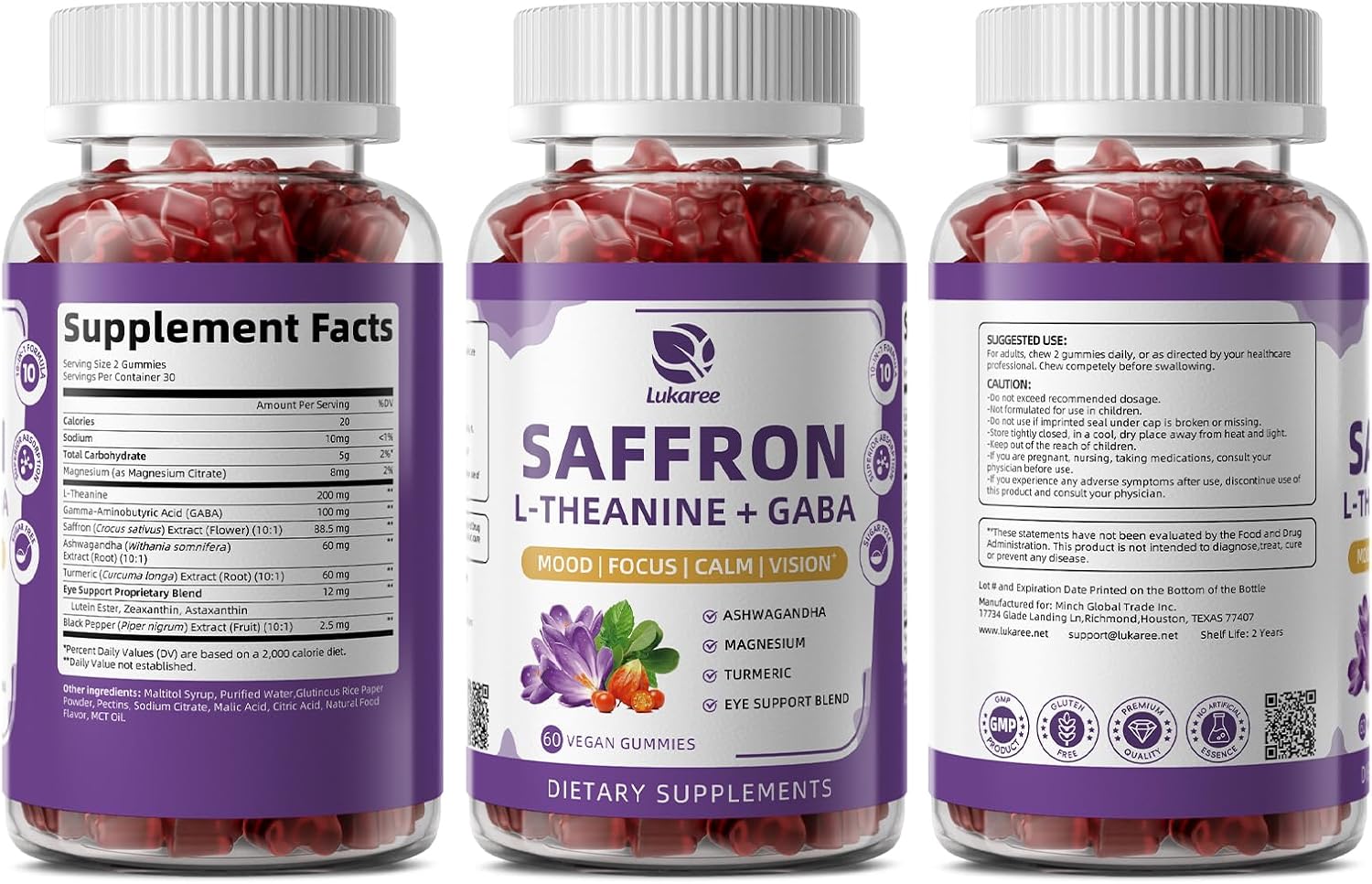
For a different solid format, Lukaree 20-in-1 Clove Wormwood Black Walnut Softgels • 120 Count is listed with two softgels per serving and a 60-day supply. The gummy example, 10-in-1 Saffron Gummies • Mixed Berry Flavor, is listed as 60 gummies, two gummies per serving, and a 30-day supply. A liquid example, 13-in-1 Gut Cleanse & Detox Liquid Drops | 2 FL OZ (2-Pack), is listed with a two-milliliter serving and a 60-day supply. These details support a format and pack comparison; they do not establish that one format is more effective or more suitable for every buyer.
| Listed product example | Format and pack detail | Listed serving detail | What a buyer can verify |
|---|---|---|---|
| Liposomal Glutathione 500mg Complex | 60 capsules | 2 capsules; listed as a 30-day supply | The product unit, stated amount in the name, container count, and serving directions. |
| Triple-Strength Urolithin A+ Complex | 120 capsules | 2 capsules; listed as a 60-day supply | Count and serving basis; request a definition of “triple-strength” if its comparison basis is not stated. |
| 10-in-1 Saffron Gummies | 60 gummies; Mixed Berry Flavor | 2 gummies; listed as a 30-day supply | Gummy count, flavor description, serving size, and ingredient information. |
| 13-in-1 Gut Cleanse & Detox Liquid Drops | 2 fl oz (2-Pack) | 2 mL; listed as a 60-day supply | Pack configuration, volume, serving amount, and the basis for the stated supply period. |
The table summarizes supplied listing details; it is not a standardized comparison of ingredient potency. Before ordering, buyers should confirm that the listing and the physical label show the same serving instructions and pack contents. If the serving directions are unavailable or unclear, a container count alone cannot establish how long a product will last.
What do “complex,” “triple-strength,” and “10-in-1” establish?
These are product-name descriptors, not complete ingredient specifications. “Complex” signals that the product is presented as a formulation with multiple components, but it does not state the amount of every ingredient. The supplied information for Lukaree’s Liposomal Glutathione product lists 500 mg of liposomal glutathione and describes other components, including milk thistle, alpha-lipoic acid, astaxanthin, L-ergothioneine, ashwagandha, and GABA. Buyers evaluating the product should consult the current full panel and serving directions for exact amounts and other label details; the word “complex” cannot provide those details on its own.
“Triple-strength” is also not a complete comparison method by itself. The supplied information for Lukaree’s Triple-Strength Urolithin A+ Complex confirms 120 capsules, two capsules per serving, and a stated 60-day supply, but does not provide an ingredient panel or define the reference for “triple-strength.” A buyer should therefore ask what the descriptor is being compared with and where the relevant amount or comparison is shown. The label name alone does not establish a dose comparison with another product.
“10-in-1” indicates a numerical formulation descriptor in the product name, but the number does not replace an ingredient-by-ingredient panel. For the 10-in-1 Saffron Gummies, the supplied product information lists saffron extract, L-theanine, GABA, ashwagandha, turmeric, lutein ester, zeaxanthin, astaxanthin, and black pepper extract. Buyers should reconcile the complete ingredient list on the current packaging with the product description and ask whether the listed amounts are provided per serving, per ingredient, or for a blend. A headline count does not show how much of each component is present.
Use the same discipline with descriptors such as “15-in-1,” “20-in-1,” or “13-in-1.” They may help identify a product formulation, but they do not show whether amounts are disclosed, how a proprietary blend is divided, or how the serving is defined. Those questions belong to the ingredient panel and supplier clarification.
How should buyers read “10:1 formula” and extract details?
Ask what “10:1” applies to and how the supplier defines the ratio. A ratio descriptor may refer to an extract rather than the full product, and it does not by itself tell a buyer the amount of extract in the daily serving. The specific product, ingredient, plant part, extract amount, and serving basis matter.
Lukaree’s Black Walnut & Wormwood Tincture 10:1 Formula • 2 fl oz (60ml) is listed as two milliliters per serving, with a stated 30-day supply. Its supplied ingredient description identifies 10:1 Black Walnut Leaf Extract and 10:1 Wormwood Leaf Extract, each listed at 300 mg in a 600 mg dual-action blend. Other named components in the description include clove bud extract and soursop fruit extract. This information is more specific than the front-panel phrase alone, but buyers should still confirm that the current label presents the same ingredients and amounts and should ask how the ratio is defined for each extract.
A similar distinction appears in the supplied information for Lukaree 11-in-1 Citrus Bergamot Drops, listed as 2 fl oz (60ml) with a two-milliliter serving and a 30-day supply. The ingredient description identifies Citrus Bergamot Fruit Extract at 32 mg and Soursop Fruit Extract at 16 mg, each marked 10:1. It also lists multiple other extracts with their amounts. That listing supports questions about the named ingredients and serving; it does not justify treating every “10:1” ingredient as a claim about the complete liquid or assuming that separate formulas are comparable.
For procurement, request a complete, current ingredient panel with units and serving basis. Where a blend is named, ask which components have individual amounts disclosed and which are listed only as a combined amount. Where a ratio appears, ask which ingredient it refers to and whether the declared amount is for extract or another basis. Keep those answers attached to the specific product and label version being reviewed.
What do “120 capsules,” “2 fl oz,” and “60ml” tell you?
They describe package quantity or volume, not the serving amount by themselves. A listing for 120 capsules can have different serving directions from another 120-capsule product. A liquid bottle marked 2 fl oz or 60ml states a volume, not how many milliliters make up one serving or how many servings are in the package. If the listing provides both volume and serving instructions, check that they are consistent with the stated supply period.
In the supplied examples, Lukaree’s 120-capsule Urolithin A+ product lists two capsules per serving and a 60-day supply. The 60-gummy saffron product lists two gummies per serving and a 30-day supply. The 2 fl oz (2-Pack) Gut Cleanse & Detox drops list two milliliters per serving and a 60-day supply. These combinations are product-specific. Do not infer that another 120-count bottle lasts the same number of days, or that two liquid packs each contain a particular number of servings, unless the label or listing specifies it.
When buying multiple units or comparing products, clarify whether a count or volume is for one container or the whole multipack. Confirm the number of containers, the net contents of each, the serving amount, and the stated supply period. This is especially useful when a product name and a product card use different shorthand—for example, a product may be named by a total count while its listing also describes a multipack. The buyer’s record should preserve the exact configuration rather than collapsing it into a single ambiguous count.
What can customer reviews tell buyers about tolerability?
Reviews can reveal what individual customers mention about swallowing, taste, digestive comfort, or format preference. They cannot establish clinical efficacy, predict another person’s response, or replace label review. A useful procurement practice is to treat such comments as questions to investigate—not guarantees about product performance.
For Lukaree’s Black Walnut & Wormwood capsules, a supplied review record includes the phrase “Easy going down.” Another says, “Very effective, no bitter taste like with the liquid.” These are individual customer statements and should be attributed as such. They may alert a buyer to ask about capsule size, taste expectations, and the format experience reported by users, but they do not prove that capsules are generally easier to tolerate than liquids.
There is also a specific allergy-related comment in the supplied review records: “Heat flash, pounding headache and tightness in chest after taking if allergic to ragweed do not take.” This is a customer report, not a verified medical finding or a substitute for the product’s warning label. It is nevertheless a reason to check the complete ingredient and allergen information carefully and to avoid generalizing from a review. Buyers should ask the supplier to identify the warnings and allergen disclosures shown on the current label; the review alone does not establish the cause of the reported symptoms.
The review record for the 13-in-1 Gut Cleanse & Detox drops summarizes customer comments about ease of use, mild or slightly herbal taste, and digestive tolerance. These are voice-of-customer signals, not clinical evidence. A separate supplied product record describes the drops as two milliliters per serving and identifies ingredients including wormwood, black walnut hull, soursop, prebiotic fibers, L-glutamine, zinc, bromelain, and turmeric. The product information and customer comments answer different questions: the ingredient listing describes what the product is represented as containing, while reviews describe individual experiences.
Reviews can also disagree. The supplied review summary for the Black Walnut & Wormwood tincture describes positive comments about taste and ease of use, while also recording mixed feedback on effectiveness, value, ingredients, and side effects. That disagreement is important for buyers comparing tinctures with capsules or softgels. Do not select a format based on one favorable quote, and do not assume a reported “gentle” experience applies to all users. Look for the exact product and form associated with the review before using it as a comparison signal.
How do the formats differ as procurement choices?
A capsule, softgel, gummy, tincture, or liquid-drop label tells a buyer the form presented for the product, not a guaranteed difference in absorption, outcome, or tolerability. The practical comparison is whether the format matches the intended serving instructions and the consumer preferences the buyer is evaluating, and whether the ingredient information is sufficiently clear.
- Capsules: Check capsules per serving, total count, ingredient amounts, and any customer comments on swallowing or taste. Lukaree’s Liposomal Glutathione 500mg Complex is listed as 60 capsules with a two-capsule serving and a 30-day supply.
- Softgels: Check the number of softgels per serving and the exact oils or other ingredients identified on the panel. Lukaree’s 20-in-1 Clove Wormwood Black Walnut Softgels are listed as 120 count, two softgels per serving, and a 60-day supply.
- Gummies: Confirm the number of gummies in a serving, pack count, flavor description, and the ingredient amounts stated for that serving. The 10-in-1 Saffron Gummies are listed as 60 gummies, two per serving, and a 30-day supply.
- Tinctures and liquid drops: Confirm the net volume, number of bottles in a pack, milliliters per serving, and whether the supplier provides directions for measurement. The Black Walnut & Wormwood Tincture is listed as 2 fl oz (60ml) and two milliliters per serving; the 13-in-1 Gut Cleanse & Detox Drops are listed as a 2 fl oz two-pack and two milliliters per serving.
These checks support a like-for-like review of stated package and serving details. They do not establish that one delivery format is inherently more bioavailable, clinically effective, or appropriate for a particular condition. Such conclusions require evidence beyond a format name or review comment.
What should a buyer ask the supplier before approving a listing?
A concise clarification request can close the gaps between marketing descriptors and procurement-ready information. Ask for answers tied to the exact product name and current label, rather than accepting broad statements about a brand’s range.
- What is the complete ingredient panel, and which amounts are stated per serving?
- What does each front-label descriptor—such as “complex,” “triple-strength,” “10-in-1,” or “10:1”—refer to, and where is its basis explained?
- What is the serving size, how many servings are stated per container, and what pack quantity or volume is included?
- For an extract ratio, which ingredient and plant part does it apply to, and what amount is declared in the serving?
- What flavor, allergen, and warning information appears on the current package, especially when reviews raise a tolerability or allergy concern?
These are verification questions, not assumptions that a supplier has undisclosed certifications, testing results, or label claims. The supplied records here do not establish GMP certification, third-party testing, sugar-free status, or a universal absorption percentage for the compared products. Buyers should request appropriate documentation if those attributes are part of their purchasing criteria and should not infer them from keywords or formulation names.
FAQ: Herbal supplement formats, labels, and tolerance
Does “10-in-1” mean a product contains ten ingredients in a meaningful amount?
The descriptor alone does not show the amount of each ingredient or how those amounts are presented. Check the current ingredient panel and serving basis, then ask the supplier to clarify any blend whose individual amounts are not stated.
Does “triple-strength” prove that a product is three times stronger than another supplement?
Not without a stated comparison basis and supporting product information. The supplied listing for Lukaree Triple-Strength Urolithin A+ Complex confirms 120 capsules, two capsules per serving, and a 60-day supply, but does not define the “triple-strength” comparison. Buyers should request that definition rather than infer a dose comparison.
Are liquid drops easier to tolerate than capsules?
The supplied customer comments do not establish a universal format preference. Some reviewers describe capsule ease or dislike a liquid’s taste, while other review summaries describe liquid drops as easy to take. These are individual reports. Compare the specific product, label directions, and relevant customer feedback without treating reviews as clinical evidence.
What should “2 fl oz (60ml)” tell a buyer?
It states a volume, but it does not by itself establish the serving size or number of servings. Check the listed milliliters per serving, whether the volume applies to one bottle or a multipack, and any stated supply period.
How should a buyer handle a review mentioning a possible allergy reaction?
Treat it as an individual report that warrants careful label and warning review, not as a verified diagnosis or proof of causation. Ask for the current product’s allergen and warning information; do not use a review to replace that information or personalized professional advice.
Procurement conclusion
For a herbal supplement comparison, the most useful evidence is the information that connects the exact product to its ingredient panel, serving directions, and package configuration. Lukaree’s product examples show why a count, volume, formulation number, or strength descriptor should be read in context: the 120-capsule, 60-gummy, and 2 fl oz listings have different serving units and stated supply periods, while some descriptors still require supplier explanation.
Customer comments can add a practical layer about taste, swallowing, and reported tolerability, including mixed experiences and a specific ragweed-related warning report. They remain anecdotal. A careful buyer separates what the listing states, what a reviewer experienced, and what still needs verification before comparing formats or approving a product for a particular procurement use.
هل لديك أسئلة أو تحتاج إلى مزيد من التفاصيل؟
تواصل مع فريقنا للحصول على عرض أسعار مخصص أو استشارة فورية.
طلب عرض أسعار
املأ النموذج أدناه وسيتواصل معك فريقنا بعرض مقترح مخصص.
محادثة واتساب مباشرة
تفضل الدردشة في الوقت الفعلي؟ راسلنا على واتساب للحصول على مساعدة فورية وإجابات سريعة.
- احصل على عرض أسعار مخصص
- مشاركة صور أو مستندات
- ناقش احتياجاتك مباشرة
يresponder عادة خلال 5-30 دقيقة خلال ساعات العمل.