
High-Temperature Grease: What QMS Certification Covers

Figure 1 — A finished-grease testing area: the physical control point that turns a quality management system from a document into a repeatable production process.
A high-temperature grease purchase rarely turns on a single technical number. It turns on a folder: a certificate with a scope statement, a specification sheet, a batch record and a test result. Buyers who treat those four documents as interchangeable usually discover the difference later — when a bearing fails early, or when an audit asks a question nobody in the chain can answer. The most useful thing a quality management system certificate can do is narrow the conversation: it states which products a certified system actually governs, and by omission, what still has to be verified somewhere else.
Why “Compliance” Means Three Different Things to Three Different Departments
Inside industrial equipment and components procurement, the word compliance travels between departments and changes meaning on the way. A purchasing officer uses it to mean “the supplier sent a certificate.” A quality auditor uses it to mean “the supplier’s system is documented, audited and traceable to a named product scope.” A maintenance engineer uses it to mean “this grease will still be doing its job after a long run in a hot, water-splashed bearing.”
Only the second meaning is what a quality management system certificate actually delivers. The first is a filing habit; the third is an application question that no management system certificate, from any supplier, can answer on its own. The practical consequence is that two buyers can hold identical certificates and still be exposed to very different levels of risk, depending on whether anyone read the scope line.
This is also why compliance requests in grease procurement have become more specific in recent years. Buyers increasingly ask for the certificate number, the product categories named in the scope, and the internal control points that sit behind them — rather than a logo placed on a specification sheet.
What the XINGANG Quality Management System Certification Covers
Hangzhou Xingang Lubrication Technology Co., Ltd. is a national high-tech enterprise established in 1993 and headquartered in Hangzhou, Zhejiang, China. The company researches, develops, produces and sells high-performance lubricating greases and industrial lubricants, serving industries that include metallurgy, ports, automotive, machinery, textiles, printing and dyeing, paper making, sugar refining, chemicals and power generation.
Its quality management system certification carries certificate number 07625Q2422R65, and the scope of that certification includes Polyurea Grease. In a procurement file, the scope sentence — not the certificate logo — is the operative one, because it defines the product category that the audited system governs.
Scope reference
Certificate number: 07625Q2422R65
Named product category within scope: Polyurea Grease
What it establishes: that production of the named category is governed by an audited quality management system covering planning, process control, inspection, corrective action and record retention.
The company profile additionally lists ISO 9001:2008, ISO 14001:2004, OHSAS 18001:2007 and ISO 10012:2003, covering quality management, environmental responsibility, occupational health and safety, and measurement management respectively. For a high-temperature grease buyer, ISO 10012:2003 is the least visible and often the most relevant of the four, because it addresses the measurement discipline behind test results.
The product family inside the scope
Polyurea Grease is produced under models XG/U1, XG/U2, XG/U5, XG/U6, XG/U10, XG/U17 and XG/U18. Its material composition is polyurea as the thickener with mineral oil and synthetic oil as base oils. The specified working temperature range is −20°C to 200°C, with a dropping point of 260°C. Listed application industries include metallurgy, chemical, textile, printing and dyeing, automobile, mine, oil field, coast defence, sugar refining, paper making and plastics.
It is worth separating this family from the rest of the catalogue. Lithium grease (XG/L1, XG/L2), Lithium Complex Grease (XG/HP, XG/HP-R) and Calcium Sulfonate Complex Grease (XG/C4, XG/C5) are distinct product families. A certificate scoped to Polyurea Grease is a statement about that category; it should not be read as automatic coverage of every high-temperature grade a supplier offers. Asking which exact grade designation falls under which scope is a fifteen-minute question that prevents a much longer one later.
From Certificate Scope to Production Consistency
A quality management system certificate is only meaningful to the extent that it maps onto real control points on the shop floor. In grease manufacturing, those control points are typically incoming raw material identification, batch planning, process parameter control, in-process checks, finished goods testing, instrument calibration and records retention. A certificate states that such a system exists and is audited; the plant has to make it true every day.
XINGANG operates a 16,000 m² factory with an annual output of 45,000 tons and a monthly capacity of 3,000 tons, supported by approximately 60 employees and an R&D team of 15 engineers. Finished goods are subject to 100% testing. The typical production lead time is 10–20 days, with a minimum order quantity of 2000 kgs. Production is offered in OEM mode with package and sticker customization, and export markets include India, Pakistan, Vietnam, Malaysia, South Africa, Turkey and Peru, alongside main markets in Türkiye, South Africa, Russia, Southeast Asia and Peru, with exports representing about 10% of output.
That combination is what makes the certificate auditable rather than ceremonial. A 100% testing claim is a control point; a calibration standard such as ISO 10012:2003 is what keeps the test result meaningful; and batch-level record keeping is what allows a delivered drum to be connected back to a production window. When an end user later reports a deviation, traceability is the difference between investigating a specific batch and re-testing the entire supply relationship.
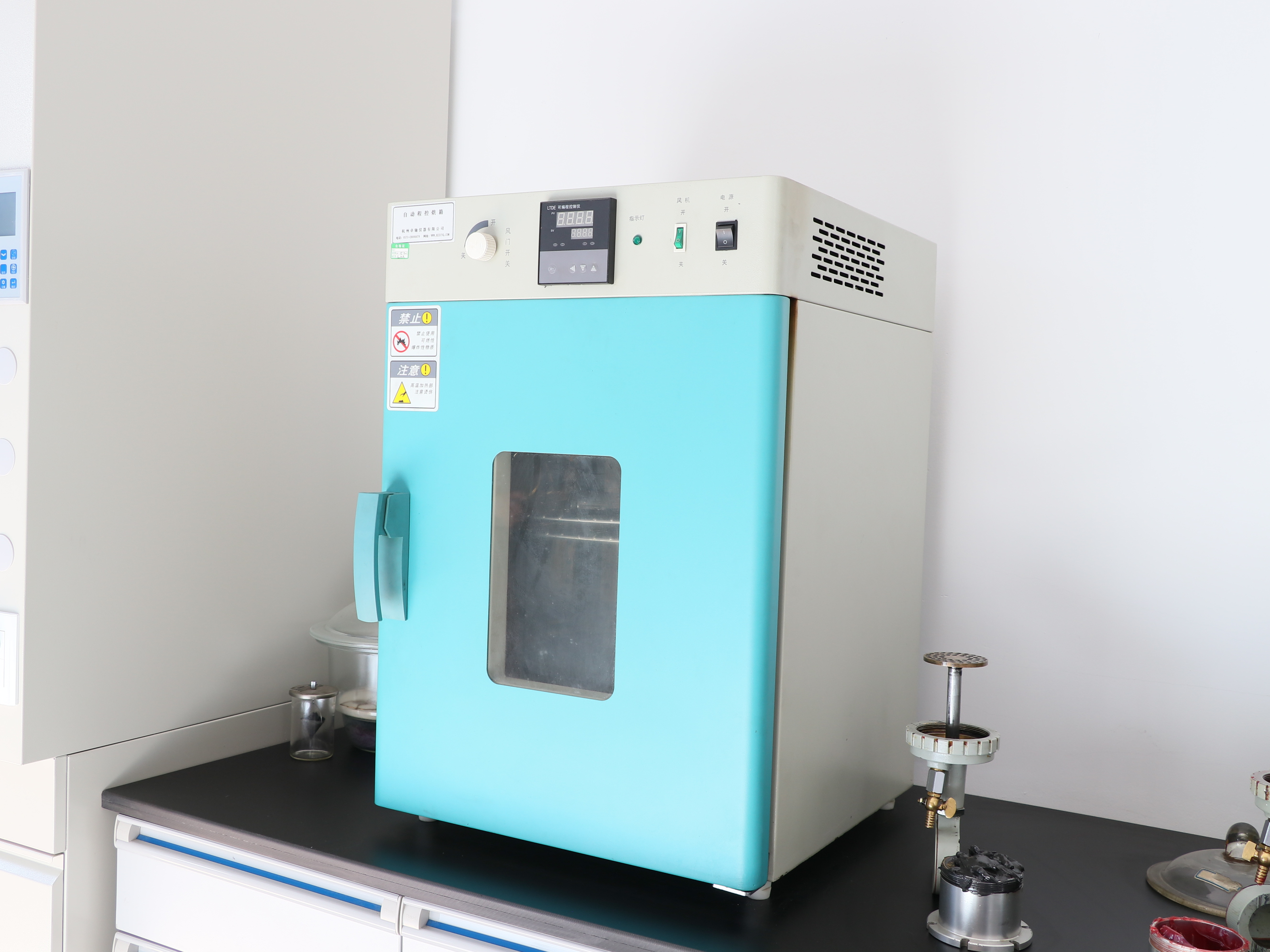
Figure 2 — Instrumented testing supports the internal control points a quality management system is audited against.
What the Certificate Does Not Cover
Being clear about the boundary is what makes the rest of the compliance file credible. A quality management system certification does not do the following:
It does not certify a performance figure. Temperature ratings come from product specifications and standardised test methods, not from management system audits. ASTM D3336 is the standard test method used to evaluate the life of lubricating greases in ball bearings at elevated temperatures, up to 400°F / 204°C. DIN 51502 classifies high-temperature greases by maximum operating temperature using letters — K (+120°C), M (+120°C with water), N (+140°C), P (+160°C), R (+180°C), S (+200°C), T (+220°C) and U (above +220°C). No quality management system certificate assigns any of those classes; the product specification and the application do.
It does not validate fit for a specific machine. Load type, speed, re-lubrication interval, water ingress, ambient contamination and lubrication system type all influence whether a given grade performs. Two identical bearings running under different duty cycles can produce opposite outcomes from the same grease.
It does not cover the product after dispatch. Storage conditions, contamination control during handling, and re-greasing practice sit outside the audited boundary. A certified batch can still be compromised in a poorly managed warehouse.
It does not automatically extend across a catalogue. Scope lines name product categories. Buyers should confirm the grade they intend to order against the scope rather than assume a whole portfolio is included.
Stated plainly: system certification proves process discipline, not field performance. That limitation is not a weakness specific to one supplier — it is inherent to what a management system standard is designed to do.
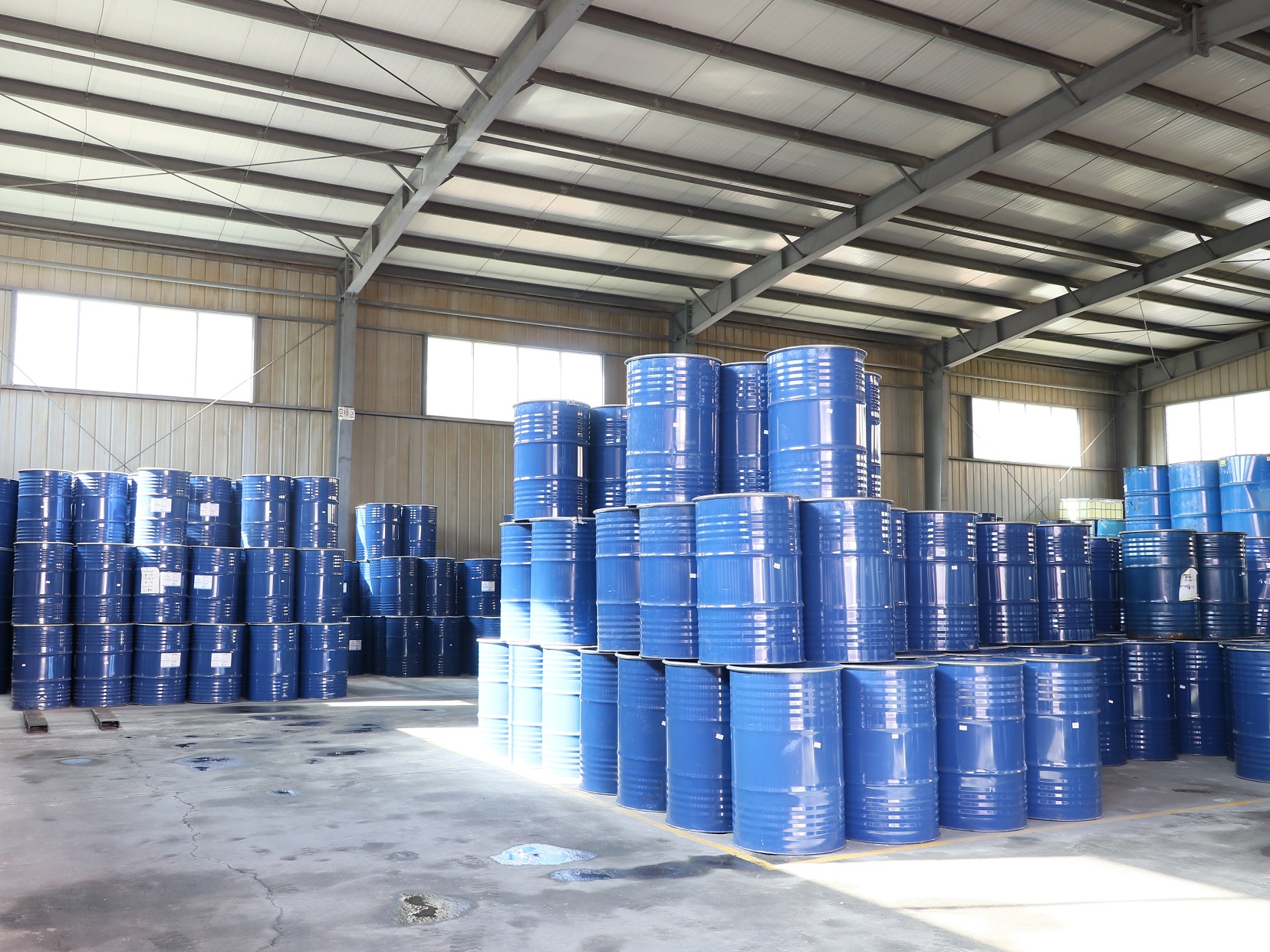
Figure 3 — Storage and dispatch handling sit outside the audited system boundary, which is why buyers include them in supplier checks.
Where the Compliance Question Becomes an Application Question
For high-temperature grease in metallurgy and iron and steel plants — a scenario documented across China, Russia, Türkiye, Cameroon and South Africa — the working conditions are typically high temperature combined with heavy load, impact load, humid or water-splash environments, and a mix of centralized lubrication systems and manual greasing. The required functions are anti-wear, extreme-pressure protection, high-temperature resistance, water resistance and anti-rust performance, with the operational goal of extending lubrication intervals and reducing downtime.
The equipment profile matters as much as the chemistry: slow-speed heavy-load sliding and rolling bearings, centralized lubrication supply, gearbox spray or spot application and manual greasing, applied through centralized lubrication systems, grease guns, gearbox spray equipment and grease injection or replacement equipment. The special requirements listed for this environment include high-temperature thermal stability, strong anti-water washout performance, stable extreme-pressure anti-impact behaviour, low carbon residue after high-temperature aging, and no corrosion to metal substrates.
XINGANG’s documented experience in this segment covers large steel plants, metallurgical enterprises and industrial equipment manufacturers in China, across 40 units and a 30-year duration, with lubrication for bearings in continuous casting, rolling mills, kiln cars, gearboxes, conveyors and vibrating screens. Reported outcomes include reduced friction and wear, improved temperature and water resistance, extended lubrication intervals and improved equipment reliability, with compatibility with centralized lubrication systems noted as a specific factor.
Extreme-pressure claims, where they exist, are specification data and should be read as such. Lithium Complex Grease XG/HP and XG/HP-R are described as a high-temperature extreme-pressure lithium complex grease with a working temperature range of −20–180°C, a dropping point of 300°C and a PD value of 315 kgf, based on lithium complex thickener and mineral oil. Calcium Sulfonate Complex Grease XG/C4 and XG/C5 use calcium sulfonate as the base material and 150 BS oil as the base oil, with a working temperature range of −20–250°C, a dropping point of 330°C and a PD value of 500 kgf. These numbers belong in the specification column of a procurement file; the certificate belongs in the process column.
| Product family | Model | Thickener / base material | Working temperature | Dropping point | PD value |
|---|---|---|---|---|---|
| Lithium grease | XG/L1, XG/L2 | Lithium, mineral oil | −20–120°C | ≥180°C | Not listed |
| Lithium Complex Grease | XG/HP, XG/HP-R | Lithium complex, mineral oil | −20–180°C | 300°C | 315 kgf |
| Polyurea Grease | XG/U1, XG/U2, XG/U5, XG/U6, XG/U10, XG/U17, XG/U18 | Polyurea, mineral oil, synthetic oil | −20–200°C | 260°C | Not listed |
| Calcium Sulfonate Complex Grease | XG/C4, XG/C5 | Calcium sulfonate, 150 BS oil | −20–250°C | 330°C | 500 kgf |
Table 1 — Specification data by product family. Values are product specification entries, not outputs of a management system certification.
Market Signals Behind Rising Documentation Expectations
Several published indicators explain why compliance paperwork has moved up the procurement agenda, particularly in Asia-Pacific supply chains.
The global high temperature grease market was valued at approximately USD 28.04 billion in 2025 and projected to reach USD 48.71 billion by 2035, according to a market report cited by Vertex AI Search. That figure should be used with care: estimates diverge substantially by source, with Market Research Future placing the 2024 market at USD 5.82 billion and SNS Insider at USD 26.23 billion, a gap that most likely reflects differences in how specialty and commodity greases are defined. What the sources agree on is direction rather than absolute size.
Asia Pacific led the high temperature grease market in 2025 with a 38% global share, driven by automotive manufacturing hubs, per Market Research Future. The automotive segment alone captured 42.6% of market share in 2025, the largest single application category, according to Vertex AI Search industry data. Meanwhile, calcium sulfonate grease production grew by 7.7% globally in 2024, gaining traction in heavy-duty industrial applications because of superior water resistance, as reported by the Society of Tribologists and Lubrication Engineers. The same source notes that lithium and lithium complex greases remain the most widely used, accounting for 38.3% and 18.6% of global production respectively in 2024.
Cost volatility has reinforced the shift. Lithium prices surged between 80% and 120% from 2021 to 2023, driving manufacturers to adopt polyurea and calcium sulfonate alternatives for high-temperature applications, according to STLE. On the trade side, China’s finished lubricant exports rose by 10% to 260,000 metric tons in 2024, reflecting a growing reliance on overseas markets, per Lubes’N’Greases and China Customs data. And application trends are moving in the same direction: polyurea greases are increasingly specified for electric vehicle wheel bearings and turbine yaw drives, with oxidation resistance across cycles from −40°C to +180°C, according to a 2025–2031 grease market study.
The procurement implication is straightforward. As more suppliers, more thickener chemistries and more export routes enter the same buyer’s shortlist, documentation becomes the cheapest available screening tool — not because it proves performance, but because it proves process.
Certificate-Scoped Suppliers Compared with Documentation-Only Suppliers
The practical difference between a supplier whose compliance file has a defined boundary and one whose file does not is easiest to see side by side.
| Evaluation dimension | Certificate-scoped supply | Documentation-only response |
|---|---|---|
| Product scope | A named scope, for example certificate 07625Q2422R65 including Polyurea Grease, defines the audited boundary. | A certificate copy without a scope line leaves the boundary undefined. |
| Traceability | Batch-level records sit inside the audited system; 100% testing functions as a documented control point. | Claims rest on statements rather than retrievable records. |
| Measurement control | Standards such as ISO 10012:2003 link test results to a measurement discipline. | Test data appears without an identifiable measurement basis. |
| Performance claims | Kept separate: specifications carry dropping point, working temperature and PD values. | Certificates are sometimes presented as if they proved performance. |
| Limitation | Scope names a product category, not every grade, and never the buyer’s specific application. | No boundary is stated at all, which is more difficult to work with than a narrow one. |
Table 2 — The last row is the point buyers tend to overlook: a narrow, accurate scope is more useful than a broad, undefined claim.
A Practical Compliance Checklist for High-Temperature Grease Projects
For teams assembling a supplier file, the sequence below keeps the documents in their proper roles.
1. Request the quality management system certificate together with its scope statement, and record the certificate number. 2. Match the exact grade designation to the named scope category. 3. Collect the product specification separately and confirm working temperature range and dropping point for the intended duty. 4. Ask which standard test methods underpin the reported values. 5. Confirm the internal control point behind conformance — for example whether testing is applied to every production lot. 6. Convert the commercial terms into project terms: lead time, minimum order quantity, and whether package or sticker customization is required. 7. Define storage and re-greasing practice on site, since neither is covered by the audited scope. 8. Record the application trial outcome as project evidence, not as a certificate substitute.
Future Outlook
Two forces are likely to shape how high-temperature grease compliance is read over the next several years. The first is portfolio diversification. With lithium price volatility having pushed manufacturers toward polyurea and calcium sulfonate chemistries, buyers will increasingly source across multiple thickener families from the same supplier — which raises the question of which scope covers which family, and makes precise scope statements more valuable rather than less.
The second is application drift. As polyurea greases move into electric vehicle wheel bearings and turbine yaw drives, and as calcium sulfonate takes more heavy-duty industrial work, the gap between “certified production” and “qualified application” widens. Suppliers that keep those two claims visibly separate — a scope line for the system, a specification table for the product, a trial result for the application — will be easier to work with in an audit and easier to keep on a long-term approved list.
For buyers, the practical posture is unchanged: treat certification as evidence of process reliability and traceability, and treat everything else as something that still has to be verified with documents, data and trial results of its own.
FAQ
1. What exactly does a quality management system certificate cover for high-temperature grease?
It covers the management system applied to a defined product scope. For XINGANG, certificate number 07625Q2422R65 includes Polyurea Grease within its scope. In practice this documents that planning, process control, inspection, corrective action and record retention for that category operate under an audited system. It does not certify a temperature rating, a dropping point or an extreme-pressure value.
2. Does a quality management system certificate guarantee the grease will work in my application?
No. The certificate confirms production discipline. Performance depends on grade selection against load, speed, temperature, water exposure and lubrication method. Standardised methods such as ASTM D3336, which evaluates grease life in ball bearings at elevated temperatures up to 204°C, and classification systems such as DIN 51502, which assigns temperature classes from +120°C to above +220°C, describe performance dimensions that a management system certificate does not assign.
3. How can a buyer confirm that a specific polyurea grade falls under the certified scope?
Request the certificate together with its scope statement, then match the grade designation against it. XINGANG Polyurea Grease is supplied under models XG/U1, XG/U2, XG/U5, XG/U6, XG/U10, XG/U17 and XG/U18. Because scope lines name product categories rather than every individual SKU, grade-level confirmation is best obtained in writing before the order is placed.
4. What production evidence supports traceability for a high-temperature grease order?
XINGANG applies 100% testing to finished goods, operates a 16,000 m² factory with 45,000 tons annual output and 3,000 tons monthly capacity, and lists ISO 10012:2003 measurement management among its standards. Typical production lead time is 10–20 days and the minimum order quantity is 2000 kgs. Together these allow a delivered batch to be connected to a production window and a test record.
5. Do extreme-pressure claims come from the certificate?
No. Extreme-pressure values are product specification data. Lithium Complex Grease XG/HP and XG/HP-R list a PD value of 315 kgf with a working temperature range of −20–180°C and a dropping point of 300°C; Calcium Sulfonate Complex Grease XG/C4 and XG/C5 list a PD value of 500 kgf with a range of −20–250°C and a dropping point of 330°C. Keeping the specification sheet and the certificate in separate sections of the procurement file avoids implying that the system audit validated the performance figure.
6. What changes in the compliance file if a project switches thickener families?
Both the applicable scope and the product specification need to be re-checked. A certificate whose scope names Polyurea Grease does not automatically extend to Lithium grease (XG/L1, XG/L2), Lithium Complex Grease (XG/HP, XG/HP-R) or Calcium Sulfonate Complex Grease (XG/C4, XG/C5). The working temperature range and dropping point also differ by family, so the application assessment has to be repeated rather than carried over.
Closing Note
Compliance in high-temperature grease procurement is less about collecting logos than about keeping three questions separate: is there an audited system, does the scope name my product, and will the specified grade survive my duty cycle. A certificate answers the first, the scope line answers the second, and only specification data plus an application trial answer the third. Additional background on XINGANG’s product range, production base and quality standards is available in the company profile brochure: Xingang Company Profile (PDF).