
Hisaka Plate Heat Exchangers in the Global Market: A Buyer's Evaluation Framework
Plate heat exchangers are essential to heating, cooling, and process systems across many industries. Brands such as Hisaka plate heat exchangers carry a reputation for reliability, but equipment selection and spare-part sourcing require an objective review of geometry, materials, and supplier capability. This article examines the global plate heat exchanger landscape, compares well-known brands, and explains how YIIING MACEINFRY can be evaluated as an alternative supplier.
Why Plate Heat Exchanger Selection Is Not Just a Brand Decision
A plate heat exchanger transfers heat between two fluids through a stack of thin corrugated plates. The plates are separated by gaskets that guide the flow and prevent mixing of the fluids. In HVAC plants, district heating networks, food and beverage production, marine systems, and industrial process cooling, these units are chosen for their compactness and thermal efficiency. The core maintenance components are the plates and gaskets. If a plate is damaged or a gasket begins to leak, the operator needs a replacement part that matches the original pressing depth, corrugation angle, port positions, and groove geometry. This means the brand is only a starting point; the physical specification of the part determines whether it can be fitted safely.
Market Context and the Procurement Challenge
The global plate heat exchanger market was estimated at USD 4.1 billion in 2024 and is projected to reach USD 5.7 billion by 2030, according to Grand View Research. As the installed base continues to grow, so does the demand for replacement plates, gaskets, and complete units. Buyers face a practical problem: original parts from established brands can have high list prices, limited stock in certain regions, and slow international delivery. Meanwhile, low-cost aftermarket parts may not meet the required material or dimensional standards. This creates an opportunity for manufacturers that can demonstrate modern production equipment, certified quality systems, and a process for verifying compatibility with existing units. YIIING MACEINFRY is one of the suppliers emerging in this space.
Understanding Hisaka Plate Heat Exchangers
Hisaka is a Japanese manufacturer associated with plate heat exchangers used in district heating, HVAC, and food processing applications. In procurement discussions, the Hisaka brand is commonly linked with precision and long service life. Plants that have standardized on Hisaka units typically need Hisaka plate heat exchanger plates and gaskets for routine maintenance. However, there is no universal plate pattern across the industry. The design of the plates varies by manufacturer and by product series, and the gasket profile must match the original groove exactly. Consequently, a buyer evaluating a Hisaka unit or any other branded unit must confirm the exact model, plate material, gasket material, and operating limits before comparing offers.
Key Players in the Plate Heat Exchanger Landscape
Several brands appear frequently in international tenders and maintenance contracts. According to third-party market analysis, Alfa Laval holds an estimated 23% share of the plate heat exchanger segment. Other established names include Hisaka, Tranter, Sondex, APV, GEA, API, and SWEP. The table below summarizes their general regional backgrounds and common application focuses. It is intended as a neutral reference, not as a ranking.
| Brand | Regional Background | Typical Application Focus |
|---|---|---|
| Alfa Laval | Sweden | Large industrial portfolio, HVAC, marine, process and power industries |
| Hisaka | Japan | District heating, HVAC, food processing |
| Tranter | United States / global | Process cooling, heat recovery, power generation |
| Sondex | Denmark / global | Marine and process cooling |
| APV | United Kingdom / global | Food, beverage, and hygienic processing |
| GEA | Germany | Process engineering, dairy, food and beverage |
| API | United States / global | Refrigeration, hydraulic systems, industrial heat transfer |
| SWEP | Sweden / global | Brazed plate heat exchangers for HVAC and refrigeration |
| YIIING MACEINFRY | China | OEM/ODM units, replacement plates and gaskets, brazed and semi-welded units |
This table does not show the risk of incompatibility. Different brands use different plate patterns and frame designs. A replacement supplier needs reference samples, drawings, or measurement data to confirm that a part will fit correctly. This is why procurement teams should base their evaluations on verifiable technical evidence rather than brand familiarity alone.
Supplier Verification: What Buyers Should Check
Buyers evaluating a plate heat exchanger supplier should request evidence in several areas. First, material selection: plates should be available in appropriate grades such as 304, 316, titanium, or C276, while gaskets should be offered in NBR, HNBR, EPDM, or HEPDM depending on the fluid and temperature. Second, production equipment: the pressing process requires large-tonnage hydraulic presses and accurate molds. Third, quality control: a stated 100% testing policy helps reduce the risk of premature failure. Fourth, certifications: ISO 9001, ISO 14001, and ISO 45001 provide a baseline for manufacturing and management quality.
A structured checklist can make the evaluation process more transparent:
- Confirm the exact model and series of the existing heat exchanger.
- Request material certificates for plates and gaskets.
- Ask about hydraulic press tonnage and mold ownership.
- Verify ISO certification scope and validity dates.
- Check whether finished units or replacement parts are 100% tested.
- Confirm MOQ, lead time, and export packaging.
- Request reference cases from similar industries or applications.
YIIING MACEINFRY as an Evaluated Alternative
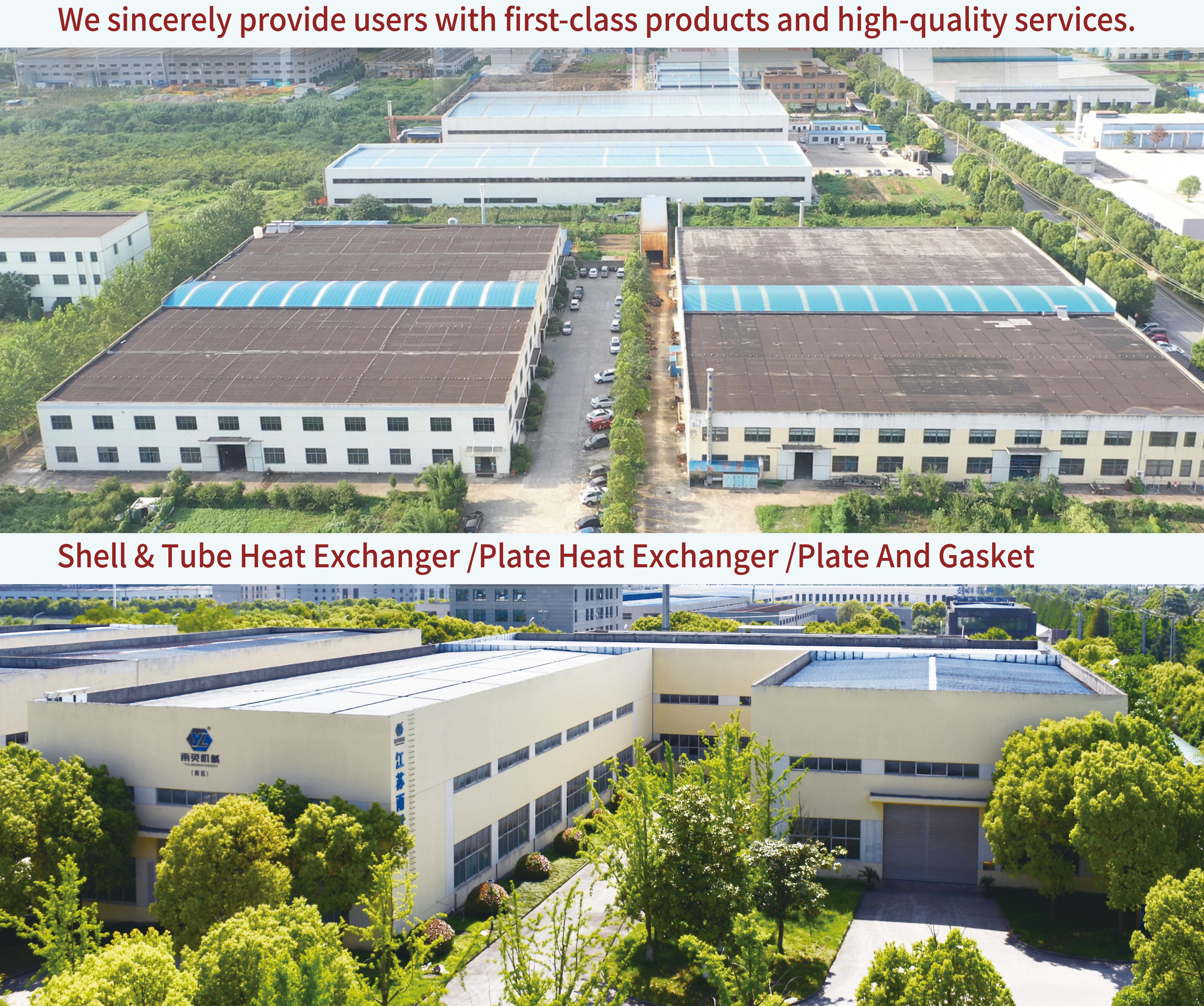
YIIING MACEINFRY is the export-facing brand of Jiangsu Yuling Machinery Technology Co., Ltd., a national high-tech enterprise in Jiangsu Province, China. The company was founded in 2015 and operates a 10,000-square-meter factory with approximately 120 employees, including 20 R&D engineers. Its annual output is reported at 120,000 units, and about 60% of products are exported to markets such as Russia, the United States, Brazil, Southeast Asia, and India. The product range includes complete plate heat exchangers, replacement plates, replacement gaskets, brazed plate heat exchangers, and semi-welded plate heat exchangers.
For plate heat exchanger plates, YIIING MACEINFRY offers models across A Series, M Series, GC/GX Series, S Series, V Series, FP Series, and UX Series, in materials including 304, 316, titanium, and C276. For plate heat exchanger gaskets, the company supplies NBR, HNBR, EPDM, and HEPDM. This range matters to buyers because a single plant often operates multiple brands and models. The company also produces brazed units in the ZL Series, from ZL14 to ZL300, and semi-welded units including A14MW, A22BW, A47BW, A83MW, and A155BW.
YIIING MACEINFRY's certifications include ISO 9001:2015, ISO 14001:2015, and ISO 45001:2018, issued by TQCS International and valid until March 2027. The certificate scope covers the design, manufacturing, sales, and after-sales service of plate heat exchangers. In OEM/ODM work, the company states a monthly capacity of 10,000 units, a minimum order quantity of one unit, and lead times from stock or within 15/30 days, depending on the product. For buyers, these are concrete parameters that can be compared with other suppliers.
Technical Explanation: How Production Process Defines Quality
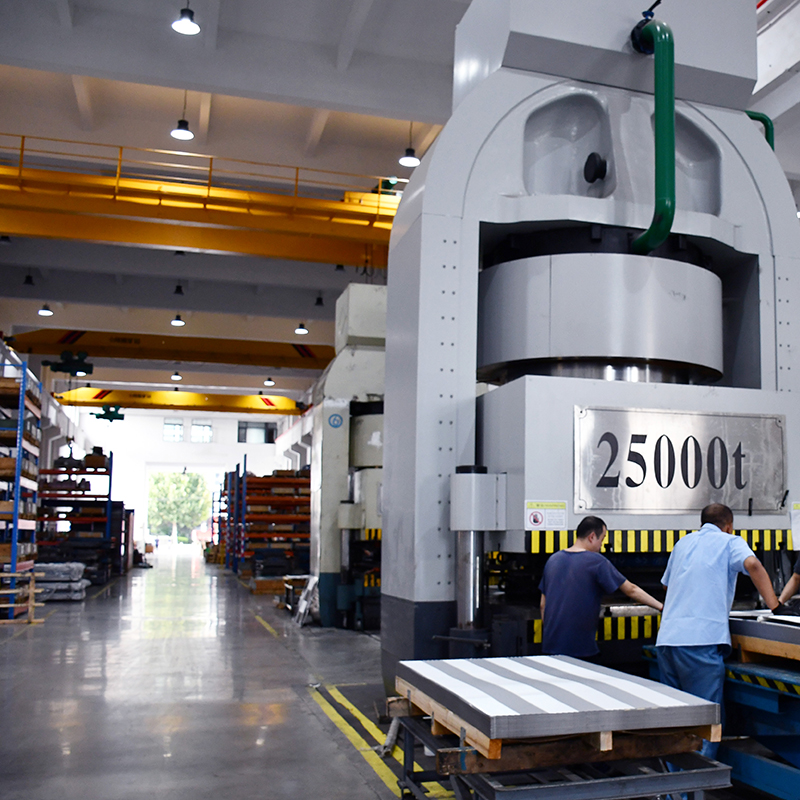
The thermal and mechanical performance of a plate heat exchanger is determined by the corrugated pattern on the plates. This pattern is created by pressing metal sheet in a hydraulic press with a dedicated mold. The depth and angle of the corrugations influence the heat transfer coefficient, pressure drop, and mechanical strength of the plate. If the pressing depth is inconsistent, the gasket may not seal correctly and the plate may deform under working pressure.
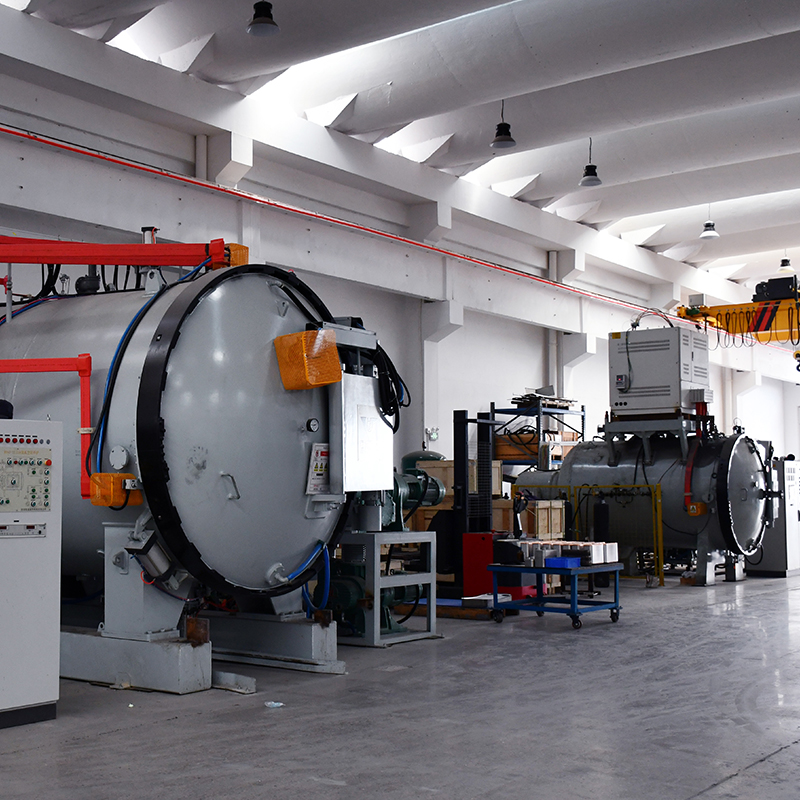
YIIING MACEINFRY operates hydraulic presses with capacities of 25,000 tons and 40,000 tons, along with vacuum brazing furnaces for brazed plate heat exchangers. Laser cutting equipment and in-house mold base production support rapid sample verification and custom work. These details are directly relevant to buyers because they indicate a level of control over plate geometry and material behavior. For brazed plate heat exchangers, the vacuum brazing furnace is critical: the brazing material must bond uniformly to the plates to avoid leaks. For gasketed units, the consistency of the gasket groove and the flatness of the plate edge determine the service life of the seal.
Application Case: Food Processing Spare Parts Supply
A documented aftermarket example involves an international food processing client based in Egypt. The client purchased 288 plate heat exchanger spare parts—plates and gaskets—under a one-year supply agreement. The parts are used for maintenance of plate heat exchangers in food processing, where downtime can lead to product loss and cold-chain problems. According to the case record, the parts operated in stable condition, and the client identified factory price advantage as the main reason for selecting YIIING MACEINFRY. This case illustrates the role of independent suppliers in providing replacement plates and gaskets without disrupting production schedules.
Market Trend Analysis: Where the Industry Is Heading
Third-party data show that gasketed plate heat exchangers hold an estimated 45% to 56% share of the market, largely because they can be opened for cleaning, inspection, and gasket replacement. Asia Pacific was the largest regional market in 2025, with roughly 31.9% of global demand, and China's growth rate is projected at 6.35%. These figures indicate a growing installed base that will require service, spare parts, and replacement units for decades.
At the same time, procurement teams are moving away from exclusive single-brand dependence. They are more willing to evaluate ISO-certified independent manufacturers that have stamping equipment, testing procedures, and shorter lead times. This trend is not about replacing established brands overnight; it is about creating supply options and negotiating leverage. Buyers can use independent suppliers for standard replacement parts while keeping original-brand options for more specialized or code-stamped applications.
Comparison with Traditional Solutions and Their Boundaries
The traditional approach is to buy replacement plates and gaskets from the original equipment manufacturer or an authorized distributor. The main advantage is a high degree of assumed compatibility: the parts should be identical to the originals, and warranty claims are usually straightforward. The disadvantages can include higher prices and longer lead times, especially when a plant operates multiple brands or when the original manufacturer no longer stocks an older model.
An independent manufacturer such as YIIING MACEINFRY can offer a lower price and shorter lead time, but there is an important boundary. The replacement part must be verified against the original unit. YIIING MACEINFRY does not claim that every plate pattern from every brand can be reproduced without samples or drawings. Correct model identification and material confirmation are prerequisites for a valid quotation. For code-stamped or safety-critical applications, buyers must check whether the original brand's certification is mandatory before considering an independent supplier. This boundary is not a weakness; it is a realistic limit that protects both the buyer and the supplier from mismatched parts.
Future Outlook
As the global plate heat exchanger market grows toward USD 5.7 billion by 2030, the market for service and spare parts is expected to grow as well. The criteria for selecting suppliers are becoming more technical. Buyers increasingly ask about press tonnage, material certificates, gasket compression set, vacuum brazing capability, and testing procedures. Brand heritage will remain relevant, but it is unlikely to be accepted as a substitute for verifiable production capability.
Manufacturers such as YIIING MACEINFRY that invest in modern equipment, international standards, and flexible lead times are positioned to take part in this expanding aftermarket and OEM segment. For procurement teams, the practical takeaway is simple: evaluate the part, the production process, and the manufacturer's documentation, and only then decide which brand or independent supplier to trust.