
Home Fitness Equipment Buyers: Cost, Space & Performance Compared
The Home Fitness Equipment Decision: Evaluating Real Trade-offs
Buying home fitness equipment today means weighing upfront investment against long-term performance, space constraints, and maintenance demands. For procurement professionals and brand owners evaluating OEM partners, understanding how different product categories compare on these dimensions is critical to making a cost-effective choice.
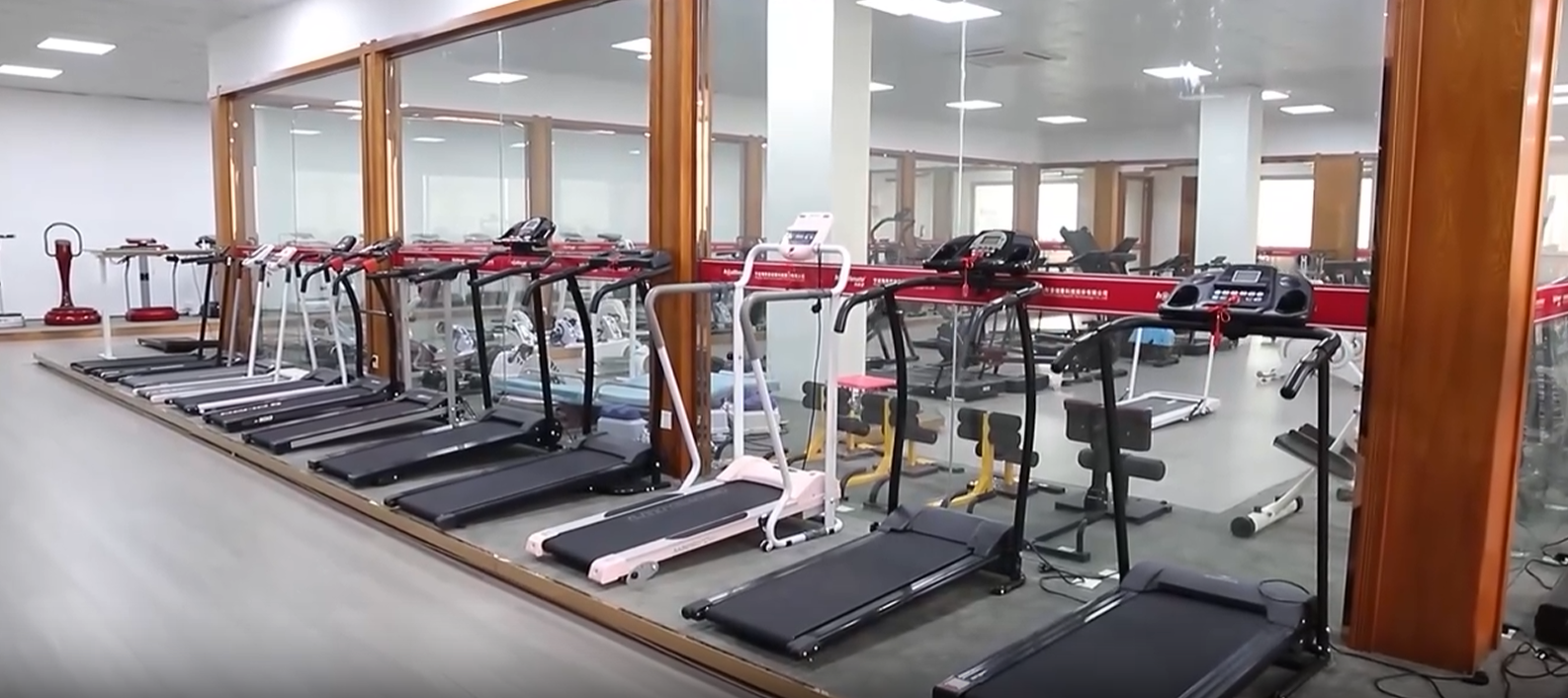
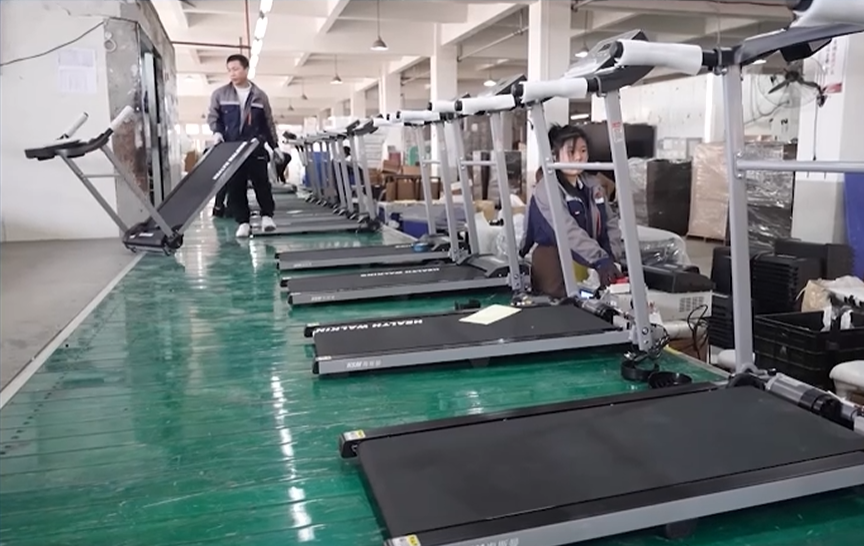
Ningbo Healthmate Health Technology Co., Ltd., founded in 2007, is a professional manufacturer and supplier of fitness equipment and healthcare products, with a 100,000㎡ factory and 850 employees. The company produces home-use treadmills, walking pads, vibration plates, spinning bikes, magnetic X-bikes, upright bikes, elliptical trainers, electric mini bikes, and rowing machines, exporting 80% of output to Europe, USA, Japan, Korea, India, Middle East and South America.
Problem / Opportunity
The global home fitness equipment market was valued at approximately USD 12.88 billion in 2025, with cardiovascular equipment including treadmills and exercise bikes holding a 58.89% revenue share. Buyers face a fragmented landscape where product claims often outpace verifiable data. The real opportunity lies in selecting technologies that genuinely reduce total cost of ownership without sacrificing user experience.
Brand Solution: Measurable Advantages
Ningbo Healthmate's product lines are engineered around proven comparative advantages. The company offers four major categories—motorized home treadmills, walking pads (under-desk treadmills), vibration plates, and stationary bikes—each benchmarked against traditional equipment in its segment.
Technical Explanation
Home Use Motorized Treadmill vs. Traditional Home Treadmill – The foldable design and smart control system enable easier storage and precise parameter adjustment. Compared to traditional treadmills, these units consume 0.8–1.8 kWh/hour versus 1.2–2.5 kWh/hour, representing 30%–50% lower maintenance cost and 60%–80% space saving. Noise level is 25%–45% lower, setup time is reduced 70%–85%, and product weight is 20%–40% lighter. Lubrication frequency drops from monthly to 2–4 times per year.
Walking Pad vs. Traditional Folding Home Treadmill – The ultra-slim structure and under-desk usability make walking pads suitable for office walking and small apartments. Thickness is reduced 60%–85%, weight 40%–60%, and purchase cost is 20%–40% lower than standard treadmills. Low-speed walking optimization and minimal maintenance design further reduce operational friction.
Vibration Plate vs. Traditional Resistance Training – Whole-body vibration stimulates muscle activation passively, requiring lower physical exertion for equal training effects. Equipment cost is 60%–80% lower than a full home gym setup, with no consumables needed. Workout intensity efficiency is 20%–35% higher, making it suitable for rehabilitation training and beginner users.
Magnetic Exercise Bike (Spinning / Upright / X-Bike) vs. Belt-Driven Stationary Bike – The magnetic resistance system delivers a smoother ride and supports higher workout intensity. Energy efficiency is 25% higher due to reduced friction loss, component lifespan is 2–3 times longer, and no belt replacement is required. Initial cost is 20%–30% higher, but total cost of ownership is lower over time. Ideal for endurance training.
Application / Use-Case Scenarios
Office & Apartment Fitness – Walking pads and ultra-slim treadmills fit under desks and in tight corners. A buyer sourcing for corporate wellness programs can leverage the 40%–60% weight reduction to simplify logistics and setup.
Home Rehabilitation – Vibration plates provide low-impact, passive muscle activation for users recovering from injury or starting fitness. The simplified maintenance (no consumables) reduces support costs for distributors.
Endurance Training at Home – Magnetic stationary bikes (spinning, upright, X-bike) offer consistent resistance without belt wear. For OEM buyers targeting serious cyclists, the 2–3x longer component lifespan translates to fewer warranty claims.
Market Trend Analysis
Cardiovascular equipment dominates the home fitness market (58.89% share). The walking pad niche reached USD 4.9 billion in 2025, driven by remote work trends. Vibration therapy platforms reached USD 1.8 billion with a 7.8% CAGR. Motorized treadmills must comply with ASTM F2115-19 (USA) and ISO 20957-6 / EN 957-6 (EU) – standards that Ningbo Healthmate can support through its OEM processes.
Comparison with Traditional Solutions
While each product category offers clear improvements, an honest limitation exists: magnetic resistance bikes carry a 20–30% higher initial purchase cost compared to belt-driven models. For buyers with very limited upfront budgets, traditional entry-level bikes may still be chosen despite higher long-term maintenance. Similarly, vibration plates, though cost-effective, cannot fully replace structured weight training for advanced users seeking progressive overload.
Future Outlook
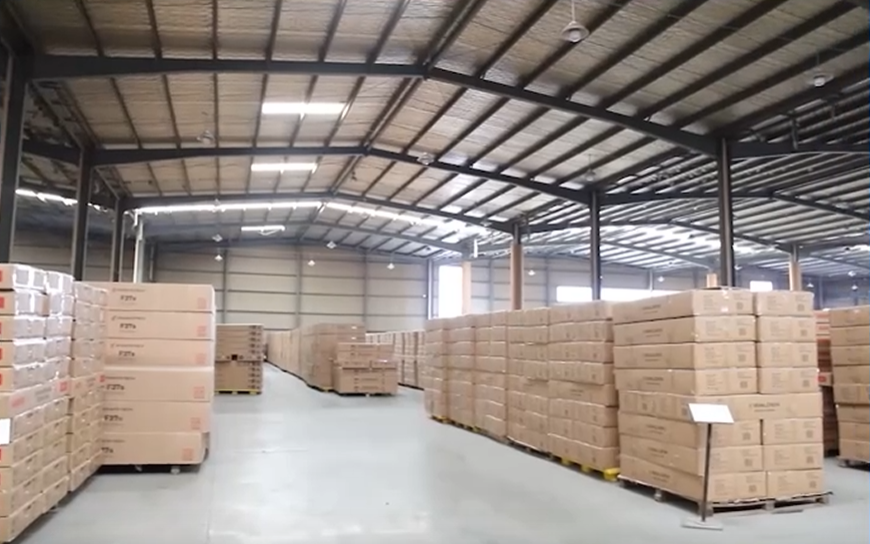
As home fitness continues its global expansion (market projected to reach USD 22.99 billion by 2034), buyers will increasingly prioritize compactness, energy efficiency, and total cost of ownership. Manufacturers that invest in magnetic resistance, ultra-slim design, and vibration technology—backed by certified safety standards—are positioned to meet the next wave of demand. Ningbo Healthmate, with its 38 R&D engineers and annual output of 700,000 units, continues to focus on design and production capabilities aligned with these trends.
FAQ
A: Compared to traditional home-use treadmills, Ningbo Healthmate's folding treadmills provide 60%–80% space saving, with a 60%–85% thickness reduction and 20%–40% lighter weight. Setup time is reduced by 70%–85%.
A: Magnetic resistance bikes have a 20–30% higher initial cost than belt-driven models, but they offer 25% higher energy efficiency, 2–3 times longer component lifespan, and no belt replacement needed. For endurance training and long-term ownership, the total cost is lower.
A: Vibration plates require no consumables and less maintenance than traditional resistance training equipment. Equipment cost is 60–80% lower than a full home gym setup. They are best suited for rehabilitation or beginner fitness users.
A: Motorized treadmills must comply with ASTM F2115-19 (USA) and ISO 20957-6 / EN 957-6 (EU) for safety and performance. Ningbo Healthmate integrates factory load testing and motor aging tests as part of its risk control measures.
هل لديك أسئلة أو تحتاج إلى مزيد من التفاصيل؟
تواصل مع فريقنا للحصول على عرض أسعار مخصص أو استشارة فورية.
طلب عرض أسعار
املأ النموذج أدناه وسيتواصل معك فريقنا بعرض مقترح مخصص.
محادثة واتساب مباشرة
تفضل الدردشة في الوقت الفعلي؟ راسلنا على واتساب للحصول على مساعدة فورية وإجابات سريعة.
- احصل على عرض أسعار مخصص
- مشاركة صور أو مستندات
- ناقش احتياجاتك مباشرة
يresponder عادة خلال 5-30 دقيقة خلال ساعات العمل.