
Home Medical OEM: GENIAL's Customization Edge
The home medical health devices market is expanding rapidly, with digital thermometers alone valued at approximately USD 805.1 million in 2024 and projected to reach USD 1 billion by 2030. This growth creates both opportunity and complexity for buyers—distributors, pharmacy chains, e‑commerce platforms, and healthcare providers—who must select manufacturing partners capable of delivering customized, compliant, and scalable solutions. For organizations in the evaluation-to-execution stage, understanding a manufacturer’s OEM, ODM, JDM, and OBM capabilities is critical to reducing time‑to‑market and supplier management costs.
The Challenge: Fragmented Supply vs. Integrated Customization
Traditional approaches to sourcing home medical health devices often involve multiple suppliers for different product categories—thermometers, blood pressure monitors, pulse oximeters, nebulizers, and sleep apnea devices. This fragmentation increases administrative overhead, quality inconsistency, and regulatory risk. Buyers need a single partner that can handle end‑to‑end product development, from concept and certification to mass production and global compliance.
Brand Solution: GENIAL’s Full‑Chain Manufacturing Services
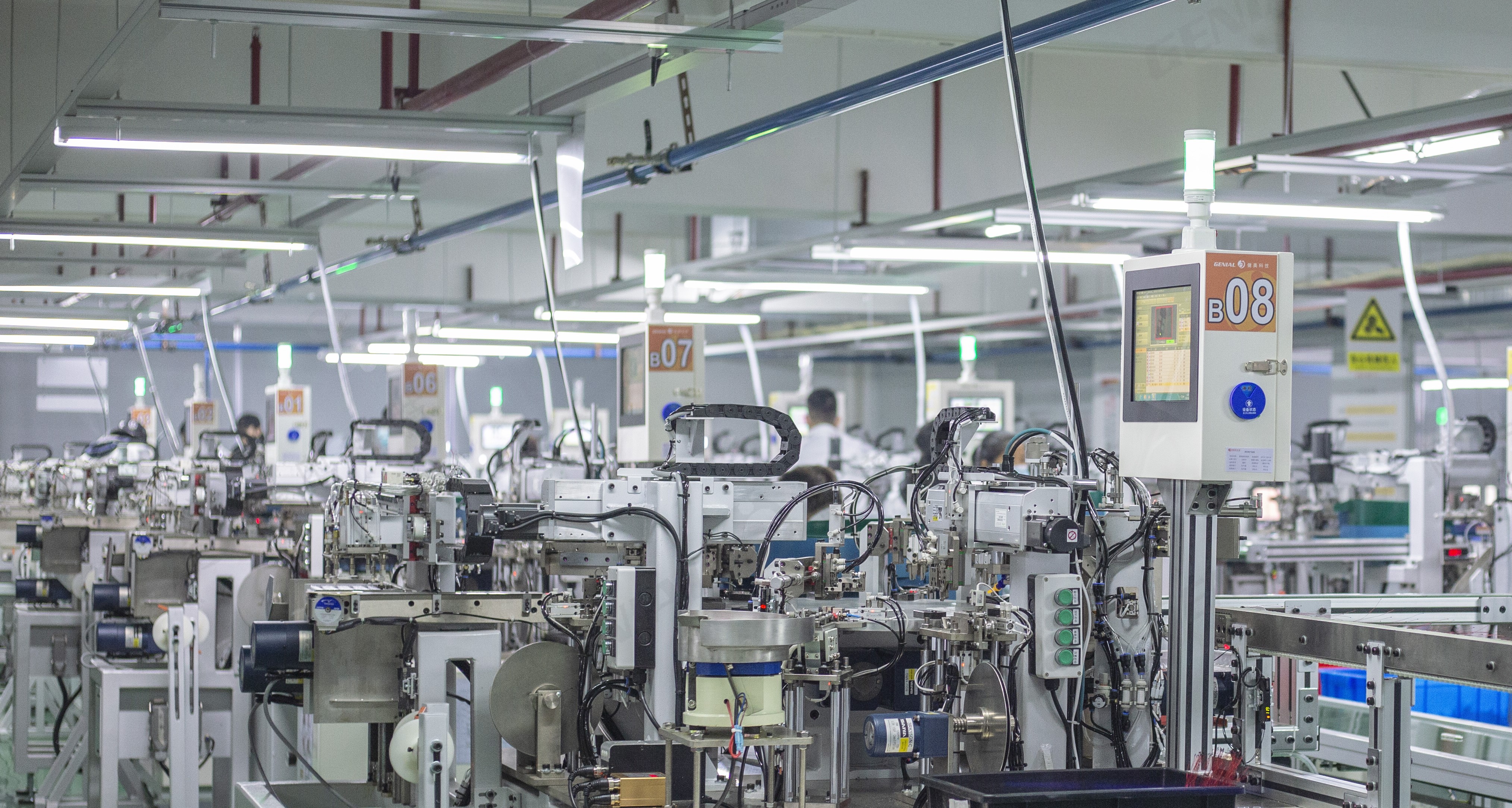
Guangdong Genial Technology Co., Ltd. (GENIAL) is a national high‑tech enterprise founded in 2001 that integrates R&D, production, and sales of medical devices and smart wearable devices. Operating a 45,000 m² intelligent manufacturing base with an annual output of 15 million units, the company provides four distinct production modes to meet diverse buyer requirements:
- OEM (Original Equipment Manufacturing): Customization of packaging, gift box, user manual, product logo printing, color schemes, and packaging specifications. Core hardware, PCB, and key functions remain unchanged.
- ODM (Original Design Manufacturing): Full customization including industrial design, tooling, structure, PCB firmware, algorithms, Bluetooth functionality, display interface, packaging system, and exclusive product model registration.
- JDM (Joint Design Manufacturing): Collaborative product development where the customer defines the product while GENIAL provides hardware, software, and structural R&D. Intellectual property ownership is contractually allocated.
- OBM (Original Brand Manufacturing): Regional distributor authorization with original GENIAL branding, gift‑box combinations, and shipping carton label customization.
Monthly production capacity ranges from 60,000 to 6,000,000 units depending on the service mode. OEM samples can be delivered in 3 days with small orders fulfilled in 3–7 days; ODM modifications without new tooling take 7–15 days, while new mold development requires 45–50 days.
Technical Framework: Quality Control & Global Compliance
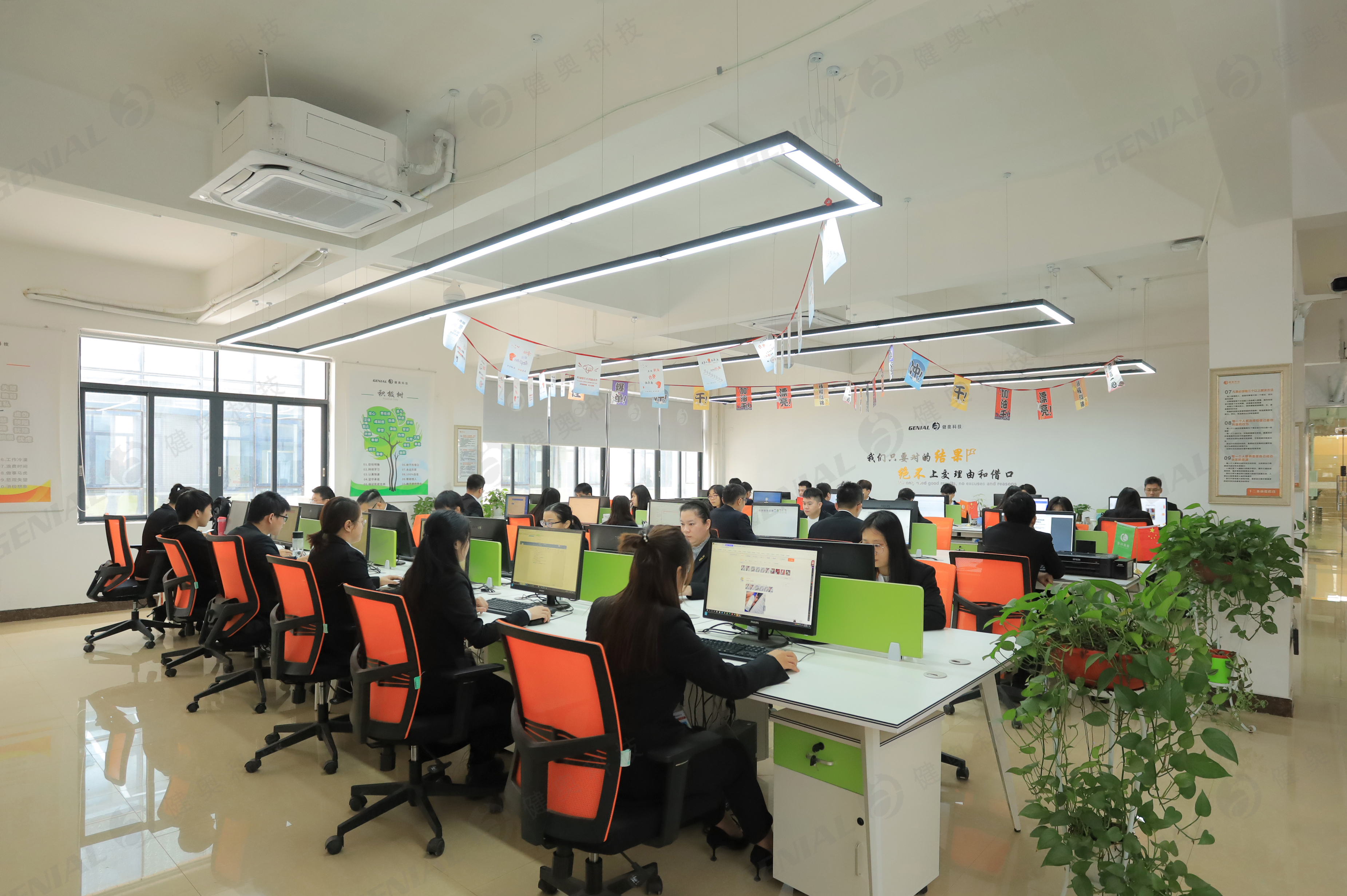
Every production mode follows a structured quality assurance process. For OEM: order documentation and packaging approval → incoming material inspection → 100% production inspection → final sampling inspection before shipment. For ODM/JDM: customer demand assessment → internal project approval → product development → sample validation → exclusive model registration → mass production with incoming, full‑process, and final inspections.
GENIAL holds multiple international system certifications: ISO 13485, ISO 45001, ISO 14001, BSCI (Overall Rating B), and GB/T 29490 intellectual property management. Product‑specific certifications include CE MDR (EU 2017/745) for blood pressure monitors and pulse oximeters, US FDA 510(k) premarket notifications (K210014, K231243, K231245, K231250, K232678, K240333, K3016670149), MHRA registration for the UK, ANVISA for Brazil, Roszdravnadzor for Russia, and Japan’s Foreign Manufacturer Registration. This compliance portfolio enables products to reach 117 countries and regions worldwide.
Use‑Case Scenarios Across Buyer Segments
The versatility of GENIAL’s capabilities is demonstrated through several real‑world deployments:
- Pharmacy Chain Systems (OTC Sales): A global pharmacy chain deployed digital blood pressure monitors (models GT‑702L, GT‑732, GT‑702BM, etc.) in quantities of 100,000–1,000,000 units over five years. The complete product portfolio enabled the chain to serve different consumer segments under a single SKU umbrella, reducing procurement complexity.
- Maternal & Infant Companies (Infant Monitoring): A maternal health brand used the wearable Bluetooth digital thermometer (model T31) for continuous infant temperature monitoring. The project of 10,000–100,000 units improved user retention by eliminating the need for repeated nighttime measurements, with the device’s IPX4 splash‑proof design and ±0.1 °C accuracy suiting home care.
- E‑commerce Platforms (Online Sales): An international e‑commerce retailer selected ODM customization for mesh nebulizers (models N11/N21) and fingertip pulse oximeters (GX series). With rapid product launches and small‑batch trial support (MOQ 2,000 units), the platform achieved fast consumer reach across multiple markets.
Market Trend Analysis
The shift toward home‑based healthcare is accelerating. Digital blood pressure monitors accounted for approximately 48% of the blood pressure monitoring devices market revenue in 2024. The pulse oximeter market is expected to reach USD 5.3 billion by 2030, and the vibrating mesh nebulizer segment is projected to grow from USD 0.75 billion in 2024 to USD 1.57 billion by 2035. Buyers increasingly prefer partners that offer connected health features (Bluetooth, cloud platforms) and comprehensive certification—both areas where GENIAL has invested. The company’s independently developed Genial Cloud Health Management Platform and 262 intellectual property certificates support product differentiation.
Comparison with Traditional Solutions
Compared to engaging separate specialty manufacturers or relying on in‑house development, GENIAL’s one‑stop approach reduces supplier management costs and accelerates time‑to‑market. The company’s quality control spans the entire production chain, and its compliance team has completed product and trademark registration in 29 countries. One honest limitation: minimum order quantities for ODM new mold development start at 10,000 units, which may be prohibitive for very early‑stage startups. However, for established distributors and brand owners looking to scale, this MOQ is offset by the elimination of tooling costs for large‑volume projects (tooling cost refundable).
Future Outlook
As home medical devices become more intelligent and connected, the ability to integrate sensors, wireless communication, and health‑management software will define market leaders. GENIAL’s product roadmap—including continuous dynamic thermometers, sleep apnea therapy devices, and health manager platforms—positions the company to support buyers in launching next‑generation solutions. The combination of flexible manufacturing, global regulatory coverage, and a 29‑engineer R&D team provides a foundation for sustained innovation.
For detailed specifications, please refer to the GENIAL 2026 English Brochure.
Frequently Asked Questions
What customization options are available for OEM services?
OEM customization includes packaging, gift box, user manual, product logo printing, color schemes, and packaging specifications. Core hardware, PCB, and key functions remain unchanged.
What certifications do GENIAL products hold?
GENIAL holds ISO 13485, ISO 45001, ISO 14001, BSCI (Overall Rating B), GB/T 29490 intellectual property management certification, CE MDR (EU 2017/745) for blood pressure monitors and pulse oximeters, multiple US FDA 510(k) clearances for thermometers, blood pressure monitors, and pulse oximeters, MHRA for the UK, ANVISA for Brazil, Roszdravnadzor for Russia, and Japan’s Foreign Manufacturer Registration.
What are the minimum order quantities for different products?
For OEM: thermometers 10,000 pcs; oximeters, infrared thermometers, blood pressure monitors, nebulizers, wireless thermometers, and hair removal devices 2,000 units; ventilators 500 units. For ODM: product modification MOQ is 5,000 units; new mold development MOQ is 10,000 units. For OBM: full‑carton MOQ per SKU with mixed orders from 5 cartons accepted.
How does the quality control process work?
For OEM: order documentation and packaging approval → incoming material inspection → 100% production inspection → final sampling inspection before shipment. For ODM/JDM: customer demand assessment → internal project approval → product development → sample approval → exclusive model registration → mass production with incoming, full‑process, and final inspections. For OBM: incoming material inspection → full‑process production inspection → final factory inspection.
What is the typical lead time for ODM orders?
Minor modifications (without new tooling): 7–15 days. New mold development: 45–50 days.
Does the company support global market registration?
Yes. GENIAL’s professional registration team assists clients with global product registration. As of the latest update, they have completed product and trademark registration in 29 countries and export to 117 countries and regions worldwide.