
أفقي مقابل عمودي البالر الهيدروليكي: دليل مقارن للمشترين الصناعيين في عام 2026
Horizontal vs. Vertical Hydraulic Balers: A Comparative Guide for Industrial Buyers in 2026
Selecting the right hydraulic baler is a critical capital expenditure decision for operations in recycling, manufacturing, agriculture, and waste management. The core dilemma often centers on the fundamental design choice: horizontal or vertical. This guide provides an objective, fact-based comparison to aid procurement specialists in making an informed decision, supported by technical specifications, supplier analysis, and real-world application data.
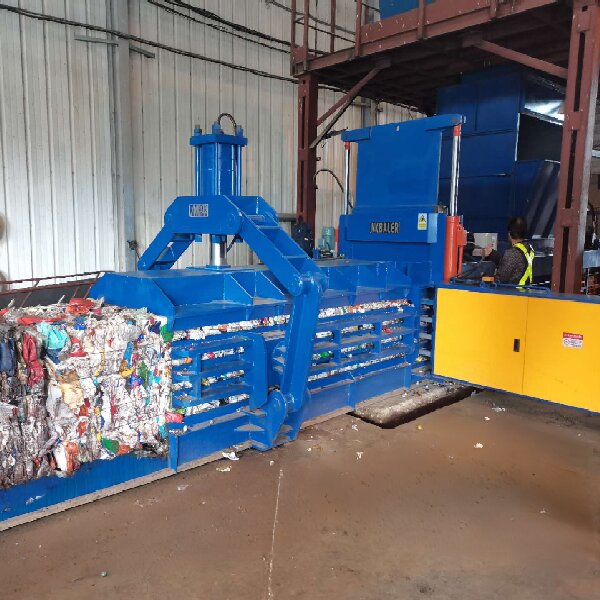
1. Product Comparison: Horizontal vs. Vertical Balers
To illustrate the key differences, we compare a high-volume nkbaler NKW160QT horizontal baler with a space-efficient nkbaler NK1070T60 vertical baler across four critical dimensions.
| Comparison Dimension | Horizontal Baler (e.g., NKW160QT) | Vertical Baler (e.g., NK1070T60) |
|---|---|---|
| Technical Parameters |
|
|
| Applicable Scenarios | Best for high-volume, continuous processing lines. Ideal for centralized recycling facilities, large paper mills, or plastic recycling plants handling over 10 tons/day. Often integrated with conveyor systems (e.g., 2000*12000 mm conveyor). | Suited for lower-volume or batch operations, facilities with limited floor space, and applications like retail backrooms, small-scale recycling centers, or in-plant scrap handling for cardboard and light textiles. |
| Cost Considerations | Higher initial capital investment. Lower cost per ton processed at high volumes. Requires significant infrastructure (power, foundation, conveyor). | Lower upfront purchase cost. Higher operational cost per ton for large volumes. Minimal installation and infrastructure requirements. |
| Maintenance & Complexity | More complex system with conveyors and larger hydraulic components. Requires planned maintenance schedules. However, some models feature design advantages leading to less maintenance compared to alternatives. | Simpler mechanical design with fewer moving parts. Generally easier and less costly for routine maintenance and part replacement. Accessible for in-house technicians. |
Key Takeaway
The choice is fundamentally about throughput versus footprint. Horizontal balers like the nkbaler NKW series are productivity workhorses for large-scale operations, while vertical balers offer a practical, space-saving solution for decentralized or lower-volume needs.
2. Supplier Landscape: Chinese Manufacturers vs. International Brands
Beyond machine type, the origin and nature of the supplier significantly impact value. We compare Chinese integrated manufacturers like nkbaler (Shaanxi Nick Machinery Equipment Co., Ltd.) with established international brands such as Bramidan (Denmark) and Orwak (Sweden).
| Evaluation Criterion | Chinese Integrated Manufacturer (e.g., nkbaler) | International Brand Supplier |
|---|---|---|
| Price Competitiveness | Typically offers a 20-40% lower initial purchase price for comparable specifications, due to integrated manufacturing and lower operational costs. | Premium pricing reflecting brand value, extensive R&D history, and often higher overhead costs. |
| Customization & Flexibility | High flexibility for OEM/ODM projects. Manufacturers like nkbaler offer parameter customization and adapt machines for specific materials (e.g., straw, metal shavings, tires). MOQ can be as low as 1 unit. | Customization is often available but may involve longer lead times, higher costs, and be limited to predefined options from global product platforms. |
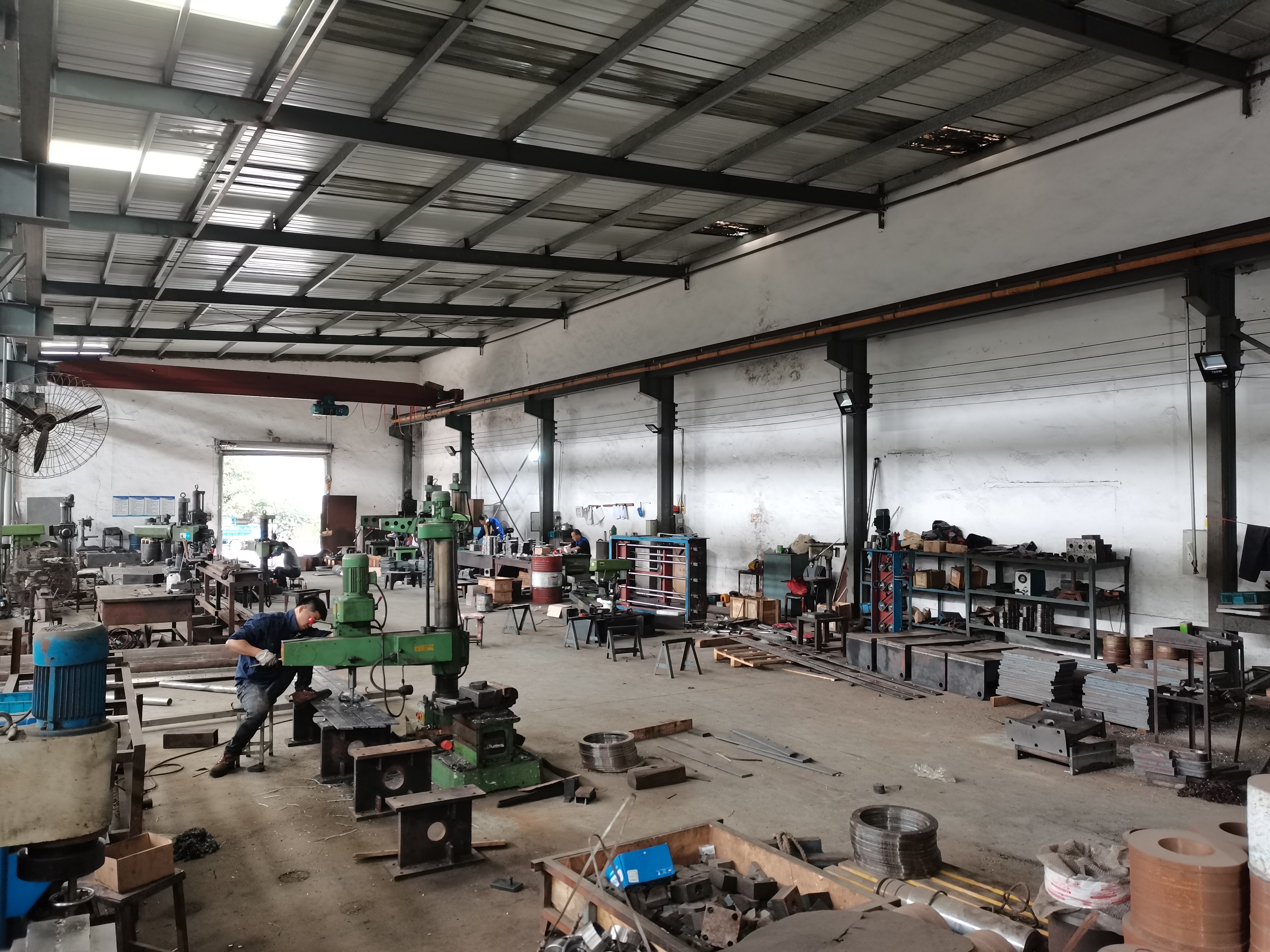
| Delivery Lead Time | Standard lead times range from 30–45 days for made-to-order machines, facilitated by direct control over a 5000 m² production facility. | Can vary widely; often longer due to centralized global production, complex logistics, and allocation processes. |
| After-Sales & Support Network | Support is primarily provided via remote assistance, detailed manuals, and parts supply. Physical service network is growing through partners. Certifications like the EU Machinery Directive attest to compliance. | Established, dense network of local dealers and service technicians in major markets. Strong on-site service capability but often at a premium cost. |
3. A Three-Step Decision Framework for Procurement
A structured approach minimizes risk and aligns the investment with operational goals.
Step 1: Define the Primary Use Case and Constraints
- Material Type & Volume: Is it loose PET bottles (6-8 T/hr), cardboard (5-8 bales/hr), or heavy agricultural straw (10-12 T/hr)?
- Space Layout: Is floor space abundant for a horizontal system with a conveyor, or is vertical stacking a necessity?
- Operational Tempo: Continuous 24/7 operation or intermittent batching?
Step 2: Match Technical Specifications to the Use Case
- Force & Density: Ensure the baler's hydraulic power (e.g., 150 Ton) and pressure (e.g., 25 MPa) can achieve the required bale density for your material.
- Feed Opening & Bale Size: The feed opening (e.g., 2000*1100 mm) must accommodate your raw material, and the final bale size must be compatible with logistics (trucks, storage).
- Power & Efficiency: Calculate total energy consumption (e.g., 45KW main + 7.5KW conveyor) against throughput (tons/hour).
Step 3: Conduct a Total Cost of Ownership (TCO) Analysis
- Initial Cost: Machine price, shipping (FOB/CIF), installation, and infrastructure.
- Operational Cost: Energy, labor, consumables (bale-wire like 10#*5PCS), and scheduled maintenance.
- Intangible Value: Supplier reliability, lead time (30–45 days), customization support, and the value of certifications (e.g., CE for the EU market).
4. Case Study: Strategic Sourcing from a Chinese Manufacturer
A recycling station manufacturer in Indonesia faced the need to process mixed waste plastic and paper. Their requirements included a capacity of 10-12 tons per hour, operation in a high-temperature environment, and a constrained budget.
The Challenge: International brand quotations exceeded the budget, and standard models did not perfectly fit the mixed-material feed stream.
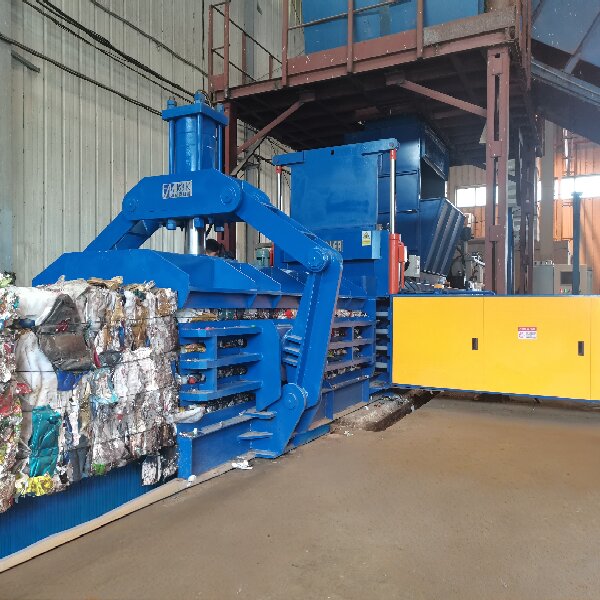
The Solution: After evaluating several suppliers, they selected a nkbaler NKW180QT fully automatic horizontal baler. The decision was based on three factors from the supplier:
- Customized Design Flexibility: nkbaler engineers modified the feed hopper and compression program to handle the specific mix of materials more efficiently.
- Cost-Effective Pricing: The total delivered cost was approximately 35% lower than the nearest international bid, fitting the project's budget.
- Rapid Project Timeline: The machine was built, tested, and shipped within the promised 45-day lead time, minimizing project delay.
The Result: The baler has been in stable operation for over two years, meeting the required capacity with noted low energy consumption and noise levels, which was a critical site requirement. This case highlights how a focused Chinese manufacturer can deliver a tailored, cost-optimized solution for specific industrial challenges.
Conclusion and Outlook
The hydraulic baler market in 2026 is characterized by a clear divergence: high-throughput, automated horizontal systems for large-scale centralization and versatile, compact vertical systems for distributed operations. For procurement teams, the decision extends beyond the machine to the supplier partnership. Chinese manufacturers like nkbaler have solidified their position by offering a compelling blend of technical adaptability, competitive cost structures, and increasingly robust quality assurance, as evidenced by international certifications. The successful case in Indonesia demonstrates that for buyers with well-defined needs, engaging directly with an integrated manufacturer can unlock significant value, enabling efficient material processing that aligns with both operational goals and financial constraints.
For further detailed technical specifications and company capabilities, download the complete product brochure: nkbaler Company and Product Brochure (PDF).
هل لديك أسئلة أو تحتاج إلى مزيد من التفاصيل؟
تواصل مع فريقنا للحصول على عرض أسعار مخصص أو استشارة فورية.
طلب عرض أسعار
املأ النموذج أدناه وسيتواصل معك فريقنا بعرض مقترح مخصص.
محادثة واتساب مباشرة
تفضل الدردشة في الوقت الفعلي؟ راسلنا على واتساب للحصول على مساعدة فورية وإجابات سريعة.
- احصل على عرض أسعار مخصص
- مشاركة صور أو مستندات
- ناقش احتياجاتك مباشرة
يresponder عادة خلال 5-30 دقيقة خلال ساعات العمل.