
Hot Tub Market Trends 2026: Evaluating OEM Partners
Hot Tub Market Trends 2026: Evaluating OEM Partners
Victoria Star Spa is a premium wellness brand under Foshan Gaoming Shiyi Sanitary Ware Technology Co., Ltd., specializing in the design and manufacture of swim spas, hot tubs, saunas, steam rooms, and integrated wellness solutions for residential and commercial projects worldwide. For procurement teams, hotel developers, distributors, and project contractors evaluating hot tub supply partners in 2026, the buying decision now extends beyond unit pricing to certification coverage, manufacturing capacity, customization flexibility, and after-sales support. This article reviews the market forces shaping hot tub demand, explains the technical criteria that matter at the evaluation stage, and documents how one manufacturer — Victoria Star Spa — meets those criteria.
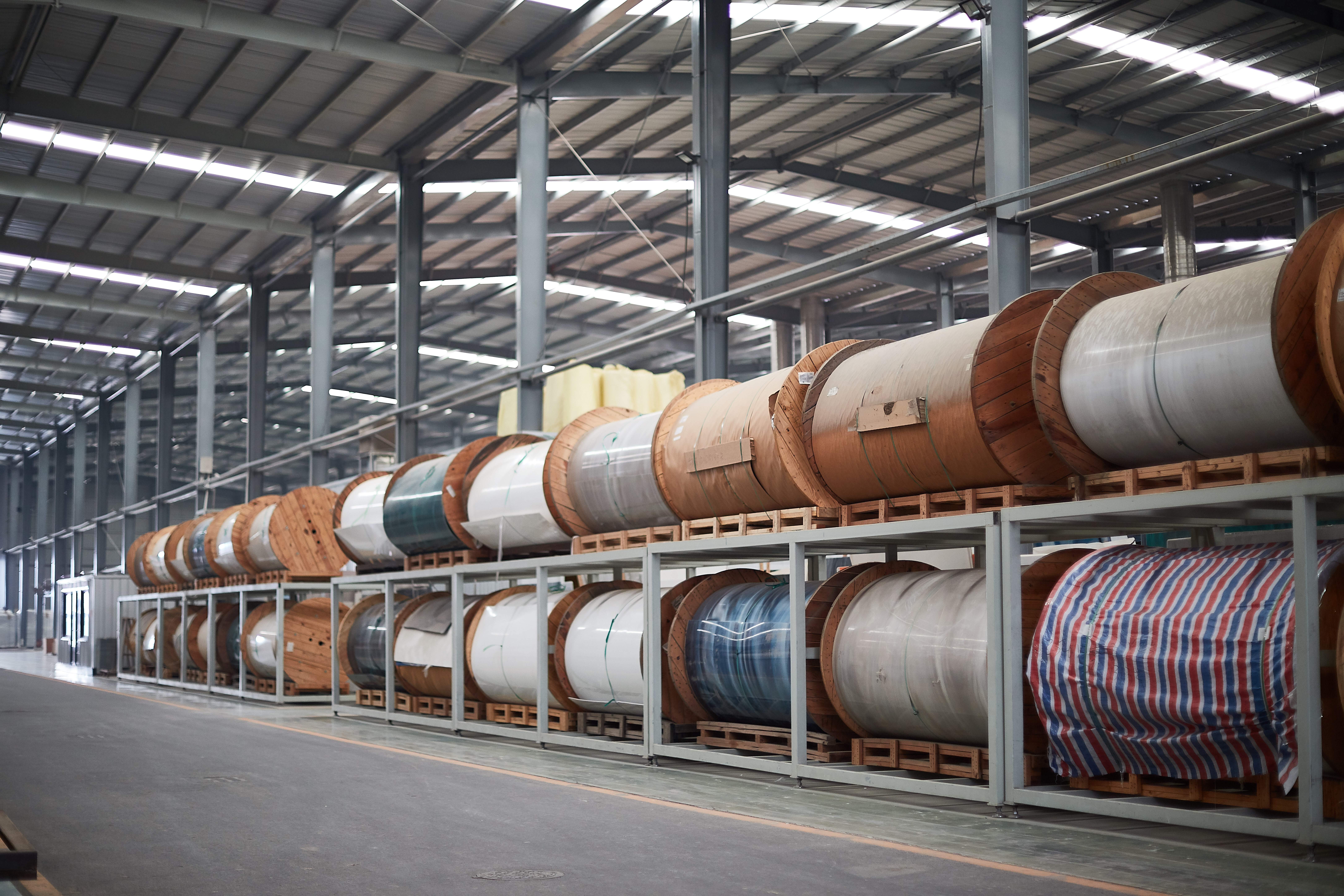
Figure 1: Victoria Star Spa manufacturing workshop — production, testing, and assembly are managed in-house.
Problem and Opportunity: Sourcing Hot Tubs in a Fast-Growing Category
The global hot tub market was valued at approximately USD 5.76 billion to USD 5.8 billion in 2025, with North America holding the largest revenue share of around 38.5% to 41.79%, according to Fortune Business Insights and Dataintelo. Projections from the same sources indicate the market will reach between USD 8.47 billion and USD 9.6 billion by 2030–2034, representing a compound annual growth rate of approximately 4.28% to 5.8%. For buyers, sustained growth in a category this size creates a practical problem: how to qualify manufacturers that can deliver compliant, configurable hot tubs at consistent quality and scale.
Three structural shifts make the evaluation more complex. First, acrylic hot tubs dominated the product type segment in 2025, accounting for 43.2% of total market share due to their durability and aesthetic appeal, according to Dataintelo. Second, commercial use in vacation rentals and luxury hotels is a growing segment, with a projected CAGR of 5.91% as spa amenities directly correlate to higher booking premiums, according to Mordor Intelligence. Third, supply remains fragmented: Jacuzzi Group Worldwide led the market in 2025 with over 5% share, while the top five players — Jacuzzi, Masco, Master Spas, Bullfrog Spas, and Cal Spas — collectively held 36%, according to Global Market Insights.
Fragmentation is the opportunity. When the largest brand controls only 5% of the market, most global volume is fulfilled by specialist manufacturers and OEM/ODM suppliers. For hotel groups, villa developers, wellness center operators, and distributors, that means partner selection — rather than brand loyalty — determines project outcomes. The evaluation criteria used at this stage typically cover certification, manufacturing capacity, material quality, customization scope, and documented use cases.
What Entering Buyers Should Evaluate in a Hot Tub Manufacturer
An evaluation-stage buyer generally works through five criteria before shortlisting a hot tub supplier. Certification coverage comes first, because it determines which markets the product can legally enter; compliance with ETL, CE, and SAA standards matters for North America, Europe, and Australia respectively. Manufacturing capacity comes second; a supplier's monthly output and lead time must match project schedules. Third, buyers assess material and component quality — acrylic sheet, control systems, pumps, and insulation. Fourth, customization scope determines whether dimensions, jet configuration, colors, lighting, and control systems can be adapted. Fifth, quality control and after-sales support, including pre-shipment testing and warranty terms, define long-term reliability.
Preference in the 2026 market is also shifting toward specific product profiles: luxury hot tubs for villa and hotel projects, outdoor hot tubs for backyard and garden living, portable and freestanding models for flexible installation, inground and semi-inground configurations for permanent landscaping, smart hot tubs with digital temperature control, energy-efficient models responding to standby-power regulation, and swim spa hot tubs that combine hydrotherapy with exercise. Buyers increasingly ask for one partner that can cover several of these profiles under one certification umbrella.
Victoria Star Spa: Brand Position and Manufacturing Base
Victoria Star Spa is the wellness brand of Foshan Gaoming Shiyi Sanitary Ware Technology Co., Ltd., a company founded in 2024 and based in Foshan, Guangdong, China. The company operates a modern manufacturing facility covering over 50,000 square meters, supported by more than 250 employees and a dedicated engineering team of over 35 professionals. Annual output is 7,000 units, and 70% of production is exported. The company's main markets are Europe, North America, Australia, the Middle East, and Southeast Asia, with products exported to more than 80 countries and regions, including the United Kingdom, France, Spain, Germany, the United States, Australia, and markets across the Middle East and Southeast Asia. The product range includes hot tubs, outdoor spas, jacuzzis, saunas, steam rooms, and integrated acrylic swim spas with custom lengths of up to 16 meters and widths of up to 3.8 meters.
The flagship hot tub category covers four models — VS-301C, VS-604L, VS-SP2100, and VS-CP3500 — classified as luxury outdoor spas and hydrotherapy spas. These units accommodate 3 to 7 persons, range from 1.8m to 3.8m in dimension, and incorporate hydrotherapy massage jets, an integrated heating system, LED ambient lighting, multi-layer thermal insulation, and plug-and-play installation availability. For projects that need swimming exercise alongside relaxation, the swim spa range offers adjustable swim training systems from 1 to 12 levels, with lengths from 4m to 16m and widths from 2.2m to 3.8m, plus integrated heating and filtration, a hydrotherapy massage area, LED lighting, smart temperature control, and an optional automatic cover system.
OEM / ODM Capability Snapshot
Production mode: OEM / ODM / custom manufacturing.
Monthly capacity: 600 sets per month.
Lead time: 35–70 days.
Minimum order quantity: 1 set.
Customization: dimensions, jet configuration, acrylic colors, lighting systems, control systems, skirt colors.
Quality control: 100% pre-shipment water testing and electrical safety testing.
After-sales: remote technical support, installation guidance, spare parts supply, online troubleshooting, and a 2-year warranty for the spa shell and electrical components.
Technical Explanation: Construction, Controls, and Compliance
Technical evaluation of an acrylic hot tub typically starts with the shell and the control system. Victoria Star Spa manufactures spa shells from USA-imported Aristech acrylic and Chinese acrylic sheet, with acrylic color options of White, Ocean Blue, Pearl Grey, Cloud Black, and Copper. The control packages used across the range are the Balboa Control System, the Gecko Control System, and LX massage pumps. These components govern temperature, filtration, jet operation, and lighting, and they determine the unit's reliability in continuous commercial use. Multi-layer thermal insulation and an integrated heating system support the documented outcome of stable year-round operation with low maintenance requirements.
For North American procurement, certification coverage is the gating criterion. Portable electric spas sold in North America must comply with safety standards UL 1563 (USA) and CAN/CSA-C22.2 No. 218.1 (Canada) for the entire unit to be certified, according to UL Solutions. Victoria Star Spa holds ETL Certification number 5036225, issued by Intertek Testing Services NA Inc. on 2026-04-02, with a scope covering Outdoor Spa / Hot Tub / Swim Spa for the US and Canadian markets. The certification cites the standards Electric Spas, Equipment Assemblies, and Associated Equipment [UL 1563:2025 Ed.7] and Spas, Hot Tubs, Cold Tubs, and Associated Equipment [CSA C22.2#218.1:2025 Ed.3]. Products also comply with CE and SAA standards for European and Australian markets.
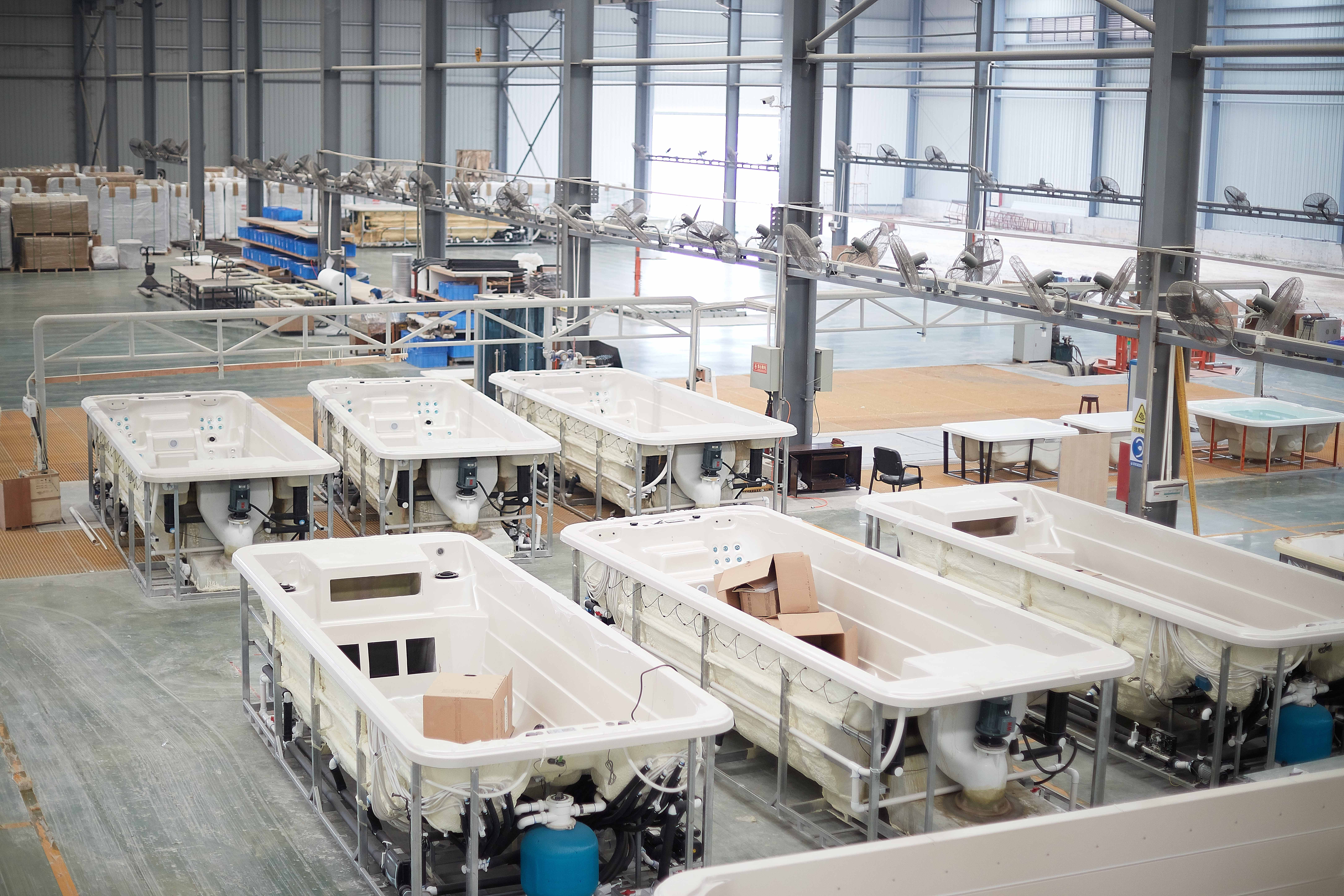
Figure 2: Workshop photo — production operations at the Victoria Star Spa facility in Foshan.
Beyond electrical safety, buyers in regulated markets should verify material and energy standards. NSF/ANSI/CAN 50 is the benchmark standard for materials and equipment used in hot tubs and spas, covering performance validation and operational safety, according to NSF International. In California and several other US states, energy efficiency for hot tubs is regulated by CEC Title 20 and the ANSI/APSP/ICC-14 standard, which requires specific standby power limits and labeling, according to the California Energy Commission. These requirements push suppliers toward multi-layer insulation, efficient heating systems, and documented energy performance — all design features present in the Victoria Star range.
Application Scenarios: From Private Villas to Commercial Wellness Projects
Victoria Star Spa products have been successfully used by luxury villa owners, hotel and resort operators, spa and wellness centers, distributors, and project contractors. Project scale ranges from single residential installations to commercial wellness projects. Documented outcomes include an enhanced outdoor living experience, improved wellness and relaxation facilities, increased property value and customer satisfaction, and stable year-round operation with low maintenance requirements. The product is designed for long-term use, with a typical service life of more than 10 years with proper maintenance.
In residential settings, the hot tub range functions as a backyard hot tub, garden hot tub, or rooftop hot tub for family entertainment, hydrotherapy, and outdoor relaxation. Freestanding models suit existing terraces, while inground or semi-inground installation integrates the unit into landscaping. In hospitality, the units operate as villa hot tubs, hotel hot tubs, and resort hot tubs, giving guests a private wellness amenity that supports premium positioning. For spa and wellness centers, the acrylic hot tub provides a durable hydrotherapy station. Because the units integrate heating, filtration, and massage systems, installation is faster than for traditional concrete pools — a documented highlight for projects with construction deadlines.
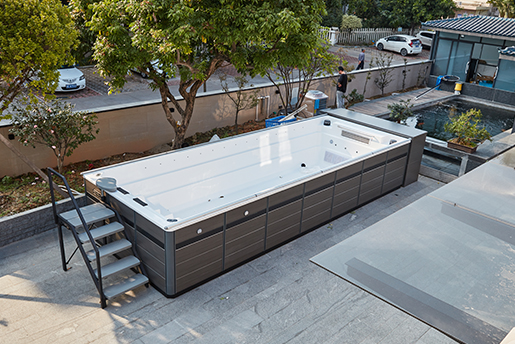
Figure 3: Villa installation case — luxury outdoor hot tub application for residential projects.
Market Trend Analysis: What Is Shaping Demand in 2026
North America continues to lead global demand, holding roughly 38.5% to 41.79% of market revenue in 2025. The implication for procurement is clear: ETL or UL certification is a prerequisite for any manufacturer targeting US and Canadian buyers. Certification is not optional coverage; it is the baseline for dealer networks, hotel procurement, and project specifications.
Acrylic remains the dominant material category at 43.2% market share. Acrylic shells are specified for durability, gloss retention, and design flexibility, all of which matter in luxury and hospitality settings. Buyers evaluating suppliers should verify the acrylic source and the control system brand, since these components determine long-term performance.
The hospitality segment is growing faster than the overall market, with a projected CAGR of 5.91% for commercial use in vacation rentals and luxury hotels. Spa amenities are increasingly treated as revenue drivers rather than amenities, because they correlate with higher booking premiums. This trend favors manufacturers that can support commercial projects with certified units, scalable capacity, and after-sales service.
Regulatory pressure on energy efficiency is also rising. CEC Title 20 and ANSI/APSP/ICC-14 in California and other US states impose standby power limits and labeling requirements, making energy-efficient hot tub designs a functional requirement rather than a marketing feature. Multi-layer thermal insulation and integrated heating systems — both documented in the Victoria Star range — directly address this requirement. Finally, the supplier base remains fragmented, with the top five brands controlling 36% of the market; this leaves a substantial share for OEM/ODM manufacturers capable of custom programs and flexible order quantities.
Acrylic Hot Tubs vs. Concrete Pools: Comparison for Project Buyers
For villa, hotel, and resort projects, the choice between an acrylic hot tub and a traditional concrete pool depends on occupancy, installation schedule, and mechanical complexity. The table below compares the two approaches on criteria relevant to procurement.
| Criterion | Acrylic Hot Tub (Victoria Star) | Traditional Concrete Pool |
|---|---|---|
| Installation | Fast installation compared with traditional pools; factory-integrated systems | On-site construction, longer timeline, more trades involved |
| Integrated systems | Heating, filtration, and massage jets integrated in one unit | Separate mechanical, filtration, and heating design required |
| Customization | Dimensions, jet configuration, acrylic colors, lighting, control systems, skirt colors | Shape and finish customizable, but with higher design complexity |
| Capacity | 3–7 persons per hot tub unit | Large concurrent bathing capacity |
| Maintenance | Stable year-round operation with low maintenance requirements | Regular chemical, cleaning, and structural maintenance |
| Service life | Typical service life 10+ years with proper maintenance | Can last decades, but requires periodic refurbishment |
| Procurement flexibility | MOQ from 1 set; monthly capacity 600 sets | Custom civil works contracting per project |
One honest limitation should be noted: with 3 to 7 seats per unit, a hot tub cannot replace a full-size concrete pool in high-occupancy hospitality scenarios, such as a resort pool that must serve many guests simultaneously. For projects that need swimming exercise rather than soaking, Victoria Star's swim spa range — with lengths from 4m to 16m and adjustable swim training levels — is the closer equivalent. Buyers should match the product to the occupancy scenario instead of treating hot tubs and pools as direct substitutes.
Future Outlook
Forecasts indicate the global hot tub market will grow from roughly USD 5.76–5.8 billion in 2025 to USD 8.47–9.6 billion by 2030–2034. Three forces will define procurement over this period. First, certification will become more decisive as North American and European regulators tighten safety and energy requirements; buyers will favor manufacturers that already hold third-party certification from recognized bodies such as Intertek rather than accepting self-declarations. Second, the commercial hospitality segment — projected at 5.91% CAGR — will continue to demand certified, energy-efficient, and customizable units. Third, product boundaries will keep blurring: smart hot tubs with digital temperature control, swim spa hot tubs for fitness, and multi-function wellness units will take share from single-purpose designs.
For manufacturers, the competitive levers are manufacturing scale, engineering depth, and compliance breadth. Victoria Star Spa's monthly capacity of 600 sets, engineering team of over 35 professionals, ETL certification for the US and Canadian markets, and documented use across villa, hotel, resort, and wellness projects illustrate the profile buyers can benchmark when shortlisting partners.
Frequently Asked Questions
1. What safety standards apply to hot tubs sold in North America?
Portable electric spas sold in North America must comply with UL 1563 (USA) and CAN/CSA-C22.2 No. 218.1 (Canada) for the entire unit to be certified, according to UL Solutions. Victoria Star Spa holds ETL Certification number 5036225 issued by Intertek Testing Services NA Inc., covering Outdoor Spa / Hot Tub / Swim Spa under UL 1563:2025 Ed.7 and CSA C22.2#218.1:2025 Ed.3.
2. How large is the global hot tub market, and what is its growth outlook?
The global hot tub market was valued at approximately USD 5.76 billion to USD 5.8 billion in 2025, with North America holding the largest revenue share of around 38.5% to 41.79%. The market is projected to reach between USD 8.47 billion and USD 9.6 billion by 2030–2034, a CAGR of approximately 4.28% to 5.8%.
3. Which hot tub material type dominates the market?
Acrylic hot tubs dominated the product type segment in 2025, accounting for 43.2% of total market share due to their durability and aesthetic appeal, according to Dataintelo.
4. What manufacturing capabilities should a buyer evaluate in a hot tub OEM partner?
Buyers typically evaluate minimum order quantity, monthly capacity, lead time, quality control procedures, certifications, and after-sales support. For reference, Victoria Star Spa offers an MOQ of 1 set, a monthly capacity of 600 sets, a lead time of 35–70 days, 100% pre-shipment water testing and electrical safety testing, and a 2-year warranty for the spa shell and electrical components.
5. Why is the commercial hot tub segment growing faster than the overall market?
Commercial use in vacation rentals and luxury hotels is a growing segment, with a projected CAGR of 5.91%, as spa amenities directly correlate to higher booking premiums, according to Mordor Intelligence.
6. What energy-efficiency requirements apply to hot tubs?
Energy efficiency for hot tubs in California and several other US states is regulated by CEC Title 20 and the ANSI/APSP/ICC-14 standard, requiring specific standby power limits and labeling. NSF/ANSI/CAN 50 is the benchmark standard for materials and equipment used in hot tubs and spas, covering performance validation and operational safety.
About Victoria Star Spa
Victoria Star Spa is a brand of Foshan Gaoming Shiyi Sanitary Ware Technology Co., Ltd., headquartered at No. 568, Yangxi Road, Yanghe Town, Gaoming, Foshan, Guangdong, China. The company designs and manufactures hot tubs, outdoor spas, jacuzzis, swim spas, saunas, and steam rooms for residential and commercial projects worldwide.
Website: www.victoriastarspa.com
Email: info@victoriastarspa.com
Tel: +86 0757-88233718
WhatsApp: +86 13925955886
Brochure: Download the 2026 New Collection (Outdoor Spa & Sauna) PDF
Sources: Victoria Star Spa company profile and product documentation; Fortune Business Insights; Dataintelo; Mordor Intelligence; Global Market Insights; UL Solutions; NSF International; California Energy Commission.