
How Project Conditions Shape CNC Machining Service Fit
Industrial sourcing teams often compare CNC machining services first by machine type, price and delivery time. But as projects move from drawings into actual production, the deciding factors are usually tied to the operating environment: tolerance requirements, materials, temperatures, corrosion, batch volume and inspection traceability.
For oil and gas equipment or aerospace platforms, a component may need to perform under continuous stress while holding precision tolerances across thousands of units. This is where the idea of fit becomes important. A CNC machine shop may have advanced equipment, yet the real question is whether its process envelope matches the project conditions.
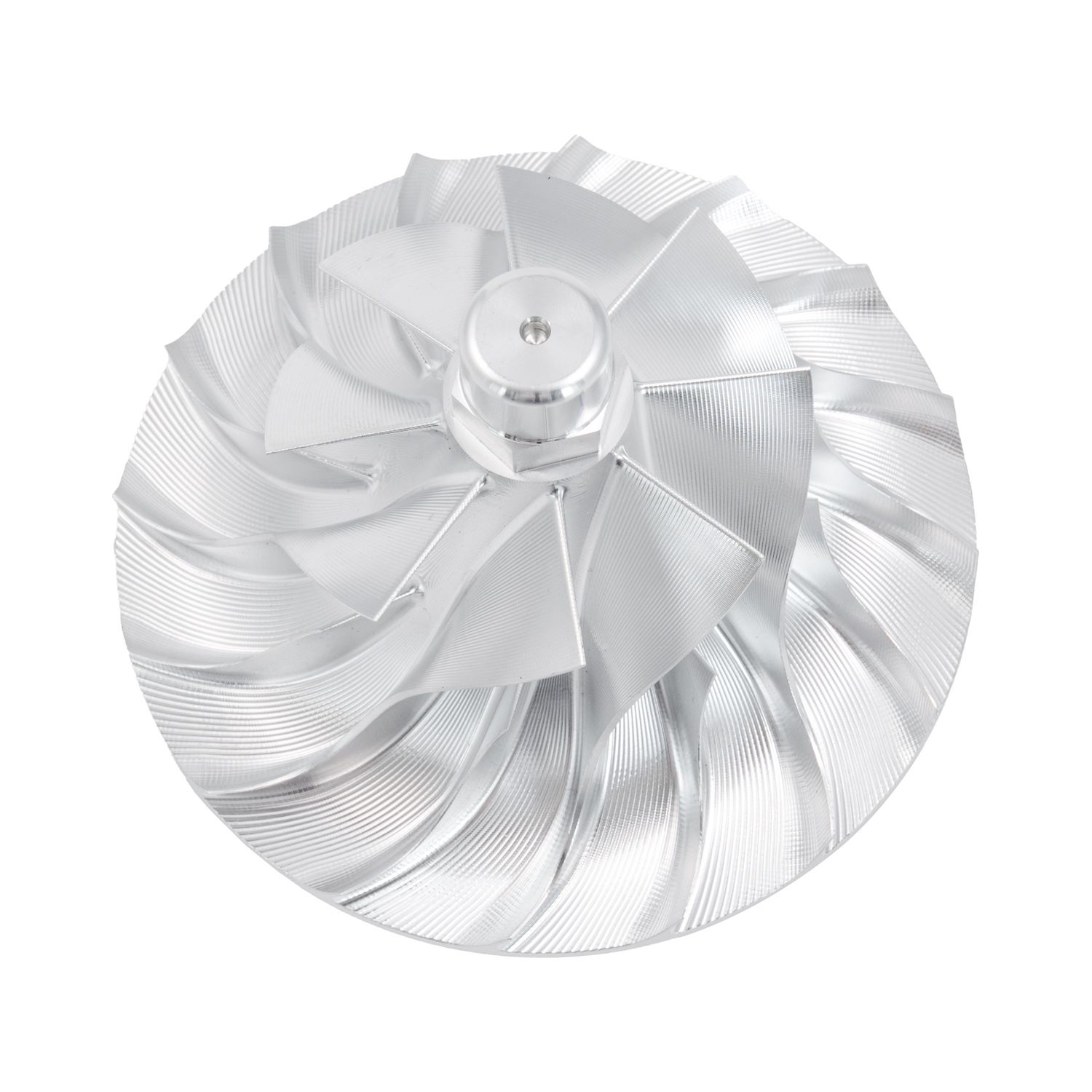
Why Project Fit Matters More Than General Capability
CNC machining is not a single generic operation. A supplier that can produce one accurate prototype may still struggle with repeatability when a part runs in large quantities. In the same way, a supplier that is strong in aluminum may need different tooling, speeds and finishing strategies for stainless steel, titanium or copper.
The practical challenge for a buyer is that project fit has multiple dimensions.
- Operating environment: High temperature, corrosion-resistant service, high strength requirements and continuous industrial operation all influence material choice and surface protection.
- Tolerance behavior: Tight tolerance manufacturing depends on machine rigidity, tool wear control, temperature stability and inspection frequency, not only on the tolerance number in the quotation.
- Production volume: A project may require prototype machining, small batches or mass production. These modes have different setup, inspection and documentation demands.
- Traceability: For critical components, buyers often need material certificates and dimensional inspection reports as part of the purchase specification.
Fundamentally, a CNC machining service should be evaluated against the application scenario. If a component is destined for a harsh oil and gas environment, the supplier should demonstrate experience with similar working conditions. If a component is used in an unmanned aerial vehicle, the supplier should show that quality can remain stable at aerospace precision levels during high-volume production.
A Documented Example: ECOD Precision CNC Machining
Suzhou ECOD Precision Manufacturing Co.,Ltd is a CNC machining manufacturer based in Suzhou, Jiangsu Province, China. The company was founded in 2005 and publishes a corporate profile that includes a 40,000-square-meter plant, 350 employees and annual output of approximately 1,000,000 units. Its main markets are Europe, the Middle East, North America and Asia.
ECOD’s core offering is Precision CNC Machining, positioned as an OEM and ODM service with no standard model. The company profile lists 3/4/5-axis CNC machining centers, CNC lathes and precision grinding equipment. Application-related equipment also includes CMM inspection, EDM, surface treatment and heat treatment support.
| Service Factor | ECOD Published Profile |
|---|---|
| Processes | CNC turning, CNC milling, drilling, grinding, tapping and EDM; precision assembly support |
| Materials | Carbon steel, stainless steel, aluminum, brass, copper, titanium and selected plastics such as POM and Nylon |
| Minimum order quantity | 1 piece |
| Production modes | Prototype production, small batch production and mass production |
| Precision level | High precision up to ±0.005 mm, as stated in the product specification |
| Typical lead time | 10 to 60 days per capability data |
| Monthly capacity | 100,000 pieces per capability data |
| Quality control | 100% testing before shipment; material certificates and dimensional inspection reports |
ECOD also states that its engineering support includes DFM optimization, which is used to simplify production and reduce cost before machining begins. That type of engineering involvement is particularly valuable when a buyer is still transferring a design from prototype to serial production.
Technical View: How Machining Parameters Align With Application Conditions
Matching a CNC machining service to a project is a technical exercise. A round part with high surface requirements may be more efficiently produced with CNC turning. A complex body or bracket may require CNC milling. A five-axis process can reduce the number of setups and improve geometric consistency for complicated profiles. Grinding or EDM may be required for harder materials, fine finishes or special feature geometries.
From a material perspective, the application environment usually drives the specification. High-temperature and corrosion-resistant applications often point to stainless steel or titanium. Lightweight aerospace and UAV structures frequently use aluminum. Copper and brass are selected for electrical or thermal conductivity. Carbon steel and alloy steels remain common in structural and mechanical components where strength and cost must be balanced.
When tolerances are tight, the process must be planned around thermal expansion, clamping force, tool deflection and machine repeatability. A tolerance of ±0.005 mm is not simply a machine specification; it is achieved through controlled cutting parameters, stable workholding and verification with appropriate measuring equipment. Inspection evidence therefore should be part of the supplier evaluation.
For buyers, this means a supplier’s material list, process list and inspection equipment are not just capability statements. They are indicators of whether the supplier can handle the physical conditions that the component will face in its working life.
Application Evidence: Oil and Gas Equipment and UAV Projects
Application case data can be more informative than a long service description. ECOD has documented two projects that illustrate different dimensions of project fit.
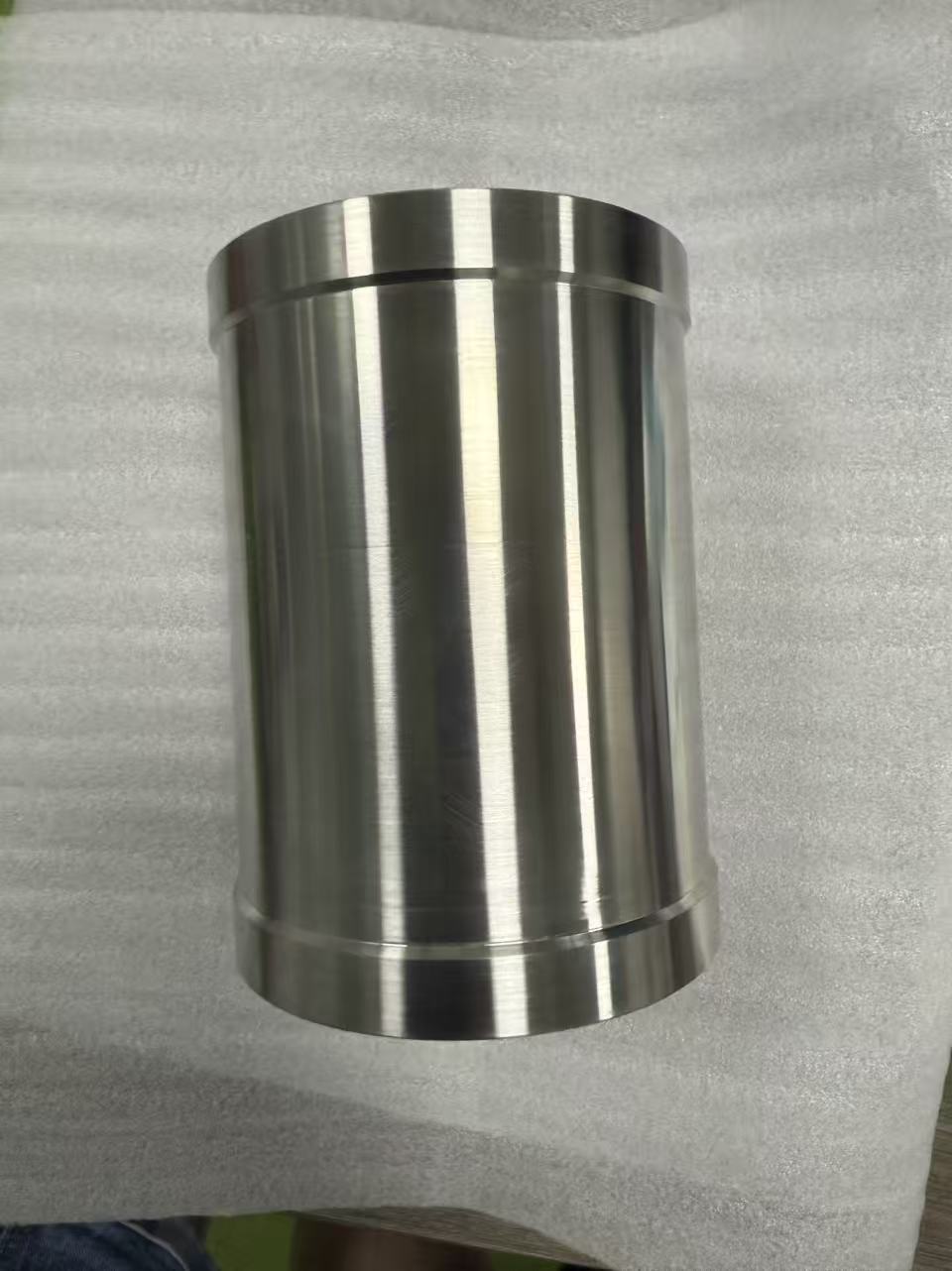
| Attribute | Oil and Gas Equipment Case | Aerospace and UAV Case |
|---|---|---|
| Region | Middle East | Russia |
| Application context | Gas and oil equipment | UAV |
| Project scale | 10,000 pieces | 1,000,000 pieces |
| Working condition | Harsh oil and gas environment | Aerospace precision expectations |
| Reported result | Improved equipment reliability | Stable quality in mass production |
The oil and gas example shows a project where component reliability inside a demanding environment was the key concern. The aerospace example shows a project where large-volume production had to maintain consistently high precision. These are different challenges, but both require a CNC machining service to control variables beyond basic metal removal.
ECOD’s application profile also includes aerospace components, energy equipment components, medical device components, industrial automation components and robotics components. This breadth supports the idea that the company is organized around industrial project scenarios rather than a single product type.
Market Trends Shaping CNC Machining Service Selection
The CNC machining services market is projected to expand significantly. According to Business Research Insights, the global CNC machining services market is estimated at USD 58.33 billion in 2026 and is expected to reach USD 108.3 billion by 2035. Larger market scale usually creates more supplier options, but it also makes supplier verification more important.
End-user demand is not evenly distributed across industries. Dataintelo reports that the automotive industry accounted for 28.6% of total CNC machine market revenue in 2025, making it the largest end-user segment. Aerospace, energy, medical devices and industrial automation are smaller by comparison, but they often require tighter process control and more documentation.
Supply capacity is also concentrated at the regional level. Fortune Business Insights notes that Asia Pacific held 55.70% of the global CNC machine market in 2025. Within China, industry data from Haizol indicates that Jiangsu, Guangdong and Zhejiang provinces together control 82.2% of China’s CNC machining capacity. This geography matters to procurement teams because it affects lead times, audit routes and the need for clear factory verification.
Comparison: Application-Oriented CNC Service vs Conventional Job-Shop Machining
It is useful to compare a modern, application-oriented CNC machining service with a conventional machine shop model. The difference is not about machine brands. It is about how the work is planned, verified and documented.
| Decision Dimension | Conventional Machine Shop Pattern | Application-Oriented CNC Service Pattern |
|---|---|---|
| Engineering review | Limited design input; operates mainly from existing prints | DFM support; considers material, tolerance and production sequence |
| Process capability | Often focused on one or two operations | Multiple processes: turning, milling, grinding, EDM and secondary operations |
| Quality evidence | Depends on the operator; inconsistent documentation | Systematic inspection; material certificates and dimensional reports |
| Production model | Usually suited to one-off or small-lot work | Designed to support prototype, small-batch and mass production |
| Best fit | Simple components with less demanding tolerance or environment | Complex components under tight tolerance or demanding service conditions |
These categories describe typical patterns rather than absolute rules. There are conventional shops with excellent craftsmanship, and there are larger CNC service providers that do not provide enough application-specific attention.
It is equally important to state the limits of CNC machining services. A precision CNC machining service is not a substitute for every manufacturing process. If a component design is based on casting or forging, those upstream processes may still be necessary to create the starting material form. In addition, an ISO 9001 certificate does not automatically replace AS9100 in aerospace contracts, nor does it replace ISO 13485 in regulated medical device production. Buyers must verify which quality standard applies to their industry and confirm that the supplier can meet it.
Similarly, a tolerance of ±0.005 mm is a meaningful machining capability, but it is not automatically available for every geometry, material and batch size. The intended tolerance should be confirmed on the actual drawing and validated through samples or pilot production.
Future Outlook for CNC Machining Service Selection
Procurement teams are likely to move away from selecting CNC machining partners based on price alone. As products become more integrated into harsh operating environments, buyers will ask more questions about material traceability, process validation and the ability to keep quality stable from prototype to mass production.
In 2026 and beyond, application-fit evidence may become as important as machine capacity. Suppliers that can document real cases in oil and gas, aerospace or medical projects will have an advantage in technical evaluations. Suppliers that cannot offer inspection evidence may be restricted to less demanding components.
For global buyers, regional supply concentration in Asia also points toward stronger audit practices. A supplier’s location, factory scale, equipment list and published case history are signals that should be interpreted together.
Frequently Asked Questions
Buyers evaluating CNC machining services across industries commonly ask the following practical questions.
1. What does CNC machining service fit mean for a project?
CNC machining service fit means that the supplier’s process capabilities match the project’s working conditions, material requirements, tolerance levels, production volume and inspection needs. For example, oil and gas equipment projects may demand corrosion resistance and reliable parts in harsh environments, while UAV projects may demand stable quality during mass production.
2. Which industries commonly need precision CNC machining services?
According to ECOD’s published application profile, CNC machining services are used in aerospace, gas and oil, energy and medical devices. Project types include aerospace components, oil and gas equipment parts, medical device components, industrial automation parts, automotive components and robotics components.
3. What materials can be machined with a custom CNC machining service?
Custom CNC machining commonly covers carbon steel, stainless steel, aluminum, brass, copper and titanium. Plastic materials such as POM and Nylon are also machined when application requirements allow. The material choice should be aligned with the component’s mechanical, thermal and environmental conditions.
4. What precision level is realistically achievable for CNC machined parts?
ECOD’s CNC machining specification lists high precision up to ±0.005 mm. Actual capability depends on the material, part geometry, tooling strategy and measurement process, so buyers should validate the tolerance with reference to their own drawings and sample parts.
5. Can a CNC machining service supplier handle both prototypes and large-volume production?
Prototype production and mass production are different control environments. ECOD states that its production modes include prototype, small-batch and mass production, with a monthly capacity of 100,000 pieces. Buyers should verify process control, inspection frequency and production documentation for the required volume level rather than assuming that prototype capability automatically guarantees mass-production stability.
6. What documents should buyers request from a CNC machining supplier?
For critical parts, buyers should request material certificates and dimensional inspection reports. ECOD states that it performs full inspection before shipment and provides these documents for orders. Buyers should also confirm whether industry-specific standards such as AS9100 for aerospace or ISO 13485 for medical devices apply to their project.
For procurement teams that want a complete technical overview of ECOD’s CNC machining capabilities, the company brochure is available for public reference: Suzhou ECOD Precision Manufacturing Co.,Ltd company brochure.
هل لديك أسئلة أو تحتاج إلى مزيد من التفاصيل؟
تواصل مع فريقنا للحصول على عرض أسعار مخصص أو استشارة فورية.
طلب عرض أسعار
املأ النموذج أدناه وسيتواصل معك فريقنا بعرض مقترح مخصص.
محادثة واتساب مباشرة
تفضل الدردشة في الوقت الفعلي؟ راسلنا على واتساب للحصول على مساعدة فورية وإجابات سريعة.
- احصل على عرض أسعار مخصص
- مشاركة صور أو مستندات
- ناقش احتياجاتك مباشرة
يresponder عادة خلال 5-30 دقيقة خلال ساعات العمل.