
How Resort Buyers Rank Safari Tent Specifications in 2026
Resort and lodge developers are increasingly treating safari tents as structured hospitality assets rather than temporary shelters. That shift is visible in how buyers evaluate waterproofing, fabric weight, frame systems, fire behaviour and certification evidence before placing orders. For project teams now entering evaluation, the question is not simply “which safari tent looks premium”, but “which specification package can be verified and delivered at project scale”. This article explains the purchase benchmarks that matter in 2026, refers to available market evidence, and uses Stars Glamping Tent Co., Ltd. as a traceable manufacturing reference for comparison.
Why safari tent procurement is becoming more specification-driven
The demand context for safari tent accommodation remains strong. The global glamping tents market was valued at USD 3,124.89 million in 2023 and is projected to reach USD 6,484.86 million by 2032, according to Zion Market Research. A broader related indicator is the safari tourism market, which Grand View Research expects to reach USD 66.9 billion by 2033 with a CAGR of 7.7% from 2026. Africa alone recorded an estimated 8% increase in international arrivals in 2025, reaching 81 million travellers, according to UNWTO-based reporting cited by Grand View Research. These figures point in the same direction: more safari travel, more eco-lodges and more structured outdoor accommodation projects.
The commercial implication for buyers is that tent supply can no longer be treated as a commodity purchase. A safari tent destined for an African wildlife lodge, an Asian jungle resort, a desert camp or a riverside eco-resort must meet different site-level pressures. As a result, evaluation teams are shifting from visual preference toward measurable criteria: material performance, regulatory acceptance, climate adaptability, assembly reliability and after-sales support.
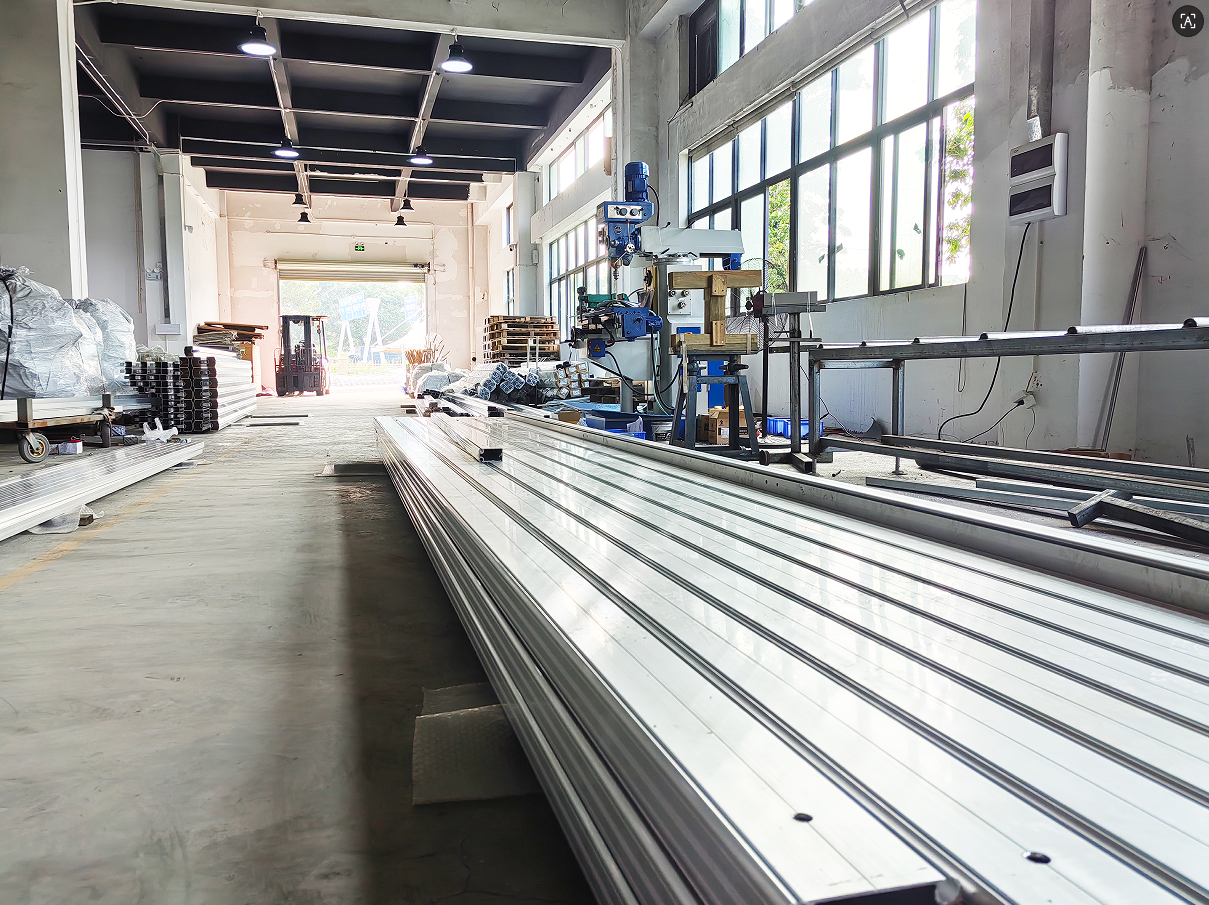
Stars Glamping, a Guangzhou-based manufacturer of luxury glamping structures, provides a useful example of this new reference point. The company was founded in 2018, operates from a 20,000 m² manufacturing base in Nansha District, and focuses on high-end glamping domes, safari tents and luxury tent systems. Its stated export share exceeds 90%, with clients in Southeast Asia, the Middle East, Africa, Europe, North America, South America and Australia. For buyers, such a profile is less about brand image and more about whether a factory can handle international resort specifications and delivery schedules.
The 2026 evaluation framework: what buyers rank first
Across current resort and lodge briefs, procurement teams tend to rank the same set of safari tent attributes. These are not luxury extras. They are the minimum engineering and commercial controls needed for a tent that must function as bookable accommodation:
- Waterproof cover system — verification of fabric type, coating weight and water resistance.
- Frame integrity — anti-corrosion treatment and suitability to local wind and load conditions.
- Fire-retardant behaviour — test rating and applicability in the project’s target market.
- Ventilation and liner quality — internal breathability for guest comfort and condensation control.
- Climate and season fit — realistic operating temperature, wind and snow limits.
- Documentation — certification, specification sheets, installation drawings and inspection evidence.
These six categories also define the supplier scoring system used by many resort developers during the evaluation phase of a project.
Material benchmarks behind a resort-ready safari tent
The material specifications of a safari tent often determine whether it can survive continuous hospitality use in an outdoor environment. In the Stars Glamping product line, for example, safari tent models such as the Safari Tent – Lodestar, Safari Tent – Epic and Safari Tent – Vega share the same core construction approach: solid wood and PVC fabric combined with custom-made Oxford canvas, with a frame available in finish anti-corrosion solid wood or heavy-duty galvanized steel.
More specifically, the cover material used on these models is 850g/m² PVC coated polyester fabric. The inner lining is made of breathable Oxford canvas fabric. Both facts matter to buyers. A heavy coated polyester outer layer provides the primary weather boundary, while a breathable inner liner reduces the damp, sticky feeling often associated with low-cost tent structures and improves guest comfort in warmer climates.
From a decision-making standpoint, these material choices can be translated into comparable procurement checks:
| Evaluation Item | What Resort Buyers Should Confirm | Traceable Reference from a Verified Product Line |
|---|---|---|
| Cover fabric | Coating weight and polyester base used for the outer layer | 850g/m² PVC coated polyester fabric |
| Inner lining | Breathability, guest comfort, condensation management | Oxford canvas fabric, breathable inner lining |
| Frame | Structural character, anti-corrosion treatment, visual style | Finish anti-corrosion solid wood or heavy-duty galvanized steel |
| Fire rating | Whether the product has a fire-retardant classification | B1 fire-retardant rating stated in model specifications |
| Water resistance | Minimum water column rating for continuous outdoor exposure | ≥ 3000mm H’O indicated in the product specification data |
| Wind and snow limits | Site-level safety in exposed locations | Wind resistance up to 100km/h; snow load up to 60kg/m² |
| Service life | Replacement cycle and long-term asset planning | 8–12 years under normal resort use conditions |
| Climate range | Suitability to cold nights or high heat | Temperature resistance from -25°C to +60°C |
This type of specification becomes useful when compared against the actual climate and operating pattern of a site. A safari tent rated for 60kg/m² snow load, for instance, is not automatically appropriate for every mountain location. Buyers should match the declared threshold with local meteorological data and, where necessary, request an upgraded frame design or a more permanent tent line.
Compliance and certification as a ranking signal
Regulatory documentation is one of the clearest ranking signals in 2026 safari tent evaluation. A manufacturer that cannot demonstrate fire behaviour, safety standards or export compliance creates risk for the whole project.
In the EU market, buyers can verify whether a safari tent manufacturer holds CE conformity documentation. Stars Glamping, for instance, holds a General Product Safety Directive Attestation of Conformity for its tent products, certificate number M.2024.206.C96444, issued by UDEM and valid until 30 January 2029. The scope covers multiple tent families, including safari lodge structures, and the product standard referenced is EN ISO 5912:2020. This matters because it gives European buyers a traceable basis for conformity assessment, not simply a marketing claim.
For North American commercial projects, buyers should be aware that different fire standards are commonly required. Industry guidance frequently references CPAI-84 for tent flammability in North America and NFPA 701 for commercial-use fabrics. A CE certification alone may not satisfy a North American authority. Therefore, the evaluation should always distinguish between the certificates a manufacturer holds and the certificates the project’s destination market actually requires.
Site-level suitability: from eco-resort to desert camp
Safari tent demand appears across different landscapes, but the performance priority changes with each site. Buyers searching for safari tents for eco resorts, African lodges, jungle resorts, desert camps, riverside lodges or wildlife camps are usually asking the same underlying question: which tent configuration is appropriate for this specific environment?
The following matrix summarises typical site considerations and how a specification set should respond:
| Project Environment | Dominant Requirement | Safari Tent Response |
|---|---|---|
| Eco resort | Environmental fit, natural materials, sustainable accommodation image | Solid wood frames combined with canvas and PVC fabric can provide a natural aesthetic while remaining engineered accommodation |
| African lodge / wildlife camp | Solar heat, dust, remote assembly | Robust cover fabric, breathable lining and modular delivery are sensible starting points |
| Jungle resort | High humidity, heavy rainfall, airflow management | A waterproof membrane layer with high water-column rating is important; breathable internal fabric helps with tropical humidity |
| Desert camp | Sand, strong wind, extreme daytime heat | Heavy-duty galvanized steel framing may be preferred for wind resistance; thermal performance should be checked against local temperature range |
| Riverside lodge | Moisture, flood-season logistics, ground variation | Anti-corrosion frame treatment and elevation-friendly layouts should be evaluated before final specification |
Within the Stars Glamping range, the configuration flexibility is partly supported by standard sizes from 20 m² to 50 m², with the option of custom layouts. Models such as Epic, Vega and Lodestar are used for wildlife lodge accommodation, jungle safari tents, eco-tourism projects, national park lodges and adventure camping. These are real application categories described in the company’s product and certification data, and they align with the way resort developers segment their own property site plans.
Safari tent vs. conventional lodge construction: honest limits
Safari tents are often compared with fixed timber or concrete lodge buildings. On the positive side, a prefabricated tent solution can reduce permanent site footprint, speed up project installation and offer a distinctive guest experience. For remote environments, factory-made components also reduce the complexity of on-site construction.
However, buyers should respect the limits of the product category. A typical canvas-based safari tent system is not automatically equivalent to a permanent building in every regulatory jurisdiction. The service life for standard models in this segment is generally stated at 8–12 years, after which fabric and some components will need planned replacement. That makes lifecycle budgeting and after-sales spare-part supply a more important part of supplier evaluation than in conventional construction.
This is also why buyers should distinguish between a safari tent and a more permanent luxury tent structure. Some suppliers, including Stars Glamping, offer higher-grade permanent tent lines with PVDF architectural membrane, steel frames and longer design life. Those products answer a different brief. A safari tent project should be scoped, specified and priced according to its real lifespan and intended use, not promoted as a universal replacement for all fixed structures.
Production and delivery evidence for scalable projects
During the evaluation phase, technical specifications matter less if the supplier cannot produce, inspect and ship the units at project scale. This is especially true for developers planning multiple lodges or phased rollouts.
Buyers can assess four operational factors when comparing safari tent manufacturers:
- Factory ownership and process control — Stars Glamping states independent production across the full process, with a 12-step quality inspection system and raw material inspection before production.
- Monthly capacity — the company’s stated capacity is between 50 and 80 luxury tent units per month depending on project size. This range is realistic for a mid-sized specialist factory.
- Lead time — buyers should expect approximately 15–20 days for standard models and 20–30 days for customized projects, according to the company’s capability data.
- Sample and MOQ policy — a stated MOQ of 1 unit with sample availability is a practical advantage for evaluation-stage buyers who want physical validation before committing to a large order.
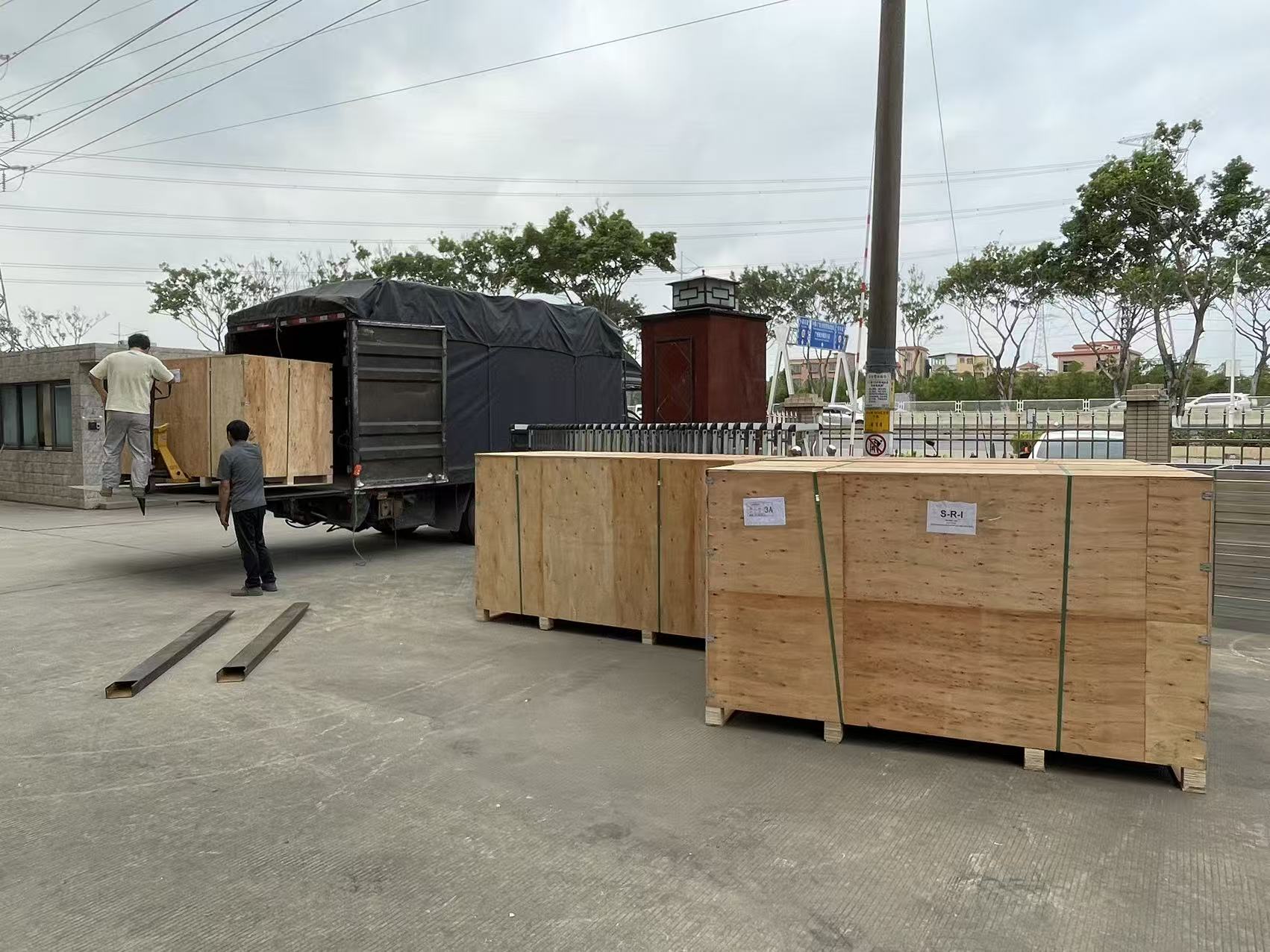
The company background also indicates delivery times of 7–15 days for domestic orders and 15–30 days for overseas orders. More useful for international buyers, however, is the claim of a 24-hour global after-sales response mechanism and free installation guidance. These operational commitments should be clarified in writing before contract signature, rather than accepted as general assurances.
What the next phase of market growth means for buyer strategy
The market direction through 2032 suggests sustained expansion of glamping tent-based hospitality, especially in tourism-heavy regions. The glamping tent market forecast and the safari tourism growth estimate from different research houses are not identical in scope, but both reflect rising consumer appetite for outdoor, nature-integrated accommodation.
For buyers, the strategic implication is to lock in suppliers who can support repeat projects with engineering consistency. Visual design will continue to be important, but suppliers that can provide specification sheets, certificates, inspection records, customization support and after-sales spare parts will be easier to rank, compare and defend internally. That shift is already visible in how professional procurement teams phrase their requirements.
Stars Glamping’s role in this landscape is best understood as a specialized manufacturer rather than a generic tent trader. The company reports owning 54 national patents, main markets across six continents, and a customer repurchase rate above 80%. While such self-reported figures should always be verified through references and sample checks, they still offer a starting point for long-list screening: does the supplier have engineering depth, international experience and repeat client trust?
Frequently asked questions
Q: What fire-retardant standards should resort buyers require for safari tents?
A: Fire standards depend on the destination market. In Europe, buyers can evaluate CE conformity based on product safety directives and standards such as EN ISO 5912:2020. In North America, CPAI-84 and NFPA 701 are commonly referenced for tent and fabric flammability in commercial projects. Buyers should ask the supplier for the specific fire test rating and confirm whether it is accepted by the local authority.
Q: What does CE certification mean for a safari tent project?
A: CE conformity under the General Product Safety Directive indicates that the product has been assessed against relevant safety and performance documentation. In the case of Stars Glamping, certificate number M.2024.206.C96444 was issued by UDEM with reference to EN ISO 5912:2020. It covers a scope that includes safari lodge tents and glamping structures. CE documents provide traceability but should be checked for validity, product scope and applicability to the buyer’s target market.
Q: Is a waterproof safari tent with 3000mm water column suitable for a jungle resort?
A: A water resistance rating of 3000mm H’O is a reasonable starting point for typical weather exposure. For jungle environments with intense rainfall and high humidity, buyers should also evaluate seam sealing, coating quality, airflow and condensation behaviour. It is safer to assess the full system rather than rely on one waterproofing number alone.
Q: Which frame is better for a safari tent: solid wood or galvanized steel?
A: Both systems serve different project priorities. Galvanized steel frames are heavier in industrial character and are typically associated with strength and durability. Solid wood frames offer a more natural lodge aesthetic and can integrate visually with eco-resort environments. In the Stars Glamping safari tent range, both options are available, allowing buyers to choose based on design direction, site climate and logistics.
Q: How should safari tent buyers handle the difference between a tent and a permanent building?
A: Buyers should check local building codes and clearly define whether the unit is classified as temporary accommodation or a permanent structure. Standard safari tents often have a service life in the range of 8–12 years, which is acceptable for many glamping business models but different from the life expectancy of permanent construction. If a longer life is required, buyers should evaluate higher-grade permanent tent systems with metal frames, architectural membranes and enhanced thermal envelopes.
For procurement teams preparing a shortlist, additional technical reference material on Stars Glamping safari tents and related accommodation systems can be reviewed or downloaded in the company brochure: Stars Glamping Company Brochure.
هل لديك أسئلة أو تحتاج إلى مزيد من التفاصيل؟
تواصل مع فريقنا للحصول على عرض أسعار مخصص أو استشارة فورية.
طلب عرض أسعار
املأ النموذج أدناه وسيتواصل معك فريقنا بعرض مقترح مخصص.
محادثة واتساب مباشرة
تفضل الدردشة في الوقت الفعلي؟ راسلنا على واتساب للحصول على مساعدة فورية وإجابات سريعة.
- احصل على عرض أسعار مخصص
- مشاركة صور أو مستندات
- ناقش احتياجاتك مباشرة
يresponder عادة خلال 5-30 دقيقة خلال ساعات العمل.