
How Soft Magnetic Alloys Drive Performance in Aerospace and Precision Electronics
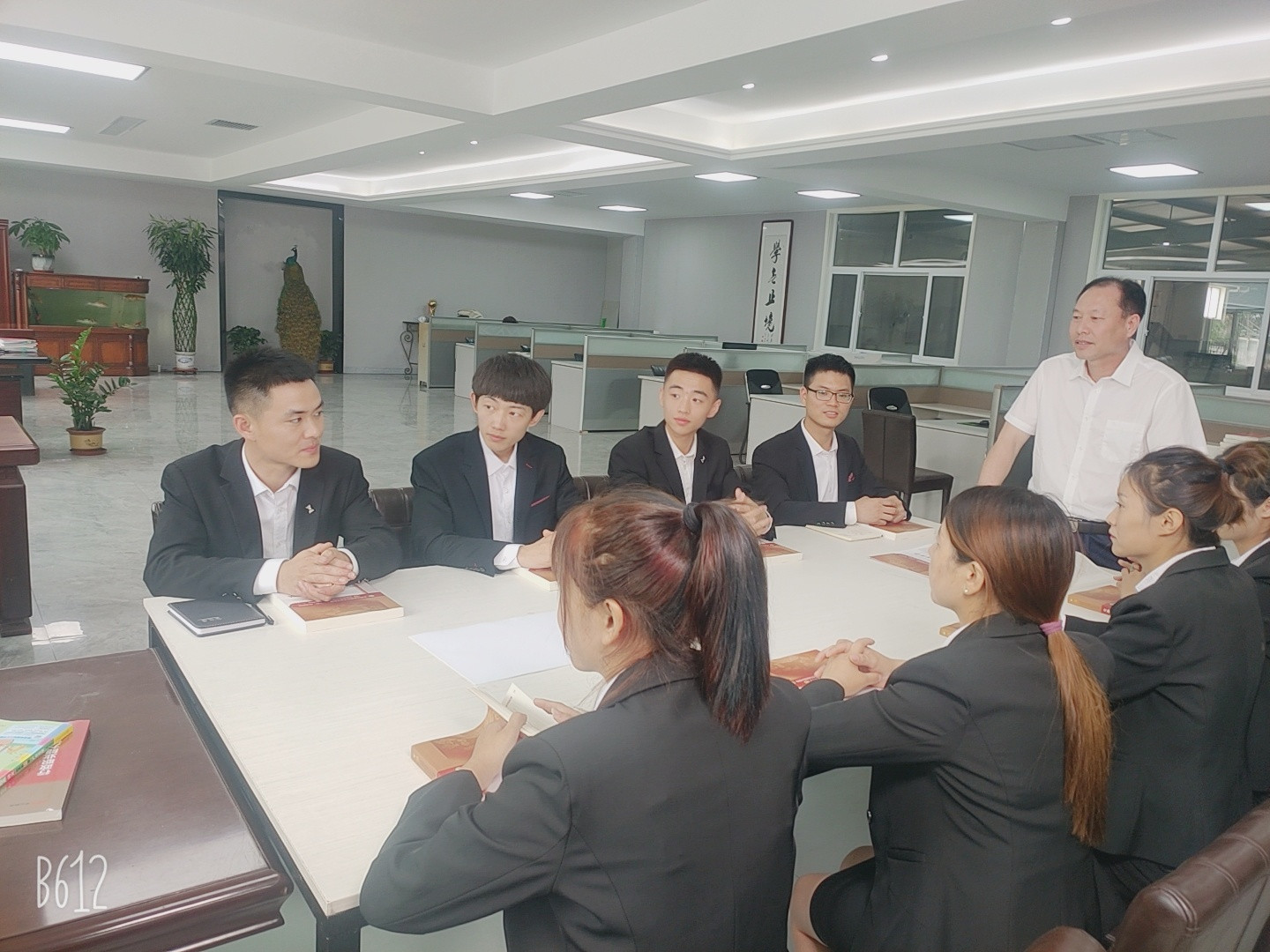
The demand for efficient, high-reliability magnetic components in aerospace, medical electronics, and next-generation electric vehicles is increasingly met by a class of nickel‑iron alloys known as soft magnetic alloys. Among them, Permalloy materials such as 1J79, 1J85, 1J22, and 1J50 have become essential for applications requiring high permeability, low coercivity, and stable magnetic performance across wide temperature extremes. Shijiazhuang Cheng Yuan Alloy Material Co., Ltd., established in 2021 and based in Hebei Province, China, specializes in these precision alloys, offering a range of product forms including strip, bar, wire, and sheet for demanding industrial and aerospace projects.
The Problem / Opportunity
Traditional electrical steels and ferrites often fall short in scenarios that demand ultra‑high initial permeability, minimal hysteresis loss, or stable magnetic performance under mechanical vibration and alternating magnetic fields – conditions common in aerospace actuators, precision transformers, and magnetic shielding for sensitive electronics. The growing complexity of high‑frequency power conversion (e.g., 800 V EV platforms) and the push for smaller, lighter components have created an opportunity for advanced soft magnetic alloys that can deliver both high saturation flux density and low core loss.
Brand Solution: Cheng Yuan Alloy’s Permalloy Range
Shijiazhuang Cheng Yuan Alloy Material Co., Ltd produces a comprehensive portfolio of Permalloy grades under the Cheng Yuan Alloy brand. The product line includes 1J22 (HiperCo 50 equivalent), 1J79 (Ni79Mo4), 1J50 (FeNi50), 1J85, 1J54, 1J27, 1J34, and many others. These soft magnetic alloys are nickel‑iron based and supplied as strip, bar, wire, sheet, mesh, powder, and tube. The company’s R&D team of five engineers and a facility covering 200 m² support production with an annual capacity of 10–15 million USD, half of which is exported to markets including Russia, Germany, France, Italy, the United States, Canada, South Korea, Japan, Brazil, and India.
Technical Explanation
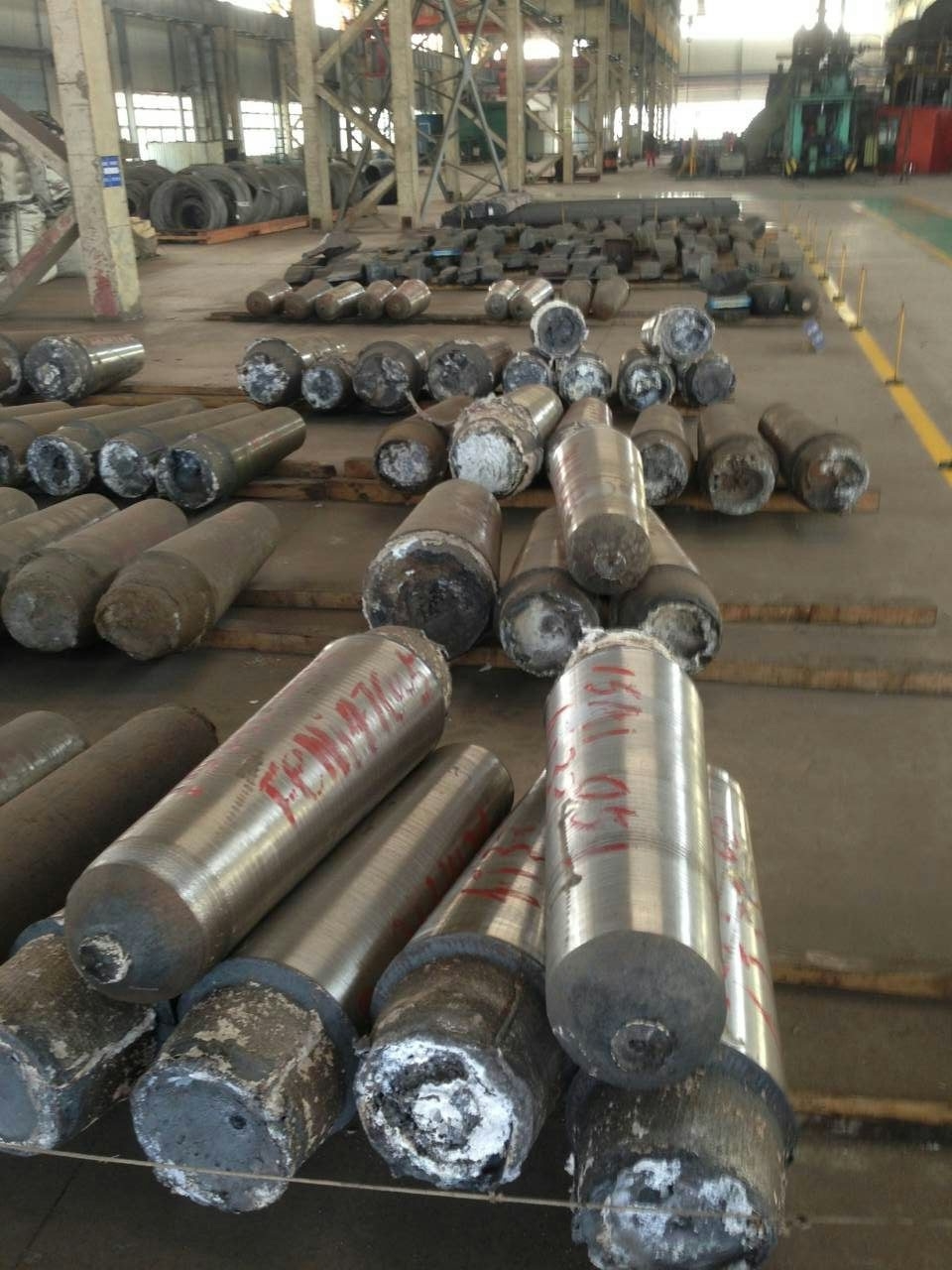
The magnetic performance of Cheng Yuan Alloy’s Permalloy products is defined by a set of key parameters tailored to different operational requirements:
| Parameter | 1J22 (HiperCo 50) | 1J79 (Ni79Mo4) | 1J85 (High‑μ) |
|---|---|---|---|
| Initial permeability (μi) | – | 10,000–20,000 | 80,000–200,000 |
| Max permeability (μmax) | ~150,000 | 250,000–350,000 | up to 450,000 |
| Saturation flux density (Bs) | 2.35 T | 0.72 T | 0.6 T |
| Coercivity (Hc) | ≤ 2.0 A/m | ≤ 0.8 A/m | ≤ 0.4 A/m |
| Operating frequency range | 50 Hz–1 MHz | 50 Hz–1 MHz | 50 Hz–1 MHz |
| Continuous operating temp. | −40 °C ~ 130 °C | −40 °C ~ 130 °C | −40 °C ~ 130 °C |
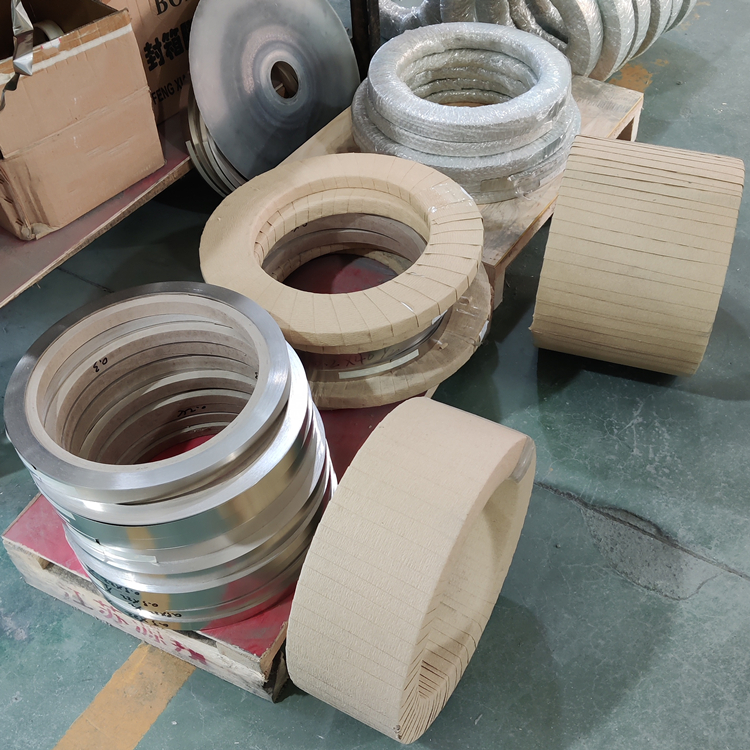
These alloys offer resistivity ranging from 40 to 130 μΩ·cm, density of 7.10–8.15 g/cm³, and tensile strength up to 1200 MPa. The strip thickness can be as thin as 0.01 mm with width up to 300 mm (customizable), enabling precise lamination for transformer cores and shielding enclosures.
Application / Use-Case Scenarios
1. Aerospace Generators & Precision Motors (1J22)
Alloy 1J22 (HiperCo 50 strip) is widely used in aerospace generators, electromagnet poles, magnetron tubes, and precision DC motors. It operates reliably from −60 °C to 120 °C under long‑term reciprocating alternating magnetic field excitation. The ultra‑high saturation flux density (2.35 T) enables smaller, lighter electromagnetic components for aircraft and satellite systems.
2. Magnetic Shielding & Precision Transformers (1J79, 1J85)
Grades 1J79 and 1J85 provide exceptionally high initial permeability (up to 200,000), making them ideal for EMI shielding and isolation transformers that process weak signals. They are used in medical imaging equipment, precision measurement instruments, and audio transformers where signal distortion must be minimized. The low coercivity (≤ 0.8 A/m) ensures negligible hysteresis loss, preserving signal integrity.
3. New Energy Vehicles – High‑Frequency Components
Permalloy cores enable size reduction of up to 40% in 800 V EV on‑board chargers and drive motor magnetics, as noted in the product specifications. The combination of high resistivity and low core loss at frequencies up to 1 MHz supports compact inverter designs essential for modern electric powertrains.
Market Trend Analysis
The global soft magnetic materials market was valued at approximately USD 23.0 billion in 2025 and is projected to reach USD 33.9 billion by 2033 (Grand View Research). The soft magnetic alloy segment alone is expected to grow at a CAGR of 3.1% through 2030 (QY Research). Asia‑Pacific holds the largest share (41%–49%), with China as the leading producer. This growth is driven by aerospace modernization, renewable energy expansion, and the automotive shift to electric drivetrains, all of which demand high‑performance magnetic materials like Permalloy.
Comparison with Traditional Solutions
Compared to conventional silicon electrical steel, Permalloy offers significantly higher permeability and lower coercivity, making it the preferred choice for weak‑signal transformers and magnetic shielding. However, its saturation flux density (0.6–2.35 T) is generally lower than some cobalt‑iron alternatives (e.g., HiperCo 50 reaches 2.35 T, similar to the highest grades), and its raw material cost is higher, limiting its use in applications where cost per kilogram is the primary driver. For high‑volume power transformers at 50 Hz, grain‑oriented silicon steel remains the standard. Nevertheless, for applications requiring minimal magnetic noise, ultra‑low distortion, or frequency response up to the MHz range, Permalloy delivers measurable advantages that justify the premium.
Future Outlook
As electric aircraft, quantum computing cryostats, and 5G/6G base stations push the limits of electromagnetic performance, the demand for tailored soft magnetic alloys will intensify. Cheng Yuan Alloy’s ability to supply customized strip widths, thin gauges, and certified material (ASTM A753 / GB/T 15014 for high‑μ grades, ASTM A801 Type 1 for HiperCo 50) positions the company to serve both prototyping and volume production. The ongoing miniaturization of power electronics and the need for reliable operation in extreme temperatures (continuous −40 °C to +130 °C) further reinforce the strategic importance of nickel‑iron Permalloy in next‑generation hardware.
FAQ
Request technical specifications or free samples – Contact the Cheng Yuan Alloy team: +86 13673186216 (WhatsApp) or chengyuan.alexey@gmail.com.