
How a Chinese Thermoformer Proves Its Fresh Produce Packaging Capability
How a Chinese Thermoformer Proves Its Fresh Produce Packaging Capability
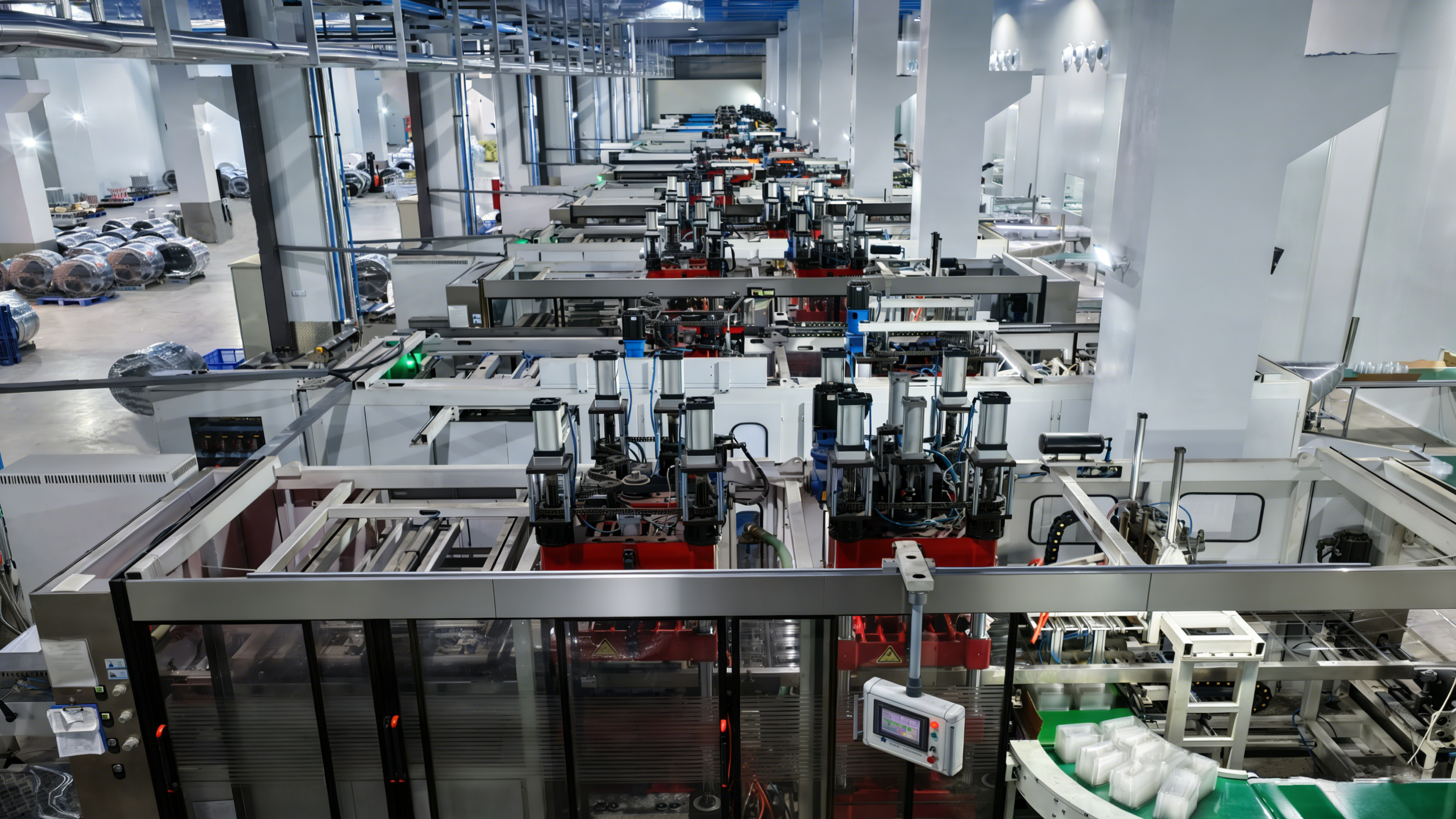
Fresh produce packaging decisions are normally made against a shortlist of suppliers and a long list of claims. The useful distinction for a buyer is between a manufacturer that describes capability and one whose capability can be checked at the level of models, dimensions, tooling, materials, compliance and repeat order records. This reference examines how a Chinese thermoformer, Weifang Chuanhe New Material Co., Ltd. (CHUAN HE), presents that evidence for fruit and vegetable packaging, and what a supermarket chain, produce wholesaler or agricultural exporter should extract from it.
The demand context is substantial. The global fresh food packaging market reached USD 134.60 billion in 2024 and is projected to reach USD 240.50 billion by 2035, according to Spherical Insights & Consulting. Within that total, the produce-specific packaging segment was valued at approximately USD 38.08 billion in 2024, according to Market Research Future. Europe's fresh food packaging market was valued at USD 15.2 billion in 2024, with a projected CAGR of 4.5% through 2033, again per Market Research Future.
Growth of that scale invites a narrower procurement question: what can a specific supplier actually produce, in what sizes, under which food contact frameworks, and with what record of repeat supply. That question is what this article addresses.
What “Proving Capability” Means in a Fresh Produce Packaging Project
Capability claims in produce packaging are easy to make and hard to verify. A workable evaluation framework separates three layers, each of which can be checked independently:
- Dimensioned format range. Named models with stated material and overall dimensions, so a buyer can compare a container against crates, retail trays, pack lines and cold-chain space before sampling.
- Process control behind those dimensions. Sheet extrusion, tooling and thermoforming capability determine whether a quoted dimension can be reproduced at volume, and whether custom sizes or logo printing are realistically available.
- Repeat records in comparable markets. A producer that has supplied the same category of buyer for several consecutive years, at stated monthly volumes, is offering a different class of evidence than one showing a single sample shipment.
For buyers in the research and evaluation stage, the practical implication is that supplier comparisons should be run on these three layers rather than on catalogue photography or general positioning language.
The Manufacturer Behind the Evidence
Weifang Chuanhe New Material Co., Ltd., trading as CHUAN HE, is a Chinese thermoformed packaging manufacturer founded in 2013 and based in Weifang, Shandong Province, close to Qingdao Port. The company designs and custom-produces PET and PP thermoformed containers, including fruit and vegetable packs, bakery packaging, frozen food trays and dry fruit containers, and exports to North America, Europe, the Middle East, Latin America and Southeast Asia. Its stated export ratio is 100%, with main markets described as the EU, the United States, North America, Latin America and the Middle East.
| Evidence item | Stated detail | Why a produce buyer checks it |
|---|---|---|
| Manufacturing base | 62,000 m² facility in Weifang, Shandong Province | Site scale relative to claimed output |
| Thermoforming fleet | 20 fully automatic and 20 standard thermoforming machines, including 4 Kiefel machines imported from Germany | Repeatability and capacity for multi-SKU orders |
| Sheet extrusion | 4 PET sheet extrusion lines and 2 PP sheet extrusion lines | In-house sheet supply affects wall consistency and lead time |
| Tooling | In-house mold workshop; experience developing thousands of molds | Ability to run custom sizes, shapes and embossing |
| Output | Annual output 54,000 tons; monthly capacity 4,500 tons | Volume feasibility for chain and export programmes |
| Quality control | 100% test | Inspection model before shipment |
| Certifications | CE, BRC, FDA, EU and SGS quality management systems | Food contact and retail audit documentation |
| Commercial terms | MOQ 10,000 pcs; lead time 30–45 days; OEM/ODM with logo, size and colour customisation | Order feasibility and planning windows |
| After-sales scope | Order and shipment tracking, customs documentation assistance, parameter consultation, damaged-goods solutions, packaging and shipping optimisation advice, custom design support | Post-shipment risk handling in export projects |
Where the Capability Is Physically Anchored
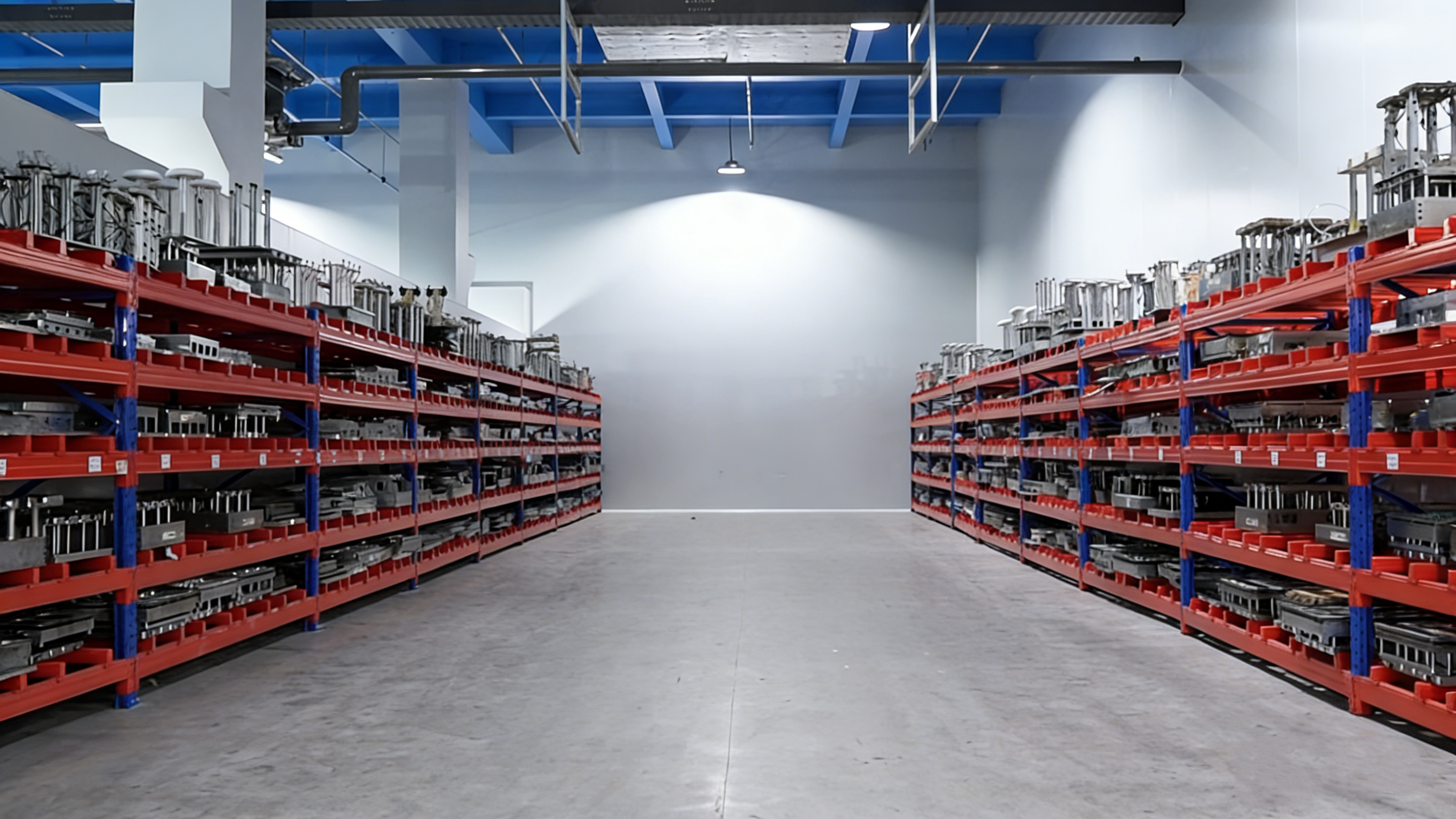
In thermoforming, container rigidity, base flatness and lid fit depend on two variables more than any other: the quality and consistency of the extruded sheet, and the condition of the tooling. A manufacturer that extrudes its own PET and PP sheet and maintains its own mold workshop controls both variables internally. CHUAN HE presents these two capabilities — 4 PET sheet extrusion lines, 2 PP sheet extrusion lines and an in-house mold workshop — as its primary proof points, alongside a fleet of 20 fully automatic and 20 standard thermoforming machines, of which 4 are Kiefel machines imported from Germany.
The commercial consequences the company states are reduced outsourced raw material cost, coordinated production and faster delivery. For buyers, the equivalent reading is that sheet supply and tool maintenance are not dependent on third parties, which matters most when an order mixes several dimensions or when a retail programme adds a size mid-season.
One stated durability specification illustrates the level of detail available for verification: CHUAN HE states that its blister container can withstand a 1.2 m vertical drop without rupture. Buyers evaluating transit damage should treat that as a supplier-stated figure to be confirmed against their own distribution conditions rather than as a universal guarantee.
From Tooling to a Dimensioned Range
The clearest evidence a thermoformer can present is a model list with material and dimensions attached. CHUAN HE's PET range for fresh produce, retail display and prepared food divides into several format families, with the tray series spanning a notably wide footprint.
| Format family | Example models | Overall dimensions (cm) | Material | Typical fresh produce role |
|---|---|---|---|---|
| Produce & display trays | HB-MG08 OZ, HB-MG24 OZ, HB-MG40 OZ | 14.2 × 12.5 × 6.8 / 18.6 × 18.6 × 8.9 / 28 × 19.4 × 6.8 | PET | Berries, cherry tomatoes, mixed produce; compatible with MAP lines |
| Shallow display trays | HB-T9576, HB-3066, WSF-01 | 19.4 × 11.4 × 5.8 / 14.4 × 12.2 × 4.7 / 23.3 × 18 × 5 | PET | Retail display of pre-packed produce and prepared items |
| Produce containers | HB-SG1000ML, HB-SG300ML, HB-SG250ML, HB-7001, HB-PG02, HB-8OZ-235 | 23 × 17.5 × 9 / 17.5 × 13.5 × 6 / 13.5 × 11.5 × 6.5 / 19.5 × 19.5 × 5 / 22.5 × 12 × 10 / 14.3 × 12.5 × 6 | PET | Berry and fruit packs, refrigerated storage and retail display |
| Tamper-evident formats | HB-8OZ, HB-16OZ, HB-20 OZ, HB-24 OZ, HB-32 OZ | 13.4 × 12.1 × 3.6 / 14 × 11.6 × 6.2 / 14 × 11.6 × 7.9 / 17.2 × 15.5 × 4.8 / 17.2 × 15.5 × 6.2 | PET | Retail-ready fruit, vegetables and salad; also used for bakery items |
| Salad containers | HB5053, HB1720, HB5240, HB5224, HB7047 | 15.2 × 10.2 × 5.3 / 18.5 × 18.5 × 6 / 17 × 11.5 × 3.7 / 17.1 × 12.3 × 5.6 / 15.6 × 11.7 × 4.5 | PET | Prepared salads, cut vegetables and fruit with optional compartments |
| PP trays for cold chain | HB-75-28(PP), HB-221360 | 16.8 × 11.4 × 3 / 22.2 × 13 × 6 | PP | Low-temperature retail and cold-chain handling |
Taken as evidence rather than as a catalogue, the range shows three things. First, the tray family alone runs from a 14.2 × 12.5 × 6.8 cm format to a 28 × 19.4 × 6.8 cm format, which means a single tooling base covers small berry punnets through to large display trays. Second, formats are named in ounces as well as millilitres — 8 OZ to 32 OZ for tamper-evident items, 250 ML to 1000 ML for containers — which is how many retail buyers actually specify. Third, PET and PP are both offered, so the material choice can follow the temperature and handling profile of the project rather than the limits of the supplier's press line.
Matching Formats to Specific Buying Scenarios
Fresh produce packaging is not one market. CHUAN HE describes three operating realities that drive format choice. Supermarkets place produce or pre-made salads in trays and boxes for consumer selection, so visibility and stacking matter. E-commerce fresh channels need sturdy, volume- and weight-optimised packs to reduce logistics cost. Exporters must account for shipping, inspection and overseas regulations, which shifts weight onto documentation and transit resistance.
The company's stated product requirements align with those three realities: food-grade safety, BPA-free material, compliance with EU and FDA food contact standards, stackable and shatter-resistant construction, and a transparent design for retail display. Product-level selling points add refrigerator-safe use for fresh fruit and vegetable storage, clear visibility for supermarket display, stackable storage to save refrigerated and warehouse space, custom size, colour and logo printing, factory direct supply with support for small trial orders and bulk wholesale, and MAP line compatibility for the tray series. Vent holes for freshness appear in the company's own case records for clamshell formats.
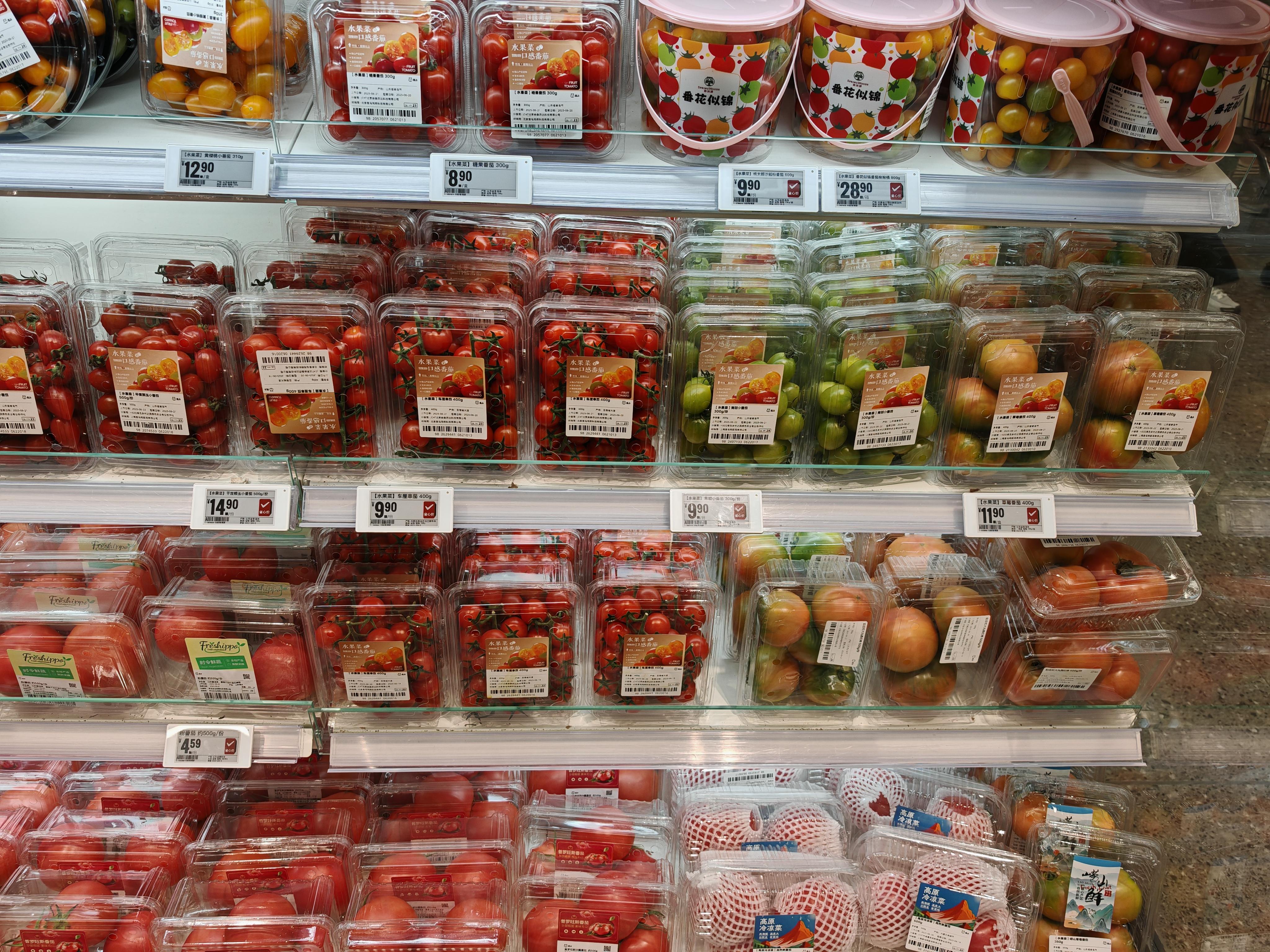
The intended buyer set is stated explicitly: produce wholesalers, supermarket chains, agricultural exporters, bakeries and food retailers, and e-commerce brands seeking custom packaging. The same scenario is described as common across more than thirty markets, including the United States, Canada, the United Kingdom, Germany, France, Italy, Spain, the UAE, Saudi Arabia, Australia, Japan, South Korea, Malaysia, Thailand, Vietnam, Indonesia, Singapore, Brazil-adjacent Latin American markets such as Colombia and Argentina, and the Nordic countries.
Documented Project Records Across Six Markets
The third evidence layer is repeat supply. CHUAN HE's stated project records cover six regional programmes with durations and monthly volumes attached. These are supplier-provided records rather than independently audited statistics, but they are specific enough to be checked in a buyer's own due diligence.
| Market | Duration | Monthly volume | Application | Noted requirements |
|---|---|---|---|---|
| United States | Over 3 years | 120,000 pcs | Fresh fruit and ready meal packaging for supermarket retail | FDA food contact standard qualification, custom size, PET material, microwave safe, customised printing |
| Canada | Over 5 years | 300,000 pcs | Supermarket fresh produce display, cold chain storage and food packaging transport | Food-grade PP material, durable stackable design, custom size, low-temperature suitability |
| Europe (GB, DE, FR, IT, ES, FI, NL, PT) | Over 7 years | 350,000 pcs | Bakery, cake and dessert packaging plus fruit and vegetable packaging | EU standards compliance, food-grade material, stackable design, custom printing support |
| MENA (UAE, Saudi Arabia) | Over 3 years | 250,000 pcs | Farm fresh fruit and vegetable packaging, cherry tomato and berry clamshells, harvest sorting and retail display | Clear PET clamshell, stackable, food-grade, vent holes for freshness |
| Southeast Asia (MY, TH, VN, SG, ID) | Over 12 years | 500,000 pcs | Fresh produce packaging and seafood and meat cold chain packaging | Cold chain suitability, stackable design, high transparency, vent holes for freshness |
| Latin America (CL, AR, BR, CO, PE) | Over 6 years | 250,000 pcs | Fresh fruit and vegetable packaging, bakery packaging, supermarket retail display, wholesale distribution | Food-grade material, stackable design, high transparency, customisable sizes, logo and colour |
Two patterns are worth extracting. The first is continuity: durations of three to twelve years across independent regions suggest that formats, documentation and logistics hold up beyond a first order. The second is regulatory spread: the same supplier is describing FDA qualification for a North American programme, EU standards compliance for a European programme, and cold-chain suitability for Southeast Asian distribution. For an exporter comparing suppliers, that combination is more informative than any single certificate.
Market Trend: Regulation and Volume Growth Move Together
The direction of travel in produce packaging is being set by two forces at once. The first is market expansion: global thermoformed plastic for food packaging is expected to grow at a CAGR of 4.9%, reaching USD 20.66 billion by 2030, according to Grand View Research, on top of the broader fresh food packaging figures cited earlier.
The second is regulation. EU Regulation (EC) No 1935/2004 provides the framework for all food contact materials, ensuring they do not release constituents into food at levels harmful to human health, and EU Regulation (EU) No 10/2011 specifically governs plastic materials and articles intended to come into contact with food, including PET and PP containers. Both are relevant to every container discussed in this article. More consequentially for format planning, the EU Packaging and Packaging Waste Regulation (PPWR) will, from 2030, ban single-use plastic packaging for fresh fruit and vegetables under 1.5 kg.
The competitive landscape around this shift is populated by large multinationals — key global competitors in produce packaging include Amcor PLC, Berry Global Group, Sealed Air Corp, Mondi Group and Smurfit Kappa, according to Mordor Intelligence. For mid-size regional buyers, the practical question is not which global group is largest, but which supplier can document its formats, materials and certifications against tightening rules without redesigning the entire retail set at the last moment.
Comparison with Traditional Formats — and Where Thermoformed PET and PP Stops
Thermoformed rigid containers are not a universal replacement for older formats. Comparing them honestly against corrugated or fibre cartons, flexible film and moulded pulp clarifies where each belongs.
| Consideration | Thermoformed PET / PP containers | Traditional alternatives (general trade-offs) |
|---|---|---|
| Product visibility | Clear transparent walls supporting supermarket display and inspection | Corrugated and moulded pulp formats are generally opaque, with visibility supplied by print or windows |
| Protection and stacking | Rigid structure that resists deformation and stacks in refrigerated and warehouse space | Cartons cushion well but deform under moisture; film offers limited rigid protection |
| Material efficiency | Rigid walls occupy more volume per unit of produce than film | Film typically uses less material and volume, but trades away stacking rigidity |
| Compliance path | Governed by EU 1935/2004 and EU 10/2011 in Europe, and by FDA food contact requirements in the United States | Fibre formats face their own migration and recycling rules, and are not automatically exempt |
| Customisation | Custom size, colour, embossing and logo printing, subject to tooling | Print-led customisation is mature, but shape change usually means a new die-cut or mould |
| Regulatory direction | EU PPWR will ban single-use plastic packaging for fresh fruit and vegetables under 1.5 kg from 2030 | Fibre and reusable systems are being positioned to absorb that volume |
The boundaries buyers should record before committing are specific:
- Order floor and lead time. CHUAN HE states a MOQ of 10,000 pcs and a lead time of 30–45 days. Customised projects therefore need to be planned well ahead of a retail season, not ordered reactively.
- Customisation scope. Logo, size and colour are the stated customisation fields, delivered under OEM/ODM. Shape changes depend on tooling development, so the tooling path should be confirmed explicitly in the quotation stage.
- Regulatory exposure. The PPWR 2030 restriction applies to single-use plastic packaging for fresh fruit and vegetables under 1.5 kg in the EU. Any European programme should treat this as a format-planning constraint, not a distant footnote.
- Route-to-market fit. Rigid containers change pallet and cold-chain economics relative to film. The damage reduction and display benefits have to be modelled against the extra transported volume.
Future Outlook
Three developments are likely to shape how this category is procured. Recyclable and reusable design will move from a differentiator to a baseline requirement, particularly in Europe, where the regulatory timeline is already fixed. Verification will shift from certificate lists to model-level evidence, because a format library with dimensions, materials and applications is harder to overstate than a compliance logo. And the supplier base will continue to fragment along regulatory lines, with manufacturers retaining FDA and EU documentation simultaneously holding an advantage in cross-border retail programmes.
For CHUAN HE, the evidence available today is concrete rather than predictive: an in-house extrusion and tooling base, a PET and PP range spanning small berry formats to large display trays, five quality and food contact certifications, commercial terms that are stated rather than implied, and repeat programmes in North America, Europe, MENA, Southeast Asia and Latin America. Buyers assessing fresh produce packaging suppliers in 2026 and beyond should ask for exactly that class of information — and expect it in a checkable form.
FAQ
Which packaging formats do supermarket chains typically specify for fresh produce display?
Supermarkets generally place produce or pre-made salads in trays and boxes for consumer selection, which favours clear transparent formats with stackable structures. In CHUAN HE's stated product range, this maps to produce trays such as HB-MG08 OZ (14.2 × 12.5 × 6.8 cm) and display trays such as HB-T9576 (19.4 × 11.4 × 5.8 cm), as well as salad containers described as airtight and stackable for retail display.
How can an exporter verify that a container size will fit an existing pack line or crate?
Verification starts from a dimensioned model list rather than from a category name. CHUAN HE publishes overall dimensions for each model, such as 23 × 17.5 × 9 cm for HB-SG1000ML, 28 × 19.4 × 6.8 cm for HB-MG40 OZ and 14.2 × 12.5 × 6.8 cm for HB-MG08 OZ. Exporters can compare these figures against crate footprints, pallet patterns and pack-line guides before requesting samples, and the tray series is additionally stated as compatible with MAP modified atmosphere packaging lines.
What documentation is relevant for EU and US food contact compliance?
In the EU, food contact materials are governed by Regulation (EC) No 1935/2004, with plastic materials and articles covered specifically by Regulation (EU) No 10/2011, which applies to PET and PP containers. In the United States, FDA food contact requirements apply. CHUAN HE states certification under CE, BRC, FDA, EU and SGS quality management systems, and a stated project record in which a North American programme achieved FDA food contact standard qualification.
What are the practical limits of thermoformed PET and PP containers in fresh produce projects?
Three limits are documented. The EU PPWR will ban single-use plastic packaging for fresh fruit and vegetables under 1.5 kg from 2030, which affects European format planning. Rigid containers occupy more transport volume per unit of produce than flexible film, changing pallet and cold-chain economics. And the stated order floor and lead time — MOQ 10,000 pcs with 30–45 days — constrain short-notice or very small custom runs.
What order size and lead time apply when a project needs a custom size?
CHUAN HE states an MOQ of 10,000 pcs and a lead time of 30–45 days under OEM/ODM terms, with customisation offered in logo, size and colour. The company also states that factory direct supply supports both small trial orders and bulk wholesale orders. Projects requiring a new shape rather than a size or print change should confirm the tooling path at quotation stage, since tooling development sits inside the stated lead time.
Reference material: the CHUAN HE product and capability documentation, including the company brochure, is available at 2026 CHUAN HE packaging brochure (PDF). Company website: newplasticbox.com.