
How to Evaluate C&I Energy Storage Suppliers: A Technical Buyer’s Guide to SolisStorage’s EverCore ESS
Industry Landscape & Procurement Challenge
The global commercial and industrial (C&I) energy storage market is expanding rapidly, driven by rising electricity costs, grid instability, and corporate decarbonisation goals. According to BloombergNEF, global C&I energy storage deployments are expected to exceed 50 GWh annually by 2028. However, procurement managers face a complex supplier landscape: products vary widely in architecture, safety compliance, lifecycle cost, and software integration capabilities. Differentiating between mature suppliers and newcomers requires a structured evaluation framework.
This article examines how one established player — SolisStorage, the energy storage subsidiary of Solis (Ginlong Technologies, Shenzhen Stock Exchange: 300763) — addresses these buyer concerns through its EverCore C&I energy storage system. With over 20 years of power electronics expertise and products deployed in more than 100 countries, Solis offers a reference point for evaluating supplier reliability, product innovation, and total cost of ownership.
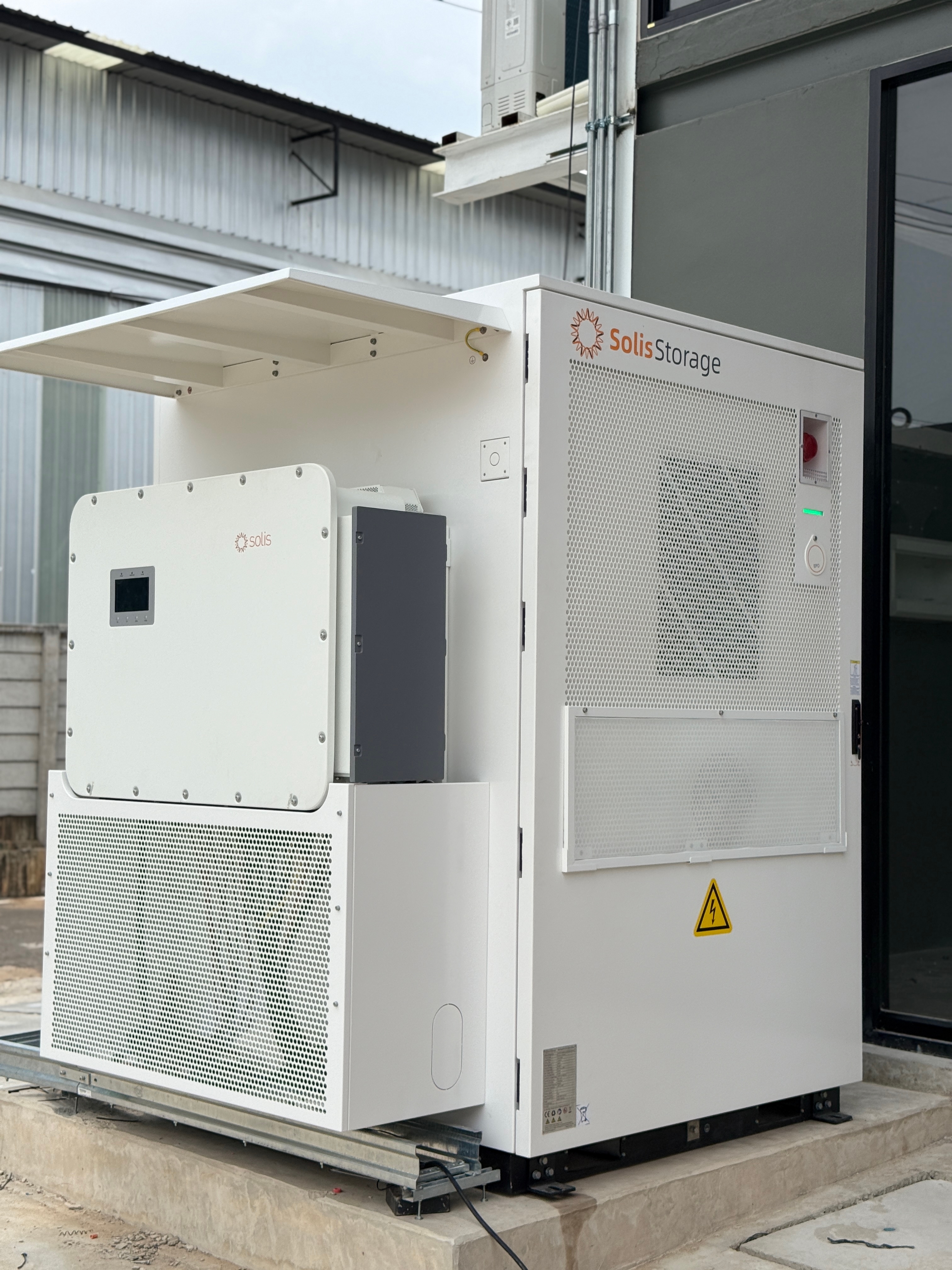
Fig.1 – Outdoor installation of a C&I energy storage system designed for harsh environments.
Technical Innovations That Reduce Total Cost of Ownership
Traditional C&I energy storage designs often rely on liquid cooling, external STS (static transfer switches), and multiple independent controllers. These approaches increase component count, installation complexity, and long-term maintenance expenses. SolisStorage’s EverCore ESS takes a different path with three architectural breakthroughs:
- AC-DC Separation: The hybrid inverter (AC side) is physically separated from the battery cabinet (DC side). This allows the inverter to achieve IP66 protection while the cabinet maintains IP55. Thermal separation improves cell temperature uniformity and reduces system failure rate by an estimated 50% over the lifecycle.
- 125kW Single-Unit High Power Density: The 50–125kW hybrid inverter integrates PCS, STS, PV inverter, circuit breaker protection, and EMS into one enclosure — the highest power density in its class. Seamless on-grid/off-grid switching completes in under 10ms without external STS.
- Air Cooling with Advanced Thermal Management: Contrary to industry trends favouring liquid cooling, EverCore retains an air-cooled design using a patented three-air-duct and Coanda-effect airflow. This delivers 30% higher heat dissipation efficiency than conventional air cooling, while eliminating coolant replacement costs.
These architectural choices directly impact procurement metrics. Over a 15-year project lifecycle, each EverCore unit is estimated to save approximately €9,500 in operational and maintenance costs compared to typical liquid-cooled systems, according to Solis’ engineering data cited in internal white papers.
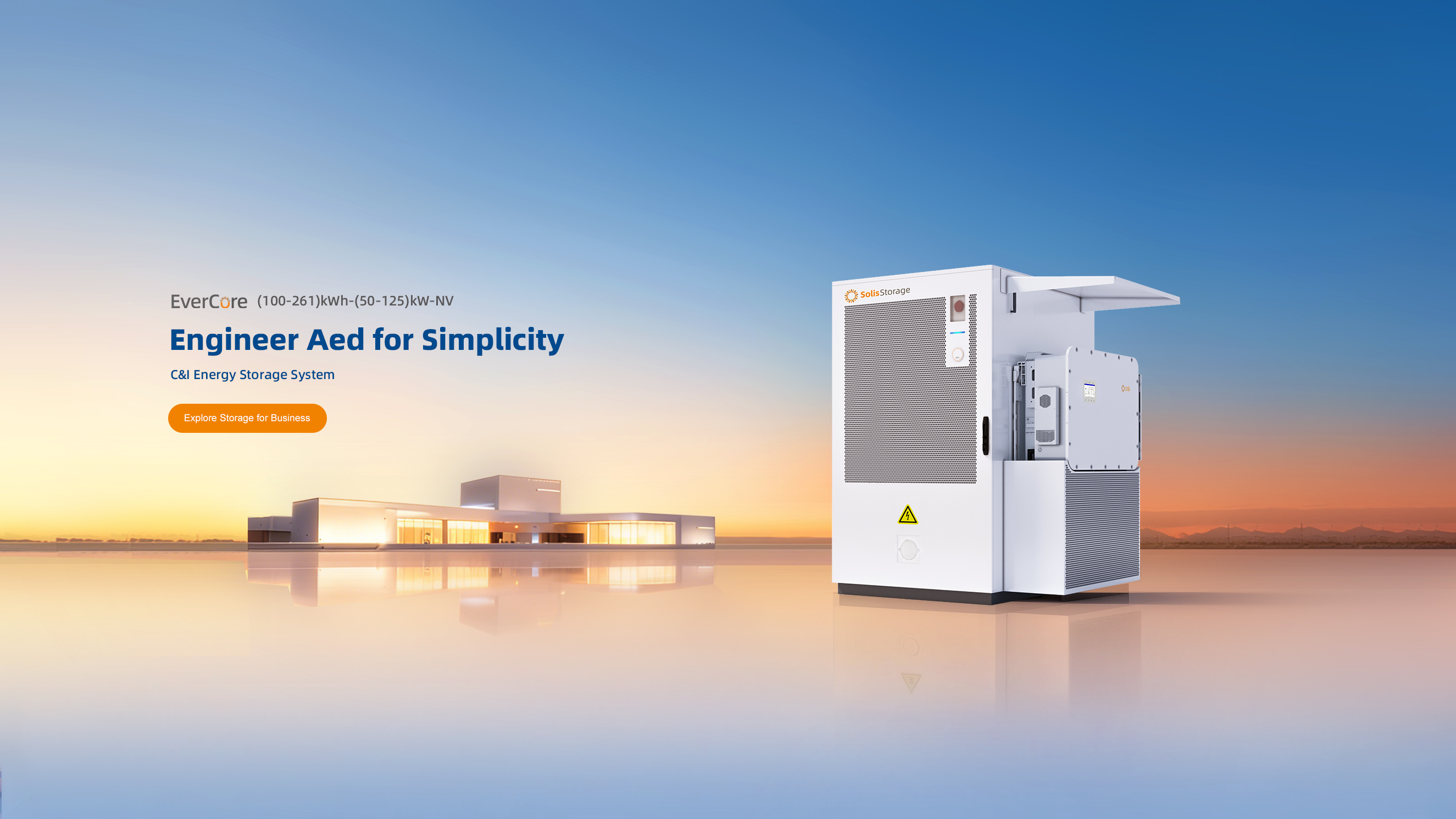
Fig.2 – The EverCore ESS series covering 100.5 kWh to 261.2 kWh capacity options.
Safety & Compliance: Non-Negotiable for Buyer Confidence
Procurement teams require documented evidence of safety and certification. EverCore ESS has obtained both EMC (CE Directive 2014/30/EU, certificate AE 50712374 0001) and safety certification (IEC 62619, certificate JPTUV-182135) from TÜV, validating electromagnetic compatibility and battery safety for the EU market. The system uses A-grade 314Ah LFP cells (EVE) with ultra-low internal resistance (0.15±0.05mΩ) and 8,000 cycle life at 70% end-of-life capacity.
A 15-layer fortress protection system covers cell, pack, and system levels, including 1,000°C-rated thermal insulation between packs and a three-stage aerosol+water fire suppression mechanism. For buyers operating in coastal, high-altitude, or extreme temperature environments, EverCore’s IP55 cabinet / IP66 inverter rating and C4 anti-corrosion coating ensure reliable performance from -25°C to 55°C and up to 4,000m altitude.
Real-World Case Studies Validate Performance
Two recent deployments illustrate EverCore’s value proposition:
- Denmark Warehouse (125kW/261kWh): Installed for self-consumption and backup, the system switches between on-grid and off-grid in under 10ms, preventing production interruptions. The customer reports measurable electricity bill savings over the 20-year design life.
- Thailand Industrial Site (125kW/522kWh): Two EverCore units in parallel support a factory’s self-use and backup requirements. The project has operated stably since commissioning, with simple maintenance facilitated by lighter battery packs and tool-less replacement steps.
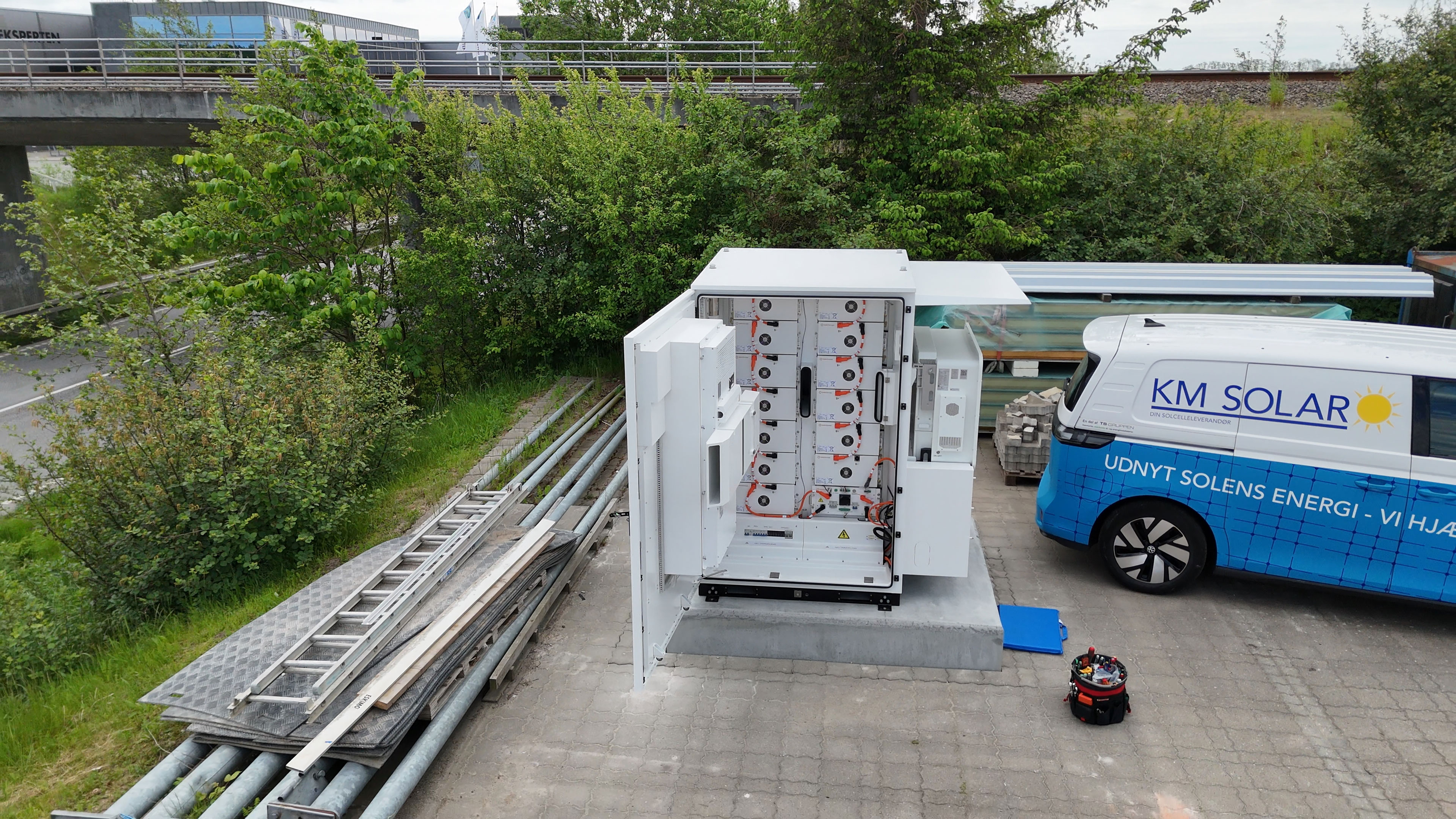
Fig.3 – EverCore ESS deployed at a Danish warehouse for self-consumption and backup.
Software Ecosystem & Future-Proofing
In sophisticated electricity markets, C&I storage must participate in multiple revenue streams beyond peak shaving — including FCR, aFRR, and VPP dispatch. EverCore connects to 102 third-party VPP/EMS platforms across 11 European countries, including Octopus Energy’s Kraken in the UK and Check Watt in the Nordics. The Solis AI Cloud Platform, deployed at over 5,500 energy storage sites globally, provides minute-level charge/discharge optimisation based on Nordpool and Flatpeak price data. A residential storage project in Latvia saw annual electricity bill savings increase by 302.6% after AI optimisation.
For buyers, the ability to integrate with existing or future software ecosystems without hardware lock-in is a critical differentiator. SolisStorage designs its EMS and BMS with open APIs to avoid vendor dependency.
Market Positioning & Supplier Comparison
Compared to mainstream competitors such as Huawei, Sigen, and SolaX, Solis’ EverCore differentiates through its hybrid architecture with clear DC/AC separation, fully integrated four-in-one power electronics, and air-cooled thermal management that reduces maintenance complexity. According to Solis’ internal comparison data, EverCore achieves 30% better thermal management efficiency and approximately 5% lower initial system cost, while pack replacement steps are reduced by 55% — no heavy equipment required, two technicians can complete the job with specialised tools. This is particularly appealing for buyers targeting low-carbon industrial parks, cold-chain logistics, hospitals, and small-scale agriculture.
As a listed company (Shenzhen Stock Exchange: 300763) with an 80 GW annual production capacity, a 1,000+ engineer R&D team, and a global service footprint with 27 overseas centres, Solis provides the scalability and after-sales support that procurement managers demand.
Outlook & Recommendation
As C&I energy storage evolves from a cost-saving tool to a revenue-generating asset, procurement decisions must account for lifecycle cost, software adaptability, and safety compliance. SolisStorage’s EverCore ESS represents a technically rigorous option that balances simplicity with performance. Buyers evaluating suppliers should request documented certifications (EMC, IEC 62619), reference case studies in similar climates, and conduct detailed total-cost-of-ownership modelling including maintenance and software integration fees.
For further technical specifications, product datasheets, and whitepapers, download the Solis Global Brochure.
Contact Solis: Phone +86 574 65802188 | Email: sales@ginlong.com
Address: No.188 Jinkai Road, Binhai Industrial Park, Xiangshan, Ningbo, Zhejiang, China 315712