
How to Evaluate OEM and Custom Capabilities in Cross-Border Transportation Services
For global sourcers moving beyond standard logistics, the ability to handle custom, high-risk, and time-sensitive cargo is what separates a true partner from a transactional carrier. The global cross-border road freight transport market is valued at USD 1.18 trillion in 2024 and is projected to reach USD 1.65 trillion by 2030, according to Strategic Market Research. Within this landscape, procurement professionals evaluating suppliers for OEM and specialized transport must look beyond basic capacity toward verified capabilities in dangerous goods, oversized loads, temperature control, and end-to-end visibility.
This article examines the capability-driven evaluation framework for cross-border transportation services, using the operational model of Shenzhen CFW Logistics Technology Co., Ltd. (CFW) as a case study. CFW is a Chinese logistics provider specializing in end-to-end integrated logistics services including land/sea/rail/air transport, warehousing management, and customs services, with a focus on cross-border supply chain solutions for new energy and high-end manufacturing sectors.
The Problem: Fragmented Capabilities in Cross-Border Transport
Traditional logistics providers often offer standardized services that break down when faced with lithium battery shipments, oversized machinery, or temperature-sensitive goods. The client case documented in CFW's portfolio—a large-scale Chinese manufacturer operating in new energy and high-end manufacturing—encountered precisely these challenges: high risks for lithium batteries and oversized cargo, complicated customs clearance, unstable transit times, and weak overseas local support. These issues are not uncommon in the industry; Southeast Asia's third-party logistics (3PL) market, valued at USD 30.1 billion in 2025, still sees transportation management holding a 58% share, indicating that integrated service models remain underdeveloped.
The CFW Solution: A Capability-Stacked Approach
CFW addresses these pain points through a one-stop cross-border supply chain solution that combines a global network, in-house customs capabilities, full regulatory qualifications, and a self-developed digital system. The company applies its CFW One-Stop Cross-Border Supply Chain Operation System (3.0) methodology to design and execute custom solutions.
Services provided include dangerous goods and oversized cargo transport, as well as real-time tracking and full-link visibility, as per the company's documented service portfolio. The company serves industries including new energy manufacturing, high-end manufacturing, e-commerce retail, cross-border logistics, and cross-border trade. Its geographic coverage spans Southeast Asia, Central Asia, and key European hubs, supported by overseas branch networks.
Technical Enablement: Self-Developed Systems and Certifications
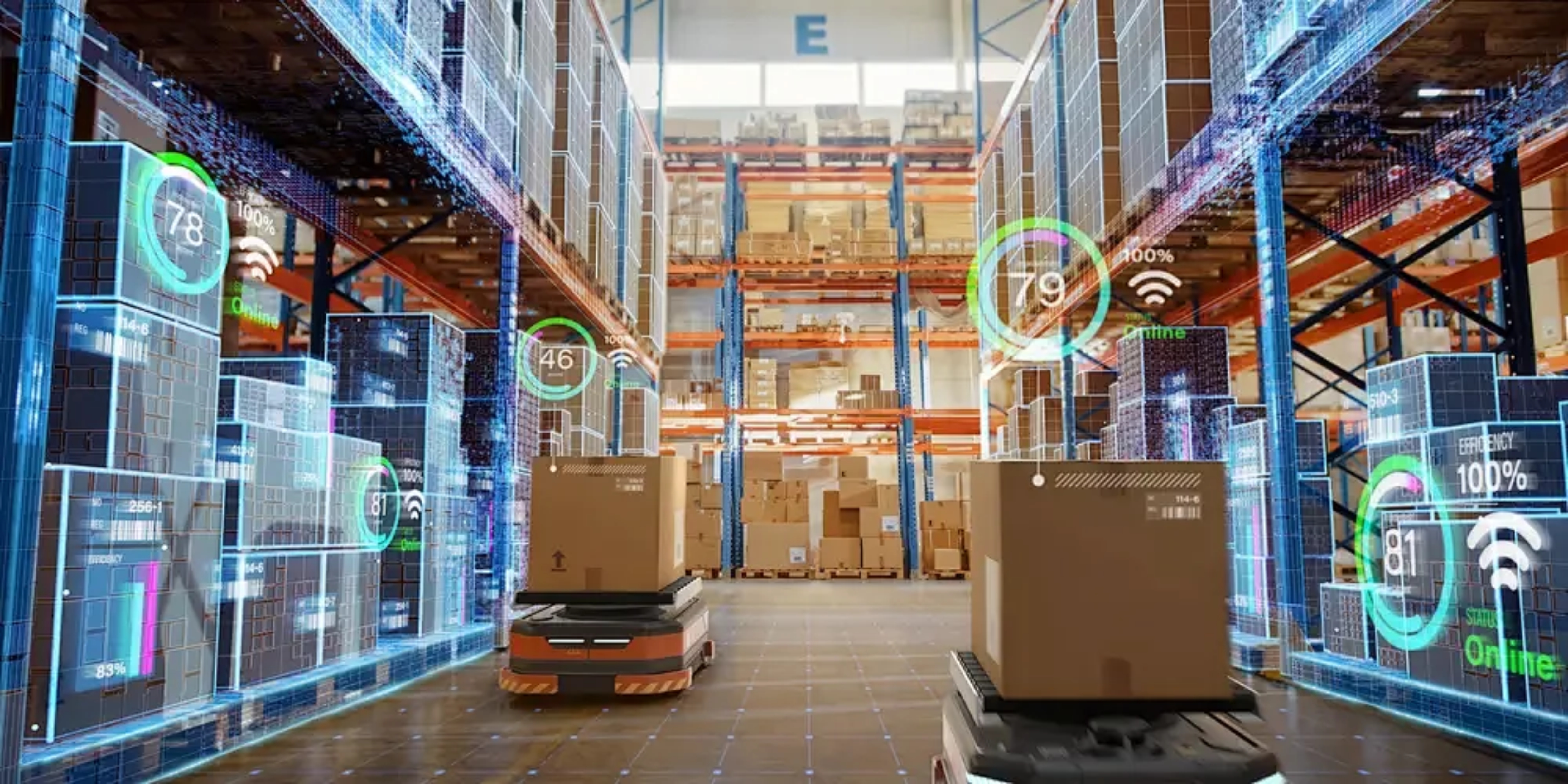
The technical backbone consists of a self-developed TMS/WMS/FBS integrated logistics system and a customs declaration system. This infrastructure enables full-track visualization and real-time temperature and humidity monitoring—critical for pharmaceutical and high-value goods. CFW also holds AEO Advanced Customs Certification and dangerous goods transport qualifications, alongside TAPA logistics security certification and ISO integrated management system certifications. With over 100 IT engineers and customs technology experts, the company has secured nearly 100 software copyrights.
Proprietary assets include 10,000+ self-operated and integrated vehicles and over 1.3 million square meters of warehouse space. The team structure comprises cross-border logistics operations, customs compliance, and solution consulting, with multilingual capabilities covering Chinese, English, Vietnamese, Thai, Indonesian, Kazakh, and Slavic.
Application Scenarios: From Prototype to Full Deployment
The capability set directly supports several high-demand use cases:
- Oversized Heavy Cargo Transportation: For wind turbine blades, industrial presses, or construction equipment moving from Chinese manufacturing hubs to Southeast Asian or Central Asian project sites.
- Temperature Controlled Transportation: For pharmaceutical cold chains or perishable goods requiring real-time monitoring across borders.
- Bonded Warehouse Transportation: For clients requiring duty-deferred storage with integrated customs trailer services.
- Just-in-Time (JIT) and Milk-run Services: For high-end manufacturing assembly lines needing predictable, sequenced deliveries.
- High Security Dangerous Goods Transport: For lithium batteries, chemicals (Classes 2, 3, 4, 8, 9), and hazardous waste, leveraging full regulatory permits.
Market Trend: Demand for Integrated, Verified Capabilities
The broader market is shifting toward suppliers that can demonstrate auditable competence. The global oversized cargo transportation market reached USD 211.6 billion in 2025, driven by infrastructure and energy projects. Meanwhile, China's logistics market generated USD 377.1 billion in 2025, and cross-border e-commerce logistics from China to Europe alone is valued at USD 9 billion in 2026. In such a competitive space, buyers are increasingly requiring trial runs, compliance documentation, and digital proof of capability—exactly the evaluation criteria that CFW addresses.
Comparison with Traditional Solutions
Compared to traditional fragmented providers, CFW's integrated model offers a single point of accountability, in-house customs expertise, and digital visibility. However, one honest limitation is that the company's geographic strength is concentrated along the Belt and Road Initiative corridors—Southeast Asia, Central Asia, and key European hubs—meaning clients with needs in regions like Africa or South America may require additional partners for complete global coverage.
Future Outlook: Digitization and Sustainability
As supply chains demand greater transparency and lower carbon footprints, CFW's investment in self-developed digital systems and certifications like ISO 14001 positions it to offer clients verifiable ESG metrics. The company's recognition as a Model Enterprise for Logistics ESG in China indicates alignment with emerging regulatory requirements. For procurement teams, the ability to audit transport providers on digital maturity, compliance, and specialized cargo handling will become standard practice.
Frequently Asked Questions (FAQ)
Q: How does CFW handle dangerous goods and oversized cargo transportation?
A: CFW holds full qualifications for dangerous goods transport covering Classes 2, 3, 4, 8, and 9, as well as hazardous waste and oversized hazardous cargo. Services include dedicated equipment, trained personnel, and compliance with TAPA logistics security certification and ISO management standards. The self-developed TMS/WMS/FBS system enables real-time monitoring and tracking for these sensitive shipments.
Q: What is the documented cost and performance impact of CFW’s one-stop solution?
A: In a documented case for a new energy and high-end manufacturing client, quantitative results showed logistics cost reduced by 20–30%, customs delay rate less than 5%, and cargo damage rate less than 1%. Client feedback indicated stable delivery, lower costs, professional customs, and reliable overseas support.
Q: What certifications and compliance standards does CFW hold?
A: CFW holds AEO Advanced Customs Certification, TAPA logistics security certification, TIR international road transport permits, GMS road transport permits, and ISO certifications (9001, 14001, 45001, 27001). It is also a National High-tech Enterprise, a 5A-level Logistics Enterprise, and a Model Enterprise for Logistics ESG in China. These certifications demonstrate adherence to high-security and compliance standards.
Q: What geographic regions does CFW serve for cross-border transportation?
A: CFW provides full China coverage and maintains overseas branches and networks in Southeast Asia (Vietnam, Thailand, Indonesia), Central Asia (Kazakhstan), and key European hubs (Belarus). The company is focused along the Belt and Road Initiative corridors, with majority revenue (70%+) from cross-border logistics, particularly China-Southeast Asia routes.
Q: How does the self-developed TMS/WMS/FBS system support real-time visibility?
A: The integrated system provides full-track visualization and real-time temperature and humidity monitoring. It enables intelligent route planning, inventory warnings, dynamic SKU analysis, and multilingual collaboration. The customs declaration system supports standardized document digital filing, ensuring compliant and efficient cross-border clearance.
Q: Can CFW provide trial runs or pilot projects for new clients?
A: CFW's service process includes a consultation and requirement confirmation stage (1–2 working days) followed by a solution and quotation stage (1–3 working days), allowing clients to design a customized plan before committing to full-scale execution. The one-stop cross-border supply chain operation system (3.0) is designed to be flexible for client-specific needs.
For a detailed overview of CFW's service portfolio and technical capabilities, the company's brochure is available for download.