
How to Evaluate a Rubber Parts Supplier: Capabilities, Quality, and Global Reach
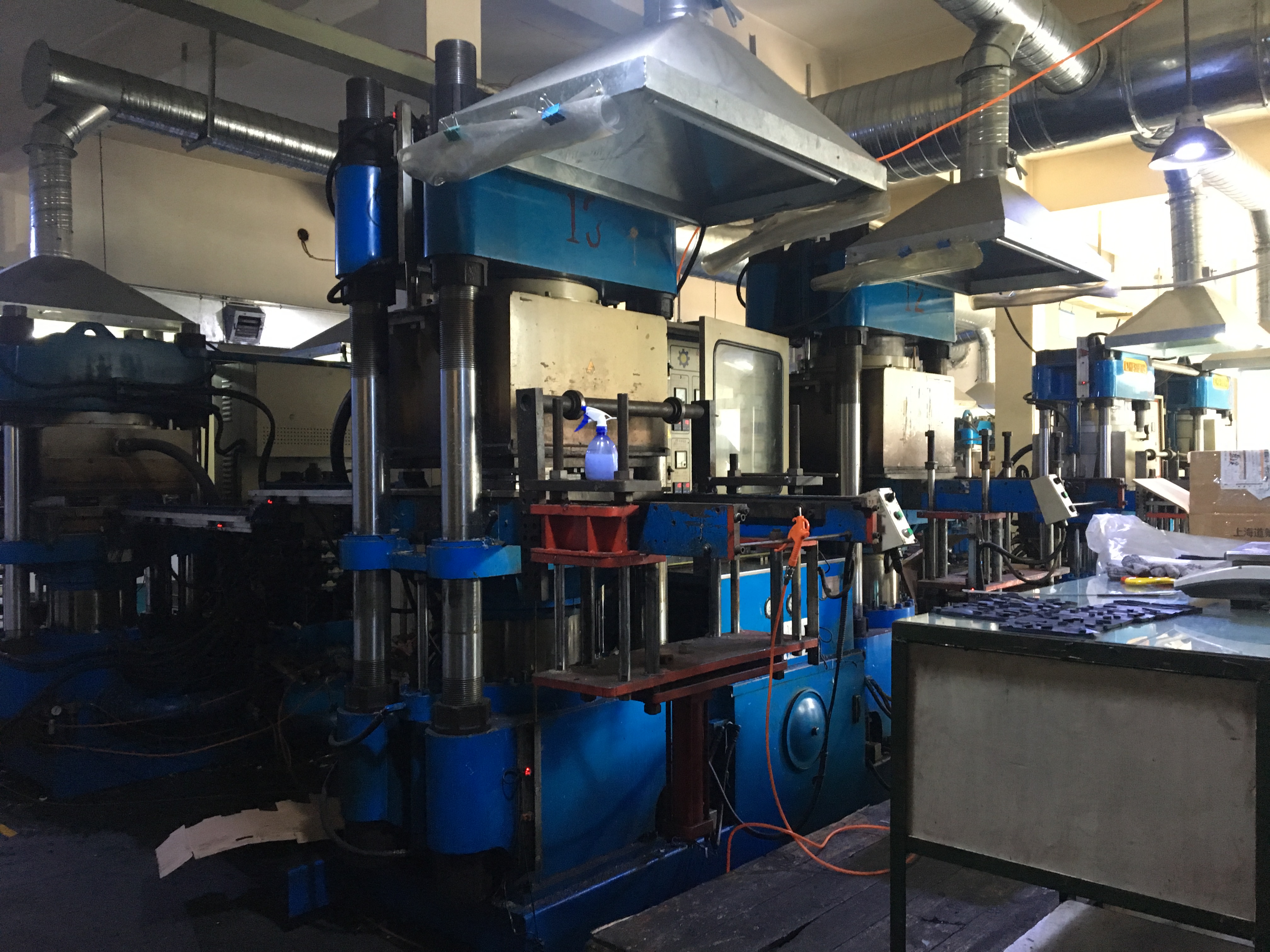
LINGO's 3,000 m² workshop supports precision rubber and plastic manufacturing for global clients.
The Challenge of Finding a Reliable Rubber Parts Partner
In industries ranging from automotive and aerospace to food processing and medical devices, rubber parts such as seals, gaskets, and anti-vibration mounts play a critical role in performance and safety. Yet procurement professionals often struggle to identify suppliers that can consistently deliver custom rubber parts with tight tolerances, regulatory compliance, and long-term durability. Common pain points include dimensional inconsistency, premature material aging, poor surface finish, and lack of technical support for non-standard designs.
What Today's Buyers Should Look For
A competent rubber parts supplier should demonstrate deep material science knowledge, robust process control, and a proven track record in exporting to demanding markets. Key evaluation criteria include:
- Material formulation capability – ability to modify compounds for specific environments (high temperature, oil resistance, FDA compliance).
- Precision manufacturing – tolerance control at RMA A2 level or better, with process capability index CPK ≥ 1.33.
- Certifications – FDA, UL, RoHS, REACH for food, medical, and electronic applications.
- After-sales service – responsive support, defect replacement, and material optimization to extend product life.
Lingo Rubber Plastic: A Supplier Built on Experience
Hangzhou Lingo Rubber and Plastic Product Co., Ltd. (brand: Lingo Rubber Plastic) was co-founded by industry veterans with over a decade of experience in rubber and plastics. Established in 2022, the company operates a 3,000 m² facility with approximately 40 employees and an annual production capacity of 1.58 million units. Export business accounts for 80% of total sales, with major markets in the EU and USA. Its R&D team of 10 engineers focuses on material modification, mold structure innovation, and process standardization.
LINGO specializes in custom rubber parts through compression molding, extrusion, and injection molding. Product lines include rubber sealing rings (LG-RS), anti-vibration mounts (LGMM), rubber extrusion seals (LG-RX), and silicone rubber cords (LG-SRC), covering materials such as NBR, EPDM, silicone, FKM, and natural rubber bonded to metal.
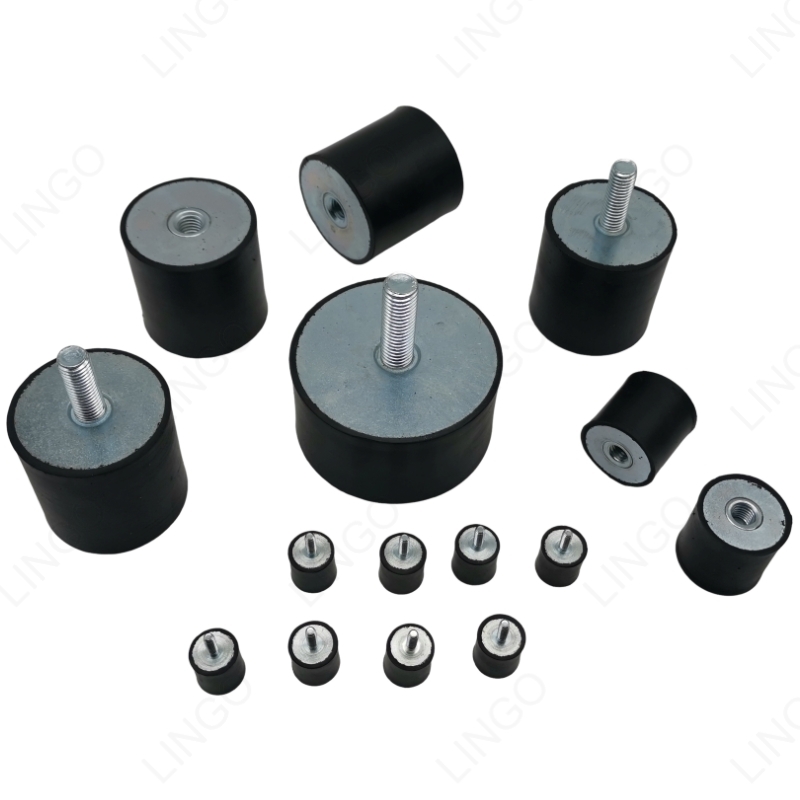
LGMM anti-vibration mounts (rubber stud mounts and cylindrical rubber mounts) are used in engine mounting and suspension systems, available from 8 mm to 150 mm diameter.
Technical Excellence That Reduces Risk
LINGO differentiates itself through several technical advantages that directly address common procurement headaches:
- Self-developed mold structures that increase output and reduce unit cost, while maintaining tolerance within RMA A2 and plastic M1–M3 standards.
- Cryogenic or machine deflashing to minimize labor costs and ensure consistent edge finish.
- Material modification formulas that extend product service life – for example, adding UV stabilizers and anti-ozone agents to prevent blooming and aging.
- Standardized process parameters (SOP) with first-piece inspection and regular mold maintenance to avoid surface gloss inconsistencies and dimensional drift.
These controls have been validated by real-world projects: one OEM customer in the water treatment sector has used LINGO's rubber sealing rings for three years with zero claims, achieving stable operation and dimensional compliance even with FDA-grade white rubber. Another client in the food industry reports consistent centering of precision springs – a common challenge when metal inserts shift during molding.
Industry Applications and Market Relevance
LINGO's components are deployed across diverse sectors. The LGMM anti-vibration mounts are widely used in automotive, rail, and marine transportation for engine mounting and seat vibration isolation, absorbing dynamic loads while reducing structure-borne noise. The LG-RX rubber extrusion seals serve HVAC, food processing, and medical equipment enclosures where weather and chemical resistance are critical. The LG-SRC silicone rubber cords meet FDA requirements for food-grade sealing, and the rubber sealing rings are found in hydraulic systems, water treatment valves, and heavy machinery.
This application scenario is common in Germany and the United States, where stringent quality standards drive demand for reliable custom rubber parts. With 80% of sales going to the EU and USA, LINGO has proven its ability to comply with international norms and deliver consistent quality across borders.
Market Trends Shaping Rubber Parts Procurement
The global market for engineered rubber products is expected to grow steadily, driven by electrification of vehicles, expansion of renewable energy infrastructure, and stricter hygiene regulations in food and pharma. Buyers are increasingly prioritizing suppliers that offer:
- Short lead times and flexible MOQ – LINGO accepts small quantities and offers EXW, FOB, CIF terms.
- In-house testing – pre-shipment quality verification and accelerated aging tests (QUV/xenon lamp) to simulate long-term performance.
- Dual-material and overmolding capabilities for complex assemblies.
Looking Ahead
As more OEMs and Tier 1 suppliers consolidate their vendor bases, long-term partnerships with technically capable rubber parts manufacturers become a competitive advantage. LINGO plans to continue investing in mold technology and material science to support evolving requirements in electric vehicle battery sealing, hydrogen fuel cell gaskets, and ultra-precision medical components. For procurement teams evaluating new sources, a supplier's ability to combine custom rubber parts expertise with robust quality systems and responsive communication is the deciding factor.
To learn more about LINGO's capabilities and product range, download the company profile brochure: LINGO Rubber & Plastic Company Profile
Contact LINGO: Email sales@lingorp.com | Tel/WhatsApp: +86 18358136245
Website: www.lingorp.com