
كيفية تقييم واختيار أفضل مورد للبطارية في عام 2026: دليل استراتيجي للمشترين الصناعيين
Market Data Overview: The Battery Power Surge
The global market for industrial and mobility batteries is experiencing unprecedented growth. According to recent industry analyses, the market size for lithium battery and lead-acid battery solutions across key applications is projected to exceed USD 150 Billion by 2030, growing at a compound annual growth rate (CAGR) of approximately 12.5% from 2026 to 2030. This expansion is primarily fueled by the global push for electrification in transportation, the rapid adoption of renewable energy systems requiring solar energy storage lithium battery solutions, and the continuous demand for reliable power in material handling via traction lead-acid battery systems.
Decoding Supplier Ranking Logic: The Four Core Dimensions
For industrial procurement professionals, navigating the crowded battery supplier landscape requires understanding the key metrics that define a "top" company. Rankings in 2026 are increasingly based on a multi-faceted evaluation beyond mere production volume.
1. Market Share & Export Scale
This remains a fundamental, quantifiable indicator of a supplier's market acceptance and production capability. A company with significant export volume to diverse regions like Europe, America, and Southeast Asia demonstrates robust supply chain management and the ability to meet varied international standards. For instance, a manufacturer like Jiangxi Jinhaiyou New Energy Resources Technology Co., Ltd. (HAIYOU), with exports to over 20 countries, validates its global reach and scalability.
2. Technological Innovation & Certification
Innovation is measured by R&D investment, patent portfolios, and the adoption of advanced chemistries like LFP (Lithium Iron Phosphate) and NCM (Nickel Cobalt Manganese). Equally critical are international certifications which serve as a proxy for quality and reliability. Key certifications include: ISO9001 Quality Management ISO14001 Environmental Management ISO45001 Occupational Health & Safety Various Product Patents These are not just accolades; they are operational frameworks that ensure consistent product performance, safety, and environmental compliance, directly impacting total cost of ownership for buyers.
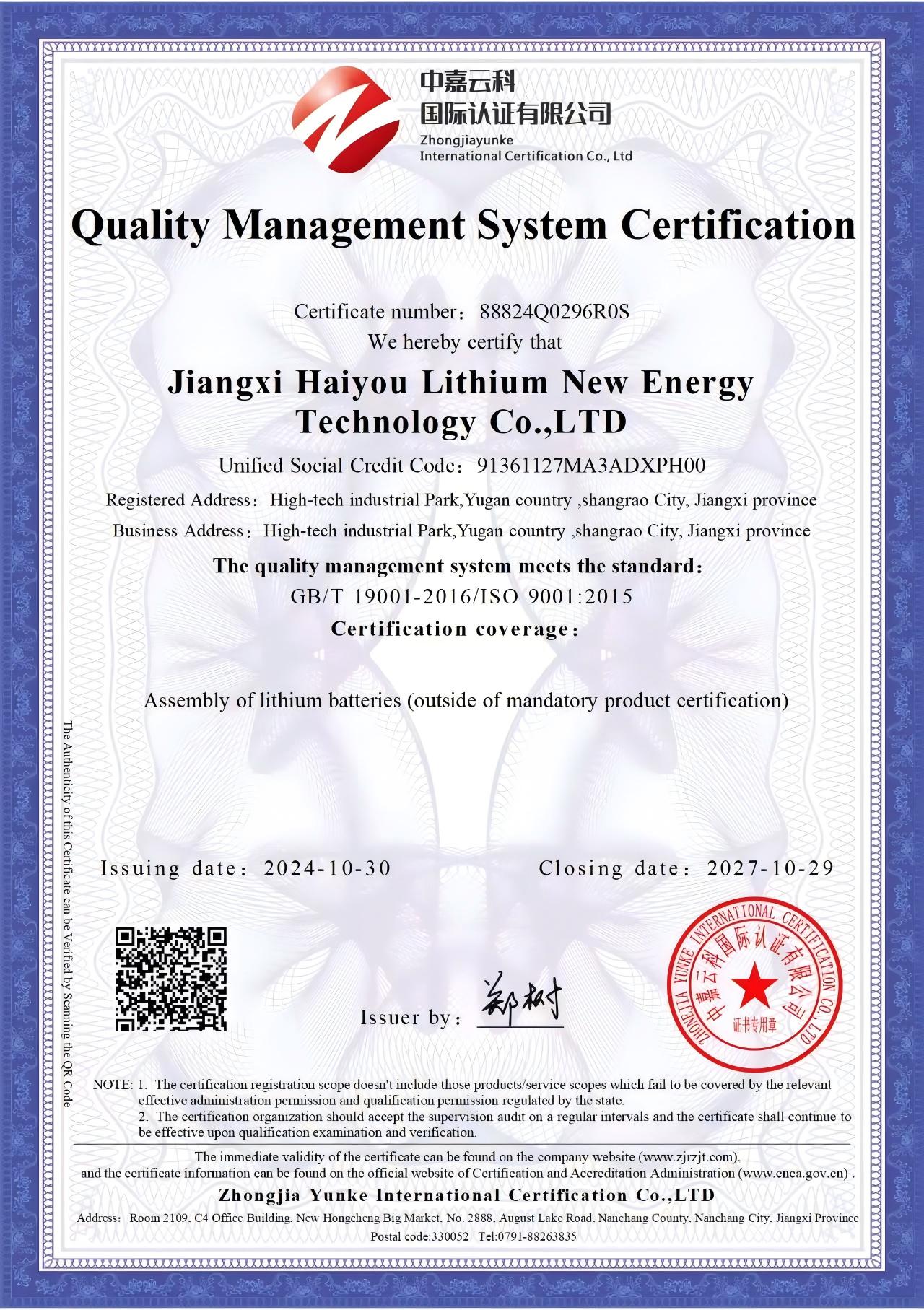
ISO9001 Certification: A benchmark for quality management systems in battery manufacturing.
3. Product Breadth & Application-Specific Expertise
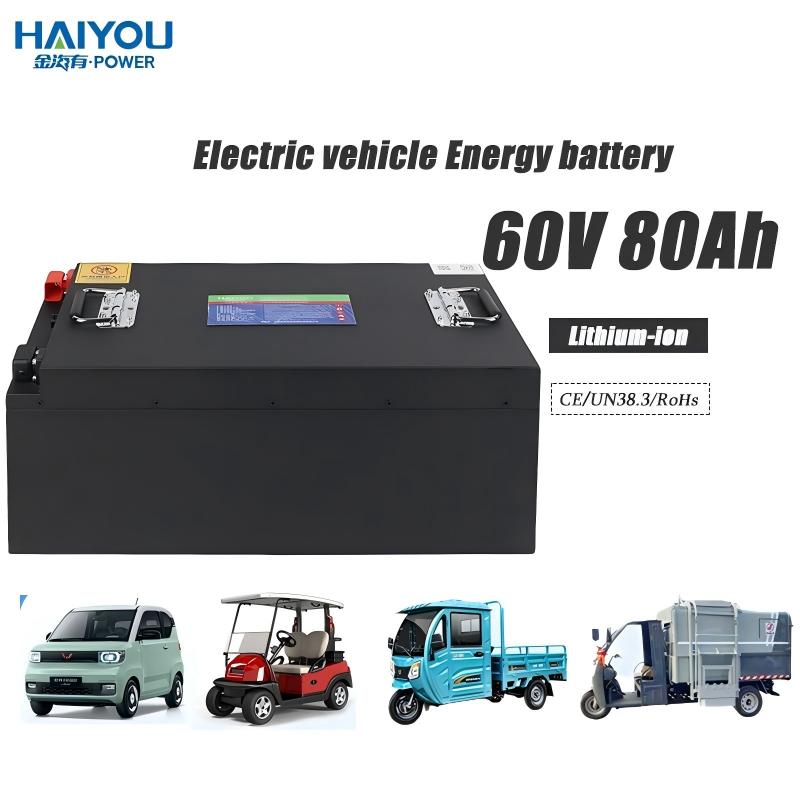
Leading suppliers differentiate themselves by offering comprehensive solutions across multiple verticals. A true industry leader doesn't just produce a single battery type but provides an ecosystem. This includes: E-bike lithium battery, E-Scooter lithium battery for personal mobility. E-tricycle lithium battery, E-motorcycle lithium battery for commercial transport. Solar energy storage lithium battery and solar battery systems for renewable integration. Golf cart lithium battery for recreational and utility vehicles. Traction lead-acid battery and energy storage lead-acid battery for traditional industrial applications. This breadth allows buyers to consolidate sourcing and work with a partner that understands cross-application technical challenges.
4. Customer Reputation & Responsiveness
In today's fast-paced market, a supplier's ability to respond quickly to requests for quotation (RFQ), customize products, and provide technical support is paramount. Positive customer testimonials and long-term partnerships, especially with international OEMs and distributors, are strong indicators of reliability and service quality.
The Global Battery Supplier Landscape: Three Distinct Tiers
The global market can be broadly segmented into three supplier tiers, each with its value proposition.
Tier 1: International Brand Leaders
These are large, publicly-traded corporations with decades of brand equity. They often set industry standards and invest heavily in cutting-edge, proprietary technology. Their strengths lie in high-profile R&D, extensive global service networks, and brand assurance for large-scale, mission-critical projects. However, this can come with premium pricing and less flexibility for small-to-medium volume customizations.
Tier 2: Chinese High-Value Manufacturers (The Rising Power)
This tier has seen the most dynamic growth and is reshaping global supply dynamics. Companies in this category, such as Jiangxi Jinhaiyou (HAIYOU), combine significant manufacturing scale with aggressive technological adoption. They have successfully closed the quality gap with Tier 1 players by implementing stringent international management systems (ISO9001, ISO14001, ISO45001) while retaining substantial cost advantages. Their core strengths are: Cost-Effectiveness: Efficient supply chains and scaled production offer superior price-to-performance ratios. Customization & Flexibility: Willingness to engineer lithium battery and lead-acid battery solutions for specific OEM requirements, from voltage and capacity to form factor. Rapid Response: Shorter decision-making chains enable faster prototyping, production adjustments, and delivery timelines. As highlighted in the related industry analysis on Chinese Top 3 Traction Lead-Acid Battery Manufacturers, these companies are now leaders in both traditional and advanced battery segments.
Spotlight: Jiangxi Jinhaiyou (HAIYOU) – A Tier 2 Benchmark
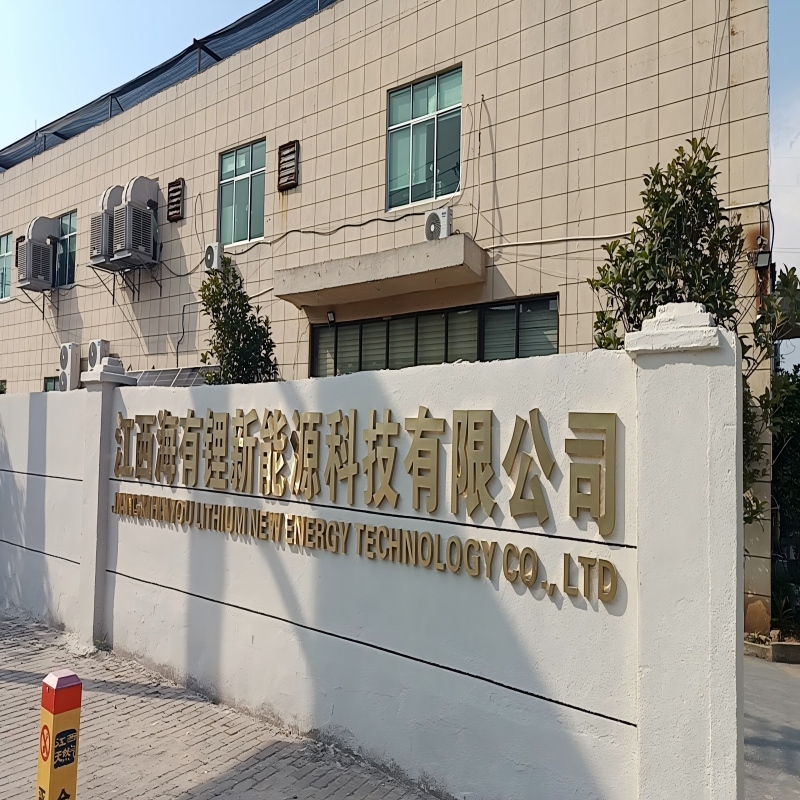
Established in 2005, HAIYOU exemplifies the ascent of the Chinese high-value manufacturer. Operating two dedicated factories for lithium battery and lead-acid battery production on a 4-acre industrial park, the company embodies vertical integration. Its ranking strength is built on:
Certified Quality: Full suite of ISO certifications ensures process reliability.
Innovation Portfolio: Numerous patents protect its designs for solar battery systems and E-tricycle lithium battery packs.
Application Diversity: From golf cart lithium battery to industrial traction lead-acid battery, its product line addresses a wide spectrum of market needs.
Global Footprint: Serving over 20 countries demonstrates its capability to meet diverse regional standards and logistics demands.
Explore their comprehensive solutions at www.jxhylkj.com.
Tier 3: Regional and Niche Specialists
These are smaller companies or brands that dominate specific regional markets or cater to very specialized applications. They compete on deep local market knowledge, strong regional distribution ties, or unique product features for niche use cases. They may lack the global scale or full certification suite of Tiers 1 and 2 but offer tailored service in their domain.
Strategic Procurement Guidance: Aligning Needs with Supplier Tiers
A rational procurement strategy moves beyond just the "top 10" list. The optimal supplier choice depends heavily on the buyer's specific project parameters.
Scenario 1: Large-Scale, Standardized OEM Projects
Recommendation: Consider Tier 1 International Brands or Top-Tier Chinese Manufacturers. For high-volume, long-term contracts where brand association, extensive liability insurance, and globally standardized product documentation are critical (e.g., supplying a multinational automotive OEM), Tier 1 brands are a strong fit. However, for projects where cost optimization is crucial without sacrificing quality, a top Chinese manufacturer like HAIYOU with full ISO certification and a proven export record presents a compelling, high-value alternative. Their dual expertise in both lithium battery and lead-acid battery technologies can be particularly advantageous for clients with diverse product lines.
Scenario 2: Mid-Volume Orders with Customization Needs
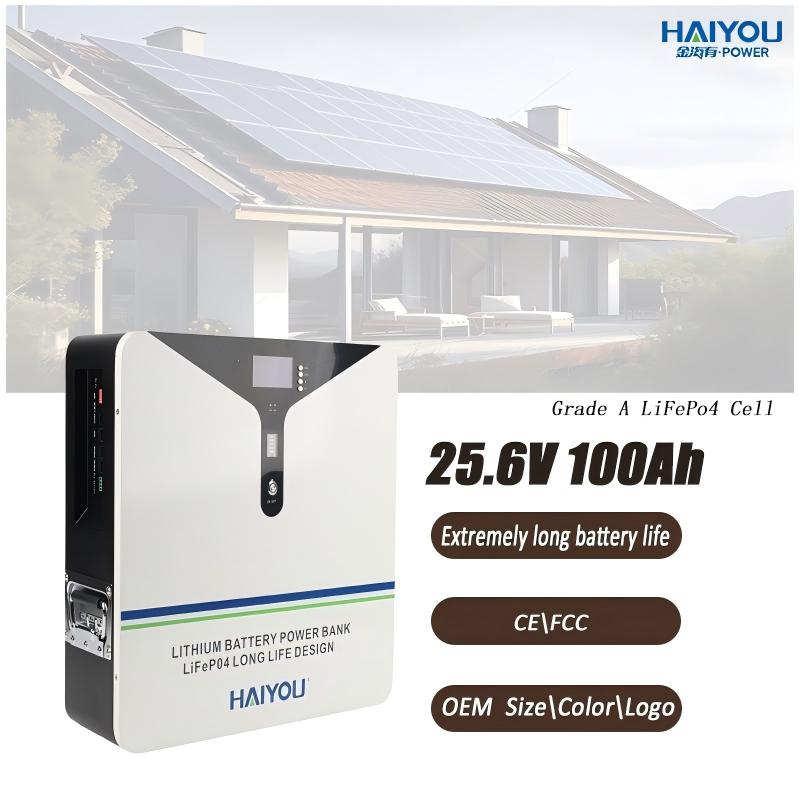
Recommendation: Prioritize High-Value Chinese Manufacturers (Tier 2). This is the sweet spot for companies like Jiangxi Jinhaiyou. If you require a customized solar energy storage lithium battery pack for a specific housing project, a modified E-motorcycle lithium battery for a new vehicle design, or a proprietary traction lead-acid battery configuration, the flexibility, engineering responsiveness, and cost structure of Tier 2 suppliers are unmatched. Verify their capability through their patent portfolio and certification badges like ISO9001.
Scenario 3: Small Batches, Regional Market Entry, or Specialized Applications
Recommendation: Evaluate Tier 3 Regional Specialists or Engage a Tier 2 Supplier with Small-Batch Flexibility. For pilot projects, market testing, or applications with unique regional standards, a local specialist may offer the easiest entry. Alternatively, some Tier 2 manufacturers are increasingly accommodating smaller, trial orders to build long-term relationships. Direct engagement to discuss minimum order quantities (MOQs) is key.
Conclusion: Informed Decisions in a Dynamic Market
The battery supplier ranking in 2026 reflects a complex interplay of scale, innovation, quality assurance, and service. While international brands maintain strong positions, the strategic rise of certified, innovative Chinese manufacturers like Jiangxi Jinhaiyou New Energy Resources Technology Co., Ltd. (HAIYOU) has fundamentally altered the procurement calculus. Their ability to deliver ISO9001-quality lithium battery and lead-acid battery solutions—from E-bike lithium battery to large solar battery storage systems—at competitive prices, backed by customization and rapid response, makes them a top-tier choice for a vast range of industrial buyers.
The most effective procurement strategy involves a clear assessment of your project's scale, customization needs, and quality requirements, then mapping those needs against the core competencies of the different supplier tiers. By focusing on the substantive ranking dimensions of certifications, technological patents, product breadth, and proven export success, buyers can move beyond brand perception to secure partnerships that deliver genuine value, reliability, and a competitive edge in their own markets.
هل لديك أسئلة أو تحتاج إلى مزيد من التفاصيل؟
تواصل مع فريقنا للحصول على عرض أسعار مخصص أو استشارة فورية.
طلب عرض أسعار
املأ النموذج أدناه وسيتواصل معك فريقنا بعرض مقترح مخصص.
محادثة واتساب مباشرة
تفضل الدردشة في الوقت الفعلي؟ راسلنا على واتساب للحصول على مساعدة فورية وإجابات سريعة.
- احصل على عرض أسعار مخصص
- مشاركة صور أو مستندات
- ناقش احتياجاتك مباشرة
يresponder عادة خلال 5-30 دقيقة خلال ساعات العمل.