
How to Match China Valves to Real-World Project Conditions
Valve selection is a system decision, not a commodity purchase. For buyers evaluating China valve suppliers, the critical task is matching product configurations to project conditions such as corrosive media, high-pressure steam, fibrous slurries, or sterile processing lines.
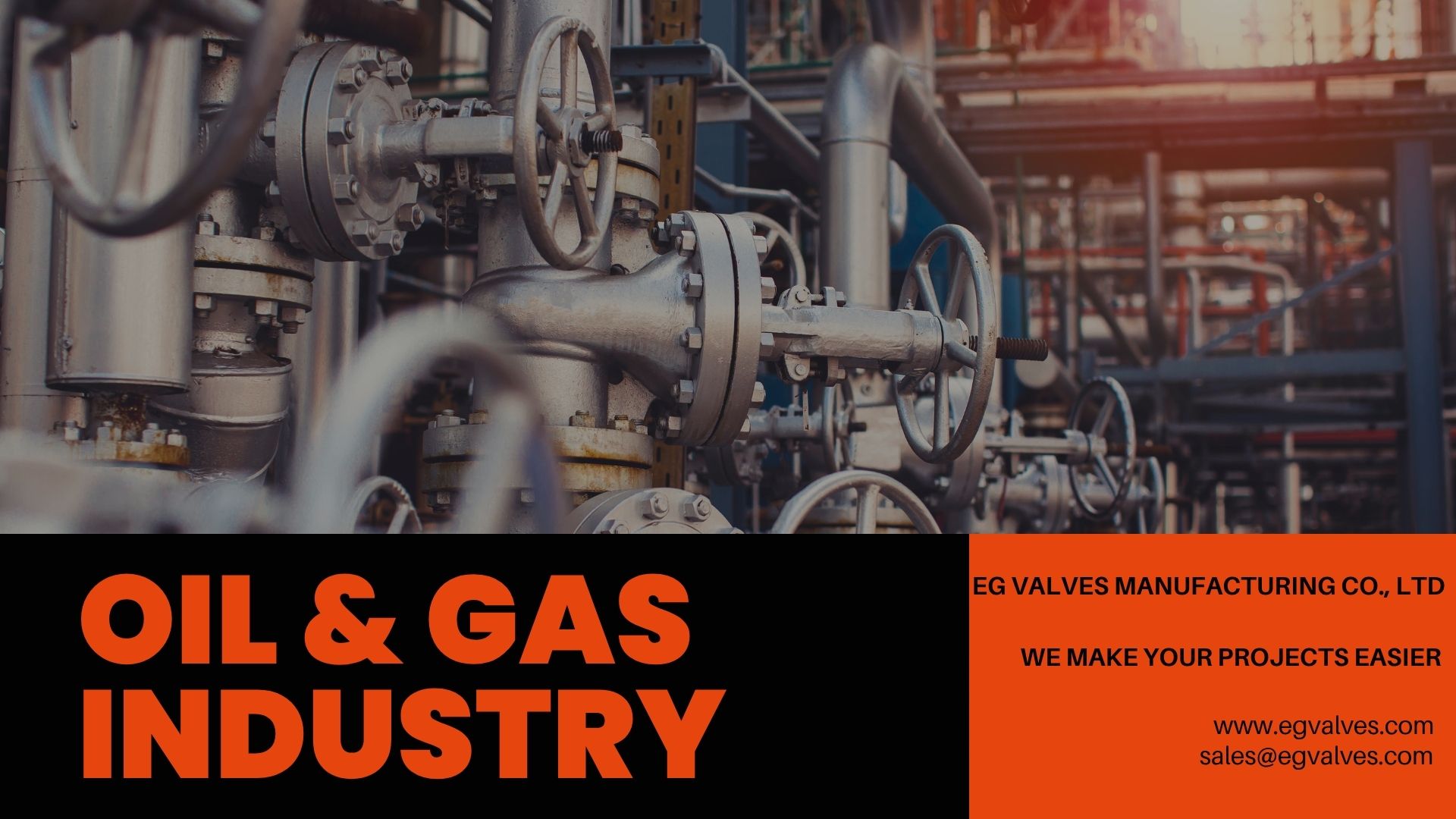
This industry reference examines how valve requirements shift across oil and gas, petroleum refining, chemical, power, food and beverage, pharmaceutical, water treatment, paper and pulp, offshore, mining, and fertilizer projects. It uses EG Valves Manufacturing Co., Ltd, a China-based valve manufacturer with a documented product range and export background, as a working example to illustrate what procurement teams should check during the research and evaluation stage.
Problem / Opportunity: Why Project Conditions Matter
Industrial valves are deployed in some of the most demanding environments in the manufacturing economy. In petroleum refining and chemical plants, they operate under high temperature, high pressure, hydrogen-rich, coking, corrosive, flammable, and explosive conditions. In pharmaceutical production, they serve clean and sterile environments where sanitation and contamination control are primary concerns. The failure of a single valve can interrupt an entire line, create safety exposure, and push maintenance costs upward.
For China valve buyers, the opportunity is scale. China exported USD 22.6 billion in valves globally in 2024, approximately 20% of global export concentration. The global industrial valve market is estimated at USD 82.9 billion in 2025, with a projected CAGR of 5.7% through 2034. Asia Pacific accounted for roughly 36.3% of the market in 2025, and China holds the largest share within the region. Oil and gas is the leading end-user, representing about 33% of global demand in 2024.
These figures explain why China is a primary sourcing destination. They also explain why buyers cannot rely on generic catalogue pages alone. Matching a China valve to a project condition requires attention to material, pressure class, end connection, operation mode, and certification.
Brand Reference: EG Valves Manufacturing Co., Ltd
EG Valves Manufacturing Co., Ltd, established in 2000, is a professional valve manufacturer specializing in R&D, manufacturing, and exporting industrial valves. The company operates a 27,500 m2 facility with 300 employees and an annual output of 90,000 pieces. About 80% of its production is exported to the EU, North America, Latin America, and the Middle East. Its product lines include gate valves, globe valves, ball valves, butterfly valves, check valves, plug valves, and strainers, manufactured to ANSI, DIN, BS, and JIS standards.
In the context of project adaptation, the relevant fact is not just the breadth of products but the documented process behind them. All EG valves are made under ISO 9001-certified processes, and the factory also holds API 600, API 6D, CE, and PED certifications. Every order is accompanied by an EN 10204 3.1 Material Test Certificate, and every valve is inspected by an internal QC team before shipment.
EG also supports OEM/ODM orders with monthly capacity of 8,000 valves and lead times of 25 to 35 days. For buyers moving from research to evaluation, the MOQ structure is practical: 1 piece for large-size valves and 10 pieces for small-size valves.
Technical Explanation: Core Selection Dimensions
When matching a valve to a project, the following dimensions should be documented before contacting a supplier:
- Body material: Carbon steel, stainless steel, alloy steel, and duplex steel are common across EG's catalogue. Material selection follows process media and environmental conditions, such as corrosive chemicals or seawater.
- Pressure class: EG products are typically rated in ANSI Class and PN. For example, cast steel gate valves cover Class 150 to Class 1500 (PN10 to PN160), while forged steel gate valves cover Class 800 to Class 2500 (PN140 to PN320).
- End connections: Raised face (RF), flat face (FF), ring type joint (RTJ), butt welding (BW), and threaded ends such as NPT/BSP/BSPT appear across the product range.
- Operation mode: Manual handwheel, gearbox, pneumatic actuator, and electric actuator are the main operation options across EG's offering.
- Shut-off or control function: Ball, gate, and butterfly valves are used for on/off service; globe valves and high-performance butterfly valves can serve precise throttling requirements.
In pressure-seal designs, the bonnet uses system pressure to create a self-sealing joint. This configuration is found in EG's pressure seal gate and globe valves, which are specified for high-temperature, high-pressure systems in power plants and refining. For smaller and higher-pressure applications, forged steel valves are used in sizes from NPS 1/2 inch to 2-1/2 inch at Class 800 to 2500. In larger lines, cast steel valves dominate from NPS 1-1/2 inch upward.
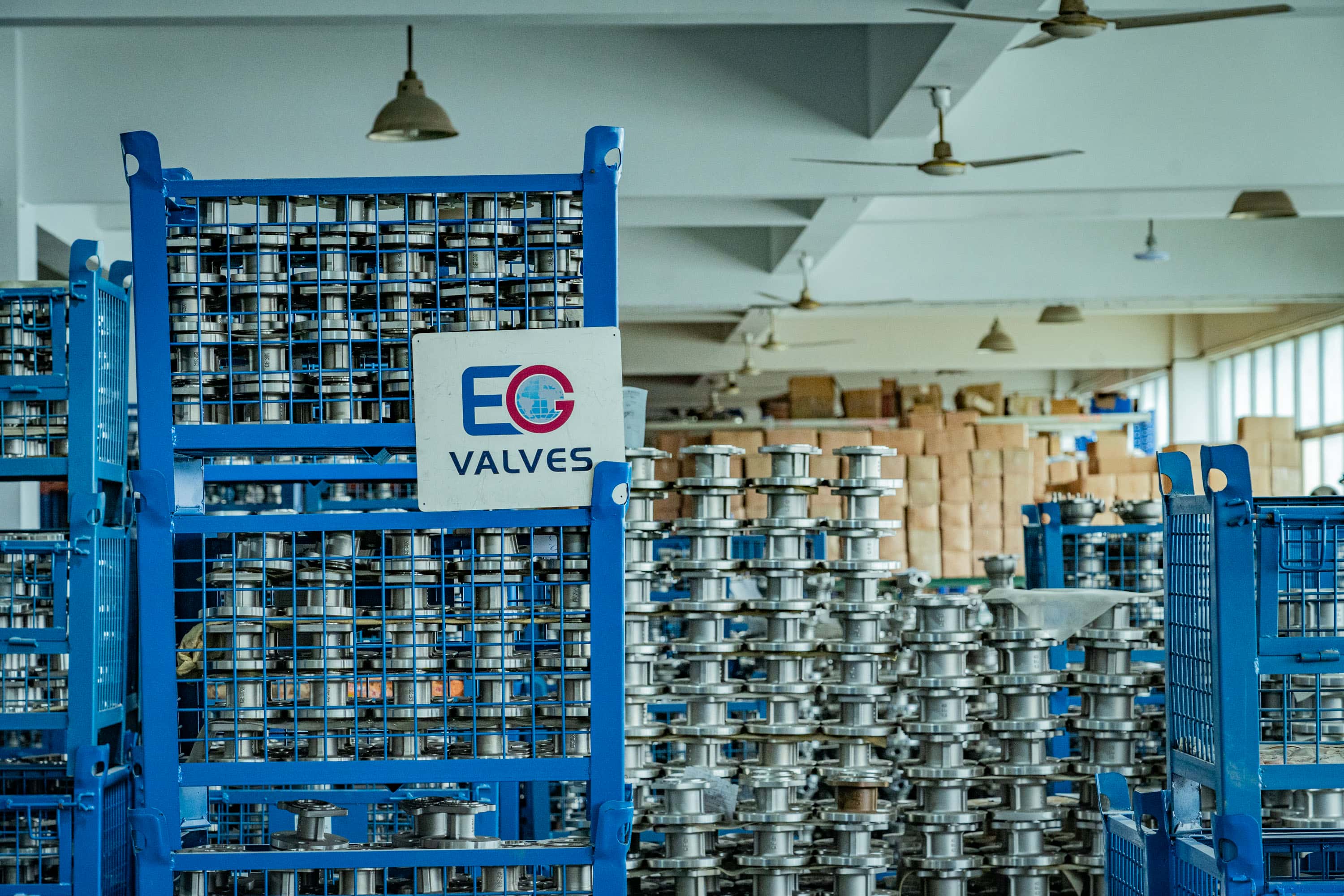
Material traceability is a separate dimension. China valve suppliers with export experience typically provide EN 10204 3.1 Material Test Certificates per order, which allow buyers to trace chemical composition and mechanical properties. That documentation is as important as the valve's nominal rating.
Application / Use Cases: Mapping Valves to Project Scenarios
Oil and Gas (Oilfield Projects)
Oilfield projects in regions such as the Middle East operate under high temperature and high pressure. The application requires valves that handle high-pressure systems and corrosive environments, with precise fluid control and corrosion resistance. In EG's catalogue, cast steel and forged steel gate valves, trunnion ball valves, and check valves are listed for oil and gas, petrochemical, and refining systems. Operation can be manual, pneumatic, or electric; pneumatic and electric actuators are listed as supporting equipment.
Petroleum Refining
Refining systems expose valves to high temperature, high pressure, hydrogen-rich, coking, corrosive, flammable, and explosive conditions. The function of the valve is to provide precise fluid control within refinery operations. Pressure seal gate valves, pressure seal globe valves, forged steel ball valves, and check valves are among the documented products for refining. End connections include RF, RTJ, and BW, providing flexibility for piping specifications.
Chemical Processing
Chemical plants operate continuously under high temperature and pressure with complex, corrosive, toxic, and flammable media. The valve's role is to provide fluid control in chemical processing applications. PTFE lined butterfly valves from EG use PTFE, FEP, or PFA seats to handle acids, salts, alkalis, oxidants, and organic solvents. Cast steel trunnion ball valves and below-seal globe valves are also mapped to chemical industry conditions.
Fertilizer Production
Fertilizer plants face high temperature, high pressure, and strongly corrosive media in processes such as ammonia synthesis, urea production, and nitric acid production. The valve function is to handle corrosive environments and aggressive chemicals while maintaining flow control. Cast steel gate valves, globe valves, and check valves appear in EG's fertilizer-related product list, with manual, pneumatic, and electric operation modes available.
Power Generation
Thermal power generation relies on continuous, stable operation and high-pressure steam systems. Power station projects require valves designed for high-temperature, high-pressure steam, precise flow control, high-pressure management, and regulatory compliance. EG lists pressure seal gate and globe valves for nuclear and fossil fuel power plants, plus high-performance butterfly valves and check valves for steam and water service.
Food and Beverage Processing
Food and beverage processing demands cleanliness and hygiene, with strict temperature and humidity control. Valves in this sector are designed to meet high cleanliness standards, preventing contamination. EG's related product list for food and beverage includes threaded ball valves, PTFE lined butterfly valves, stainless steel check valves, cast steel gate valves, and threaded strainers. Manual, pneumatic, and electric operation are all possible.
Pharmaceutical Production
Pharmaceutical production requires precise fluid control, sterility, and regulatory compliance. In this sector, most sanitary valves are manually controlled. Products suitable for pharmaceutical laboratories include threaded ball valves, threaded globe valves, stainless steel check valves, PTFE lined butterfly valves, and threaded strainers. Applications must meet stringent cleanliness standards to prevent contamination.
Water Treatment
Water treatment projects focus on managing water flow and pressure, regulatory compliance, and durability. EG's water treatment portfolio includes cast iron gate valves, resilient seated butterfly valves, grooved butterfly valves, cast iron check valves, threaded strainers, and cast iron strainers. For wastewater lines, components must withstand corrosive and humid conditions.
Paper and Pulp
Paper mills create high temperature, high humidity, and noisy environments with fibrous and pulp-containing media. Valves must provide anti-clogging performance, withstand long-term abrasion from pulp and suspended solids, and resist corrosive chemicals. EG lists knife gate valves, cast steel gate valves, and cast steel globe valves for paper and pulp projects.
Offshore and Mining
Offshore environments combine high humidity, salinity, wind and wave impacts, and high-pressure systems. Corrosion resistance and API standards are key. In a documented offshore project in Malaysia, EG supplied ball valves and gate valves in materials including bronze, WCB, A105, SS316, duplex 2205, and super duplex 2507. In mining, conditions are harsh and enclosed, requiring corrosion-resistant and flow-control valves such as knife gate valves and cast steel check valves.
Market Trend Analysis: What Verified Data Shows
Recent market data supports the scenario-based view of valve procurement:
- The 2025 global industrial valve market is estimated at USD 82.9 billion, with a CAGR of 5.7% through 2034 (IMARC Group). Other estimates range from USD 80.4 billion to over USD 100 billion depending on the inclusion of actuators and specific valve types.
- Oil and gas remains the largest end-user, accounting for roughly 33% of global demand in 2024 (Vantage Market Research / PR Newswire).
- China exported USD 22.6 billion in valves in 2024, about 20% of global export concentration (Observatory of Economic Complexity).
- Asia Pacific held approximately 36.3% of the industrial valve market in 2025, with China as the largest country source (Grand View Research).
- The pharmaceutical and biotech valve segment was valued at USD 5.3 billion in 2025, reflecting demand for sanitary finishes and compliance (Market Research Future).
- Cast steel valves represented about 27.3% of the oil and gas valve market in 2025, due to cost-effective high-pressure performance (Mordor Intelligence).
Another trend is compliance. Valves exported from China to the EU must comply with the Pressure Equipment Directive (PED) 2014/68/EU when pressure exceeds 0.5 bar. In oil and gas procurement, API-certified products are increasingly used as shortlisting evidence, with standards such as API 600 and API 6D referenced in supplier evaluation.
Comparison with Traditional Solutions
The traditional approach to industrial valve procurement is often catalog-driven: a buyer selects a valve based on size, pressure, and price, then adjusts the material if a problem occurs. For low-risk water service, this can work. For refinery steam systems or chemical acid lines, it is insufficient.
A scenario-based approach maps the selection process to documented project conditions. It asks: what is the medium, what is the temperature and pressure envelope, what end connections are specified, what actuation is required, and which certificates are needed for the destination market. This is where a supplier like EG can add value: by listing applicable industries for each product, publishing size and pressure ranges, and providing EN 10204 3.1 material certificates with every order.
There are still boundaries. A broad product range and certification list do not exempt the buyer from verifying project-specific requirements. Many China valve suppliers have certifications for production processes, but not every product line and material combination is automatically covered by every certificate. Buyers should request the specific certificate for the exact valve type, model, and pressure class before ordering. In critical services, independent inspection and additional testing should be added to the procurement plan.
Future Outlook
China valve manufacturers with export experience are moving toward more transparent documentation and tighter engineering control. Fully welded ball valves for underground gas pipelines, top-entry ball valves for maintenance access, PTFE lined butterfly valves for chemical resistance, and pressure seal designs for high-temperature steam are all established product categories that support project-specific selection.
As automation spreads through process plants, pneumatic and electric actuation is becoming a standard requirement rather than an option. Suppliers that can provide both bare valves and actuated assemblies, and document supporting equipment, will be easier to integrate into engineering projects.
For buyers, the long-term direction is clear: evaluate China valves not by brand reputation alone, but by how well the documented product parameters match the actual project environment. The supplier's ability to provide traceable material certificates and clear application mapping is becoming part of the specification itself.
FAQ
What are the key requirements for valves in chemical plants?
Chemical production units mostly operate at high temperatures and pressures, continuously, in closed systems, with complex and often corrosive, flammable, or toxic media. The valve's role is to provide fluid control in chemical processing applications, and the special requirements include corrosion resistance, regulatory compliance, and flow control.
Which valves are suitable for oil and gas projects?
Oilfield projects operate under high temperature and high pressure, handling high-pressure systems and corrosive environments. Valves used in this scenario must deliver precise fluid control and corrosion resistance. In EG Valves' product documentation, cast steel and forged steel gate valves, ball valves, check valves, and plug valves are listed for oil and gas, refining, and petrochemical service, with manual, pneumatic, and electric operation options.
What materials are common for high-temperature and high-pressure valves?
China valve suppliers typically use carbon steel, stainless steel, alloy steel, and duplex steel for high-performance valves. Forged steel valves cover higher pressure classes, such as Class 800 to 2500, in sizes NPS 1/2 inch to 2-1/2 inch. Cast steel valves cover Class 150 to 1500 and larger sizes, which suits medium- to large-diameter high-pressure lines.
Are API certifications important when sourcing China valves?
API certifications act as verifiable evidence of design and manufacturing capability for oil and gas applications. EG Valves holds API 600 and API 6D, along with ISO 9001 and CE PED. For EU-bound equipment, compliance with PED 2014/68/EU is mandatory for valves in systems with pressure above 0.5 bar. Buyers should check which specific API standard applies to the valve family being purchased.
What valve types are used in food and pharmaceutical processing?
Food and pharmaceutical processing environments require cleanliness and sterility. In EG's related product lists, threaded ball valves, PTFE lined butterfly valves, stainless steel check valves, threaded strainers, and threaded globe valves are mapped to these industries. Most sanitary valves in pharmaceutical production are manually controlled, but pneumatic or electric actuation can be specified.
Can a China valve manufacturer support custom orders and small MOQs?
Yes, at least in documented cases. EG Valves supports OEM/ODM production with a monthly capacity of 8,000 valves and lead times of 25 to 35 days. Its MOQ is 1 piece for large-size valves and 10 pieces for small-size valves. The company states that it provides EN 10204 3.1 material test certificates and 100% inspection per order.
For more detailed product parameters, download the EG Valves brochure: EG Valves company brochure (PDF).
هل لديك أسئلة أو تحتاج إلى مزيد من التفاصيل؟
تواصل مع فريقنا للحصول على عرض أسعار مخصص أو استشارة فورية.
طلب عرض أسعار
املأ النموذج أدناه وسيتواصل معك فريقنا بعرض مقترح مخصص.
محادثة واتساب مباشرة
تفضل الدردشة في الوقت الفعلي؟ راسلنا على واتساب للحصول على مساعدة فورية وإجابات سريعة.
- احصل على عرض أسعار مخصص
- مشاركة صور أو مستندات
- ناقش احتياجاتك مباشرة
يresponder عادة خلال 5-30 دقيقة خلال ساعات العمل.