
How to Match RDP Grades to Construction Mortar Applications
Redispersible polymer powder (RDP) is not a one-size-fits-all additive. The performance required from a tile adhesive, an exterior insulation mortar, a wall putty or a self-leveling compound differs significantly, so the selection of an RDP grade must follow the intended application. This article reviews the role of RDP in high-standard construction projects, explains key technical parameters, and outlines a project-based selection approach using BANGCEL®'s product data and manufacturing context as a reference.
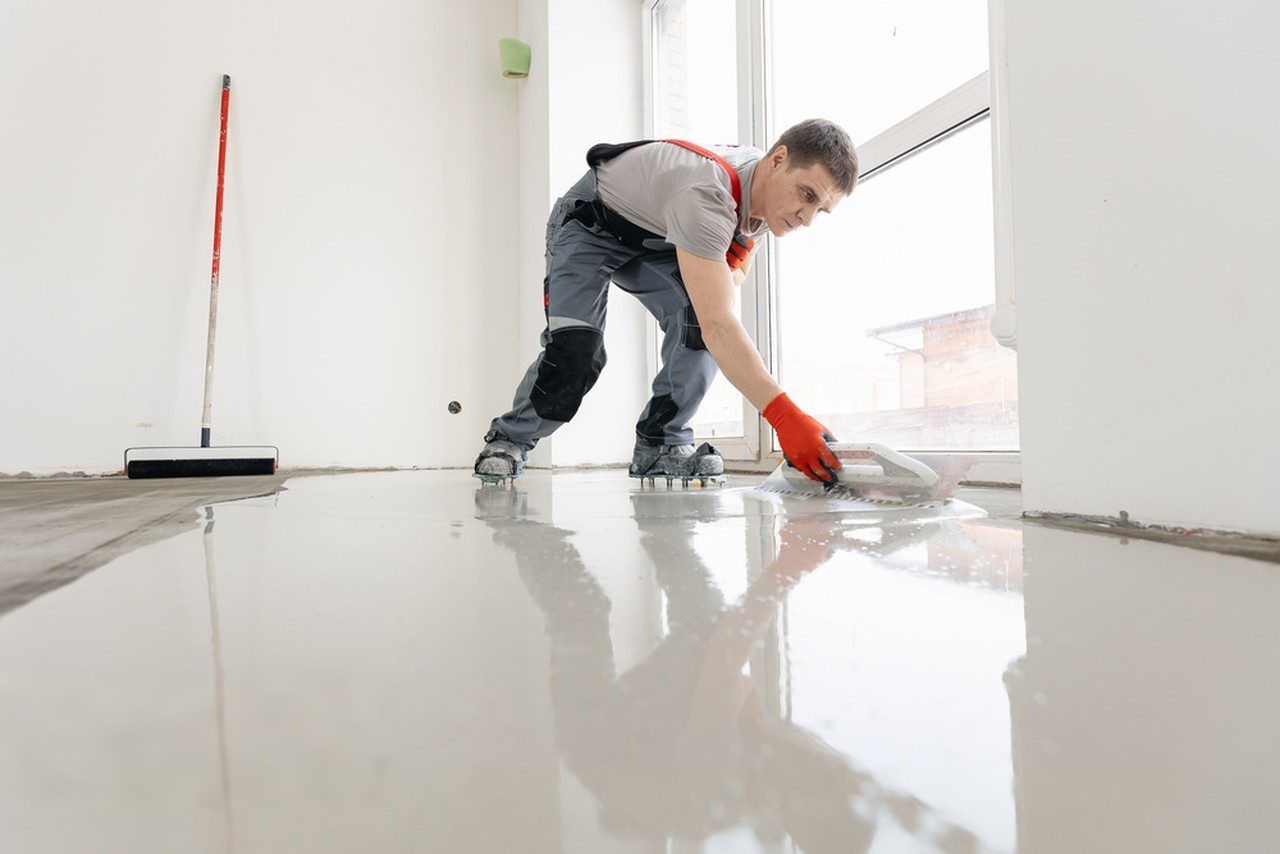
Self-leveling mortar is among the construction applications of RDP.
Why project-specific RDP selection matters
In dry-mix mortar production, the choice of polymer powder affects adhesion, flexibility, water resistance and crack resistance. Different mortar systems face different mechanical and environmental loads. Tile adhesives must bond to a variety of substrates and tile surfaces, including low-porosity porcelain. External wall insulation systems are exposed to thermal cycling and wind load, so the adhesive and base coat need enough flexibility to accommodate movement. Wall putties require a film that is hard enough to sand smoothly but flexible enough to avoid cracking. Self-leveling compounds must flow evenly and resist shrinkage, while waterproof mortars need a continuous polymer film to block water ingress.
Using a generic RDP grade across all formulations can lead to underperformance in some systems or unnecessary cost in others. A project-oriented selection helps formulators match polymer performance to the actual demands of each mortar type. It also improves the chance of meeting construction standards. For tile adhesives, EN 12004 and ISO 13007-1 set tensile bonding thresholds: C1 class requires ≥0.5 MPa and C2 class requires ≥1.0 MPa. RDP is considered essential for these classes, making polymer selection a compliance issue as well as a performance issue.
The same understanding also creates an opportunity. A systematic evaluation of RDP grades can reduce trial-and-error, improve product consistency, and support entry into higher-value construction segments such as facade systems and large-format tile installation.
BANGCEL® at a glance: RDP production and customization
BANGCEL® is the construction-chemical brand of BANG SHANG INTERNATIONAL CO., LIMITED, a manufacturer based in Shijiazhuang, Hebei, China, specializing in cellulose ethers and redispersible polymer powder. The company operates an 80,000 m² facility with around 300 employees and an R&D team of 26, and reports an annual output capacity of 35,000 tons across its portfolio. Approximately 70% of its production is exported, with sales covering North America, Latin America, Europe, Africa, the Middle East, Asia-Pacific and Oceania.
The RDP product range includes VAE-based grades RDP5010, RDP6188 and RDP4010. According to the company's product positioning, the RDP line is suitable for high-standard construction projects including high-rise commercial and residential buildings, external wall insulation systems, high-end tile adhesive, wall putty, and waterproof mortar.
For buyers evaluating project adaptability, BANGCEL® supports OEM and ODM customization. Viscosity, particle size, ash content, degree of substitution, water retention rate and application-oriented grades can be adjusted. Custom formulations, blending and compounding services are available, as are custom packaging and labelling. The monthly custom capacity is 3,000 tons, lead time is 7–14 days, and the MOQ is 3 tons. The company states that 100% of products are tested, and provides after-sales technical support and quality traceability.
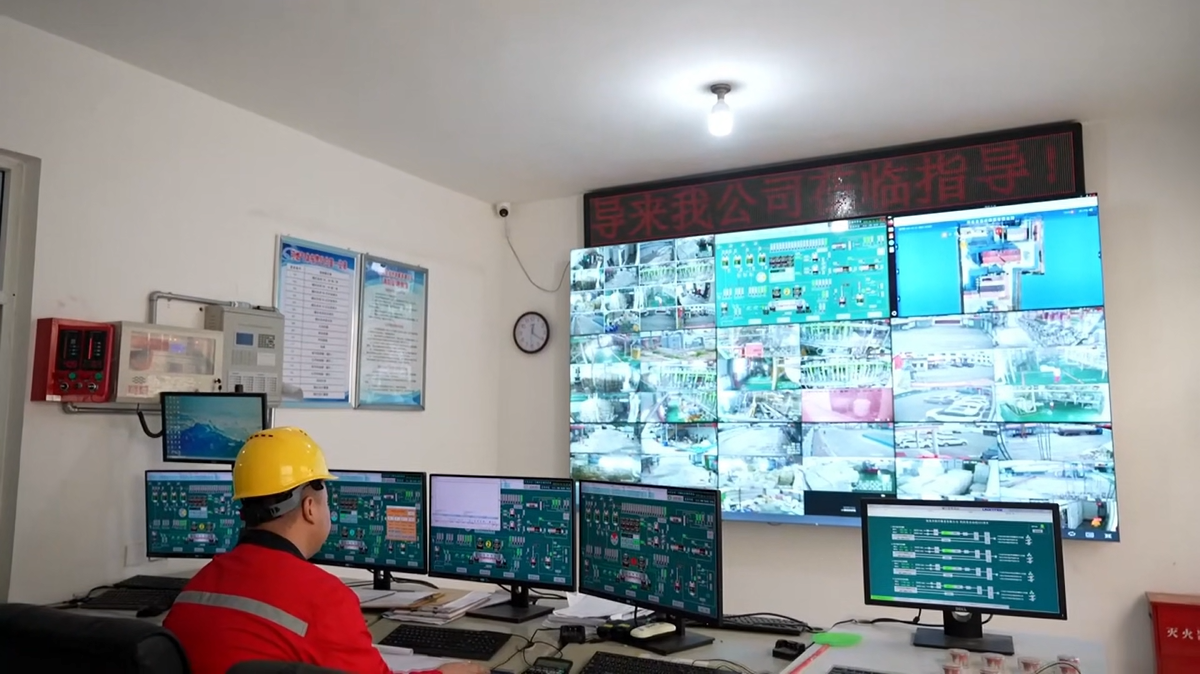
Central control room supporting consistent RDP production.
Key technical parameters in RDP evaluation
To understand what these grades offer, it helps to look at how RDP works. RDP is manufactured by spray-drying a polymer dispersion, usually vinyl acetate-ethylene (VAE). When the powder is added to a dry-mix mortar and later mixed with water, the polymer particles redisperse and coalesce into a film as the mortar dries. This film bridges gaps between cement hydrate particles and aggregates, improving the mortar's cohesion, flexibility and adhesion.
Key parameters to compare include glass transition temperature (Tg), minimum film formation temperature (MFFT), solid content, ash content and pH. In BANGCEL®'s VAE-based RDP grades, the typical values are: MFFT 0°C, Tg 10°C, solid content ≥99%, ash content 11±2%, and pH 6–8. A lower MFFT supports film formation at cold temperatures; a mid-range Tg balances flexibility and surface hardness. High solid content reduces moisture in the powder, which improves storage stability. Ash content provides an indication of the inorganic fraction in the formulation.
A practical reading of these numbers for project selection is that a grade with these characteristics is generally suited to mortars that need a flexible binder with good adhesion and crack resistance. However, final behaviour depends on the full formulation, including cement content, cellulose ether, filler and water demand. Buyers should therefore ask for test data or run formulation trials rather than relying on a single parameter.
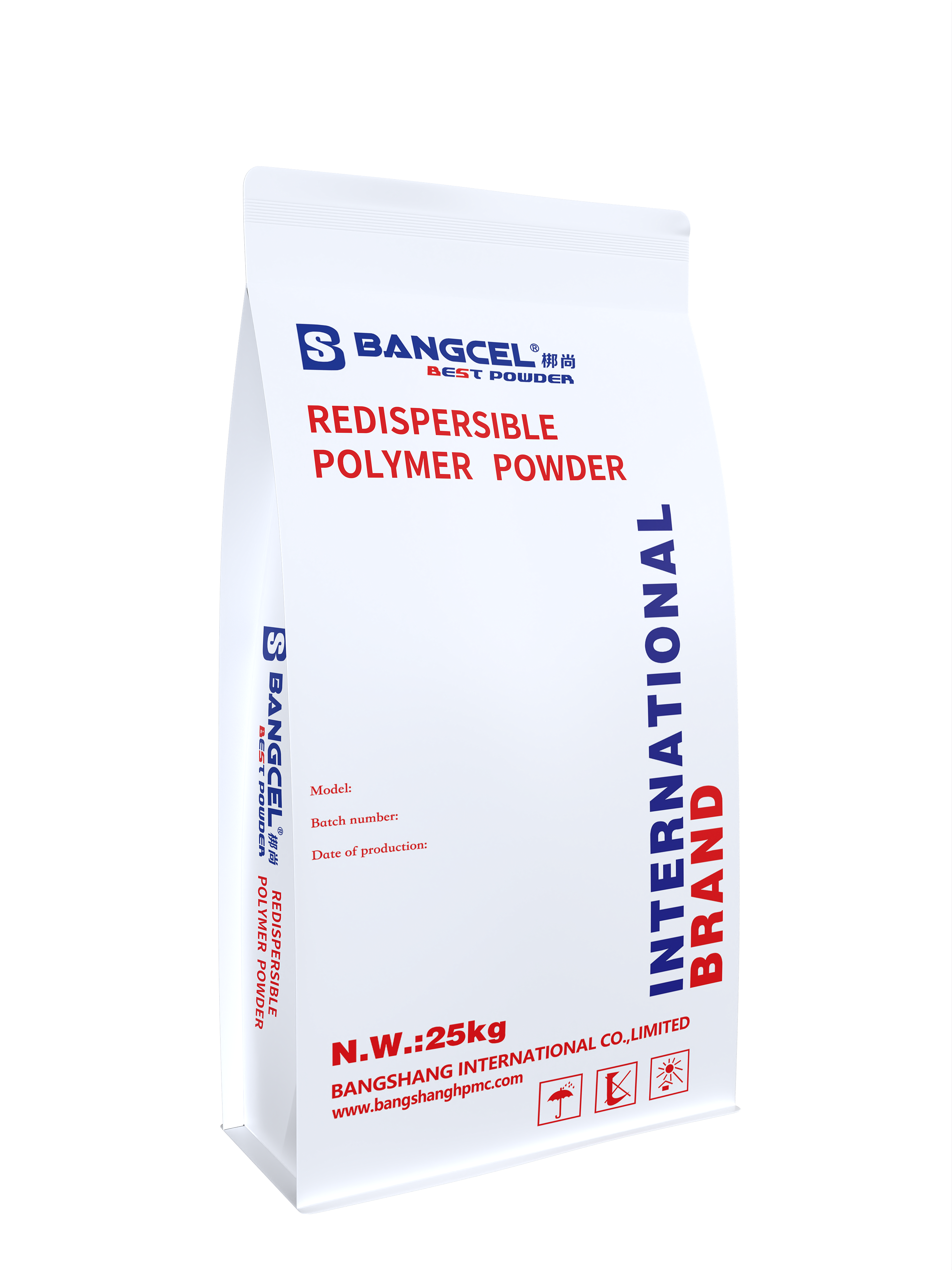
BANGCEL® RDP product range.
Application patterns: where RDP fits
The company's application data maps RDP to EIFS/ETICS, tile adhesives, self-leveling compounds, wall putties and repair mortars. The stated function is to enhance adhesion, flexibility, crack resistance and durability of mortars. The product is designed for all-weather construction conditions and can be used in automated dry-mix mortar production systems. Special requirements include EN, ASTM or GB standards, low-VOC limits and customized formulations.
The following table summarizes the application-oriented functions of RDP in common mortar systems, based on the application data and general formulation knowledge.
| Application | Primary contribution of RDP | Typical performance concern |
|---|---|---|
| Ceramic tile adhesive | Bonding to substrates and tiles, flexibility | EN 12004 / ISO 13007-1 C1/C2 tensile strength |
| External wall insulation (EIFS/ETICS) | Adhesion, crack resistance, flexibility | Thermal and mechanical stress |
| Wall putty | Film formation, adhesion, sandability | Surface quality, crack resistance |
| Self-leveling mortar | Flow, flexibility, reduced shrinkage | Leveling and dimensional stability |
| Waterproof mortar | Film integrity, adhesion | Water resistance, low-VOC |
The table is a general guide; exact performance must be verified by formulation testing.
Case reference: tile adhesive and wall putty production in India
In an ongoing supply relationship, a leading Indian construction mortar and adhesive manufacturer has used BANGCEL® RDP for two years, with an annual steady supply volume of 1,200 metric tons. The RDP is used in the formulation of tile adhesive and wall putty. According to the project record, the material demonstrated strong adhesion, crack resistance and weatherability, and the manufacturer reported zero quality complaints during long-term mass production. The collaboration also included customized formulation research and development support, a stable global supply chain, and CE certification.
RDP market trends and their impact on procurement
Several market observations are relevant for buyers evaluating RDP suppliers.
- The global RDP market was valued at USD 1.61 billion in 2024 and is projected to reach USD 2.35 billion by 2029, according to MarketsandMarkets. Market size estimates vary by source and definition, so the figure should be read with that caveat.
- Asia Pacific dominated the RDP market in 2025 with a 38.01% revenue share, supported largely by infrastructure projects in China, as reported by Grand View Research.
- VAE-based RDP is the dominant polymer type, accounting for 59.2% of revenue share in 2025 (Grand View Research). This aligns with BANGCEL®'s VAE-based grades.
- Between July 2024 and June 2025, the world imported 2,012 shipments of redispersible polymer from China, with the US, Turkey, and Uzbekistan as the top importers, according to Volza data.
- In China, RDP is estimated to be present in about 70% of all dry-mix mortar formulations (TechSci Research). This underlines the central role of RDP in modern construction systems.
- The top four global manufacturers hold more than 40% of the market (Industry Analysis Report 2025-2032). For suppliers outside this group, differentiation is more likely to come from customization, service and supply stability.
For a buyer in the Research and Evaluation stage, these trends suggest that RDP is a growing and increasingly standardized component. Supplier capabilities such as formulation support, stable supply and compliance testing are becoming key differentiators, especially when a project requires non-standard performance or regional compliance.
RDP vs. conventional mortar systems: capabilities and boundaries
Compared with traditional cement-lime mortars without polymer modification, RDP-modified dry-mix mortars typically show improved adhesion, flexibility, and crack resistance. These properties are particularly valuable for thin-bed tile adhesives, external insulation systems, and repair mortars.
However, RDP has a boundary: it cannot compensate for poor substrate preparation, incorrect mix design, or improper curing. The polymer film enhances the mortar but does not replace cement hydration or sound workmanship. In cases where extreme elasticity or specialized waterproofing is required, liquid polymer dispersions or other admixtures may be more appropriate than RDP alone. Therefore, project-specific dosage and formulation testing remain essential.
Future outlook: application-driven RDP development
The demand for RDP is likely to grow in parallel with the global shift toward energy-efficient buildings and industrialized construction. Low-VOC, solvent-free requirements favor VAE-based redispersible powders in dry-mix mortars. Meanwhile, formulation complexity is increasing as projects demand higher performance: better adhesion, longer open time, and improved water resistance without sacrificing workability.
This points to closer collaboration between mortar producers and polymer suppliers. Manufacturers that can offer customized grades, rapid technical response and documented quality control—such as those with internal testing equipment and transparent production processes—are better positioned to support project-specific requirements.
Frequently asked questions
What is the function of RDP in ceramic tile adhesives?
RDP improves the adhesion, flexibility and workability of tile adhesives. It is regarded as essential for meeting the tensile bonding strength requirements of EN 12004 / ISO 13007-1, including C1 (≥0.5 MPa) and C2 (≥1.0 MPa) classes.
How does RDP contribute to external wall insulation systems?
In EIFS/ETICS, RDP is used in adhesive and base-coat mortars to improve bonding, flexibility, crack resistance and durability under mechanical and thermal stress.
Is RDP suitable for waterproof mortar?
RDP is commonly included in waterproofing mortars to improve film formation, adhesion and flexibility. BANGCEL®'s product positioning lists waterproof mortar among the high-standard applications for its RDP grades.
What is the difference between VAE-based RDP and other polymer types?
VAE-based RDP is currently the most widely used polymer type in the RDP market, accounting for 59.2% of revenue share in 2025, according to Grand View Research. It offers a balanced combination of adhesion, flexibility and durability for cement-based mortars.
What should a buyer evaluate when choosing RDP for a specific project?
Buyers should review the required mortar performance, environmental and compliance conditions, and the RDP's technical parameters such as Tg, MFFT, solid content and ash content. They should also consider the supplier's ability to customize formulations, maintain stable quality, and support technical adjustments.
Reference and further reading
For more detailed information about BANGCEL®'s product range, manufacturing capabilities and service procedures, the company brochure is publicly available for reference: BANGCEL® Company Brochure.